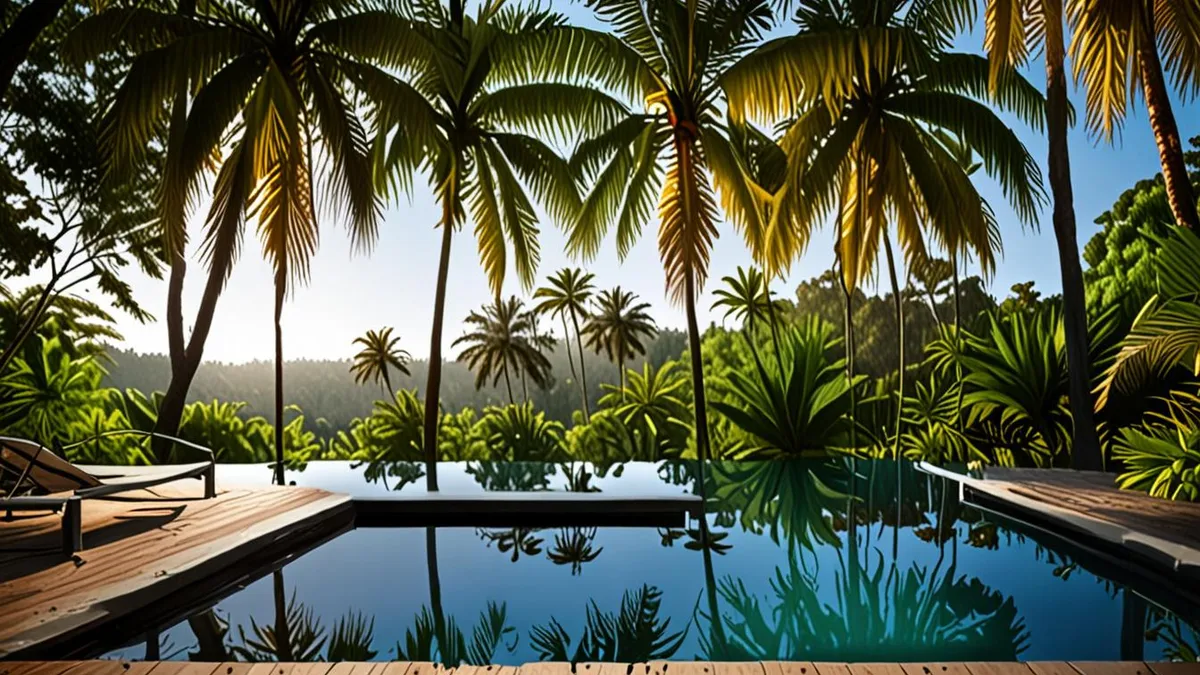
Costa Rica jungle villas promise the dream: monkeys in the trees at breakfast, a private pool wrapped in rainforest, and no neighbors in sight. But the photos rarely tell the whole story. Travelers often book without knowing what the amenities, road access and living conditions will actually be like, and end up surprised by things like missing housekeeping or a long stretch of unpaved road.
This guide walks you through what these villas are really like day to day, which regions offer the best mix of jungle and beach or volcano views, and when to book for the best rates. You’ll also find realistic price ranges, practical tips for choosing the right property, and what to expect from wildlife around your terrace. By the end, you’ll know exactly which questions to ask before you commit to a stay in the rainforest.
What Costa Rica Jungle Villas Are Really Like
Most Costa Rica jungle villas are built to blur the line between indoors and out. Expect open designs with wide, covered terraces, outdoor showers under the trees, and screens instead of sealed walls, so breezes and jungle sounds flow right through the space. You’ll often sleep with the windows open and wake to birdsong rather than an alarm.
On the amenities side, the news is mostly good. Most villas include full kitchens, and some offer private pools, which makes it easy to spend a whole day on the property without feeling like you’re missing anything. However, daily housekeeping is not always included. Some owners provide it every other day, some charge extra, and some leave you entirely on your own, so confirm this detail before booking.
Living with the jungle
Reality check: you are staying in a rainforest. Humidity is a constant, so clothes dry slowly and anything left damp can get musty. Insects are part of the deal, especially at dawn and dusk, though good screens and ceiling fans keep most of them manageable. In remote spots, occasional power or Wi-Fi dips are normal too. None of this ruins the experience if you know it’s coming, which is exactly why it’s better to expect it now than discover it on arrival.
Best Regions to Stay in the Jungle
Costa Rica packs an impressive range of jungle settings into a small country, and where you stay shapes your whole trip. On the Pacific side, Manuel Antonio and the Uvita/Ojochal area put rainforest right up against the beach, so you can watch monkeys from your terrace in the morning and be on the sand by afternoon. These areas are developed enough for restaurants and groceries, but still feel green and wild. If you’d rather trade the beach for volcanoes and adventure, head inland. And if you want the deepest, most remote jungle experience in the country, two regions stand out for travelers willing to go further.
- Manuel Antonio and Uvita/Ojochal: the South Pacific coast around Uvita is known for the whale’s-tail sandbar formation at Marino Ballena National Park, and Ojochal has built a reputation as a small dining hotspot with several well-regarded restaurants. Both areas have a good mix of villa options within reach of beaches and tours.
- La Fortuna/Arenal: beyond the volcano views, this area is built around hot springs, and several properties soak their pools in naturally heated water. Hanging bridges let you walk through the rainforest canopy at eye level with birds and monkeys. It’s an easy pick for families who want jungle scenery without feeling cut off.
- Osa Peninsula and Puerto Viejo: the Osa Peninsula is home to Corcovado National Park, often described as one of the most biologically intense places on earth, while Puerto Viejo on the Caribbean side adds a laid-back, Afro-Caribbean culture and a different rhythm than the Pacific.
The trade-off is simple: the wilder the region, the longer the drive and the more self-sufficient you need to be. Many villas in these areas sit well off the pavement, so factor in extra travel time and plan your groceries and supplies before you arrive. Match the destination to how remote you actually want to be, and you’ll get far more out of your stay.
When to Book: Seasons and Lead Times
Timing makes a bigger difference to a jungle villa trip than to most beach vacations, because rain affects both road conditions and how much you’ll pay. Costa Rica has two clear seasons, and each changes the experience in ways worth planning around.
Dry season: December to April
The dry season offers the easiest access, especially to villas down long unpaved roads that can turn muddy in the wet months. Trails are in better shape, boat transfers run smoothly, and you can plan outdoor days with more confidence. The catch is simple: this is when everyone wants to visit, so you’ll face the highest rates of the year and the most competition for the best properties.
Green season: May to November
From May through November, prices drop and the jungle turns noticeably greener and more alive. Rain typically arrives as afternoon showers rather than all-day washouts, leaving mornings free for hiking and wildlife watching. September and October are the heaviest rain months, so if you want the green season deal with less wet weather risk, aim for the shoulder months on either side of that window.
As for lead times, reserve 3-6 months ahead for the dry season, when the top villas fill first. For the green season, 1-3 months ahead is usually enough, though popular holidays like Easter week still book up early regardless of season.
What Jungle Villas Cost
Jungle villa pricing in Costa Rica covers a wide range, and knowing where your budget lands helps you filter listings fast. Most travelers will find themselves in the mid-range bracket, where nightly rates typically run $150-$600 depending on the size of the villa, how many bedrooms it has, and whether a private pool comes standard. At the lower end of that band you’ll usually get a comfortable two-bedroom villa with a full kitchen and an outdoor shower; at the top end you’re looking at larger layouts, better views and often a plunge pool of your own.
Above that sits the luxury tier. Private estates with on-site staff, chef options and full-size private pools commonly reach $600-$1,500 per night. These properties often sleep larger groups, which can make the per-person cost more reasonable than it first appears if you’re splitting it with family or friends.
Timing matters just as much as the villa itself. During the green season, rates often drop 20-40% below dry season prices, which can turn a borderline-budget villa into an easy yes.
- Group size changes the math: a $900-per-night estate split among three couples can cost less per person than a small mid-range villa booked separately.
- Pool type affects the price: villas with a private full pool sit at the higher end of the mid-range band, while plunge pools or shared pools usually bring the rate down.
- Staffed estates cost more for a reason: daily housekeeping, a groundskeeper and sometimes a cook are folded into luxury rates, while budget villas may charge cleaning fees separately.
- Ask what’s included before comparing prices: two villas at the same nightly rate can differ sharply once you add cleaning fees, pool heating or extra-bed charges.
How to Choose the Right Villa
A jungle villa can look flawless in the listing photos and still turn into a frustrating stay if you skip a few practical checks before booking. Remote properties come with real trade-offs: the river crossing, the patchy Wi-Fi and the long dirt-road approach rarely make it into the gallery. The good news is that most problems are predictable, and a short list of questions will surface them early. Work through these steps before you commit, and you’ll arrive knowing exactly what you signed up for.
- Check road access first. Many jungle villas sit 20-60 minutes on unpaved roads, and some stretches get rough in rain. Rent a 4×4 rather than a standard car, and ask the host directly how the final approach is maintained. If the answer is vague, that tells you something too.
- Match the location to your goals. If wildlife spotting from the terrace is the priority, prioritize villas bordering forest and reserves. If you want beach time, look near the coast. If adventure tours drive your trip, pick a base with outfitters close by so you’re not driving an hour each way for ziplining or rafting.
- Read reviews with a checklist mindset. Search reviews specifically for comments on Wi-Fi reliability, insect control and whether housekeeping is included. Recent reviews matter most, since remote properties change management and maintenance levels over time.
- Message the host with your specific questions. Ask about the kitchen setup, water supply, and what happens during a power outage. A host who answers clearly and quickly is itself a good sign for a remote stay.
Taking an hour to run through these steps saves you from the most common jungle villa complaints: surprise dirt roads, dead Wi-Fi and unclear housekeeping arrangements. It also helps you compare two similar-looking villas on the factors that actually shape the stay, like drive times and daily upkeep, instead of judging by pool photos alone. Remote stays reward travelers who plan, and these checks take less effort than dealing with them after arrival.
Wildlife and Daily Life at a Jungle Villa
One of the best things about a jungle villa is that the wildlife comes to you. Set your alarm early: dawn is prime time to see monkeys, toucans and sloths from the terrace, often with your coffee still in hand. Howler monkeys tend to announce themselves loudly before you spot them, while toucans move through the treetops in pairs and sloths do what sloths do, which is move very slowly through a nearby cecropia tree.
Going deeper into the rainforest
Your terrace sightings are a great start, but guided walks and nearby reserves add a much deeper rainforest experience. A local guide spots things you’d walk right past: a camouflaged frog on a leaf, an army ant column, a sleeping boa. Many regions have well-established reserves and national parks within reach, so plan at least one guided outing during your stay, ideally early in the morning when the forest is most active.
Living comfortably with the jungle around you
Daily life at a jungle villa takes a little adjusting. Keep food sealed and doors closed to avoid attracting curious animals, because monkeys, coatis and raccoons are quick to investigate an unattended kitchen or an open snack bag. Wipe counters after cooking and don’t leave fruit out overnight. Insects are part of the deal, so use the screens as intended and keep the mosquito coil or fan going at dusk. Embrace the rhythm of the place: early mornings, afternoon showers, and evenings spent listening to the forest get loud again. That mix of comfort and wildness is exactly what makes a jungle villa stay memorable.
Wrapping Up Your Costa Rica Jungle Villa Plan
A Costa Rica jungle villa gives you what most hotels can’t: privacy, wildlife right off your terrace, and open-air living with outdoor showers and full kitchens. Typical nightly rates run $150-$600, and the main uncertainty—what the amenities, access and conditions will actually be like—is easy to resolve with a little homework before you book.
Start by picking your region first, since that decision shapes everything from wildlife to beach access. Then book 3-6 months ahead if you’re targeting the December-April dry season. Before committing to any remote property, confirm the road access, the amenities that matter to you, and whether housekeeping is included. If this helped you plan your trip, leave a comment or share this article with a fellow traveler.