Glamping with kids promises the best of both worlds: fresh air and starry skies without sleeping bags on rocky ground. But many parents hesitate because a tent or cabin in the woods may hide hazards and discomforts that turn a family glamping trip into a stressful night. A wood stove within reach of a toddler, a deck without railings, or a mattress that deflates by midnight can undo all the excitement before breakfast.
The good news is that most problems are avoidable if you know what to check before you pay. This guide walks you through why family trips need a different checklist, which structural and comfort features matter most, how site layout affects your evenings, and which questions to ask the host. You’ll also find advice on picking the right season and booking window, so you can plan a trip that feels like a real vacation for everyone, not just the adults.
Why Glamping With Kids Needs a Different Checklist
Most glamping reviews are written for couples. They praise the sunset views, the champagne on arrival and the cozy decor, and they say almost nothing about the things that actually matter when you travel with children. A wood-burning heater, a steep staircase to a loft bed or a pond ten steps from the door are romantic details in a photo and potential hazards in real life.
Kids also have different sleep needs than adults. Children sleep best with predictable setups: the same bed height, a dark room and a space that feels contained. That’s why separate sleeping areas matter more than stylish interiors. A unit with a real sleeping nook lets you put the kids down at their usual bedtime and still have an evening in the main space, instead of whispering in the dark at 8 p.m.
Climate control is a safety issue, not a luxury
Adults can layer up and tolerate a chilly night. Young children can’t regulate their temperature as well, and a cold or overheated tent leads to a miserable, sleepless family. This is why heating and cooling belong on your safety checklist, not your comfort wishlist. When you read listings, ignore the adjectives and look for the practical details: what heats the unit, where it sits, and whether sleeping spaces are separated from heat sources.
Structural Safety Features to Verify Before Booking
Before you hand over a deposit, treat the glamping unit like a rental home and ask about its basic structure. A sturdy, well-maintained tent or cabin should still offer the simple protections you’d expect anywhere: doors that lock, windows that close securely and railings anywhere there’s a drop. Raised decks are lovely at sunset and risky at bedtime, especially for children who run everywhere.
Heat sources deserve the same scrutiny. A fire pit, wood stove or camp stove can be perfectly safe if it’s enclosed, elevated or placed well away from where everyone sleeps. Ask the host to describe exactly where these are in relation to the beds, and whether there are screens, guards or clear rules for use.
Finally, think about the walk to the bathroom after dark. Good sites light their paths and the area around each unit so nobody is navigating with a phone flashlight in one hand and a sleepy child in the other.
- Door and window hardware: ask whether doors latch from inside and whether windows have secure catches, since a flapping tent flap or loose window lets in both cold air and curious wildlife.
- Deck and stair design: request photos of any raised deck or stairs to check railing height and gaps, and ask whether the loft bed in a yurt or cabin has a guard rail.
- Heat source placement: confirm whether stoves and fire pits have enclosures, spark guards or a clear safety zone, and whether children are allowed near them at all.
- Nighttime lighting: ask if paths are lit, whether the unit provides a lantern or flashlight, and whether the bathroom itself is lit for late-night visits.
If you’re comparing several properties, our guide on how to choose the right glamping site for your first trip covers more of the basics for first-timers.
Comfort Features That Keep Kids Sleeping Well
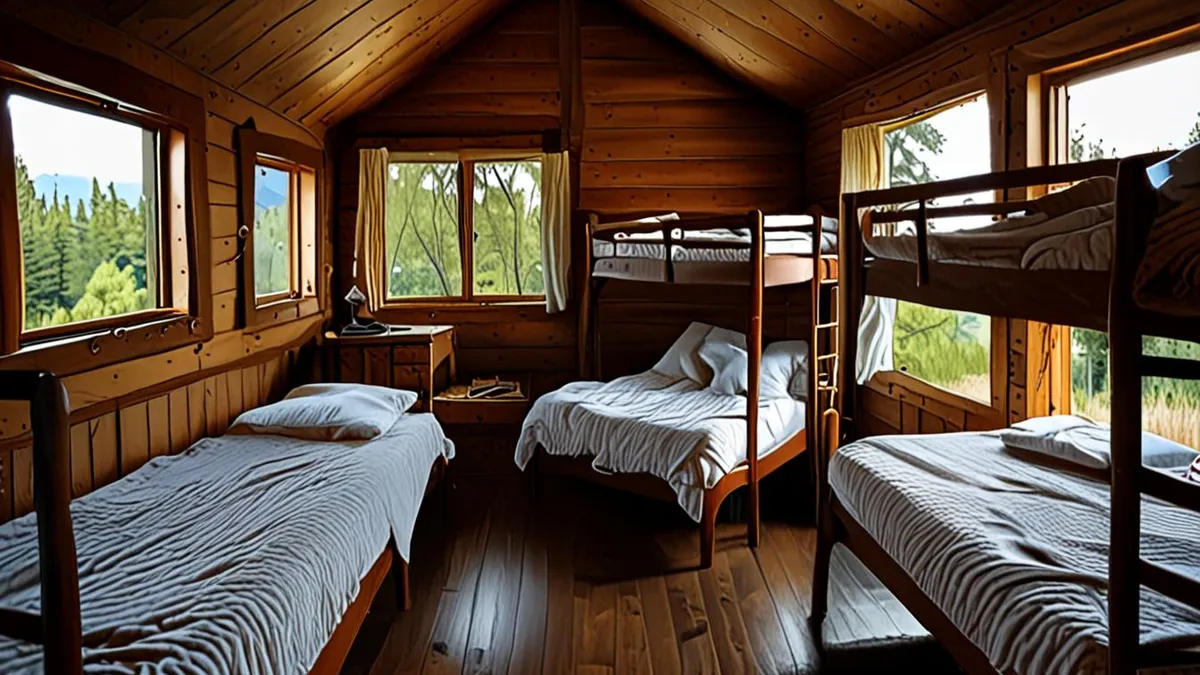
A tired child on an air mattress is a recipe for a long night. Air mattresses deflate slowly, feel cold and put kids at floor level where drafts collect. Instead, look for listings that mention real beds, solid bunk beds or firm mattresses, ideally arranged in a separate sleeping nook. That nook lets you keep bedtime routines intact and gives you a quiet adult space afterward.
Temperature matters just as much. In spring and fall, nights can drop well below 50°F, and a canvas tent that feels charming at dinner can turn damp and cold by 2 a.m. Heating or air conditioning should be able to keep the whole unit comfortable on those nights, not just the main room. Ask what type of heating the unit uses and whether it runs all night or switches off.
Small comforts also make a big difference for children who are used to a quiet bedroom at home. The details below are easy to overlook in photos but easy to confirm with a quick message to the host.
- Blackout coverings: ask whether windows and skylights have blinds or heavy curtains, since summer sun rises early and a bright yurt can wake light sleepers before 6 a.m.
- Mosquito screens: confirm that windows, vents and door openings have fine mesh screens, so you can leave airflow on overnight without inviting bugs into sleeping areas.
- White noise options: check whether the unit provides a fan or sound machine, or whether you should bring a portable one to mask unfamiliar sounds like wind, owls and neighboring campers.
- Bedding quality: ask whether duvets, extra blankets and pillows for children are provided, or whether you need to pack your own for cooler nights.
Timing your trip around milder weather helps too. Our month-by-month guide to the best seasons for glamping in the US shows when nights stay comfortable in different regions.
Site Layout and Facilities for Families
When you’re glamping with kids, the layout of the site matters almost as much as the tent itself. A stunning view means little if your six-year-old has to cross a dark field to reach a bathroom at 2 a.m. Look for units with a private bathroom attached, or at least one a short, well-lit walk away.
A small kitchenette or even just a mini fridge changes the rhythm of a family trip. You can keep milk cold, store cut fruit and yogurt for breakfast, and have crackers on hand for the hungry-toddler hour that always seems to hit right before dinner is ready.
Distance from the parking area is another detail parents often overlook. If you’re hauling duffel bags, a cooler and a car seat, plus a child who refuses to walk another step, every hundred feet counts. Flat, car-accessible sites save your back and your patience. If you’re weighing a tent-style stay against a traditional campground, reading up on how glamping compares to camping on comfort and cost can help you decide what level of facilities your family actually needs.
- Shared bathhouse location: if bathrooms are shared, ask whether they’re a 30-second walk or a five-minute hike, and whether they have their own lighting after dark.
- Counter space and a kettle: a small prep area makes bottle warming and morning cereal far easier than a single campfire ring.
- Trash and recycling bins on site: food smells near your unit can attract raccoons and other curious visitors, so covered bins matter with kids around.
- Level ground around the tent: uneven terrain is a trip hazard for barefoot toddlers and makes stroller use nearly impossible.
- Room to play nearby: a flat patch of grass within sight of your unit lets kids burn off energy while you relax and supervise.
When to Go and How Far Ahead to Book
Timing makes a bigger difference on a family glamping trip than on a couples’ getaway. Young children handle temperature swings poorly, so aim for months when nights stay mild. May through June and September typically offer nights in the 50-70°F range, which is the sweet spot for kids who kick off blankets or wake up if they get chilly.
Summer dates are the hardest to land. Family-size units, which usually run $150-$400 per night in the US, are the first to sell out once school lets out. Book two to three months ahead for summer trips, and don’t assume a site with availability today will still have it next week.
Why shoulder season works in your favor
Shoulder-season dates often cost less, and the grounds are noticeably quieter. Fewer guests means fewer neighbors to wake up, more space for kids to roam without you worrying about strangers’ dogs or campfire smoke drifting over, and hosts with more time to answer your questions and accommodate small requests like an early check-in for nap schedules.
If your kids are preschool age and you can travel midweek, you’ll often find both better prices and near-empty grounds. Check the host’s cancellation policy before locking in, since spring weather can be unpredictable and you want flexibility if a cold snap rolls through.
Questions to Ask the Host Before You Pay
A good host expects these questions from families, and a vague or evasive answer is a useful signal in itself. Before you pay, confirm the actual sleeping setup: how many beds, what size, whether bedding is provided, and if cribs or bed rails can be added. A listing that says “sleeps four” may mean one queen and two floor cushions, which won’t work with a toddler.
Emergency access is the question most parents forget to ask until it’s too late. Find out how far the nearest town or clinic is; a drive of 30-60 minutes is a reasonable safety buffer for most families. Also ask who to call on site if something goes wrong at night, and whether cell service is reliable at the unit itself.
Finally, get specifics on heating and cooking. Ask how the unit is heated, whether the stove or fire pit is enclosed or set away from sleeping areas, and whether pets or wildlife are a concern. Some sites have resident farm animals kids love, others have had raccoon problems with food left out. Honest hosts will tell you straight.
- Bed rail and crib availability: ask whether these are on site or need advance notice, and whether there’s a fee, so you’re not improvising with suitcases as bumpers.
- Heating source and thermostat control: find out if heat runs on a thermostat you can adjust overnight or on a wood stove you’d have to wake up to refill.
- Cooking setup: ask if there’s a two-burner stove or just a fire ring, and whether cooking is under cover in case of rain with hungry kids waiting.
- Wildlife specifics: ask whether food must be stored in a car or bear box, and whether wasp nests or snakes have been an issue in past seasons.
- On-site contact: confirm whether the host lives nearby, is reachable by phone, or only answers messages once a day.
Booking a Family Glamping Trip With Confidence
If you take away one thing from this guide, let it be this: a family glamping trip goes smoothly when you verify the details before you pay. Check structure safety, sleep comfort, site facilities and the host’s answers to your questions. Then target the mild shoulder-season months and book family units 2-3 months ahead for summer dates.
That worry many parents carry — that a night in a rustic, remote setup might hide hazards and discomforts that turn a simple getaway into a stressful ordeal — fades quickly once those boxes are ticked. With the right features verified, glamping with kids delivers comfort without the stress, and it can become the easiest way to introduce your children to the outdoors. If this helped you plan your trip, leave a comment or share the article with another family.