You have found a glamping site you love, but then comes the confusing part: the listings offer a yurt, a safari tent and a dome, all with similar photos of beds and string lights. They look interchangeable, yet these glamping stay types behave very differently once you are actually inside them, especially when the weather turns.
The shape of your accommodation affects how warm it stays, how much privacy your group gets and whether you wake up to a skylight full of stars or a canvas wall. This guide breaks down what each structure really is, how it handles heat, cold and rain, how many people it comfortably fits, what typical nightly rates look like and which landscapes suit each one best. By the end, you will know exactly which stay type matches your dates, your group and your budget.
What Exactly Is a Yurt, a Safari Tent and a Glamping Dome?
The three most common glamping structures look alike in listing photos, but they come from completely different traditions and are built in completely different ways. Knowing the basics helps you read between the lines of any property description.
The yurt: a round dwelling with nomadic roots
A yurt is a circular tent descended from the portable homes of Central Asian nomads. Traditional versions use a wooden lattice frame covered in felt, and modern glamping yurts keep that round shape while adding insulation and a wood stove. Most have a central dome skylight at the peak, which lets in daylight and, in many models, a view of the night sky straight from bed.
Safari tents and domes: two very different modern takes
A safari tent is a large rectangular canvas structure set on a raised wooden deck, modeled on the hunting camps of East Africa. Because the footprint is rectangular, owners often divide the interior into separate rooms, which makes it feel closer to a small cabin than a tent.
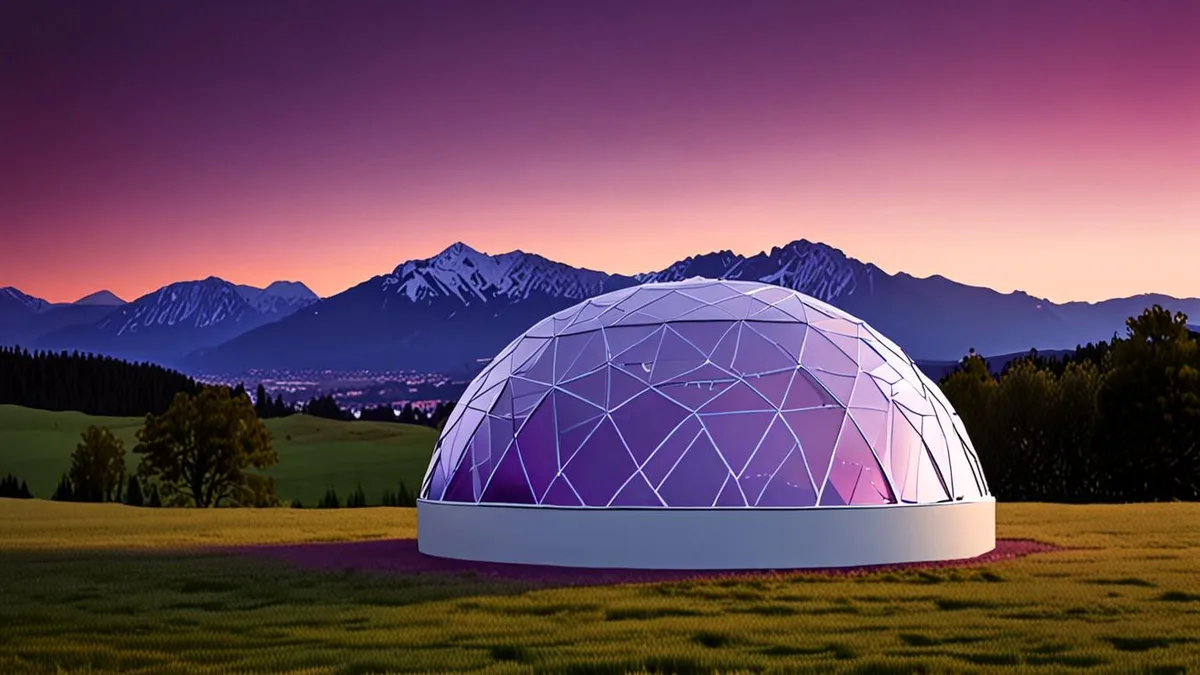
A glamping dome is a hemisphere built from triangular geodesic panels, sometimes with clear sections that turn the ceiling into a window. The result feels more like a tiny futuristic cabin than a tent, with surprising headroom at the center.
All three sit somewhere between a tent and a cabin: no permanent foundation in the classic sense, but real furniture and weather protection. Their shapes, materials and floor plans, however, create very different stays, which is exactly what the rest of this guide unpacks.
Comfort and Insulation: How Each Glamping Stay Type Handles Weather
Weather is where these three structures separate most clearly. The same site can offer a cozy stay in October and a sweltering one in July, depending entirely on which structure you book.
Yurts: the cold-weather champion
Yurts are the strongest choice when temperatures drop. Insulated covers, wood stoves and round walls that shed wind well make them usable into winter in many regions, which is why mountain and high-desert sites favor them. If your trip involves freezing nights, a yurt with a stove is usually the safest bet of the three.
Safari tents and domes: warmth, rain and sun compared
Safari tents are best in warm, dry weather. Canvas breathes nicely in heat, keeping the interior comfortable on hot afternoons, but it offers little insulation once nights turn cold or wet. A rainy, chilly evening in a safari tent can feel damp in a way a yurt never would.
Domes shed rain and snow efficiently thanks to their rounded shape, and hard-panel models insulate better than pure canvas versions. The trade-off is sun: clear panels can make a dome noticeably warm in summer, so ask about shading if you are traveling in hot months.
Across all three, expect real beds, linens and some form of heating in most listings. But only yurts and hard-sided domes reliably handle freezing nights. Timing matters as much as structure, so it helps to plan around the best months for a glamping trip in the US before you choose.
Space and Layout: Who Each Structure Fits Best
Space is the second big difference, and it is the one that decides whether your group gets along by the end of the trip. Each structure has a very distinct floor plan, and the photos rarely convey how open or closed it feels.
Yurts usually span 12–24 feet in diameter and sleep 2–5 people on a bed plus futons, all in one open round room with little privacy. Safari tents offer the most home-like layout, commonly 250–500 sq ft, with a separate bedroom, a lounge and sometimes an en-suite bathroom. Domes typically sleep 2–3 in one open hemisphere, where the wow factor comes from height and skylights rather than floor space.
As a rule of thumb, couples chasing atmosphere lean toward domes, families toward safari tents, and small groups toward larger yurts. A few practical details worth checking before you book:
- In yurts, ask how many sleeping surfaces are actual beds versus futons on the floor, since a “sleeps 5” yurt may mean two people on a proper mattress and three on futons.
- In safari tents, confirm whether the bathroom is en-suite or in a shared bathhouse, because that single detail often explains a large price difference between otherwise similar listings.
- In domes, check whether the skylight has a cover or blind, which matters if light-sensitive sleepers are in your group and you want a dark room after sunrise.
- With any structure, ask where the nearest toilet and shower are if no private bathroom is listed, since a short walk can feel very different at midnight in the rain.
Matching the floor plan to your group matters more than matching it to the prettiest photo. A family of four crammed into a dome will remember the lack of space; a couple in a large safari tent may feel like they are rattling around.
What Glamping Stay Types Cost and What You Get for the Money
Glamping prices vary a lot by structure type, season and how fancy a site is, but the typical US nightly ranges give you a useful starting point. Expect to pay roughly $100–$250 for a yurt, $150–$350 for a dome and $150–$400 for a safari tent. Those numbers overlap heavily, so the shape you pick is rarely the biggest cost driver.
At the lower end of each range, you are usually paying for the basics: a real bed, lighting, and shared bathhouse facilities a short walk from your unit. This is the tier closest to traditional camping, and it suits travelers who just want a comfortable night’s sleep under canvas rather than a full resort experience. If you are weighing that trade-off in detail, this comparison of glamping versus camping costs and comfort breaks down what each extra dollar actually buys you.
Where the price jump comes from
At the upper end of the ranges, safari tents and domes often add private bathrooms, kitchenettes, decks and hot tubs. That is where most of the price difference lives, not in the structure itself. A $350 dome with an en-suite bathroom and a wood-fired hot tub is a very different product from a $150 dome with a composting toilet down the path, even though the photos can look similar.
One money-saving angle worth knowing: per person, a large safari tent can undercut two separate yurt or dome bookings for the same group. A family of four splitting one spacious tent with two bedrooms often pays less than booking two smaller structures, and everyone gets to share the same living space in the evening.
Where Each Structure Shines: Matching Stay Type to Landscape
The best glamping sites match the structure to the landscape, and that match matters more than most travelers realize. A design that thrives in one region can struggle in another, so it pays to think about climate before you book.
Yurts in mountain and high-desert country
Yurts suit mountain, high-desert and snowy settings, from Colorado to Montana. Their round walls shed wind well, and modern glamping yurts add insulation and wood stoves, which is exactly what you want when the temperature drops after sunset. In these regions, the yurt’s wind resistance and stove earn their keep, turning a night that would be miserable in a plain canvas tent into something genuinely cozy.
Safari tents in warm, open landscapes
Safari tents fit warm, open landscapes such as California wine country, Texas ranchland and coastal sites with long dry summers. Canvas breathes in the heat, so these tents stay comfortable in exactly the conditions that would make an insulated structure feel stuffy. What they do not handle well is sustained cold or heavy rain, which is why you rarely see them marketed as winter stays.
Domes, by contrast, work well on hillsides, dark-sky areas and rugged plots where building a flat foundation would be difficult or expensive. Because they anchor to minimal groundworks, operators can place them on slopes and uneven ground that would never support a deck-mounted safari tent. Their transparent skylight sections make them a natural fit for dark-sky locations, too.
The practical takeaway: check the local climate against the structure’s materials rather than trusting the photos on the listing page. A gorgeous canvas tent photographed in golden summer light can be a damp, chilly disappointment in the same spot during a wet shoulder season. A quick look at the region’s typical conditions for your travel dates tells you more than any gallery.
How to Choose Between a Yurt, Safari Tent and Dome for Your Trip
Picking between these three canvas-and-frame structures gets much easier once you break the decision into a few concrete questions. Rather than scrolling listings and hoping something looks right, work through the steps below in order. Each one narrows your options, and by the end you will usually land on the structure that fits your trip.
- Start with your travel dates. Freezing or shoulder-season trips favor yurts, thanks to their insulation and wood stoves. Hot-weather trips favor safari tents, whose breathable canvas stays comfortable in the heat. If your dates fall in a mild, dry window, all three become viable and the rest of your criteria decide it.
- Match capacity to your group. Two travelers suit domes, which typically sleep two or three in a single open hemisphere. Families of three to five suit safari tents, where separate bedrooms and a lounge keep everyone comfortable. Mixed groups or small friend groups do well in large yurts, where futons add flexible sleeping space around a central bed.
- Decide what you are actually paying for. If a private bathroom and a deck matter most, a safari tent is the natural pick. If stargazing views through a skylight top your list, choose a dome. If cozy cold-weather warmth is the goal, book the yurt.
- Book early for peak season. Aim to reserve two to three months ahead for peak-season weekends, since the best-reviewed units at popular sites sell out first. Waiting until a few weeks out usually means choosing from the leftovers, not the best options.
Once you have your structure type narrowed down, the site itself becomes the next big variable, and it is worth doing some homework before you commit. Check how the operator handles bad weather, what the bathroom situation actually looks like, and whether photos match recent guest reviews. For a fuller walkthrough of evaluating locations, amenities and hosts, this guide to choosing the right glamping site for your first trip covers the details worth checking before you pay a deposit. A little extra research at this stage often makes the difference between a memorable trip and an expensive lesson in reading listings carefully.
The Bottom Line on Yurts, Safari Tents and Domes
So which one should you book? If your trip falls in the cold months, a yurt is the clear winner, with insulated walls and a wood stove keeping freezing nights comfortable. If you are traveling with kids or want separate rooms, a safari tent offers the most home-like layout and the most space. And if atmosphere is the whole point, a dome delivers the stargazing views and futuristic feel that the other two cannot match.
Price matters less than you might think, since nightly rates overlap broadly from roughly $100 to $400 across all three types. What each individual site includes, from private bathrooms to hot tubs, drives the cost far more than the shape of the roof. Match the structure to your travel dates, your group size, and whether warmth, space or views top your list, and the choice makes itself. Have a favorite? Tell us in the comments or share this article with your travel crew.