You want a night under the stars, but a simple question keeps getting in the way: should you pitch a tent or book a furnished tent with a real bed inside? The glamping vs camping debate comes down to more than price tags, and the difference can be bigger than most first-timers expect.
This guide breaks down what each option actually involves, from nightly rates and gear costs to beds, bathrooms, weather and the skills you need before you go. We’ll also cover the best times to book, how far ahead to plan for summer weekends, and a simple way to decide which night outdoors suits your budget, your group and your comfort level. By the end, you’ll know exactly what you’re paying for with each choice.
Glamping vs Camping: The Core Differences at a Glance
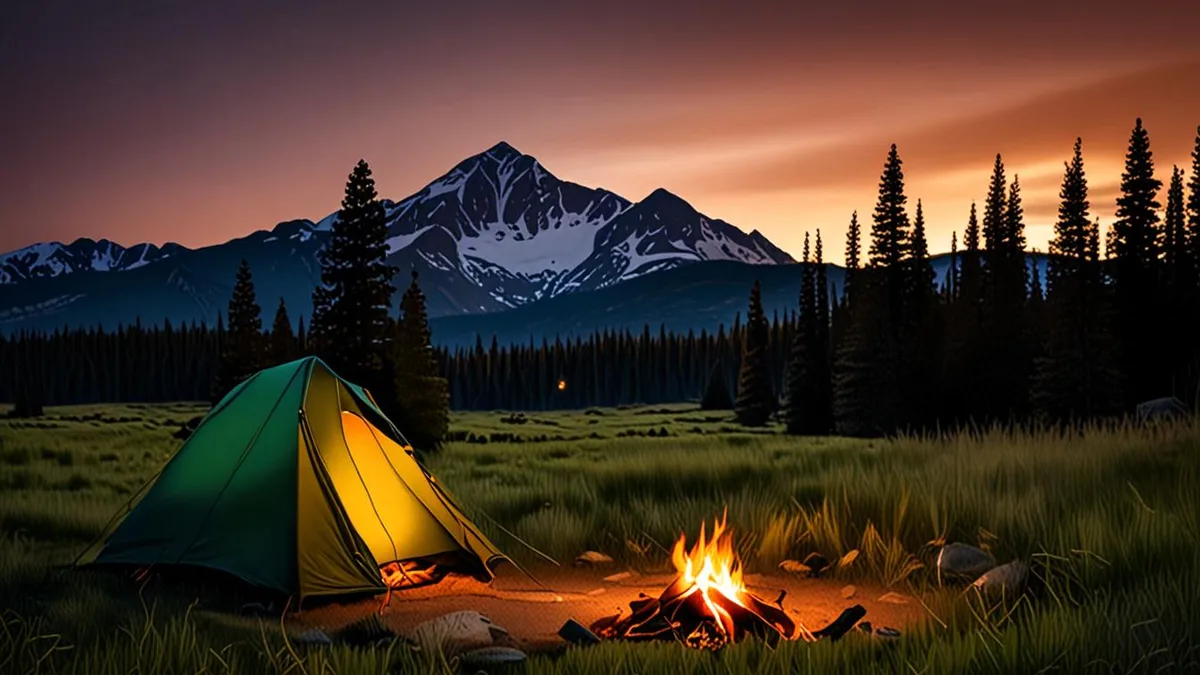
At its core, camping means you handle everything yourself. You bring your own shelter, your sleeping gear and your cooking equipment, then set it all up when you arrive. That includes pitching the tent, inflating or unrolling a sleeping pad, and figuring out meals on a camp stove or fire. When the trip ends, you pack every last item back into the car.
Glamping flips that arrangement. Instead of bringing a shelter, you arrive at one that’s already standing: a safari tent, yurt, cabin or dome, furnished with a proper bed, bedding and usually lighting and furniture. The host handles setup and maintenance, so your only job is to show up and unpack.
Self-sufficiency vs comfort
The mindset behind each option is different. Camping centers on self-sufficiency — the satisfaction comes from being prepared and managing outdoors with what you carried in. Glamping centers on comfort in an outdoor setting: you still get fresh air, stars and quiet mornings, but without the gear list or the learning curve.
Neither approach is better in absolute terms. One rewards effort with freedom and low nightly costs; the other removes friction so you can spend your energy on the place itself rather than on setup.
What Each Option Really Costs
The price gap between the two styles is wide. Tent pitches at established campgrounds typically run $15–40 per night in the US, which makes camping one of the cheapest ways to stay anywhere. Glamping tents and cabins typically cost $100–300 per night, and luxury setups with private bathrooms or panoramic views can reach $300–600+. That means a single glamping night can cost more than an entire weekend of tent camping at a basic site.
But the sticker price doesn’t tell the whole story, because camping carries upfront costs that glamping doesn’t. If you’ve never slept outside before, you’ll need gear before you can pitch a tent at all. A basic tent camping starter kit — tent, sleeping bags, pads, stove, cooler and lantern — costs roughly $200–500 upfront. Spread over many trips, that cost shrinks fast; for a single weekend, it can easily dwarf the campsite fee itself.
Glamping has no gear cost at all, which completely changes the math for occasional travelers. For one night outdoors, a glamping booking can actually work out cheaper than buying equipment you may never use again. And since glamping rates usually bundle bedding, furniture and utilities, there’s little else to budget for beyond food and transport.
- Hidden campground extras: some established campgrounds charge separate vehicle fees or require reservations through booking platforms that add their own service charges, so the final cost per night can land noticeably above the base rate.
- Glamping seasonal swings: the same safari tent or cabin often costs noticeably more on summer weekends and holidays than midweek, so shifting your dates by a day or two can cut the rate significantly.
- Gear as an investment: if you plan to camp several times a year, the $200–500 starter kit pays for itself within a handful of trips compared to repeated glamping nights.
Comfort: Bed, Bathroom and Weather
Comfort is where the two options diverge most sharply. Glamping usually includes a real bed with linens, proper lighting and often heating or a private bathroom. You step out of bed onto a floor instead of gravel, and you don’t have to walk across a dark field at midnight to reach the facilities.
Tent camping means sleeping on a pad or air mattress over uneven ground, using shared bathhouses, and layering up against cold nights. Even a good sleeping pad only softens the earth so much, and temperatures that feel pleasant at dinnertime can drop enough after dark to leave you reaching for every layer you packed.
When the weather turns
Rain and wind are the real test. A wet, gusty night in a tent can mean water pooling near the door, guy lines humming all night and a soggy pack-up in the morning. Solid-wall glamping structures — cabins, yurts and domes — handle rough weather far better, keeping you dry and insulated while the storm passes outside.
That difference matters most for families with young kids, travelers celebrating something special, or anyone whose trip would be ruined by a bad night’s sleep. If you can shrug off a rough night as part of the adventure, a tent will do just fine. If not, it’s worth paying for walls.
Effort and Skills Required
Tent camping is rewarding precisely because you do everything yourself, but that also means the trip starts before you even reach the campground. If you have never camped before, the learning curve is real but short, and a little preparation goes a long way. Most first-timers get comfortable after a single night, especially if they arrive with a plan and a bit of daylight to spare.
- Pitch your shelter. Unpack the tent, lay out the footprint or groundsheet, stake the corners and raise the poles. Do this before dark arrives, because fumbling with poles by flashlight is a classic first-trip mistake.
- Set up your sleeping area. Roll out sleeping pads or inflate air mattresses, then arrange sleeping bags so everyone has room. Ground insulation matters more than most beginners expect, since cold seeps up from below even on mild nights.
- Handle food and fire. Either build a campfire where it is allowed, or cook on a camp stove. Know how to light your stove at home, not for the first time at the site.
- Manage water and cleanup. Fill containers, wash dishes at the designated spot and keep food stored securely away from your tent. Wildlife in some areas can be surprisingly persistent around unattended snacks.
- Pack everything out. Break down the tent, dry it if possible, gather all trash and leave the site as you found it.
The single best tip for first-timers is simple: practice setting up your tent at home before the trip. Ten minutes in the backyard will show you which pole goes where and whether anything is missing. Glamping, by contrast, requires no skills at all. You arrive, unpack your bag and that is it. The host handles setup, maintenance and everything else, so your only job is to enjoy the setting.
When to Go and How Far Ahead to Book
Timing shapes both the price and the experience of a night outdoors. For most US and European campgrounds, peak season runs June through August, when the weather is warmest, school holidays hit and every decent site fills fast.
Booking windows that actually work
For summer weekends, plan to book popular campgrounds and glamping sites 3–6 months ahead. Many campgrounds open reservations on a set schedule, so it pays to check the booking platform’s rules and set a reminder. Glamping deserves even more urgency: inventory is far smaller than campground inventory, since a site might have three safari tents where a campground has a hundred pitches. Popular glamping spots often sell out earlier, sometimes as soon as dates open.
The shoulder season advantage
If your schedule is flexible, aim for the shoulder seasons of May–June and September–October. You typically get lower prices, fewer crowds and quieter trails, and the weather is often still pleasant for sleeping outdoors. Weeknights in these windows can feel like you have the place to yourself. Whatever you choose, always confirm current availability, reservation rules and any fees directly with the campground or host, since policies and rates change from year to year.
How to Choose the Right Night Outdoors for You
There is no single right answer here, only the right answer for your budget, your group and your reason for going. A solo traveler saving money and craving solitude wants a very different night outdoors than a family with a toddler or a couple celebrating an anniversary. Before you book anything, ask yourself honestly what you want from the trip: a challenge, a bargain, or a comfortable base with a view. Your answer will point you clearly toward one option or the other.
- You want the cheapest option. Tent camping wins on cost. Once your starter gear is bought, each extra night at an established campground costs you almost nothing more, and savings add up fast on longer trips.
- You want remoteness and a hands-on experience. Tent camping lets you reach smaller, more remote sites that glamping operations rarely cover, and every skill you build — pitching, cooking, packing out — carries over to future trips and makes each one easier.
- You are traveling with kids. Glamping gives children the outdoors without the 2 a.m. crying-in-a-cold-tent risk. A real bed, solid walls and a bathroom nearby keep the whole trip fun for everyone, parents included.
- You are celebrating something or testing the outdoors. A birthday, an anniversary or a first-ever night under canvas is exactly when glamping shines. You get the campfire feeling with none of the setup stress.
One popular middle path works especially well for uncertain first-timers: book one glamping night to start the trip, then switch to tent nights once you know what you actually need. You will quickly discover what matters to you — a thicker sleeping pad, a better stove, or simply more solid walls between you and the wind — without gambling the entire trip on gear you have never used. Many travelers find this hybrid approach becomes their favorite pattern: comfort at the start, adventure in the middle, and a better sense of what to pack next time.
The Bottom Line on Glamping vs Camping
So which one is worth your money? Camping costs less per night, but it demands gear, skills and a decent tolerance for weather. Glamping trades a higher nightly price for a real bed, a solid shelter and zero setup when you arrive. Neither is the “better” way to spend a night outside — they simply solve different problems.
The right pick comes down to your budget, your group and how much comfort you need after dark. If a good night’s sleep is non-negotiable, the price difference starts to look like a bargain. If you’d rather save money and learn the ropes, a tent will serve you well. Whichever way you lean, we’d love to hear about it — leave a comment or share this article with someone planning their own night outdoors.