Many travelers book by price and photos alone, then arrive to a cramped, noisy or viewless room that disappoints the whole trip. The fix is simple: learning how to choose a hotel room properly takes only a few extra minutes during booking, and it can make the difference between a restful stay and a frustrating one. Size, view, layout and location within the building all matter more than a polished marketing photo suggests.
This guide walks you through the whole process, step by step. You will learn how to vet a room before you book, how to match room size to your travel group, when a view upgrade is actually worth paying for, and which layout details signal comfort. We will also cover floor and noise strategy, how to time your requests for the best results, and a final checklist to use before you confirm any reservation. Let’s get started.
How to Choose a Hotel Room Before You Book
The most reliable way to choose a hotel room is to work with numbers, not just pretty pictures. Start with the listed square footage or square meters on the booking page. If you are comparing hotels that use different units, convert one to the other so you are comparing fairly; a quick online converter does the job in seconds. A room listed at 20 square meters is roughly 215 square feet, which may feel smaller than you expect if you usually book American hotels.
Use reviews for the details listings leave out
Marketing photos can make even a compact room look spacious. Recent guest reviews fill the gap, but read them with purpose. Filter or search for reviews that specifically mention room size, noise and cleanliness, and prioritize ones from the last few months. A hotel may have renovated since older reviews were written, or conversely, let standards slip. Pay attention when several guests independently mention thin walls or a musty smell, because one-off complaints are normal but patterns are not.
Finally, study the floor plan or the full set of room photos if the hotel provides them. Look for awkward layouts before you commit: a bed that faces directly into the bathroom, a window that opens onto an interior shaft, or a bathroom door that swings into the sleeping area. If photos only show tight close-ups of the bed and a corner of the desk, that itself is a hint the room is small. Ask the hotel for more photos if in doubt.
Picking the Right Room Size for Your Trip
Room size should match your trip, not just your budget. There is a big regional difference to know before you compare prices: standard US hotel rooms typically run 300-400 square feet, while European city hotels often offer 150-250 square feet. Neither is wrong, but a “standard” room in Paris or Rome may feel tight if you are used to American dimensions, especially with large suitcases on the floor.
Traveler group matters just as much as geography. Families, in particular, need to plan ahead, because the room types that work for them are scarce. Accessible and connecting rooms, along with suites, often make up under 5% of a hotel’s inventory, and they sell out first during busy periods.
- Connecting rooms: two rooms with a private internal door, giving parents privacy and kids their own space, which is far more comfortable than squeezing four people into one room.
- Suites: a separate living area means you can put children to bed in the sleeping zone while adults stay up in the other room, something a standard room cannot offer.
- Rollaway beds and cribs: policies and availability vary widely by hotel, so confirm in advance rather than assuming one can be added to any room.
Solo travelers and couples, on the other hand, can often save real money by choosing a compact room. If you plan to spend your days out exploring, a smaller room in a great neighborhood usually beats a bigger room in an inconvenient location. Put your savings toward a central base instead, and you will enjoy the trip more overall.
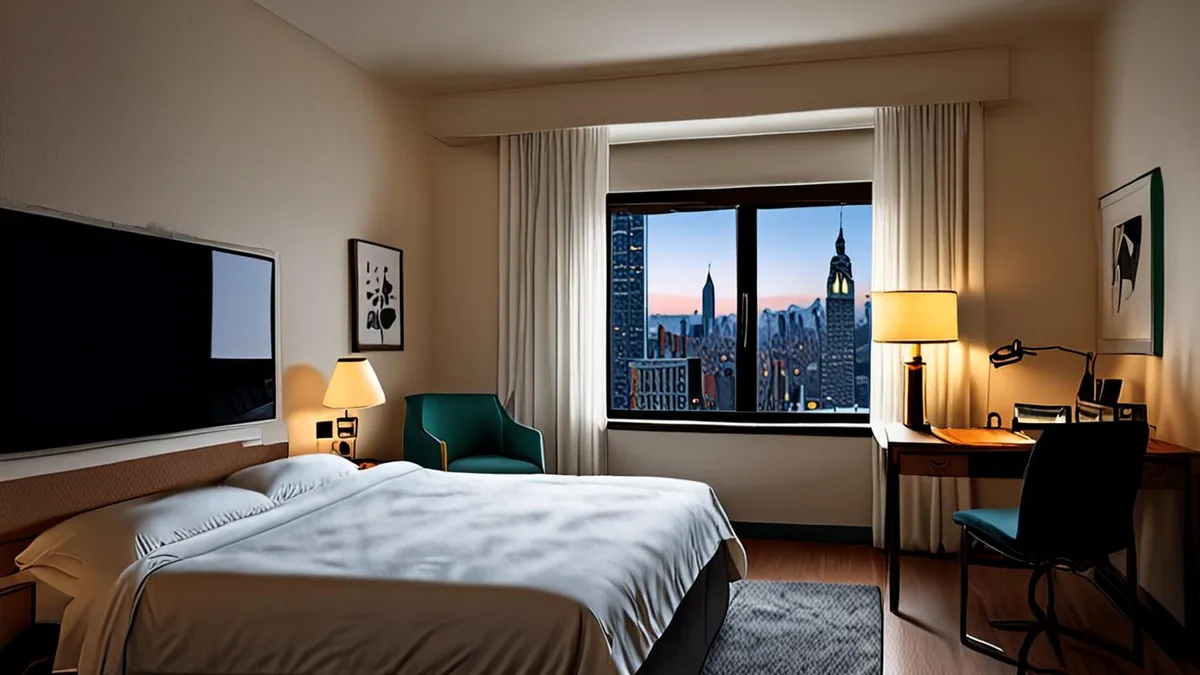
Choosing a View That Is Worth the Upgrade
A view can transform a hotel stay, but it comes at a price. View categories such as city, garden or ocean typically add $30-100 per night depending on the destination, so it pays to decide deliberately whether that premium fits your plans. In many city hotels, high-floor view rooms also cost 10-20% more than their standard-floor equivalents, which adds up quickly over a week-long stay.
Verify what the view actually looks at
Before paying for any view upgrade, ask a direct question: does the view face the attraction itself, or does it face a parking lot or side street with a sliver of the attraction visible at an angle? Hotels sometimes market an “ocean view” that requires leaning over the balcony to see water, while a “seafront” room looks straight out at the beach. The difference in experience, and sometimes in price, is significant. Guest photos in recent reviews are often the most honest source here.
Also weigh the premium against how much time you will actually spend in the room. On a beach vacation where you linger on the balcony with morning coffee, a view may be the best money you spend. On a city break where you are out sightseeing twelve hours a day, a dark window at midnight delivers little value. Be honest about your travel style, and remember that views are never guaranteed to be unobstructed forever; construction can change a scene, so check recent reviews if that is a concern. If the numbers work and you will genuinely use it, book the view. If not, put that budget toward a better location or a longer stay.
Layout Tips for Comfort and Function
Photos can make even a cramped room look airy, so the real test is how the space is arranged. A room can be a decent size and still feel awkward if the bed sits directly across from the bathroom door or the only open wall is taken up by the wardrobe. Before you book, study the layout photos carefully and imagine walking from the door to the bed with a suitcase in hand.
Three features separate a comfortable room from a frustrating one: a distinct sleeping zone, somewhere real to sit and work, and a spot for your luggage that does not block the path to the bathroom. If the desk is a tiny shelf bolted to the wall, or the only “table” is the bed itself, plan accordingly. Travelers who work on the road should pay special attention here, since a proper workspace is rare in budget properties.
- Separate sleeping zone: a half-wall, curtain or partition between bed and living area helps if one person sleeps while the other reads or watches TV, a common setup in studio-style rooms.
- Real desk or table: look for a full-height surface with a chair you can actually pull up to, not just a vanity ledge, so laptops and meals both have a home.
- Luggage space: a rack or bench placed against a wall keeps bags out of the walkway, which matters most in narrow European-style rooms where two open suitcases can fill the floor.
- Bathroom setup: walk-in showers suit older travelers and anyone with limited mobility better than tubs, while families with small children often prefer a tub for bath time, so check the listing photos before assuming.
- Corner rooms: these usually give you windows on two sides and a smarter furniture arrangement, which makes the same square footage feel noticeably larger.
If any of these details are unclear from the photos, it is fair to email the hotel and ask. Most front desk teams will happily describe the room type you are considering, and the answer tells you a lot about how the property treats its guests.
Location Within the Hotel: Floor and Noise
Two rooms with identical floor plans can feel completely different depending on where they sit in the building. A room beside the elevator gets the rumble of luggage carts all night, and a room over the kitchen hears deliveries starting before dawn. Choosing your position within the hotel is often free, and it can matter more than any upgrade you pay for.
As a general rule, aim for a room above the 4th floor and away from the elevators, ice machines and service areas. Higher placement reduces street and hallway noise, and distance from the elevator bank means fewer late-night conversations outside your door. Ask the front desk where the ice machines and housekeeping closets are located; they are usually happy to point you to the quiet side of the building.
Beach Resorts Versus City Stays
The ideal floor depends on your destination. At a beach resort, a lower floor often makes sense because you are stepping out to the pool or sand all day, and garden views from ground level can be lovely. In a city, the calculation flips: street noise, traffic and nightlife carry upward, so a higher floor is usually the better investment for a good night’s sleep. This is especially true in busy downtown areas, and if you are still deciding on a destination, our guide to city hotels across America covers what to expect in major urban markets.
Put Your Preference on Record
Whatever you decide, request a quiet side away from the pool, the bar and the main road at the time of booking, not after you arrive. Pool areas stay loud into the evening, and even a well-soundproofed room suffers if the bar’s patio sits below your window. A one-line note on your reservation costs nothing and gives the front desk a chance to assign you well.
Making Requests and Timing Your Booking
A great room is often won before you ever reach the front desk. Hotels allocate specific rooms days in advance, so travelers who state their preferences early and follow up at the right moments consistently end up in better rooms than those who simply hope for the best. The good news is that the whole process takes about ten minutes of your time, spread across a few small actions.
- Add preferences to your reservation notes. When booking online, use the special requests field to note your preferred floor, quiet side, bed configuration and any accessibility needs. Reservations teams read these notes during room allocation, so specificity pays off. “Quiet room away from the elevator” works far better than a vague “if possible, something nice.”
- Call the hotel 48-72 hours before arrival. This window matters because requesting a specific room type this close to check-in improves your upgrade chances. By then, the front office knows exactly which rooms are still unassigned and can hold one for you. Ask for the person handling room assignments rather than the general reservation line if you can.
- Book special room types early. Accessible rooms and connecting rooms are limited, often representing only a small fraction of a hotel’s total room count, and they disappear first. If you need either, reserve at the moment you book rather than treating it as a request to sort out later.
- Follow up politely at check-in. Mention your preference again when you arrive. Front desk staff often have flexibility at that moment, especially for floor or view requests, and a friendly ask frequently succeeds where a demanding one would not.
None of these steps guarantees a particular room, since occupancy and staffing vary every night. But stacking all four gives you the best realistic shot at the room you actually want, and it costs you nothing but a little planning and courtesy. Travelers who do this regularly report it becomes second nature within a couple of trips, and the payoff in comfort can be substantial.
Final Room-Choice Checklist
Booking by price and photos alone is how travelers end up disappointed the moment the door swings open. A few minutes of checking the listed square footage, scanning recent reviews and studying the floor plan prevents most of those letdowns before you ever pay.
Keep the essentials in mind: match the room size to your traveler group and trip length, pay for a view only when you will actually enjoy it, and confirm layout, floor and noise details both before and after booking. Do that, and the room you arrive to will match the one you imagined. If this helped you, leave a comment or share the article with a fellow traveler.