You love the idea of waking up to birdsong and mountain air, but the thought of a thin sleeping bag on rocky ground? Not so much. If you’ve heard friends rave about glamping and wondered what is glamping exactly — and whether it’s worth the price — you’re not alone. The concept confuses a lot of first-timers, especially when rates can look closer to a hotel than a campsite.
This beginner’s guide walks you through everything you need to know before booking. We’ll explain the basics, break down the most common accommodation types from safari tents to geodesic domes, and give you a realistic picture of what glamping costs per night. You’ll also learn when to go, how far ahead to book, which amenities to expect, and how to choose the right first stay for your budget and comfort level. By the end, you’ll know exactly whether luxury camping fits your next getaway.
What Is Glamping? The Basics Explained
Glamping — a blend of “glamorous” and “camping” — combines the settings of a traditional campsite with hotel-style comfort. Instead of a sleeping bag on the ground, you get a real bed with linens, a solid structure overhead and, in most upscale units, electricity and lighting. You still fall asleep to crickets and wake up to sunlight through canvas, but you do it from a proper mattress.
How it differs from traditional camping
The biggest difference is what you pack: nothing. Unlike traditional camping, you bring no gear at all. The tent, dome or cabin is fully set up on arrival, usually with furniture, bedding and often a small kitchen or coffee setup inside. There’s no wrestling with poles in the dark or driving home with a soggy tent in the trunk.
The word itself is younger than the experience. The term dates to the early 2000s, when hotels and tour operators started marketing the concept under a catchy name. But safari tents and yurts have offered luxury lodging for decades, particularly on African safaris and in Central Asian nomadic traditions. What’s new is the accessibility — you can now find glamping sites within a few hours’ drive of most major cities, ranging from rustic canvas setups to domes with private hot tubs.
Common Glamping Accommodation Types
Glamping isn’t one type of lodging — it’s a family of them, and the differences matter more than you might expect. A canvas safari tent in July feels very different from a geodesic dome in November, and choosing the right unit for the season and your comfort expectations is half the booking battle. The unit you pick also shapes who can stay comfortably: most glamping units sleep 2-4 guests, while family-sized tents and cabins can host 5-6, so check the stated capacity before you book rather than assuming.
The six most common types are yurts, safari tents, domes, treehouses, cabins and Airstream trailers. Each suits different climates, group sizes and comfort levels, so it pays to know what you’re getting before you click “reserve.” Here’s how they compare in practice.
- Safari tents: Large canvas structures raised on wooden decks, usually the most spacious option at any site. Expect standing room throughout, a proper bedroom area and often a covered porch where you can watch the sunset without leaving your unit.
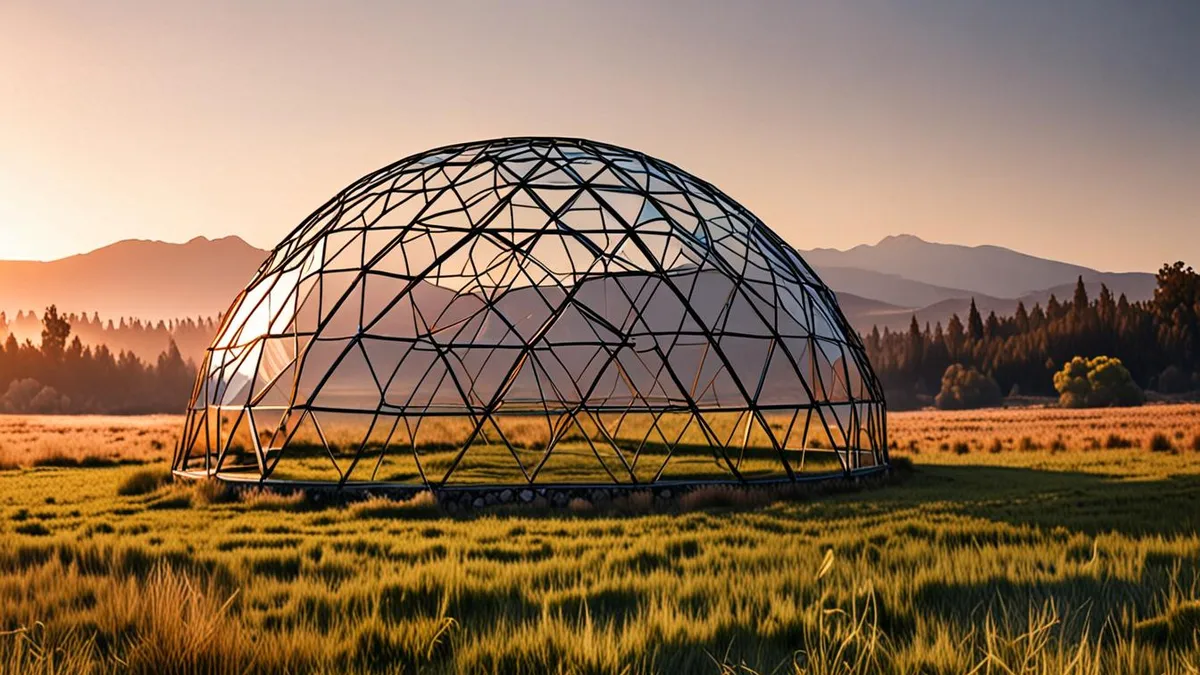
- Geodesic domes: Spherical structures with transparent panels that turn stargazing into a bedside activity. Their insulated construction makes them popular in cooler months, when a canvas tent would feel drafty.
- Yurts: Circular, lattice-walled tents derived from Central Asian designs. Their round shape feels surprisingly roomy, and the solid frame handles wind better than most canvas options.
- Treehouses: Elevated builds that add a childhood fantasy to the mix. Access usually means stairs or a ladder, so check the climb if you’re traveling with young kids or limited mobility.
- Cabins and Airstream trailers: Cabins offer the most weatherproof, cabin-in-the-woods experience, while restored Airstreams deliver retro style in a compact footprint — cozy, but best for couples rather than large groups.
When comparing listings, look past the photos and read the unit description closely. Two “tents” at the same site can differ widely in insulation, bedding and floor space, and the cheapest option is rarely the one you’ll enjoy most in bad weather.
What Glamping Costs per Night
Let’s talk numbers, because glamping pricing is where most first-timers get surprised — in both directions. Expect $100-$600 per night depending on unit type and location, with domes and safari tents at the upper end of that range. A basic yurt in a state park sits near the low end, while a cliffside dome with a private hot tub can rival a boutique hotel rate.
How to pay less for the same site
Timing is your biggest lever. Midweek stays often run 20-30% cheaper than weekends at the same site, so a Tuesday-to-Thursday trip can save you a meaningful amount — or let you upgrade to a better unit for the same budget. Location matters too: sites within easy reach of major cities typically command higher rates than ones a further drive out.
Before you book, read the fine print on what’s actually included. Check whether meals, activities and firewood are included or charged separately, because these add-ons can shift your total significantly. Some sites bundle breakfast, kayaks and evening campfires into the rate; others charge for everything from coffee pods to firewood bundles. A quick email to the host before booking usually clears up any ambiguity — and helps you compare sites on a true like-for-like basis.
When to Go Glamping and How Far Ahead to Book
Timing makes a big difference to both price and atmosphere. In the Northern Hemisphere, peak season at most glamping sites runs June through August, when the weather is warmest and demand is highest. If you want quieter trails and more availability, aim for shoulder months like May or September — you often get the same scenery with fewer neighbors.
Booking windows matter just as much as dates. For summer weekends, plan to reserve 3-6 months ahead. The most popular sites — think well-known domes with mountain views or safari tents near national parks — can sell out 6 or more months in advance, so it pays to mark your calendar as soon as you know your travel dates.
Minimum Stays and Weekends
Before you get your heart set on a single night away, check the site’s stay requirements. Many glamping properties require a 2-night minimum on weekends and holidays, which is common in the industry. That rule helps operators justify full turnarounds between guests, but it means spontaneous one-night trips are often limited to midweek dates.
If your schedule is flexible, a midweek arrival is usually the easiest way to book on short notice and often comes with lower rates. Whatever you do, confirm cancellation policies at booking time — weather-dependent trips are the ones most likely to need a change.
What Amenities to Expect at a Glamping Site
The whole point of glamping is that you arrive with nothing but a duffel bag, so amenities are where sites earn their rates. In most upscale units, you can count on a real bed made up with proper linens, working lighting, and some form of heating or cooling so the unit stays comfortable through the night. That baseline alone separates glamping from pitching a tent with an air mattress.
Bathrooms are the biggest dividing line between price tiers. Roughly 60-70% of upscale sites include a private bathroom attached to or near your unit, while budget-friendly sites often rely on shared bathhouse facilities a short walk away. Neither setup is wrong — just know which one you’re booking before you commit.
Beyond the basics, many sites add extras that shape the whole experience:
- Hot tubs and wood-fired saunas — often placed on private decks, these turn a cool evening into part of the stay rather than something to endure.
- Fire pits with supplied firewood — some sites stock wood and kindling daily, while others charge per bundle, so ask when you book.
- On-site dining or breakfast baskets — smaller sites may deliver coffee and pastries to your door, while larger resorts run full restaurants.
- Guided outdoor activities — think guided hikes, kayaking or stargazing sessions led by staff, which can save you planning a full itinerary yourself.
When comparing sites, add up which of these are included in the nightly rate versus charged separately. Two similarly priced stays can feel very different once meals and activities are factored in.
How to Choose Your First Glamping Stay
Your first glamping trip goes smoothly when you match three things: the season, the unit type, and your own comfort expectations. Start with the weather. Domes and cabins handle cold weather well, since they insulate better and usually come with proper heating. Safari tents, with their canvas walls and open airflow, suit warm months best — booking one for a chilly shoulder-season night is a common first-timer mistake.
Remote Escape or Resort Comfort?
Next, decide how connected you want to be. Remote sites with no Wi-Fi deliver the true off-grid feeling, but you’ll need to bring your own entertainment and be honest about whether you can live without streaming for a few nights. Resort-style sites sit near restaurants and trails, so you can spend the day outdoors and still grab a good dinner without driving anywhere. Neither is better — it depends on whether you’re unplugging or using the unit as a comfortable base camp.
Finally, do your homework in the reviews before booking. Recent guest comments reveal things property photos never will: how clean the unit actually is, whether the heating keeps up on cold nights, and how much noise carries between neighboring units. Pay special attention to reviews from the same season you plan to visit, since a dome that feels cozy in October may be stuffy in July. Ten minutes of reading is the cheapest insurance you’ll buy for the whole trip.
Glamping at a Glance
So, what is glamping? In short, it is the outdoor escape of camping without any of the discomforts. Your tent, dome or cabin is already set up when you arrive, with a real bed and hotel-style comforts inside. No gear to pack, no ground to sleep on, no assembly required in the dark.
On the practical side, expect rates of $100-$600 per night depending on the unit type and location, and plan for summer weekends well ahead — booking 3-6 months out is the norm, and the most popular sites fill up 6+ months in advance. The real key to a great first trip is matching the unit type and amenity level to your season and comfort needs. If this guide helped you picture your first glamping trip, leave a comment or share it with a friend who needs a proper night’s sleep outdoors.