Booking a lodge for the first time can be surprisingly confusing. Many travelers assume their room rate covers everything, only to discover at check-in that guided hikes cost extra, dinner is a set menu at a fixed hour, and the Wi-Fi barely loads a webpage. Understanding lodge amenities before you book is the easiest way to avoid surprise costs and a stay that doesn’t match what you pictured.
This guide walks you through what a typical lodge stay actually looks like. We’ll cover the rooms and shared facilities you can realistically expect, how meals and dining work, what guided activities cost and how they’re priced, the daily rhythm of lodge life, plus practical advice on booking, budgeting and packing. We’ll also help you choose the right lodge for your trip and wrap up with the key takeaways, so you can compare properties with confidence and know exactly what you’re paying for.
Room Types and Lodge Amenities You Can Expect
Lodge rooms are simple but comfortable, and knowing that upfront helps you set the right expectations. Most rooms come with an en-suite bathroom, heating for colder regions or fans for warmer ones, and basic storage for your gear. What you won’t usually find is an in-room kitchen or cooking facilities; lodges are built around a communal dining hall rather than self-catering, so plan your meals accordingly.
Shared spaces are where lodges shine
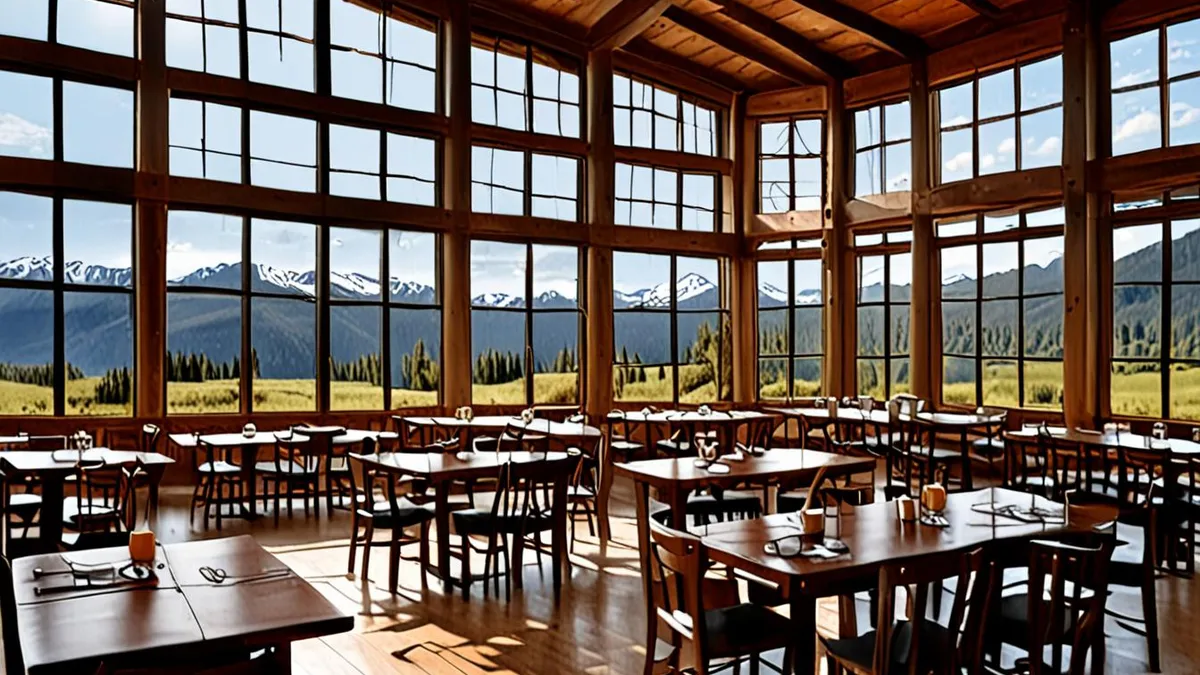
The heart of any lodge is its common area. Expect a lounge, often with a fireplace, where guests gather before and after dinner, plus a dining hall and a deck or terrace for taking in the view. Some properties add a hot tub or a small pool, which feels especially good after a long day on the trails. These shared spaces are also where you’ll meet fellow travelers, so they do a lot of the social work on a lodge stay.
Power, Wi-Fi and housekeeping
Remote lodges often run on limited power or satellite Wi-Fi, so expect slower internet than you’d get at a city hotel. If you need to work or stream, download what you need in advance and treat connectivity as a bonus rather than a given. Housekeeping is typically daily, though some wilderness lodges service rooms every second day. If a fresh towel supply matters to you, it’s a reasonable question to ask when booking rather than an assumption to make on arrival.
Meals and Dining at a Lodge
Good news first: breakfast is almost always included in your room rate, no matter how basic or upscale the lodge. At remote wilderness lodges, it gets even better for planners. Full-board, meaning all three meals, is commonly offered, and dinner is usually a set menu rather than a long à la carte list. That keeps the kitchen manageable in isolated locations and gives you one less decision to make each evening.
Fixed times and communal tables
Meals are typically served at fixed times in a communal dining hall, often with one or two seating windows for dinner. If you’re used to eating whenever you like, this takes some adjustment. Arrive within the seating window, expect to share tables or at least a room with other guests, and let staff know in advance if you’ll be late or skipping a meal because of an activity. The upside is that communal dinners are often the most memorable part of a lodge stay, swapping trail stories with travelers you met that morning.
Dietary needs and drinks
If you’re vegetarian, vegan or gluten-free, request this at booking, not on arrival. Remote kitchens order supplies ahead, so a last-minute request may leave you with slim options. Alcohol varies widely by lodge: it may be included in your rate, billed separately to your room, or subject to a bring-your-own policy depending on the lodge’s license and location. Check this before you pack, since a BYO lodge in a dry or remote area can leave you without a drink if you assumed otherwise.
Guided Activities and How They Are Priced
Activities are usually the reason you book a lodge in the first place, and the most common options are hiking, wildlife watching, canoeing and winter sports. Most of these are guided, which is one of the real advantages of a lodge: local guides know where animals are active, which trails are worthwhile and how to keep you safe on the water or snow.
What guided excursions cost
Unless activities are bundled into your package, expect to pay roughly $50-$150 per person per guided excursion. That range varies with the activity, its length and how remote the lodge is, so ask for a current activity price list before you book rather than after you arrive. If you plan to do an excursion every day, those add-ons can add up quickly, and a package that includes activities may work out cheaper. Some lodges, such as those featured in Amazon rainforest lodges for wildlife travel, build guided outings into their core offering, which makes comparing packages much easier.
Free options and seasonal timing
The good news is that many lodges offer free self-guided options. Marked hiking trails on the property, kayaks you can take out on your own, and board games or books in the lounge cost nothing and fill the gaps between paid excursions nicely. One thing to confirm at booking: which activities are seasonal. Wildlife sightings and ski-based outings depend heavily on the time of year, so if a specific experience is the reason for your trip, make sure it runs during your travel dates before you commit.
Daily Schedule and Lodge Rhythm
Arrival and departure times at most lodges follow a familiar pattern. Check-in is typically 3-4 pm and check-out 10-11 am. If your flight or bus gets in early, most lodges will store your luggage and let you use the lounge or terrace while a room is prepared, so you rarely lose a full day.
Once you are settled, the days tend to fall into a comfortable rhythm. Breakfast is usually served early, followed by a guided activity such as a hike or wildlife outing. Lunch comes midday, then a stretch of free time for reading, napping or exploring on your own. Dinner is commonly served around 7 pm, and many guests turn in early to be ready for the next morning.
How social will it feel?
That depends partly on size. Many lodges cap occupancy at 20-60 guests, which keeps common areas peaceful but makes mealtimes surprisingly social. With one dining hall and shared tables, you will often end up comparing notes on the day’s sightings with people you met an hour earlier.
Evenings are the quiet counterpart. There is rarely entertainment or noise after dinner, so expect conversation by the fire, a board game or an early night. If you want livelier evenings, a larger resort-style property may suit you better than a small lodge.
Booking, Budgeting and What to Pack
The biggest booking mistake is waiting too long. For peak season, which runs June-August in the Northern Hemisphere, book popular lodges 3-6 months ahead. This secures your room and, just as importantly, spots on guided excursions that fill up quickly. If you are considering a remote wilderness stay, this guide to wilderness lodges in Canada shows how quickly remote properties book out.
Budgeting is easier once you know the typical range. Expect roughly $120-$400 per night at standard lodges, with luxury properties starting at $500+ per night. Guided activities are often billed on top, so add those to your total before you commit.
One detail trips up many travelers: what the rate actually includes. Before comparing prices, confirm whether each rate is room-only, half-board or full-board. A cheaper room-only rate can end up costing more once you pay for dinner and lunch at the lodge, especially where there is no alternative nearby.
What to pack
Remote lodges may have no shop on site and limited card payment options, so pack with that in mind. Beyond clothing, bring these essentials:
- Layers — temperatures can swing widely between morning activities and dinner, even in summer.
- Sturdy shoes — trails around lodges are often gravel or mud, so sandals will not cut it.
- A headlamp — paths between cabins and the dining hall are frequently unlit.
- Cash — useful for tips, small purchases or lodges where card machines are unreliable.
Choosing the Right Lodge for Your Trip
The best lodge for you depends on what you want from the trip. If your days will be spent on trails, pick a hiking-focused lodge positioned near marked routes, ideally one that offers early breakfasts and packed lunches. If you want a quiet weekend, a lakefront lodge gives you water views, kayaks and very little pressure to do anything at all.
Traveling with children? Look specifically for family lodges. These typically offer flexible meal times, connecting rooms or family cabins, and activities pitched at different ages. You can compare options in this roundup of lodges in the Americas for families and groups.
Reviews, capacity and pace
Before booking, scan recent guest reviews with two things in mind: meal quality and Wi-Fi reliability. These are the two most common complaints about lodges, and both matter far more over a multi-night stay than a stylish lobby photo suggests. Pay attention to reviews from the same season you plan to visit, since a lodge can feel very different in heavy rain or deep snow.
Finally, check the guest capacity and the published activity calendar. A 25-guest lodge runs at a gentler, more personal pace than a 60-guest property, and a calendar heavy on guided outings suits active couples and groups, while one with long free stretches suits families who need downtime. Matching the pace to your party is what turns a good lodge stay into a great one.
Wrapping Up Your Lodge Stay
A lodge stay is easy to love once you know what you’re signing up for: simple rooms, communal meals, and a mix of guided or free activities that follow a set daily rhythm. Breakfast is standard almost everywhere, full-board is common at remote wilderness lodges, and guided excursions usually add $50-$150 per person unless they’re bundled into your package. Knowing these basics ahead of time is what separates a smooth stay from a string of surprise costs.
The two habits that matter most are booking 3-6 months ahead for peak season and matching the lodge type to your travel goal, whether that’s hiking, a quiet lakefront weekend or a family trip. Do that, and your expectations and your bill should line up nicely. Have a lodge stay tip or question of your own? Leave a comment below or share this article with a fellow traveler.