Both promise overwater-daydream Pacific holidays, but Fiji and the Cook Islands deliver very different trips at very different prices. The Fiji vs Cook islands resorts question comes down to what kind of traveler you are: one offers a sprawling multi-island playground with everything from backpacker dorms to five-star enclaves, while the other keeps things small, quiet and centered on two unforgettable islands.
In this guide, we break down the core difference between the two destinations, what you can expect to pay, when to go and how far ahead to book, how the flights and transfers actually work, and who each destination fits best. We also compare stay types, from family bures to self-catering villas, so you can match your budget and travel style to the right patch of Pacific before you spend a dime.
Fiji vs Cook Islands Resorts: The Core Difference
Fiji and the Cook Islands both deliver that postcard Pacific fantasy, but they are built on completely different resort models. Fiji is a multi-island resort scene with hundreds of properties spread across the Mamanuca and Yasawa groups, plus options on the mainland and beyond. On one island you might find a lively backpacker beach bar; on the next, a five-star enclave where staff arrive by boat with your champagne. With over 300 islands in the country, variety is the whole point.
The Cook Islands: two islands, one simple plan
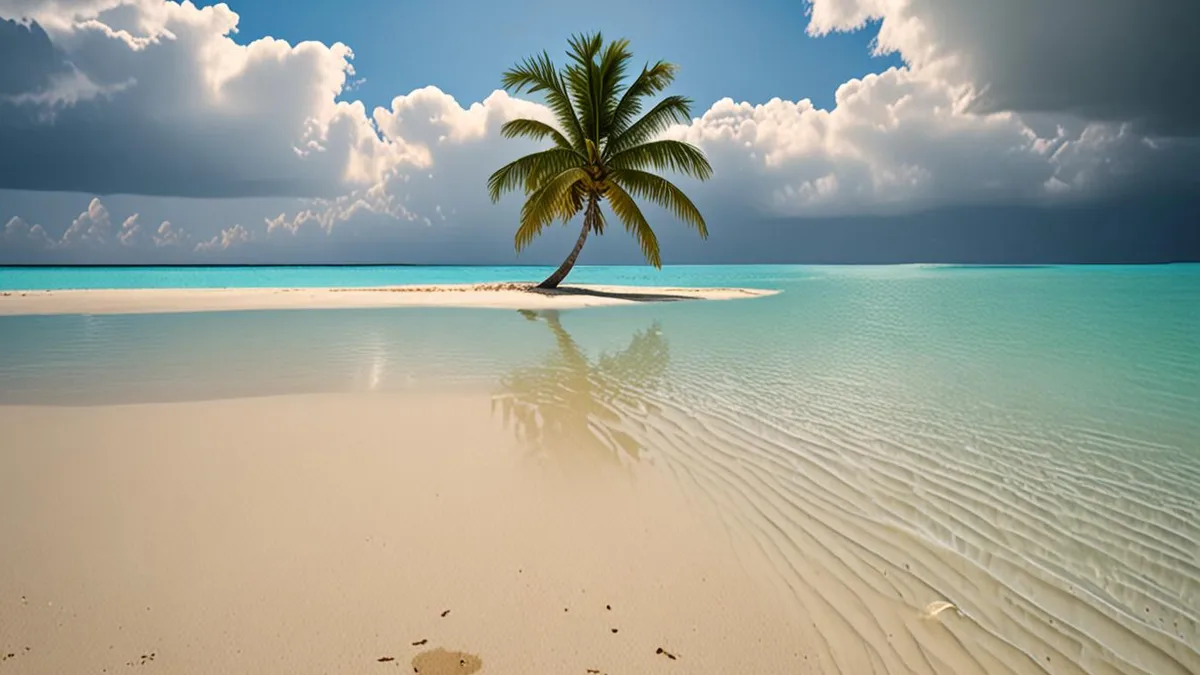
The Cook Islands take the opposite approach. Visitor accommodation centers on just two islands: Rarotonga, where most beachfront resorts sit along the coast, and Aitutaki, home to one of the most beautiful lagoons in the South Pacific. The resort pool is much smaller and quieter, and that is exactly the appeal for many travelers.
So which model fits you? If you want variety and island-hopping, hopping between Mamanuca and Yasawa resorts by boat or small plane, Fiji is your match. If you would rather unpack once, settle into one relaxed base and keep logistics to a bare minimum, the Cook Islands will feel like a weight lifted.
Costs and Budget Expectations
Let’s talk numbers. Mid-range Fiji resort rooms typically cost 150-350 USD per night, while comparable Cook Islands stays run 180-400 USD. On paper the gap looks modest, but your total trip cost depends heavily on how you travel within each destination and how you eat.
Where the Cook Islands cost more
Dining and transfers in the Cook Islands often cost more than you might expect, because nearly everything is imported to Rarotonga. Restaurant meals add up quickly, which is one reason many travelers choose villas with kitchens and shop at local markets. Airport transfers and lagoon tours also tend to be priced at a premium on smaller islands.
Timing your trip to save
Fiji’s wet season, running from November to April, brings noticeably lower rates compared to high-season pricing on both island groups. You trade some humidity and rain showers for serious savings, and many resorts run deals during these months. If your dates are flexible and you don’t mind the odd downpour, the shoulder into wet season can stretch your resort budget considerably further than a peak dry-season booking.
When to Go and How Far Ahead to Book
Both destinations share a dry season from May to October, and it’s the best window for calm lagoons and clear diving visibility. Seas are gentler for boat transfers in Fiji, and the famous Aitutaki lagoon shows its best colors under dry-season skies. This is also when everyone else wants to travel, so availability tightens fast.
How far ahead to book
Plan to book 4-6 months ahead for dry-season dates, and earlier if you can. This matters most for Aitutaki, where lagoon resorts have limited room counts and the best beachfront spots sell out well before peak months arrive. In Fiji, the sheer number of properties gives you more fallback options, but popular family resorts and overwater-style stays still fill early. Our guide to when to book resorts for lower rates walks through the timing in more detail.
The shoulder-month trick
Shoulder months like May and late October can trim rates while keeping mostly dry weather. You catch the edges of the dry season: fewer crowds, softer prices, and conditions that are usually still excellent for swimming and snorkeling. If your dates flex by a week or two, shifting to a shoulder month is the easiest saving you’ll make on either destination.
Getting There and Getting Around
Most international visitors to Fiji arrive at Nadi on the country’s west coast, and the resort islands sit just offshore. From Nadi, you typically take a boat transfer of around 1-2 hours to reach Mamanuca or Yasawa resorts, or hop on a short domestic flight for the more distant Yasawa properties. Some resorts arrange their own transfers, so confirm the logistics before you book rather than assuming a shuttle will be waiting.
The Cook Islands work differently. Rarotonga is most commonly reached via Auckland, though there is also a roughly 3-hour flight from Nadi, which makes a Fiji-and-Cooks combination trip surprisingly practical. Once you land, getting around is about as easy as Pacific travel gets.
Self-driving on Rarotonga
Rarotonga is roughly 11 km across and ringed by a single coastal road, so self-driving is simple and hard to mess up. You can circle the entire island in well under an hour, stopping at beaches, snack shops and lookouts as you go. You will need a local visitor’s license or permit to drive, so check the current requirements with your rental operator before arrival.
If Aitutaki is on your list, plan for a domestic hop from Rarotonga of about 50 minutes. Flights are small and seats fill up, especially in dry season, so book that leg at the same time as your international tickets.
Who Each Destination Fits Best
Fiji has earned its reputation as one of the Pacific’s most family-friendly destinations, and the resort scene reflects it. Many properties cater specifically to parents, with supervised kids’ clubs, family bures that sleep four or more, and package-style meal plans that make budgeting for a group far easier. Larger resorts often run daily activity schedules, so children stay entertained while adults get actual downtime.
The Cook Islands appeal to a different crowd. The pace is slower, the beaches are uncrowded, and the resort pool is small by design. Couples and honeymooners dominate here, particularly on Aitutaki, where the lagoon setting delivers the kind of barefoot romance that larger destinations struggle to replicate.
Underwater, the two destinations split the honors. Fiji’s soft-coral reefs are legendary among divers and offer far more variety of sites and marine life, while the Cook Islands trade reef diversity for water that is shallower, calmer and easier to swim in, especially inside Aitutaki’s lagoon.
- Families with young kids: look for Fiji resorts with dedicated kids’ clubs and nanny services, common in the Mamanuca group, so meal times and nap schedules don’t derail the whole trip.
- Groups of friends: Fiji’s island-hopping model lets a group split up for a day, with some members diving while others take a boat to a neighboring island, then reconvene for dinner.
- Honeymooners: Aitutaki’s small lagoon-side properties often include private picnic setups on motu islets, a signature Cook Islands experience you won’t find in Fiji’s busier resort zones.
- First-time snorkelers: the Cook Islands’ calm, shallow lagoons let beginners float over coral without currents or boat trips, while Fiji’s better snorkeling generally requires a boat excursion.
Choosing Your Stay Type
In Fiji, your choice of stay type matters more than almost any other budget decision. The range is enormous, spanning backpacker island dorms on the cheap end through overwater-style luxury bures at the top. Two travelers could sit on beaches a few kilometers apart and pay wildly different nightly rates for very different experiences, so define your comfort level before you start comparing properties.
The Cook Islands take a more uniform approach. Accommodation leans toward self-contained villas and small beachfront motels rather than large all-inclusive compounds, so most visitors handle their own meals and transport. That keeps the character intimate, but it also means fewer one-stop packages to hide behind.
Meal plans versus self-catering
Before you book, run the numbers on food. Fiji’s all-inclusive meal plans can be excellent value on remote islands where restaurants are scarce, but they lock you into set pricing whether you eat everything or not. In Rarotonga, self-catering from local markets and small eateries often costs noticeably less, since you can skip resort restaurant prices entirely. If you’re weighing this decision, our guide to all-inclusive versus a la carte resorts breaks down when a meal plan actually pays off.
One practical tip: in the Cooks, check whether your villa includes a kitchen and whether a car rental is bundled, since those two factors shape your daily spending more than the room rate itself. In Fiji, ask exactly what a meal plan covers, including drinks and children’s portions, before signing up.
Wrapping Up Your Pacific Choice
So, which Pacific trip fits you best? If you picture variety, family-friendly facilities and the freedom to hop between more than 300 islands, Fiji delivers that kind of holiday. If your daydream is quieter, built around uncrowded beaches and the famous lagoon beauty of a simple two-island plan, the Cook Islands are the better match.
Timing works in your favor either way, since the two destinations enjoy the same stretch of dry, sunny months from May to October. That means the real decision comes down to travel style rather than weather windows. Decide what kind of Pacific trip you want first, then let that choice pick the islands for you. If this helped you weigh up Fiji vs the Cook Islands, leave a comment or share this article with a fellow traveler.