Resort marketing photos make infinity pools and swim-up bars look effortless: a glassy edge melting into the ocean, a bartender handing you a cocktail without leaving the water. In reality, many guests arrive unsure what these features actually include, how deep the water is, who is allowed to use them, and whether they will cost extra once you are on site.
This guide walks through what each feature really is, where they are most common, the access rules resorts rarely advertise, and how both affect your bill. We will also help you decide whether the pool experience you want justifies the price premium, and how to book the right room category so the showpiece pool is actually open to you.
What an Infinity Pool Actually Is
The “vanishing edge” that makes infinity pools so photogenic is a design trick, not magic. One wall of the pool is built slightly lower than the others, and water flows continuously over that edge into a catch basin below, where pumps send it back into the pool. From the right angle, the boundary disappears and the water seems to merge with the sea, the sky, or the cliffside below.
Depth and purpose
Here is what the photos do not show: most infinity pools are 3-6 feet (0.9-1.8 m) deep. They are built for lounging, wading, and taking pictures, not for swimming laps or diving. If your idea of a pool vacation involves actual exercise or a proper deep end, check the depth and layout before you book, because the infinity edge may be the only pool on the property.
Position matters more than size
A large infinity pool in the wrong spot delivers none of the drama. The horizon effect depends entirely on placement: cliffside and oceanfront pools sit at exactly the right height for the waterline to blend into the view behind them. Rooftop versions are the trade-off in reverse. They usually give up the seamless horizon in exchange for privacy, sunset views over a city or hills, and often a quieter, adults-leaning atmosphere. When comparing resorts, ask where the pool sits relative to the view rather than how many meters long it is. A modest pool perched on a cliff edge will photograph and feel better than a sprawling one set back behind a row of palm trees.
How Swim-Up Bars Work in Practice
A swim-up bar sounds simple: a bar counter built at the edge of the pool, with seats in the water. In practice, you sit on submerged stools in water that is usually 3-4 feet (0.9-1.2 m) deep, and order across a counter that keeps the bartender dry on the other side. The setup works well for long, social afternoons, but a few practical details are worth knowing before you commit a vacation day to it.
Hours and what happens after
Most swim-up bars operate roughly 10 am-6 pm, which is shorter than the pool’s full opening hours. Outside those times, you can typically still swim and order regular pool service from roaming staff, but there is no bartender in the water-side window. If you picture sunset cocktails from a submerged stool, confirm the bar’s actual closing time with the resort rather than assuming it runs all evening.
The real downsides, and easy fixes
Two annoyances come up again and again in guest reviews. First, waterlogged phones: between splashing, wet hands, and the temptation to take photos from the water, unprotected devices rarely survive the week. A simple waterproof pouch worn around your neck solves this for a few dollars. Second, slippery submerged floors. Months of wet feet turn the pool surface around the bar into a slick zone, so water shoes or grippy sandals make getting in and out much safer. Pack both; they take almost no space in your bag and remove the two most common complaints about swim-up bars entirely.
One more thing to factor in: what you will actually pay for those drinks varies a lot by resort type, and it is easy to get surprised by charges you did not expect. Our guide to what resort fees really cover and how to budget for them breaks down the costs that tend to appear on the final bill.
Where You’ll Find Infinity Pools and Swim-Up Bars
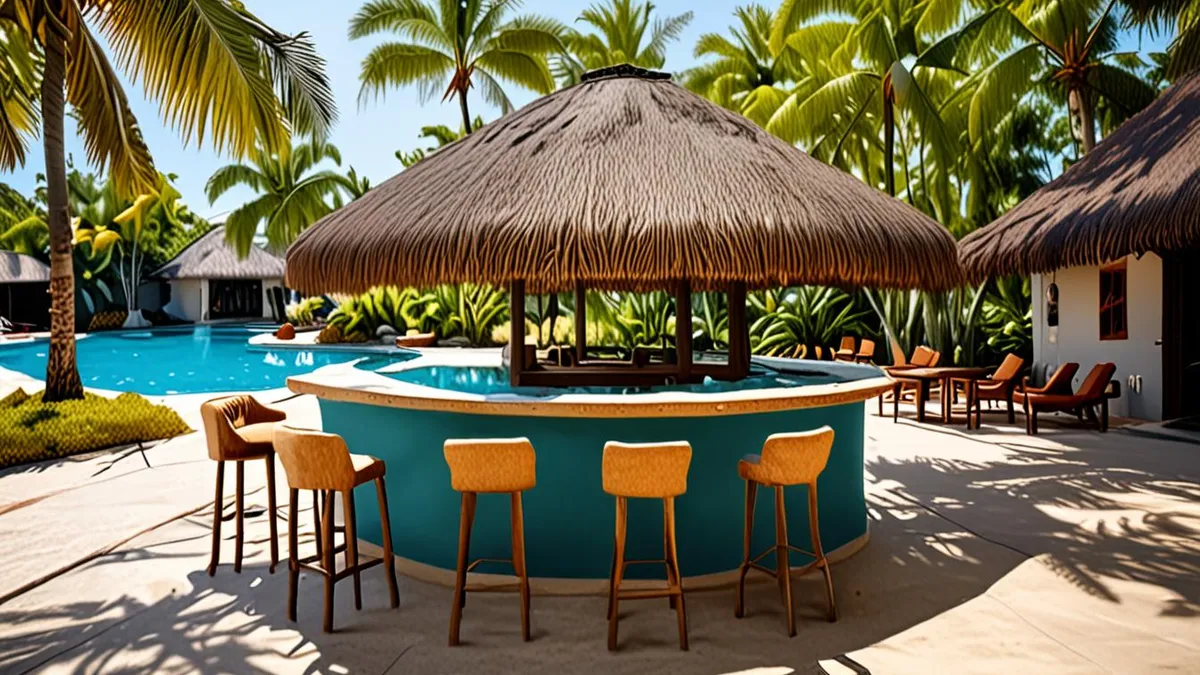
Neither feature is evenly distributed across the resort world, and knowing where each one tends to appear can save you from booking the wrong property. Infinity pools cluster at cliffside and beachfront properties in destinations like Bali, Santorini and the Caribbean, where the natural terrain does the visual work for the designer. Swim-up bars follow a different pattern: they are a signature of all-inclusive and adults-only resorts, especially in Mexico and the Caribbean, while many family resorts skip them entirely, partly because of the supervision and age-restriction issues that come with an in-water bar.
The pricing consequence is real, and it is worth thinking through before you commit. Resorts offering both features typically charge 20-50% more than comparable standard-pool properties, so it pays to know which feature actually matters for your trip before you pay the premium. A couple chasing sunset views may get everything they need from a well-placed infinity edge, while a social group will use a swim-up bar far more. If you are weighing an all-inclusive stay against a pay-as-you-go property, our comparison of all-inclusive versus a la carte resorts covers how that choice changes your total costs.
- Bali’s cliffside and beachfront clubs often pair a single infinity edge with a day-club model, where non-guests can buy day passes, which means the pool you came for may be shared with outside visitors on busy days.
- Santorini’s caldera-view pools are usually small, sometimes just a few meters across, because cliffside building plots are narrow; the view compensates, but do not expect lap-swimming space.
- Maldives overwater and island resorts frequently include a private plunge pool per villa, so the “infinity pool” experience may be yours alone rather than a shared showpiece.
- Mexican and Caribbean all-inclusives often build several swim-up bars across one property, and the busiest ones near the activity pool can be far rowdier than the quieter bars at the adults-only sections of the same resort.
- Adults-only properties treat the swim-up bar as a social anchor with pool games, music and themed afternoons, which is a very different atmosphere from the silent lounging pools marketed to honeymooners.
Access Rules You Should Check Before Booking
That glossy resort photo of an infinity pool may not include you. At many properties, the showpiece pool is reserved for guests in specific room categories, suites or club-level tiers, while everyone else gets the standard pool near the activities desk. If the infinity edge is the reason you picked the resort, confirm that your room type actually includes access before you pay.
Swim-up bars come with their own fine print, and it usually involves children. Because the bar sits in 3-4 feet of water with submerged stools and drinks flowing freely, many resorts treat it as an adults-only zone. Age minimums vary widely, often falling anywhere from 12 to 18+, so families should verify the policy directly with the resort rather than assuming kids can join.
One more check that frequent travelers swear by: ask whether the main pool will be under maintenance during your dates. Low season is when refurbishments are commonly scheduled, and you do not want to discover the star attraction is drained and fenced off.
- Ask whether the “shared” infinity pool has a separate adults-only or suite-only section, since some resorts split one pool into zones with different access rules.
- Request written confirmation of swim-up bar age policies, especially if you are traveling with teenagers who may be old enough at one resort but not another.
- Email the resort a few weeks before arrival to confirm no pool refurbishment is scheduled, and get the answer in writing so you have recourse if plans change.
- If a showpiece pool is restricted, ask what alternative pools your room category includes, since some properties have several pools of very different quality.
What These Features Add to Your Bill
Here is where a dreamy pool setup can quietly inflate your bill. At all-inclusive resorts, swim-up bar drinks are usually covered by your package, which is part of the appeal. But the fine print matters: premium spirits and top-shelf cocktails often cost extra, so that “included” margarita may only apply to the house-brand tequila. Some resorts handle this with a tiered wristband system, while others simply hand you a separate menu for the good stuff. Either way, ask at check-in rather than discovering it mid-vacation.
At a la carte resorts, everything at the bar is priced per drink, and resort pricing tends to run well above what you would pay at a beach bar down the road. Some properties also add minimum-spend requirements for sitting at the swim-up counter. Ask about this when booking, because a minimum spend changes the math on whether the bar is worth your time, especially if your group only wants a quick drink or two.
The other common surcharge is seating itself. Poolside cabanas, daybeds and reserved infinity-pool loungers frequently carry daily rental fees, often in the $50-200 range. On a week-long stay, reserving the same two loungers every day can add a meaningful amount to your total, sometimes rivaling the cost of an extra night. Weigh whether you would actually use the shade and service before committing.
- Check whether premium-brand drinks at all-inclusive resorts require a wristband upgrade or a separate drinks menu, since the tiered system is not always obvious at check-in.
- Ask whether cabana fees include extras like bottled water, a fruit plate or dedicated service, which can make the rental more reasonable for a full day.
- Find out if loungers near the infinity edge are first-come or reservable, because unmarked “reserved” chairs can lock out early risers at popular properties.
- Confirm whether cabana and daybed fees are charged per day or per half-day, since some resorts split the rental around lunch.
How to Choose a Resort for the Pool Experience You Want
The right pool feature depends entirely on the trip you are taking. Infinity edges are made for couples and view-seekers: people who want a quiet morning coffee with a horizon line and a good photo at sunset. Swim-up bars are made for social stays, which is why they show up mainly at all-inclusive and adults-only resorts, while many family resorts skip them altogether. Match the feature to the mood before you match it to the price.
Check the pool’s real condition before you book
Official renders flatter everything. Before committing, scroll through recent guest photos on review sites and social media to confirm the pool’s actual condition, its true depth and how crowded it gets. Guest shots will show you the cracked tile, the crowded lounger rows and the real water color that the marketing images conveniently omit. Pay attention to photos from the past few months rather than years-old uploads.
Time your booking around the pool you want
At pool-focused resorts, the most desirable pool-view and swim-up room categories sell out first for high-season dates, often well before the standard rooms do. Booking 3-6 months ahead gives you a realistic shot at those categories instead of settling for a garden view after the fact. If you want more guidance on timing your reservation, our guide to booking resorts at the right moment breaks down how far ahead to plan for different destinations and seasons. The same logic applies to features: the earlier you lock in, the more likely the pool experience you imagined is the one you actually get.
The Bottom Line on Resort Pools
Resort marketing photos promise dramatic infinity edges and swim-up bars, but the reality is more specific. An infinity pool delivers stunning views and photos, yet it is a shallow lounging pool, not a place to swim laps or dive. A swim-up bar is a social hub, but it usually runs limited daytime hours and often carries age restrictions that matter for families.
Both features also affect your budget: expect a noticeable premium over resorts with standard pools, often in the 20-50% range. That extra cost is worth paying only when the pool experience genuinely matches your trip, whether that’s a romantic view or a lively adults-only stay. If these features fit your plans, they can define a vacation; if not, a well-designed standard pool may serve you better. Have you stayed at a resort with one of these pools? Share your experience in the comments or pass this article along to a fellow traveler.