Ask anyone who has stayed at a fjord lodge twice and you’ll hear two different stories. In summer, Norwegian fjord lodges hum with hikers filling up on breakfast before dawn, ferries shuttling back and forth, and daylight that barely fades. Come winter, the same building can feel like a quiet retreat where you watch snow fall on dark water and step outside hoping for aurora. Price, light and access all shift with the season, and most travelers don’t realize how much until they’re already booked.
This guide walks you through what these lodges are actually like, then breaks down each season: the midnight sun and peak prices of summer, the quieter value of May and the autumn months, and the snowy, aurora-friendly winter. We’ll also help you choose between the famous fjord areas, figure out whether a lodge suits your travel style, and pull everything into a simple planning summary so you can lock in dates with confidence.
What Norwegian Fjord Lodges Are Like
Most fjord lodges are small, family-run properties with somewhere between 10 and 30 rooms. You won’t find sprawling lobbies or banquet halls here. Instead, expect timber buildings, warm common areas, and windows framed to catch panoramic views of the fjord or the mountains rising straight up from the water. The owners are often on site, which means recommendations tend to be personal and genuinely local rather than pulled from a brochure.
What’s usually included
A hearty Scandinavian breakfast is standard: breads, cheeses, cured fish, eggs, coffee and often homemade preserves. Many lodges also serve dinner on site or have a solid restaurant within a short drive, which matters more than you’d think once you see how far apart villages can be. A sauna or hot tub is a common perk, perfect after a day on the trail, and free parking is the norm for guests who arrive by car.
Location is the real luxury
The best part of a fjord lodge is often right outside the door. Many sit at the water’s edge, so you can watch ferries and fishing boats glide past from your room. Others are a short walk from ferry docks or hiking trailheads, letting you start your day on foot or by boat without touching the car. Check the exact position on a map before booking, because “fjord view” can mean anything from a front-row seat to a distant glimpse between buildings.
Summer Stays: Midnight Sun and Peak Prices
Summer is when the fjords show off. From mid-June to late August, you get roughly 18-20 hours of daylight, which completely changes how you plan your days. You can finish a full hike, kayak on glassy evening water, and still have light for dinner on the terrace. Many lodges set their terrace tables to catch the late sun, and photographers will love the long golden hours that stretch well past what feels like bedtime.
What peak season costs
The trade-off is price and demand. Expect peak rates of roughly NOK 2,500-3,500 per night, and more for premium view lodges. The rooms with the best fjord panoramas sell out first, often months in advance. If a specific view matters to you, mention it when booking rather than hoping for a lucky assignment at check-in.
Popularity also concentrates in the famous spots. Geiranger and Flåm draw tour groups and cruise passengers in high summer, so trails, viewpoints and village streets can feel busy by mid-morning. The practical fix is simple: book your fjord cruises and your lodge 4-6 months ahead, and start your days early to enjoy the quiet hours. For a step-by-step approach to timing and reservations, this guide on how to book a lodge stay covers costs, seasons and booking tips in detail.
Shoulder Seasons: May and September-October
If you have flexibility in your calendar, the shoulder seasons are where savvy travelers win. May brings waterfalls at full flow, fed by melting snow high on the mountainsides, and rates typically run 20-30% lower than summer peak. The light is still long, the air is crisp, and you get the landscapes without the peak-season crush. It’s also a season when the fjords feel genuinely local: farmers are back in the fields, village cafes reopen after winter, and you can chat with hosts who actually have time to talk. For photographers, the mix of lingering daylight and fresh green slopes is hard to beat.
September and October have their own appeal. The hillsides turn amber and red, tour buses thin out noticeably, and hiking weather usually stays reliable well into autumn. Lodges feel calmer too, with more space in the sauna and easier conversations with the owners over coffee. Berry season lingers in the lowlands, and cooler nights make a hot tub after a day on the trail especially welcome. If you’re weighing seasons across regions, this breakdown of the best time of year to visit lodges by season and region is a useful comparison.
The one caveat: services contract outside summer. Before you book, confirm a few practical details:
- Some smaller lodges close entirely for part of the shoulder period, so verify your exact dates are covered before paying a deposit.
- Ferry and boat services often run reduced schedules outside peak months, which can affect day trips and connections between villages.
- On-site restaurants may operate limited dinner service or closed kitchens in quieter weeks, so ask where you’ll eat if the lodge doesn’t serve.
- Trail conditions can vary in October at higher elevations, so check with your hosts about which routes are still in good shape.
Winter Stays: Snow, Silence and Northern Lights
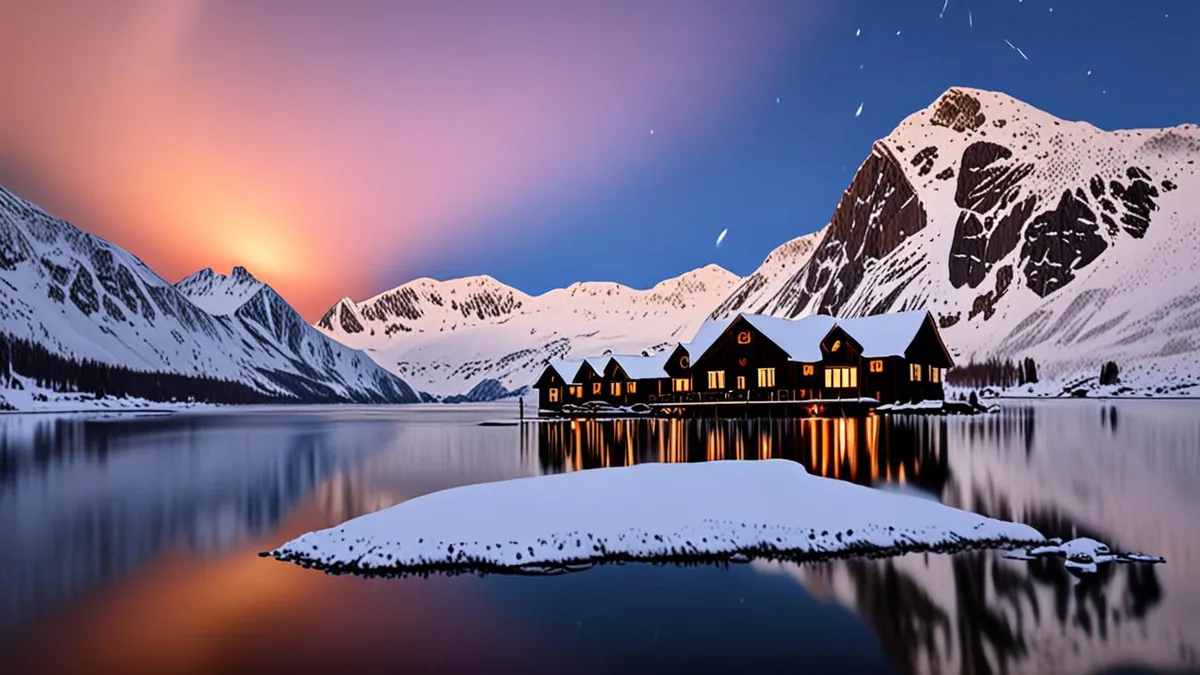
Winter transforms the fjords into a completely different destination. From November through March, the landscape quiets down, snow blankets the peaks, and the long nights become an advantage rather than a drawback. This is the season for travelers who want atmosphere, not activity-packed itineraries.
Chasing the aurora in the north
If seeing the northern lights is your priority, head to northern fjord areas like Lofoten, where the aurora is typically visible from roughly late September to mid-March. Many lodges there are converted fishing stations right on the water, so you can step outside in the evening and watch the sky without driving anywhere. Clear nights matter more than anything else, so plan a stay of several nights rather than one.
Southern fjords for snow and coziness
The southern fjords, such as Hardanger, offer a different winter rhythm: skiing, snowshoeing and short days that end with dinner by the fire at your lodge. Daylight hours are brief, so plan outdoor time for the middle of the day. If you enjoy snowy lodge stays in general, you may also like our guide to Whistler ski lodges for winter holidays for comparison.
Winter brings the lowest rates of the year, which makes it a smart choice for budget-conscious travelers. The catch is that some lodges close entirely or reduce services between November and March. Before booking, confirm that your lodge stays open in winter and that dinner is served on-site, since nearby restaurants may be limited or shut for the season.
Choosing the Right Fjord Area
Norway’s fjords are not interchangeable, and the area you pick shapes your whole trip. Some regions are built around iconic sightseeing and easy transport links, while others reward travelers who want orchards, quiet roads or dramatic winter skies. Here is how the main options compare.
Geiranger and the Flåm/Aurland area are the classic choices. Geiranger delivers the postcard panorama of steep green walls and winding waterfalls, while Flåm and Aurland sit on a transport corridor that makes arrival refreshingly simple: you can reach the area by train and continue by ferry, no car required. These are also the busiest spots, so expect tour groups in summer.
Hardangerfjord sits closer to Bergen and offers a gentler pace. Fruit orchards line the slopes, prices tend to be kinder, and the region works well as a quieter base if you want fjord scenery without the crowds. Lofoten, far to the north, is a different world altogether: sharp peaks rising straight from the sea, tiny fishing villages and some of the best winter aurora conditions in the country.
- Geiranger: the fjord is a UNESCO World Heritage site, and many viewpoints require driving or joining a sightseeing boat, so a lodge with parking helps.
- Flåm/Aurland: the famous steep mountain railway starts here, making it one of the easiest fjord areas to enjoy without renting a car.
- Hardangerfjord: spring brings fruit blossom season, a bonus for photographers that most visitors overlook.
- Lofoten: lodges are often former fishermen’s cabins called rorbuer, giving stays a rustic, waterfront character you won’t find in the southern fjords.
Who a Fjord Lodge Suits Best
Fjord lodges are not luxury resorts with endless facilities, and that is exactly the point. They suit travelers who value location, atmosphere and simplicity over spas and room service. Knowing whether that describes you will save you from booking the wrong kind of trip.
Couples and hikers
If you travel as a couple and spend your days on trails, a fjord lodge is close to ideal. You get a scenic base with dinner on-site or nearby, a hearty breakfast before you set out, and trailheads often within walking distance of your room. After a long hike, the sauna or hot tub that most lodges offer feels earned rather than indulgent.
Families and groups
Multi-generational groups do well here too, provided you choose carefully. Look for lodges with comfortable common rooms where the group can gather in the evening, and check that the surrounding area offers activities at different intensity levels, from gentle shoreline walks to demanding mountain hikes. Smaller properties with only a handful of rooms can feel cramped for large groups, so confirm room configurations before booking.
Travelers without a car should pay extra attention to location. Prioritize lodges within walking distance of ferry stops, or base yourself near the Flåm railway, which connects the fjord region to the national rail network. Distances in Norway look short on a map but take longer than expected, so a lodge near public transport makes a car-free trip far more relaxing.
Wrapping Up Your Fjord Lodge Plan
A fjord lodge is not one experience but four. Norwegian fjord lodges change character with the seasons: midnight sun in summer, aurora in winter, and quiet value in the shoulder months of May and September-October. The same timber building at the water’s edge can mean long hiking days under endless light, or cozy evenings after snowshoeing while the northern lights put on a show.
Your planning checklist is simple. Budget roughly NOK 1,500-3,500 per night for a double room, and book 4-6 months ahead for peak summer stays. Most importantly, match the fjord area and season to your priorities before locking in dates, whether that’s iconic scenery, gentler prices or a chance at the aurora. If this helped you plan your trip, leave a comment or share the article with a fellow traveler.