Sleeping above a turquoise lagoon, with a ladder straight into the water off your private deck, is one of travel’s most seductive ideas. But overwater bungalow resorts are a big step up from a standard beach room, and many travelers book one without fully understanding what they’re getting. What’s actually included in the unit? What does a night really cost once transfers and meals are added? And which trade-offs surprise guests after arrival?
This guide walks through the practical details before you commit. We’ll cover what a typical bungalow includes, how prices compare across the main destinations, the best booking and travel windows, and how French Polynesia, the Maldives, and the Caribbean and Mexico stack up against each other. We’ll also look at the downsides most guests don’t expect, from motion and walkway noise to limited ocean access, and finish with a simple checklist for choosing the right resort for your trip.
What an Overwater Bungalow Actually Includes
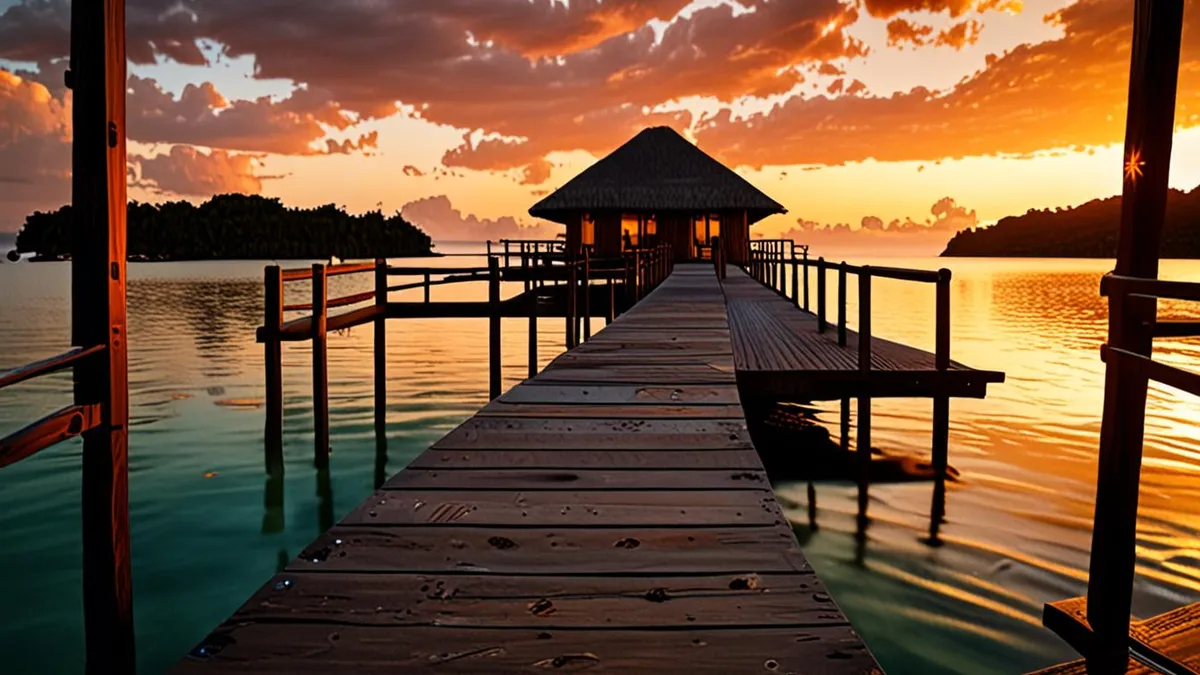
Most overwater bungalows are built on stilts in shallow, protected lagoon water, typically measuring 50-150 square meters and sitting 100-300 meters offshore. You reach them by walking along wooden walkways from the main island, which means your “room with a view” is genuinely separate from the rest of the resort. Small boats, seaplanes or ferries of 10-45 minutes are often needed just to reach the overwater section in the first place, so the sense of seclusion is real.
What you’ll usually find inside and out
The standard setup includes a spacious private deck facing the lagoon, a direct ladder that drops you into the water for swimming or snorkeling, and an outdoor shower. Many units add glass floor panels over the water and a small plunge pool on the deck, especially in higher categories. Interiors tend to follow resort standards: a large bed facing the water, a sitting area, and a bathroom that’s often partially open to the view.
Check the exact unit, not the category name
Here’s where travelers get caught: not every bungalow has every feature. Glass floors and plunge pools are common but not universal, and they often appear only in specific room categories or recently renovated units. Before booking, look at the floor plan and photo gallery for the exact unit type, and if a feature matters to you, confirm it with the resort in writing. A “deluxe overwater” bungalow without a plunge pool can feel very different from the one in the marketing photos.
How Much Overwater Bungalow Resorts Cost
Let’s start with the headline number: overwater bungalows typically cost $600-$1,500 per night in the Maldives and French Polynesia. For comparison, beachfront rooms at the same resorts generally run $300-$700 per night, so you’re paying roughly double for the privilege of sleeping above the lagoon. That premium buys privacy, direct water access and views that beach rooms simply can’t match.
Where prices run lower
The Caribbean and Mexico offer overwater options that often cost less than their Pacific counterparts, partly because the resorts are closer to major airports and the market is younger. Even so, expect a clear premium over beachfront rooms at the same property. The overwater inventory in this region is limited, which keeps rates firm even at the more accessible resorts.
Budget beyond the room rate
The nightly rate is only part of the total. Remote resorts usually charge separately for transfers, and a seaplane or boat ride can add a meaningful amount per person, each way. Meals add up quickly too, especially where there are no dining alternatives off-property, and activities like diving, snorkeling trips and spa treatments are priced at resort levels. Before booking, ask the resort for a realistic estimate of transfers, food and drinks for your length of stay, and check whether a meal plan would actually save you money. A room that looks affordable at $600 a night can easily grow by hundreds more per day once everything else is included.
When to Book and When to Go
Timing matters more for overwater bungalows than for most hotel rooms, simply because the supply is so small. Most resorts have only 5-20 overwater units, so peak-season dates disappear early. A beachfront room might still be available a month out, but the overwater category is often gone long before that. If this style of stay is the centerpiece of your trip, treat the booking like a planned event rather than a spontaneous treat. Here’s a practical sequence for getting the dates and rate you want:
- Pick your dry-season window. The Caribbean and Mexico are most reliable from December to April, while French Polynesia and the Maldives see their best weather from May to October. Choosing the right region for your travel dates is the single biggest factor in how your stay turns out, since a week of wind and rain changes the lagoon experience completely.
- Count how far ahead you need to book. For peak-season dates, plan to reserve 6-12 months in advance. With so few units per resort, waiting until a few months out often means settling for a different category, a different resort, or different dates entirely.
- Consider shoulder months. Traveling just outside the dry-season windows usually brings lower rates with mostly reliable weather. You sacrifice a little certainty for meaningful savings, and many travelers find the trade worthwhile.
- Watch rates and lock in. Prices for these units can move as availability shrinks, so once you’ve chosen your window, book rather than wait for a last-minute deal that may never come.
If you want a deeper framework for timing your reservation, this guide on when to book a resort for lower rates covers the broader strategy in detail. The short version for overwater stays: the calendar is your friend, but only if you use it early. Decide on your region and rough dates first, then check availability at a shortlist of two or three resorts before committing. That way, if your first choice is full, you have a fallback ready instead of starting the search from scratch.
Main Destinations Compared
French Polynesia is where the overwater bungalow concept was born, and it still sets the standard. The lagoons around Bora Bora and Moorea are genuinely dramatic: deep blue water, green volcanic peaks rising straight from the sea, and bungalows lined up along long wooden walkways. It is also the most expensive region, with nightly rates at the top end of the range you will find anywhere in the world.
The Maldives offers the widest selection of resorts and price tiers. You can find everything from large, lively properties to tiny private-island retreats, which makes it easier to match a bungalow to your budget. Transfers are part of the experience here: depending on the resort, you will arrive by seaplane or speedboat from the international airport, often with spectacular views of scattered atolls along the way.
The Caribbean and Mexico trade some of that drama for convenience. Flights from the United States and Canada are much shorter, and a few resorts have added overwater suites in recent years. The selection is far smaller than in the Pacific, though, and hurricane season is a real consideration when you pick your travel dates.
- French Polynesia: many resorts sit on their own small motu, so you may cross a lagoon by boat to reach the main island’s restaurants and shops.
- Maldives: seaplane transfers usually run only in daylight hours, so a late international arrival can mean an overnight near the airport first.
- Caribbean and Mexico: some overwater rooms here are newer additions to existing beach resorts, so you get shared facilities like main pools and multiple restaurants alongside the bungalows.
Whichever region you choose, factor the transfer into your overall plans rather than treating it as an afterthought. A long-haul flight followed by a same-day connection to a remote atoll can leave you exhausted, so some travelers deliberately split the journey with a stopover. Confirm with your resort or operator how transfers are scheduled and booked, since arrangements vary widely and are often bundled into package pricing rather than listed separately.
Trade-Offs Most Guests Don’t Expect
The photos never show the sway. Overwater bungalows move slightly with ocean swells, and while most guests find the gentle motion soothing, a few light sleepers notice it on their first night. If you are sensitive to movement, mention it when booking and ask for a unit in the most sheltered part of the row.
Foot traffic is the other surprise. Your private ladder into the lagoon is yours alone, but the walkway outside your door is shared, and neighbors heading to breakfast or back from the bar pass close by. Sound also carries across open water, so conversations from the next deck can be audible on calm evenings.
The walk to everything
Bungalows typically sit 100-300 meters offshore, which sounds trivial until you are walking it four times a day. Restaurants, the pool and the spa are all on the main island, so a forgotten sunscreen or a spur-of-the-moment dinner means a stroll down the jetty each way. Some resorts offer golf carts or shuttle boats, but many do not, so pack light and keep what you need in the room.
When you cannot just swim out
Direct lagoon access is a headline feature, but it is not guaranteed every day. Shallow reefs can block swimming at low tide, and some resorts raise wind flags when conditions make ladders or kayaks unsafe. Ask how often access is typically restricted at the time of year you plan to travel, and treat water access as a bonus rather than a certainty.
How to Choose the Right Resort for Your Trip
The first question is who is traveling. Couples generally get the most out of overwater sections, which are often designed with privacy in mind: staggered deck layouts, screened entrances and, at some resorts, adult-only policies. Families need to do more homework, because some properties set minimum ages for overwater units or exclude young children from those sections entirely. Confirm the policy in writing before you commit, since it varies widely even within the same destination.
Meal plans deserve close attention. Remote resorts leave you few dining alternatives, so an a la carte setup can push your final bill well beyond what the room rate suggested, while an all-inclusive plan makes costs predictable. If you are weighing the two approaches, our guide to all-inclusive versus a la carte resorts breaks down which type of traveler each suits best.
Finally, map the full journey before booking. Reaching the overwater section usually involves a short hop by small boat, seaplane or ferry from the international airport, and that final leg affects both your budget and your schedule. Some resorts also require you to book their own transfer rather than a taxi or rental, which locks you into their timetable. A late-arriving flight can force an overnight near the airport, so check transfer schedules against your flight times before you pay the deposit.
- Ask about transfer costs per person: some resorts bundle transfers into the rate, others charge separately, and the difference can be substantial for a couple.
- Check where dining venues are located: if restaurants sit on the main island, factor the walkway distance into every meal, especially after dark or in rain.
- Review cancellation terms for peak dates: with only a handful of overwater units at most resorts, flexible-booking options can be limited during high season.
- Compare room orientation: sunrise-facing and sunset-facing units often sit at opposite ends of the walkway, so pick the view that matches your routine.
Wrapping Up Your Overwater Bungalow Plans
Sleeping above the ocean is no longer just a honeymoon fantasy, but it helps to know what you’re signing up for. Overwater bungalow resorts deliver a one-of-a-kind stay at $600-$1,500 per night in top destinations, and that rate usually covers a private deck, direct lagoon access and a setting no beach room can match.
The key checks before you book are simple: confirm exactly which features your unit includes, match your travel dates to the dry season, understand your transfer logistics from the airport, and decide whether a meal plan makes sense for a remote resort. Booked 6-12 months ahead with realistic expectations about motion, walking distances and occasional swim-flag days, the premium over a standard beachfront room is usually worth it. If you’ve stayed in an overwater bungalow or are planning your first trip, share your experience or questions in the comments below.