Here’s an uncomfortable truth about beach vacations: many travelers pay a premium for amenities they barely use. You book an oceanfront room, then spend most of the week at the swim-up bar, or you pick a pool-focused resort and realize too late that the beach is a hot, fifteen-minute trek away. The resort pools vs beach access question is one of the biggest decisions behind your booking, and getting it wrong can mean overpaying by hundreds of dollars.
This guide helps you decide which amenity deserves your money. We’ll look at why the choice matters so much, when a great pool beats the beach, and when direct sand access justifies the premium. You’ll also find advice for matching amenities to your trip style, a realistic breakdown of what each option costs, the questions to ask before you book, and how to find the right balance for your next trip.
Why Resort Pools vs Beach Access Matters When Booking
On paper, both amenities sound appealing, but they behave very differently in practice. A pool is a controlled environment: the water is swimmable regardless of waves, seaweed or weather, and it’s open on your schedule. Beach access, on the other hand, depends entirely on conditions. Red flags, rough surf, a thick mat of sargassum or a rainy morning can turn “steps from the sand” into a view you admire from behind glass.
Families feel the difference most
If you’re traveling with young children, a pool usually wins on pure usage. Toddlers and non-swimmers can splash in shallow water all day without anyone fighting waves or worrying about currents. Most parents find that kids get far more daily hours of play out of a pool than out of open-ocean swimming, where sessions tend to be short and closely supervised.
The price of choosing wrong
Then there’s the money. Beachfront locations typically command premiums of 20-40% over comparable properties a short walk inland. If you book that premium and then spend your days at the pool, you’ve paid a significant markup for scenery you only see at breakfast. Understanding your actual habits before booking can keep your bill from inflating unnecessarily.
When a Great Pool Beats the Beach
A great pool delivers something the ocean can’t: reliable, wave-free swimming every single day. Most swimmers who prefer pools cite calmer water and no waves as the main reason, and it’s easy to see why. Infinity pools and dedicated kids’ pools are especially valuable for toddlers and non-swimmers, who can enjoy the water without anyone battling surf or currents. When the sea is rough or the seaweed rolls in, the pool simply doesn’t care.
Pool decks also tend to become the social heart of a resort. Swim-up bars, shaded cabanas and evening lighting extend usable hours well past sunset, turning the deck into a place for drinks, dinner conversations and lounging rather than just a place to swim. On many properties, guests gather at the pool from mid-morning until late evening, something the beach rarely matches. Towel service, splash zones and poolside games add to the appeal, giving the whole family reasons to return day after day without ever checking the tide schedule.
What makes a pool worth prioritizing
- Heating: Heated pools held around 26-28°C stay comfortable even in shoulder-season months when the sea feels too cold for a long swim, stretching your vacation weeks on either side of high season.
- Shallow zones: Separate children’s areas with gradual entries let little ones play independently while parents relax nearby instead of gripping them in moving water.
- Shade and seating: Cabanas, pergolas and plenty of loungers mean you can spend a full day at the deck without roasting, a detail photos rarely show.
- Food and drink nearby: Poolside service or a bar within a few steps keeps everyone in place for hours, especially with kids who never want to “just get dressed” for lunch.
When Direct Beach Access Is Worth the Premium
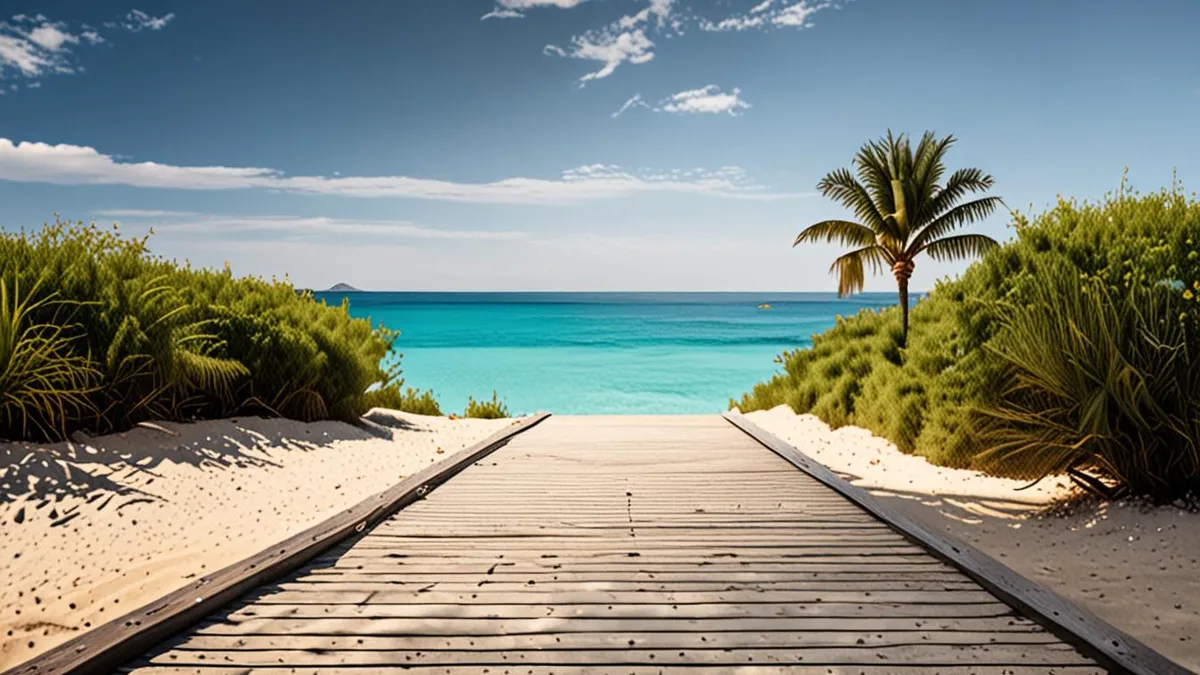
For some travelers, no pool can compete with the real thing. If your ideal day involves snorkeling over a reef, walking the beach at sunrise or reading with your toes in the sand right outside your room, direct beach access isn’t a luxury, it’s the entire point of the trip. In that case, oceanfront pricing is easy to justify, because you’ll use the amenity daily. Destinations built around their coastlines, from the Caribbean to places like Brazil’s stunning beach resorts, reward travelers who book with the shore in mind.
Timing amplifies the value
Beach access is best enjoyed in dry season windows, typically December to April in the Caribbean and Mexico. During these months you’ll get calm water, clear snorkeling conditions and long stretches of reliable sunshine, which maximizes what you actually get from that oceanfront location. Book the same beachfront room in a wetter, windier season and the premium buys you far less.
Match the upgrade to your habits
Keep the room category in perspective, too. Oceanfront rooms often carry a 15-30% premium over pool-view or garden-view rooms at the same resort, sometimes just for a wider angle of water. Reserve that upgrade only if you’ll genuinely use the sand every day. If your beach time is limited to an hour or two, a garden-view room with full beach access may deliver the same experience at a noticeably lower price.
How to Match Amenities to Your Trip Style
The right amenity depends less on the resort and more on who is traveling with you. A stunning infinity pool can feel like wasted square footage for a couple who came for shoreline sunsets, while a pristine beach may sit untouched by a family whose toddlers never leave the shallow end. Before you book, picture an honest hour-by-hour version of your day and ask which space you would actually be using.
Couples tend to get the most value from beach access. Quiet shorelines, morning walks and sunset watching are the experiences that make an oceanfront premium feel justified, and pool decks shared with crowds can undercut the romance. If your ideal day ends with toes in the sand and a drink in hand, prioritize the beach category over the biggest pool on the property.
Multi-generational groups usually need both. Grandparents often prefer shade and a calm, gradual beach entry, while younger kids burn energy in a dedicated children’s pool where parents can relax without constant worry about waves. Resorts that offer a kids’ pool within sightline of a shallow beach entry solve this tension better than either amenity alone.
Wellness travelers face a different trade-off. A large lap pool supports structured swim workouts, but a beach opens up paddleboarding, open-water swimming and sunrise yoga on the sand. Match the amenity to how you define an active day:
- Couples: look for quieter stretches of shoreline or adults-only pool zones, since a single shared pool can get noisy by mid-morning.
- Multi-generational groups: confirm the kids’ pool has a shaded area and nearby seating, so supervising adults stay comfortable for long stretches.
- Wellness travelers: check pool length and lane availability if lap swimming matters, since many resort pools are too small or too busy for real laps.
- Mixed groups: consider resorts with both a lively main pool and a quieter second pool, which lets different generations split up without leaving the property.
Budgeting: What Each Amenity Really Costs
Beachfront comes at a price, and it is worth knowing exactly how much before you fall in love with a listing. Resorts directly on the sand typically cost more than comparable pool-focused properties a short walk inland, and upgrading from a garden or pool view to a room right on the water can add a premium of 15-30% at the same resort. Over a week-long stay, those percentages translate into real money.
One of the simplest ways to trim the bill is to accept a short walk. Choosing a pool-focused resort with a 5-10 minute walk to the beach can save hundreds of dollars over a week, and you still get your sand time whenever you want it. The trade-off is hauling towels, snacks and sandy kids back and forth, so weigh the savings against how often you will actually make the trip.
Resort fees are the other line item that quietly inflates quotes. Many properties charge $20-50 per night, and these fees often bundle access to pools, loungers and other amenities you would otherwise assume were included. Since they are mandatory at many resorts, they belong in every comparison you make, not buried in the fine print. If you want a clear breakdown of what these charges typically include and how to plan for them, our guide to what resort fees really cover and how to budget for them walks through the details.
Timing your booking
Beachfront categories are the first room types to sell out, and their rates climb as availability shrinks. Booking 3-6 months ahead is the reliable window for securing lower rates on premium beachfront and oceanfront rooms. If you wait until the last minute, you may still find a room, but you will likely pay top rate for the same view you could have locked in earlier for less.
Questions to Ask Before You Book
Resort websites are good at showing postcard views and less good at showing practicalities. A beach that looks adjacent on a map can be a ten-minute trek down a hillside, and a “heated pool” can mean anything from genuinely warm water to a barely heated plunge. Asking a few direct questions before you book can save you from expensive surprises on arrival.
Start with the walk. Ask exactly how many minutes it takes to reach the sand from your specific room category, not just from the lobby, and whether the route is shaded or steep. A steep, sun-exposed path gets old fast when you are carrying beach gear twice a day.
Then get specific about the pool. Confirm whether it is actually heated, what the posted hours are, and whether there is a designated children’s area separate from the main swimming zone. Pool hours matter more than most travelers expect, since some resort pools close by early evening.
Finally, interrogate the beach itself. A gorgeous stretch of coastline is not the same as a swimmable one, and some beaches are mostly for scenery. Use this checklist when you call or email the resort:
- Lifeguards: ask whether the beach is patrolled, since this varies widely even between neighboring resorts on the same coastline.
- Loungers and shade: confirm whether beach loungers are included, whether they are first-come or reservable, and if umbrellas or palapas are available.
- Swimming conditions: ask whether the water is typically calm enough for swimming or whether waves and currents make it better suited to walking and sunbathing.
- Beach service: some resorts offer drink and food service on the sand, which can extend how long you comfortably stay there each day.
- Seaweed and debris: in tropical destinations, ask whether the beach is cleaned daily, since conditions can change with the season.
Finding Your Right Balance Between Pool and Beach
So which matters more on a beach trip: a great pool or direct beach access? The honest answer is that it depends on how you actually spend your days. Pools win for families, reliability and shoulder-season comfort, while beaches win for scenery, snorkeling and sunset lovers. Most travelers who overpay do so because they book an oceanfront room on impulse, then spend half their days lounging poolside with a drink in hand instead of out on the sand.
The fix is simple: weigh the 20-40% beachfront premium against how many hours you’ll truly spend on sand, match the amenity to your trip style, budget for resort fees, and book early to lock the right room category. Do that, and you’ll pay for the amenities you use instead of the ones you imagined. If this helped you decide, leave a comment or share the article with a travel friend.