Sardinia has dozens of coastal areas that feel like separate islands: polished marina towns in the northeast, dune-backed lagoons in the south, and walled cities and farmhouses in the west. Pick the wrong one and you can spend your holiday driving instead of swimming, or pay far more than you need to. The season adds another layer of risk: rates swing sharply between months, and the same Sardinia villas can cost dramatically more in peak weeks.
This guide breaks the island down by coast, so you can match an area to the trip you actually want, whether that is nightlife and beach clubs, family beaches with walkable restaurants, or quiet countryside with a pool. It also walks through the months one by one, then covers booking timing, budgets and the practical checklist to confirm before you commit. By the end, you should know exactly where and when to start your search.
Why Sardinia Villas Reward Careful Planning
Sardinia looks compact on a map, but it is a large island, stretching about 270 km east to west. That distance matters more than most first-time visitors expect. If you book a villa near Alghero and plan to swim at the beaches of the southeast, you will spend hours of each day in the car. Choosing your area first, and your villa second, is the single biggest decision of the whole trip.
Villas dominate the island’s stay options. The range runs from clifftop suites with sea views to rustic farmhouses set among vineyards and cork oaks, with family properties and modern pool homes in between. Quality and beach access vary widely by coast, though: a villa that looks idyllic in photos can sit a long drive from the nearest sand, or back onto a busy road. Read location details carefully rather than trusting a single hero shot.
A short, sharp season
Unlike year-round destinations, Sardinia’s villa season is compressed into roughly four busy months. High season runs from mid-June through early September, with peak prices in late July and August. Outside that window, many properties close or reduce services. This compression means timing affects both price and crowd levels more than almost anywhere else you might book a villa, so it deserves as much thought as the location itself.
Costa Smeralda and the Northeast: Glamour and Granite Coves
The northeast, anchored by Porto Cervo and Olbia, is the island’s most polished and priciest stretch. It sits roughly 30-45 minutes by car from Olbia airport, which makes arrival day refreshingly simple: you can land, pick up your rental car and be at your villa in time for a late-afternoon swim.
What the area delivers
This is the coast of designer marinas, fine sand coves between granite formations, and a well-established social scene. Beach clubs, restaurants and boutiques cluster around Porto Cervo and the surrounding resorts, and the infrastructure is the most refined on the island. The water here is genuinely beautiful, with pale sand and clear shallows that justify the reputation.
The trade-off is price. Villa rates sit at the top of the island’s range, especially in late July and August, when demand from a well-heeled international crowd pushes everything upward. Expect to pay noticeably more for the same square meters than you would on other coasts.
Who it suits best
The northeast is best suited to travelers who want nightlife, beach clubs and a resort-style social scene within a short drive of their front door. If your ideal evening involves dressing up for dinner rather than grilling at your villa, this is your coast. If you prefer quiet coves and low-key villages, look south or west instead.
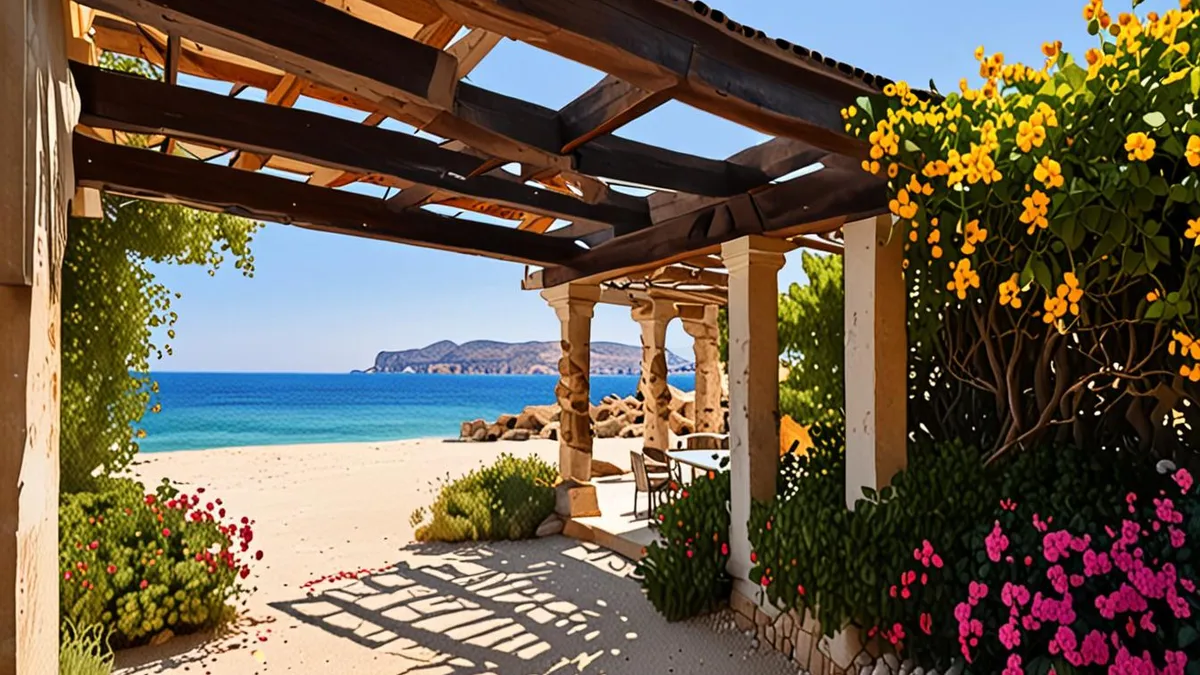
South Coast Villas: Villasimius, Chia and Quieter Beaches
The south, around Villasimius and Chia, sits about 50-70 km from Cagliari airport, making it an easy drive on arrival. It pairs long white-sand beaches with noticeably lower villa prices than the northeast, so the same budget typically buys more space, a better pool or a shorter walk to the water.
Villasimius for families
Villasimius suits families who want restaurants, supermarkets and services walkable from their base. You can park the car for several days at a time, walk to dinner and reach the main beach without a long expedition. The town has a proper year-round population, so shops and eateries stay open through the season rather than existing only for visitors.
Chia and Teulada for scenery
Chia and Teulada suit travelers chasing dunes and lagoon scenery. The beaches here are backed by sand dunes and shallow lagoons rather than towns, which means more driving and fewer walkable services, but a wilder, more open landscape. If your priority is scenery and long stretches of sand rather than evening strolls to restaurants, this corner wins.
A practical bonus: the south stays pleasant into early October, stretching the usable season beyond the northern hotspots. If you want a late-summer villa trip without peak crowds, the southern coast is the natural choice.
West and Inland Options: Alghero, the Riviera del Corallo and Countryside Stays
Alghero sits on Sardinia’s northwest coast and feels different from the rest of the island. The old town is wrapped in sturdy stone walls, the streets carry Catalan names, and the local dialect still echoes the city’s centuries of Aragonese rule. It is one of the few Sardinian towns where an evening stroll can turn into a plate of Catalan-style lobster within sight of the sea walls.
Why Alghero works for villa travelers
The Riviera del Corallo around Alghero has its own airport, which keeps transfers short and makes a villa holiday here refreshingly simple to organize. Villa prices typically sit in the mid-range of the island’s spectrum, well below what you would pay for comparable properties on the northeast coast. You get a genuine town with restaurants, markets and services, plus beaches within easy reach, without the marina-and-beach-club atmosphere that defines Costa Smeralda.
Farmhouses and countryside estates
Head inland or along the western coast and the character of your stay changes. Agriturismo-style farmhouses trade beach proximity for something else entirely: generous grounds, private or shared pools, and scenery built from vineyards, olive groves and cork-oak woods. Meals are often built around the estate’s own produce, which makes these stays as much about food and landscape as about swimming.
Who are these areas really for? Largely returning visitors who have already done the famous northeastern beaches, and travelers who simply value space, cooking and quiet views over glamour. If your ideal day ends with local wine on a terrace rather than a champagne list, the west and inland estates will stretch your budget much further.
Best Seasons for Sardinia Villas: Month by Month
Sardinia’s villa season is short and sharply defined, which makes the month you choose more important here than on year-round Mediterranean islands. Rates, crowds and minimum stays all follow the same curve: the busiest stretch spans mid-June to early September, with late July and August at the very top. Understanding where a given month falls on that curve is the difference between a bargain and an overpayment.
May and October are the quietest and cheapest windows. Sea temperatures hover around 20°C, which is bracing but workable, so these months suit travelers who plan to split time between sightseeing, hiking and the occasional swim rather than spending all day on the beach. Roads are empty and villages feel local again.
The sweet spot, for most people, is June and September. The sea reaches a comfortable 22-25°C, rates sit well below the August peaks, and the beaches — while not empty — are a world away from the midsummer crush. You get nearly everything July and August offer, minus the queues and the price tag.
Late July and August are another animal entirely. Expect peak heat, the busiest beaches of the year, and villa rates running 50-100% above what the same property costs in May or October. Many owners also impose a 7-night minimum during these weeks.
- Book early in the season dates: villas often open their calendars first for June and September, so the best-value properties in the sweet-spot months get reserved long before July and August inventory fills up.
- Check the pool: in May and October, a heated or well-situated pool matters far more than in peak summer, when the sea alone may suffice — ask before booking shoulder-month stays.
- August means structure: beyond the 7-night minimums, many owners in late July and August run Saturday-to-Saturday changeovers, which limits your flexibility on arrival and departure days.
- Sea-versus-sight math: if your trip is mostly about beaches, June and September deliver noticeably warmer water than the 20°C you’ll find in May and October.
Booking Your Sardinia Villa: Timing, Budget and Checklist
Booking a Sardinian villa comes down to two decisions made early: when to commit your dates and which coast fits your budget. Get those right and the rest of the process falls into place. Get them wrong and you’ll find yourself paying a premium for whatever is left, often in a spot that doesn’t match what you pictured. The island rewards travelers who ask detailed questions before paying a deposit, because villa listings can be vague and owners vary in how much they volunteer. The checklist below covers the five points that most often cause problems after arrival: timing, location, beach access, pool and air-conditioning, and stay terms. None of them is complicated, but each one is much easier to sort out by email than to fix once you’re standing at the gate with your luggage. Work through them in order, and you’ll arrive with far fewer surprises.
- Lock in your dates before anything else. For July and August stays, booking 4-6 months ahead secures the widest choice of properties and locations. Wait longer and you’ll be choosing from leftovers, often in less desirable spots or at inflated rates.
- Set your budget by area, not by property type. In high season, the same money buys a considerably larger villa in the south or west than in Costa Smeralda. Decide first whether the northeastern glamour is worth trading square meters and pool size for.
- Verify driving times to your target beaches. A villa can look wonderfully remote on a map and add 30 minutes to every beach run. Check realistic drive times to the specific beaches you plan to visit, not just to the nearest town.
- Confirm pool and air-conditioning. Many Sardinian villas list a pool but vary widely in size and upkeep, and not all include air-conditioning as standard — ask both questions explicitly before paying a deposit.
- Read the minimum-stay terms. In peak months, a 7-night minimum is common at many villas, and some owners also run fixed changeover days. Make sure your travel dates align before you commit.
One final habit separates smooth bookings from stressful ones: put every answer in writing. A short message confirming drive times, pool details, air-conditioning and stay terms gives you something concrete to refer back to if anything differs on arrival, and most owners are happy to reply. Ask for photos of the pool and outdoor space if the listing is light on them, and double-check whether linen, cleaning or a local tourist fee is charged separately, since these extras can add up on a week-long stay. Five minutes of documentation is cheap insurance on a significant summer expense, and it makes any later dispute far easier to resolve.
Wrapping Up Your Sardinia Villa Plan
Sardinia’s coasts are genuinely different from one another, and picking the wrong one can leave you with long drives to the beach you pictured or a bill far above your budget. Match the coast to your style: the northeast for glamour and social scenes, the south for beaches and value, and the west and inland for culture, food and quieter stays.
Timing matters just as much. June and September offer the best balance of warm sea, lower rates and thinner crowds, while August brings peak heat and prices, plus a common seven-night minimum at many villas. Book four to six months ahead for a summer trip, and confirm beach access, pool and minimum-stay terms before you commit. If this helped you plan, leave a comment or share the article.