Ski-in ski-out resorts promise slopes at your door, but travelers often don’t know what that label actually means or why it can double the nightly rate. Some properties genuinely let you clip into your skis and glide straight to a lift, while others use the term loosely and leave you walking or shuttling to the mountain each morning. That difference matters, especially when slopeside locations typically add a 30-100% premium over comparable hotels in the same resort village.
This guide explains how ski-in ski-out resorts actually work, from heated boot rooms and home runs to the quirks of mid-mountain lodges. You’ll also find realistic peak-season rates, the hidden fees that add up beyond the room price, the best timing for booking, and an honest look at which travelers get the most value from paying for direct slope access.
What Ski-In Ski-Out Resorts Actually Mean
True ski-in ski-out means the property sits directly on a run, usually within 50-100 meters of a lift or slope. In practice, that means you can clip into your skis at the door, glide down a home run to the lift, and ski back to the building at the end of the day without ever touching a shuttle, a parking garage, or a pair of ski boots carried across a parking lot.
The label is used loosely
The problem is that ski-in/ski-out has become a marketing phrase as much as a location description. Some properties are only ski-near, meaning you can see the slopes but face a 5-15 minute walk in boots. Others are ski-shuttle, relying on a bus that may run on a fixed schedule and get crowded at peak times. None of these options are bad, but they’re not the same as stepping out the door onto snow.
How to verify the access
Before booking, check whether the run actually reaches the property in early and late season, when snow cover is thinnest. A home run that depends on man-made snow can close in warm spells, turning a true slopeside lodge into a walk-in property overnight. Look at the resort’s trail map, read recent guest reviews from the months you plan to travel, and ask the property directly whether the run is typically open in your dates. A few minutes of checking can save you from paying a slopeside premium for access that only exists in mid-winter.
How Slopeside Access Works Day to Day
On a normal morning at a true slopeside property, the routine is simple. Guests typically store skis and boards in a heated boot room at the building’s base, where gear dries overnight and boots are warm by the time you pull them on. From there, you step directly onto a home run that ends at the building, ride the lift up, and repeat until the lifts close. No car, no shuttle, no hauling equipment across ice.
The mid-mountain catch
Many slopeside properties sit mid-mountain rather than at the base, reached by gondola from the resort village. That location delivers quieter evenings and often better views, but it changes the logistics of arrival and departure: you’ll need to ride the lift with your luggage, which means timing your check-in and checkout around lift operating hours. Call ahead so staff can help move bags, and keep luggage to a manageable number of pieces.
The trade-off cuts both ways. Mid-mountain lodges trade village convenience for quiet slopes and ski-to-the-door access, but they can be cut off if lifts close early in high wind. If the gondola stops running, you may need to wait for it to restart or arrange alternate transport back down. Before booking a mid-mountain property, ask what happens when the lifts shut down unexpectedly, especially if you plan to spend evenings in the village rather than at the hotel’s own restaurants.
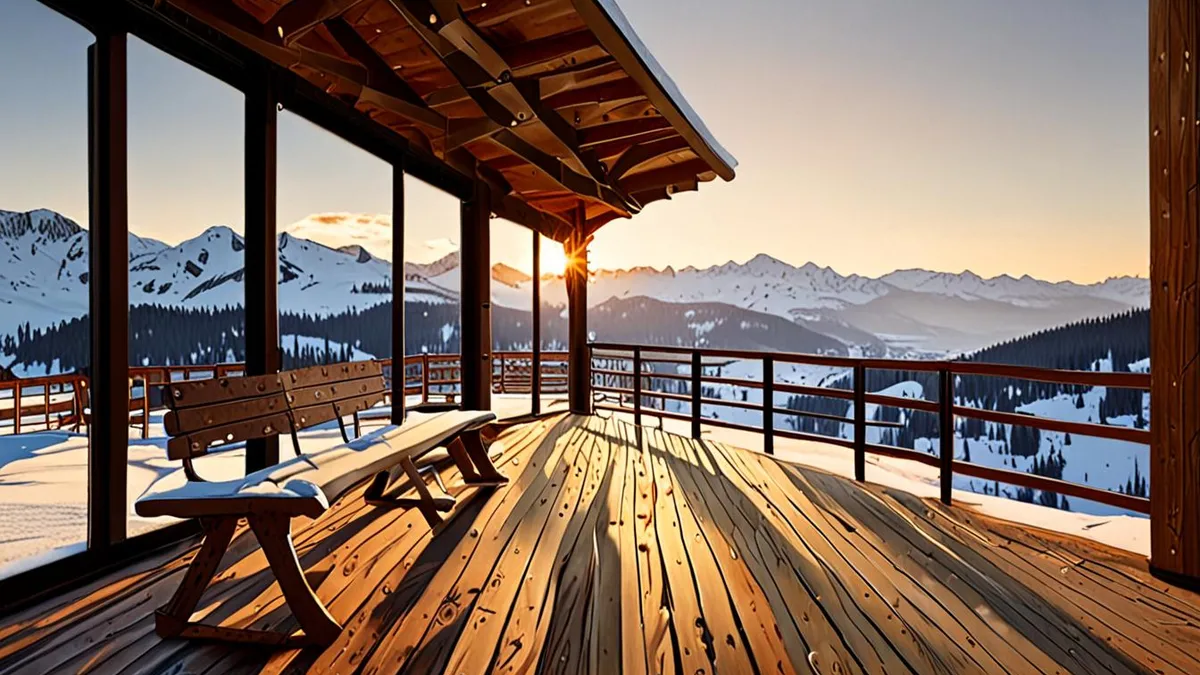
What Ski-In Ski-Out Resorts Cost
Slopeside access is one of the biggest price multipliers in ski travel. Expect a 30-100% premium over village hotels of the same standard for direct slope access, simply because true ski-in ski-out inventory is limited and always in demand. In peak season, that translates to typical rates of $400-900 per night in North America and €250-600 in major European ski areas. Holiday weeks between mid-December and February command the highest prices, while January often offers the best value on true slopeside rooms. The premium covers more than a view: it buys the location itself, and there are only so many buildings that can sit directly on a run.
Those figures are for the room itself. Before you budget, factor in the extras that rarely appear in the advertised rate:
- Resort fees: Many North American ski resorts add $25-60 per night in mandatory fees that are often excluded from quoted rates, so check the final total before you book.
- Lift passes, rental and parking: These can add $100-200 per person per day, and slopeside valet parking at some hotels costs more than village self-parking.
- On-mountain dining: Restaurants at mid-mountain and summit lodges charge a clear premium over village options, and at a slopeside hotel you may be tempted to eat every meal on the mountain.
- Kitchens as a counterweight: Rooms with kitchens or kitchenettes can offset slopeside restaurant prices, especially for breakfast and family dinners.
When you compare two properties, always line up the full cost side by side: quoted nightly rate, mandatory fees, parking and a realistic food budget. A village hotel with a lower sticker price can end up costing nearly as much once you add shuttle logistics and daily expenses. And because pricing shifts constantly, confirm current rates and fees directly with the property, since totals vary by date, resort and room type.
Hidden Costs Beyond the Room Rate
The room rate is only the starting point at a slopeside resort. One of the most common surprises is the resort fee: at North American ski resorts, a nightly surcharge is standard practice, and it is often excluded from the quoted rate you see when booking. Before you commit, read the fine print or contact the property and ask what the total nightly cost includes, because these fees rarely show up in comparison sites’ headline prices. If you want a clearer picture of what these charges actually pay for, our guide to what resort fees really cover and how to budget for them breaks it down in detail.
Beyond the room itself, the everyday costs of a ski trip stack up fast. Lift passes, equipment rental and parking are usually billed separately from your accommodation, and for a family of four over a full week, those extras can easily rival a night or two of lodging. Treat them as their own budget line rather than an afterthought, and get quotes before you book so nothing catches you off guard.
Food is where slopeside locations really sting. On-mountain dining carries a premium because you are paying for the convenience of eating steps from the lift, and a simple lunch for two can rival a nice dinner in town. One practical countermove: book a room or condo with a kitchen. Preparing breakfast and a few dinners yourself can offset the slopeside restaurant prices enough to make the premium location feel far more reasonable.
- Lift pass timing: many resorts offer discounted multi-day passes or online-only rates if you buy weeks in advance, so pricing your passes early can shave a meaningful amount off your daily spend.
- Equipment choices: renting gear in the village or from an off-mountain shop is often cheaper than the hotel’s own rental desk, and some shops deliver fitted equipment to your slopeside door.
- Parking reality: some resorts charge daily parking fees that climb during holiday weeks, while valet service at slopeside hotels can add a separate nightly charge on top.
- Grocery logistics: if you book a kitchen unit, plan a supermarket stop before you ride up the mountain, since small on-mountain markets charge a premium for basics like milk and bread.
When to Book a Slopeside Stay
Slopeside rooms are the scarcest inventory at any resort, and that scarcity shapes when you should book. For winter peak dates, aim to reserve 4-6 months ahead. True ski-in ski-out properties often have only a few dozen rooms, and the best ones sell out first, leaving late bookers with either village hotels or inflated cancellations. If you have your heart set on a specific slopeside lodge over the holidays, treat the booking like a flight reservation and lock it in early. More general timing advice for getting lower rates at resorts of any kind is covered in our guide to when to book resorts and how timing affects the price you pay.
If your dates are flexible, the shoulder weeks are where the value lives. Early-season dates in early December and late-season dates in April give you the same direct run access as a February stay, often at noticeably lower rates. The trade-off is thinner snow coverage in those windows, so check the resort’s typical season dates and snow history before committing. Ask the property directly whether its home run is skiable from the door at the start and end of the season, since a slopeside location only pays off if the snow reaches the building.
Midweek vs. weekend stays
Even within peak season, the day you arrive matters. Midweek stays often undercut weekend rates by 20-40% at the same property, and the slopes themselves are quieter. A Monday-to-Friday stay at a slopeside lodge can cost less than a Friday-to-Sunday weekend, while giving you two extra days on the mountain. If you can shift a long weekend by even one day, the savings frequently cover a family’s lift passes for an entire day.
Who Should Pay for Ski-In Ski-Out Access
Ski-in ski-out access is a genuine luxury, but it is not worth the premium for everyone. The travelers who benefit most are those on short trips of 2-4 nights, when every hour on the slopes counts. On a long weekend, a daily shuttle ride, a walk from distant parking and hauling boots and skis through the village can eat an hour or more each day. Slopeside access eliminates that overhead entirely, effectively adding half a ski day to a short trip.
Families with young children arguably gain the most of anyone. Being able to walk back to the room for naps, dry socks or a forgotten glove transforms the day. Instead of organizing a full mountain-base expedition for every gear change, a parent simply ducks inside while the other adult keeps skiing. That flexibility often matters more than any amenity the resort could add.
On the other hand, longer trips on a budget may be better served in the village. Over a week or more, the slopeside premium can fund lift passes, rentals and several good dinners. If you ski every day anyway and do not mind a morning walk or shuttle, the convenience buys you less.
- Non-skiers in the group: a slopeside base lets non-skiing partners enjoy the mountain atmosphere, spa or pool and meet skiers for lunch without needing a car or shuttle schedule.
- Young children in ski school: many slopeside properties sit near beginner areas and ski school meeting points, which cuts the morning scramble to get kids to lessons on time.
- Après and evening plans: village hotels put you within walking distance of restaurants and nightlife, while mid-mountain lodges can leave you dependent on gondola hours after dark.
- Workations and mixed trips: if some of your group plans to work or relax rather than ski daily, paying the slopeside premium for people who will rarely use the access is money poorly spent.
The Bottom Line on Slopeside Stays
Ski-in ski-out sounds like slopes at your door, and sometimes it really is. The label points to direct run access, but the honest way to confirm it is checking how the snow holds up across the whole season, not taking marketing copy at face value. On price, peak-season slopeside rooms typically cost $400-900 per night across North America, while European equivalents often fall in the €250-600 range, and extras like resort fees and lift passes stack on top of that.
The value case is strongest for short stays of 2-4 nights, when every hour on the slopes counts. Booking 4-6 months out and choosing January or shoulder dates delivers the best value on true slopeside rooms. If the premium fits your trip length and budget, waking up next to the run is hard to beat. Have you stayed slopeside, or are you weighing it for your next trip? Leave a comment or share this article.