Many travelers book a resort advertised as “reef-side” only to find dead coral, long boat transfers or murky water far from the best snorkeling. The label sounds promising, but it tells you little about what actually waits beyond your balcony. Choosing the right snorkeling resorts takes a bit of homework, and that homework pays off every single morning you spend finning over living coral instead of paddling toward a distant dive boat.
This guide walks you through the decisions that matter most. We start with why a genuine house reef makes or breaks a stay, then match each region to its clearest season. You’ll get the exact questions to ask before booking, advice on picking rooms that put you steps from the water, a realistic budget breakdown, and the etiquette that keeps reefs healthy for the next visitor. By the end, you’ll know how to choose a reef-side stay with confidence.
Why a House Reef Makes or Breaks Snorkeling Resorts
The single biggest factor in a snorkeling vacation is not the pool, the spa or the buffet. It’s the house reef, and whether it’s actually a house reef at all. A genuine one sits 5 minutes or less from the beach, which means you can slip into the water whenever conditions suit: early morning before the wind picks up, or during a calm afternoon gap between activities. If you need a scheduled boat trip to reach coral, you’ve booked a dive resort, not a snorkeling one.
Shallow water beats deep water for snorkelers
Depth matters just as much as distance. Healthy reefs in 1 to 5 meters of water suit snorkelers far better than deep offshore sites, because you can actually see the coral colors and follow the fish without equalizing or free-diving. Shallow reef flats also catch more sunlight, which supports the coral and the life around it. Deep sites may look dramatic in photos, but from the surface they fade into blue haze.
Finally, look for signs that the resort protects what it markets. Resorts that ban boat anchoring near the coral and mark out swim lanes usually have more fish and living coral to show for it. Protection and reef health tend to go hand in hand, so treat active conservation as a quality signal, not a marketing extra.
Matching the Season to Your Snorkeling Resort
Even the best house reef disappoints in the wrong season. Visibility and sea conditions swing dramatically through the year, and the calendar that works for one region is often the worst choice for another. Timing your trip to the dry months is the easiest upgrade you can make to a snorkeling holiday.
Caribbean timing
Caribbean reef stays shine from November to April, when visibility reaches 10 to 30 meters. This dry window brings calm, clear water that lets you see whole coral heads and spot fish patrolling the reef edge. It’s also high season, so expect busier beaches and book early.
Maldives and Red Sea timing
The pattern flips on the other side of the world. Maldives and Red Sea resorts offer their clearest water from May to October, making them a smart pick for a summer escape when Caribbean conditions turn less reliable. The same principle applies in both regions: dry season means clear water.
Rainy or windy months bring runoff and chop that cut visibility dramatically. A reef that sparkles in February can turn soupy a few months later, and no amount of resort luxury compensates for water you can’t see through. Before booking, check monthly climate charts for your chosen destination rather than relying on generic “best time to visit” advice. Ten minutes of chart-reading is the cheapest way to protect an expensive trip.
Questions to Ask Before Booking Snorkeling Resorts
Resort websites show you exactly what they want you to see: a drone shot of turquoise water, a stock photo of a turtle, a promise of “world-class snorkeling steps away.” Before you hand over a deposit, ask a few pointed questions by email or phone. Good resorts answer them easily and quickly; vague or evasive answers are themselves an answer, and they can save you from an expensive disappointment.
Start by asking for recent guest photos of the house reef rather than marketing images. Real photos from the past few months show current coral condition, actual water clarity and how busy the reef gets at peak times. Marketing shots can be years old or taken at a different site entirely, so treat them as decoration rather than evidence.
Then work through the practical details. These four questions reveal more about a resort than any brochure:
- Gear situation: Confirm whether snorkel gear is free, rented at 10 to 20 USD per day, or unavailable on site. Some resorts offer decent masks but worn fins, so ask about the condition, sizes available and whether kids’ gear is stocked.
- Guided options: Check if guided reef walks or snorkel tours run daily, and how large the groups are. Reputable operations keep groups to about 8 to 12 people, which means personal attention, better safety oversight and less crowding on the coral.
- Tides and currents: Verify tide and current patterns on the reef flat, especially if anyone in your group is a less confident swimmer. Some reef flats drain at low tide, making entry impossible or awkward for hours at a time.
- Entry points: Ask where snorkelers actually enter the water. A reef behind a rocky shore or a long shallow lagoon may require a long walk or a designated access channel, which matters if you plan to snorkel several times a day.
Resorts that answer all four without hesitation have usually earned their reputation. Resorts that dodge them are telling you what your stay will feel like, and it is rarely the brochure version.
Room Types and Locations Within Reef-Side Resorts
Where you sleep shapes how much you actually snorkel. On a resort with a long layout, a garden room can mean a 20 to 30 minute round trip to the water each time you want a quick dip. Beachfront and overwater rooms cut that walk down dramatically, which turns casual morning and evening snorkels into daily habits instead of planned expeditions.
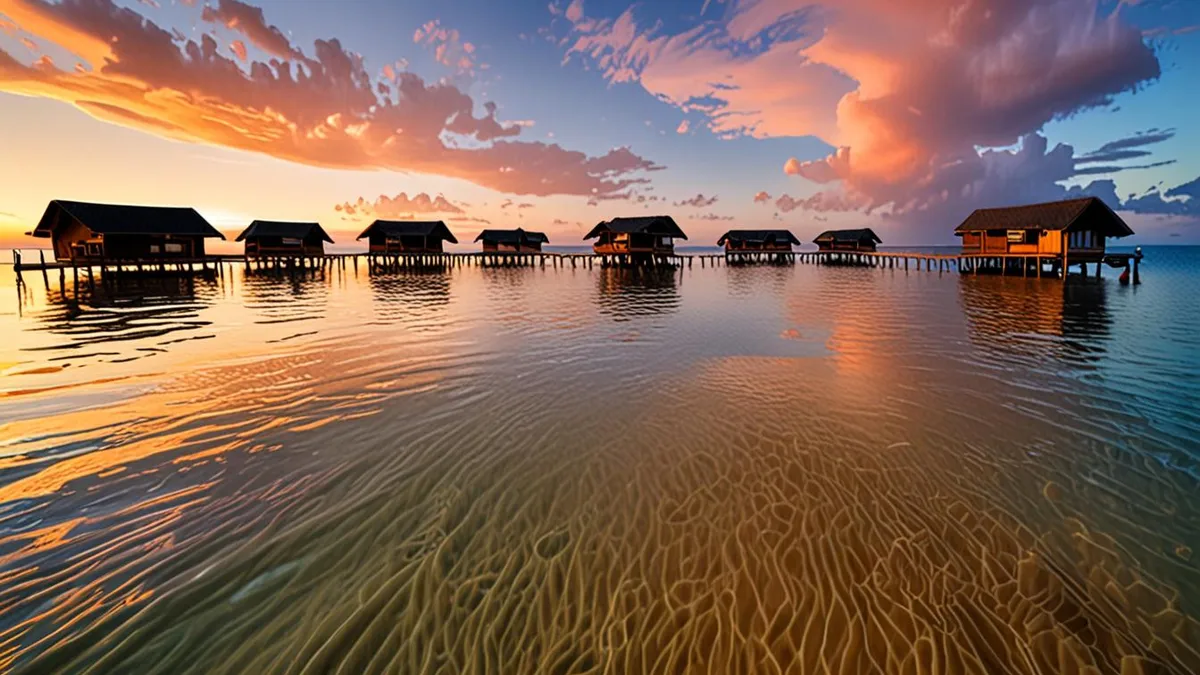
Overwater bungalows deserve a special mention for snorkelers. Many sit directly above shallow reef flats, so you can slip off your deck at first light, when the water is calmest and fish are most active, without ever touching a beach. If dawn snorkeling is on your wish list, ask specifically which room categories sit over the reef flat rather than over sand or seagrass.
Rooms to avoid
Just as location can help, it can hurt. Rooms near the boat jetty or the dive center tend to have the worst water clarity, since arriving and departing boats stir up sediment and the engine noise pushes fish away from the shallows. Ask the resort for a map of the property and request a room on the quiet side of the reef, away from boat traffic. If you are still deciding what kind of property suits you at all, it helps to first compare a resort, hotel and villa side by side before narrowing down to a specific room type.
Budgeting for a Snorkeling Stay
Sticker prices at reef-side resorts rarely tell the whole story. Between mandatory resort fees, gear rental and activity charges, your real daily cost can climb well above the room rate you booked. When comparing two properties, always add the extras to the base rate before deciding which one is cheaper.
Gear is a good example. Renting a mask, snorkel and fins at a resort typically runs 10 to 20 USD per day, which adds up fast on a two-week trip. Buying your own set costs 40 to 80 USD once, so it pays for itself on longer stays and you get a mask that actually fits your face. For a clearer picture of where these extra charges come from, what resort fees really cover and how to budget for them breaks it down in detail.
Ways to keep costs down
- Ask whether the resort offers free kayaks or paddleboards, since paddling out to the reef edge yourself can replace paid boat snorkel trips.
- Check if guided snorkel tours are included in a package rate rather than billed per outing, as per-trip pricing quietly multiplies over a week.
- Compare half-board versus full-board options against nearby dining, because isolated reef resorts often leave you little choice but to eat on site.
Timing matters too. Booking your reef-side room 3 to 6 months ahead is the most reliable way to secure the best rates in high season, when demand for the closest-to-the-water rooms is strongest.
Snorkeling Etiquette and Reef Safety at Resorts
House reefs survive only when guests treat them well, and the rules are simple. Never touch or stand on coral, even if it looks like dead rock. A single touch can kill the living polyps on its surface, polyps that took years to grow, and one careless fin kick or handhold does damage that lasts decades. Float above the reef and adjust your fins before you get close, not while you are over it.
Sunscreen and the reef
The sunscreen you wear matters more than most travelers realize. Common chemicals in regular sunscreens wash off in the water and contribute to coral bleaching, so choose a reef-safe formula and apply it well before you swim so it absorbs rather than rinses off. A rash guard or UV shirt covers your back and shoulders without putting anything in the water at all.
Safety comes down to location awareness. Stay within the resort’s marked swim zones, which are usually set where currents and boat traffic are manageable, and always snorkel with a buddy. This matters most on shallow reef flats with tidal currents, where water that was knee-deep at low tide can quickly become a channel pulling you off the reef. If you feel a current, signal your buddy and swim across it rather than against it, then head back to the marked entry point.
Choosing Your Reef-Side Stay With Confidence
The gap between a dreamy “reef-side” brochure and reality comes down to a few checks most travelers skip. A genuine snorkeling resort puts living coral within an easy swim of the sand, not a boat ride away, and it keeps guided groups small enough that you can actually hear the guide point out a turtle or a moray eel. Those two signs separate real reef resorts from ones that simply borrowed the label.
It also pays to look past the marketing photos. Ask the resort how it cares for its reef, whether boats anchor offshore, and how swimmers are kept away from fragile sections. A property that answers those questions readily usually has a healthier underwater world waiting for you.
Then match the details to your trip: aim for the dry-season window in your chosen region, sort out your gear situation before you fly, and reserve your room early if you want the best pick of beachfront and overwater options. Do that, and the reef you swim to at dawn will look like the photos. Have a favorite snorkeling stay or a tip that saved your trip? Share it in the comments.