Scrolling through photos of Turks and Caicos villas, it’s easy to imagine yourself on a quiet terrace above turquoise water. Then you start checking prices and the details, and things get complicated fast. Weekly rates swing wildly by season, many homes require minimum stays, and the island logistics on Providenciales catch plenty of first-time bookers off guard.
This guide walks through what actually matters before you commit a deposit. We’ll explain why Turks and Caicos villas work differently from rentals on larger Caribbean islands, when to book and how the seasons change prices, what you can realistically expect to pay, and how to choose between areas like Grace Bay and Long Bay. We’ll also cover hurricane season and insurance, plus a practical checklist to run through before you pay. By the end, you’ll know exactly which questions to ask and which dates to target.
Why Turks and Caicos Villas Work Differently From Other Islands
The first thing to understand about Turks and Caicos villas is that nearly all of the inventory sits on one small island: Providenciales, known locally as Provo. On larger Caribbean islands like Jamaica or Barbados, you can find rental homes scattered across whole regions, which spreads out demand. Here, the supply is concentrated, so availability is noticeably thinner, especially for the best-located homes.
That limited supply has a direct effect on your wallet. When a handful of desirable villas serves everyone looking to visit, owners can hold firm on rates, and prices run higher than many travelers expect for the Caribbean. It also means the calendar fills early. If you have your heart set on a specific home or a specific week, booking well ahead isn’t a nice-to-have; it’s how you avoid settling for your fourth or fifth choice.
Expect a different standard of rental
The second surprise for first-time visitors: villas here skew firmly luxury. Unlike destinations where you can rent a simple studio or a modest apartment for a week, the Turks and Caicos market is built around high-end homes. Expect staffed properties with housekeepers, concierge services that arrange everything from grocery pre-stocking to boat days, and polished management companies handling the details.
That also shapes the booking rules. Rather than flexible nightly rentals, most homes operate on weekly minimums, and budget options are genuinely rare. If you’re picturing a simple, inexpensive rental like you might find on other islands, adjust your expectations now. Think of a Turks and Caicos villa as a full-service home rather than a self-catering bargain, and plan your budget and lead time accordingly.
When to Book and How Season Affects Price
Timing your booking matters more in Turks and Caicos than in most Caribbean destinations, simply because supply is limited. For high-season dates, which run from mid-December to mid-April, plan to reserve 6 to 12 months out. That sounds early, but the most desirable homes are often gone long before the season starts, and the peak holiday weeks around Christmas and New Year go first. If you want a specific villa for those weeks, treat it like booking a wedding venue, not a hotel room.
The value window: late August to early November
Low season runs from late August to early November, and it changes the math in two ways. First, weekly rates can drop significantly compared with winter pricing, sometimes by a wide margin. Second, you don’t need nearly as much lead time. While high season demands up to a year of planning, low-season stays can often be booked just 2 to 3 months ahead, which suits more spontaneous trips.
The trade-off, of course, is that this window overlaps with hurricane season, so review cancellation terms carefully before committing. It’s also worth comparing strategies across destinations; the seasonal pricing patterns on how to book a villa in Mexico for lower prices follow similar logic and can sharpen your instincts.
Check minimum stays before booking flights
One rule trips up travelers every year: stay-length requirements. In high season, many owners require a minimum of 5 to 7 nights, and some insist on full weekly bookings. Before you lock in flights, confirm the minimum stay for your exact dates. Arriving for four nights in February may simply not be possible at the villa you want, and it’s better to know that before you buy airfare.
What Turks and Caicos Villas Really Cost
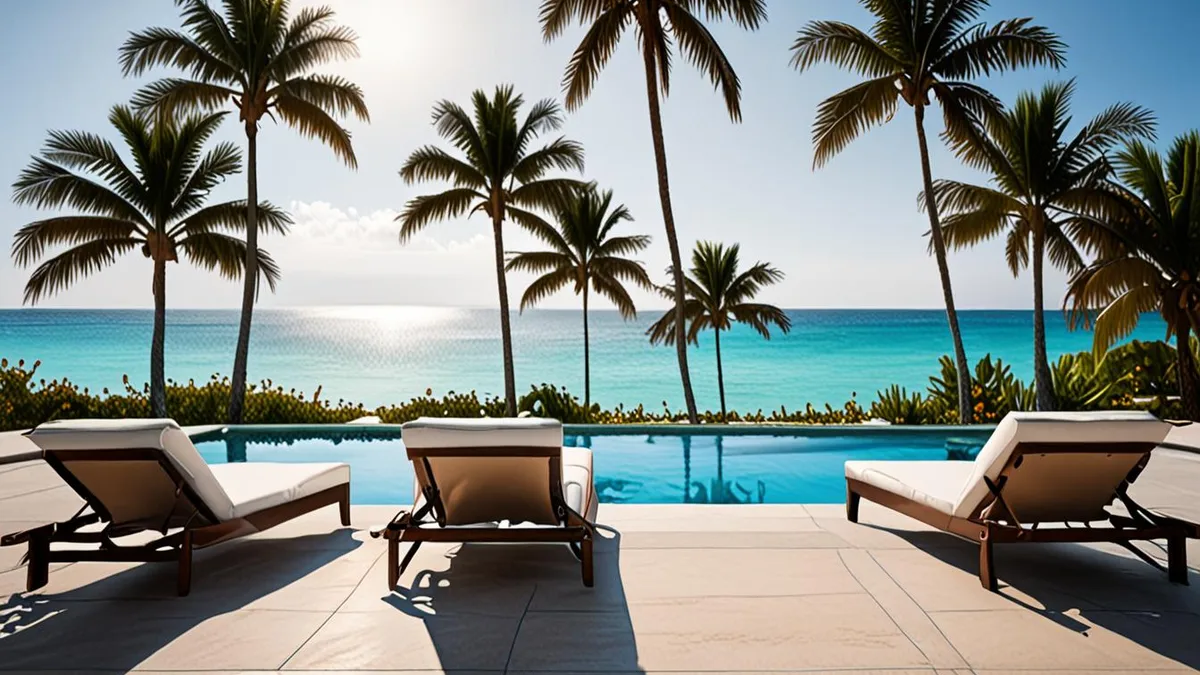
Let’s talk numbers, because Turks and Caicos villas are a serious line item. In high season, beachfront villas on Providenciales typically run about $5,000 to $25,000+ per week. That’s an enormous range, and it reflects differences in size, exact location, staffing and finish level. A four-bedroom home steps from the sand sits at one end of that spectrum; a palatial eight-bedroom estate with a full staff sits at the other.
How to spend less without leaving the island
Here’s the good news: you don’t need ocean frontage to enjoy Providenciales. Homes a short drive from the beach, or without direct ocean frontage, often cost far less while keeping you close to Grace Bay and its famous shoreline. Since you’ll likely have a car anyway, a five-minute drive to the sand can save you thousands over a week. Many travelers find this trade-off entirely worth it, especially for longer stays.
Budget for the extras
The weekly rate is rarely the whole story. Factor in add-ons that most villa guests end up wanting:
- Chef services — popular for special dinners or full-service weeks, priced separately from the rental.
- Boat charters — a highlight of any Provo trip, whether for snorkeling, fishing or island hopping.
- Car rental — most visitors need one on Providenciales, since restaurants, beaches and supermarkets are spread out and taxis add up quickly.
Ask your villa manager for a realistic all-in estimate before you book, so the final bill doesn’t surprise you. A home that looks like a mid-range deal can climb quickly once staffing, extras and ground transport are added, so build these into your budget from the start.
Choosing Your Area: Grace Bay, Long Bay and Beyond
Most villa hunting on Turks and Caicos starts with a simple question: where on Providenciales do you want to be? The island is small, but the neighborhoods feel very different, and your choice shapes both your budget and your daily routine.
Grace Bay is the name most travelers recognize, and for good reason. Villas here put you within walking distance of the island’s famous 3-mile beach, with restaurants and shops close enough to skip the car some evenings. The trade-off is price: front-line villas on Grace Bay carry the highest rates on the island, often well above homes just a few streets back.
Long Bay sits on the southeast shore and attracts a different crowd. The water is calmer and shallow for a long stretch, which makes it a favorite with kite-surfers, and the hillside homes here tend to be newer, with big views over the ocean. Chalk Sound and other lagoon-side areas offer quieter settings, with striking turquoise water and a slower pace. If you want real seclusion, look beyond Providenciales entirely: remote islands like North Caicos suit longer stays with a car, though you will need to plan inter-island logistics carefully.
- Grace Bay back streets: homes a block or two from the beachfront often cost far less than front-line properties while keeping you a short walk from the sand.
- Long Bay wind conditions: steady trade winds on the southeast shore make this the island’s center for kite-surfing, so expect more activity on the water, especially midday.
- Chalk Sound setting: this lagoon area is known for vivid shallow water and quiet residential streets, but you will drive to reach restaurants and the main beaches.
- North and Middle Caicos: these islands reward travelers who want quiet, nature and local culture, but daily life revolves around a rental car and ferry or small-plane connections.
Hurricane Season and Travel Insurance
Hurricane season in Turks and Caicos runs June through November, with the highest risk from late August to October. That window overlaps almost exactly with low season, which is why weekly rates drop so noticeably in late summer and autumn. The weather is often beautiful during these months, but the risk of a named storm is real and worth planning around.
Read the cancellation policy before you pay
Low-season rates can look tempting, but review the cancellation and refund policy line by line before paying. Some owners offer flexible terms in hurricane season, while others hold you to the full rental even if a storm disrupts your trip. Look for how the policy treats named storms specifically, how far in advance you must cancel, and whether you get a refund, a credit or a reschedule. Ask questions in writing before you send a deposit, not after.
Insurance that actually covers storms
Travel insurance that covers named storms is worth pricing for any summer or autumn stay. Policies differ widely: some cover cancellation if a hurricane warning is issued for your destination, others only if a storm damages the property itself, and many exclude storms once they have already been named. Read the storm wording carefully and buy the policy shortly after booking, since most insurers require it within a short window of your initial payment. A modest premium can protect a villa deposit that runs into thousands of dollars.
Checklist Before You Pay for Turks and Caicos Villas
A villa booking in Turks and Caicos is a big commitment, and the details that matter most are the ones agents and listing photos tend to gloss over. Wide-angle photos can make a modest terrace look like an oceanfront estate, and vague descriptions like “steps from the sand” can mean very different things to different owners. Because villa stays here often involve large groups and substantial deposits, small misunderstandings get expensive fast. Work through these steps before you send a deposit, and the same careful approach applies whether you are booking here or browsing a guide on how to choose the right villa rental for your trip in another destination.
- Confirm exact beach access. Some villas marketed as “beachfront” actually sit across the road from the sand, or require a short drive to reach the water. Ask the manager to describe the exact position of the house relative to the beach, and whether any road or other property lies between.
- Ask what the rate includes. Staff such as housekeepers or a butler, pool heating, electricity caps and cleaning between longer stays are all items that may or may not be part of the quoted price. Electricity caps are especially common: if your group exceeds the allowance, you pay the overage, which can sting in a large home running air conditioning all day.
- Verify bed configurations. Many homes mix kings, queens and bunks, and a villa that sleeps ten on paper may not suit two families if the bedrooms are unevenly sized. Get a room-by-room breakdown so you know exactly who sleeps where before you commit.
- Check how you will get around. On Providenciales most visitors need a car rental, so arrange it early, especially for high season. For outer islands, confirm inter-island flight or ferry details and whether the villa owner can help coordinate transfers.
Ten minutes of written questions now can save you an awkward arrival with a group that does not fit the beds, a surprise utility bill or a beach you have to drive to. Ask for a current copy of the rental agreement, read the cancellation terms carefully, and keep every answer in an email thread rather than a phone call. If an owner or manager hesitates to answer basic questions about access, staffing or utilities, treat that as a signal and keep looking. Get the answers in writing, then book with confidence.
Wrapping Up Your Turks and Caicos Villa Plan
A villa on Providenciales can absolutely deliver the dream those photos promise, but the details are what make or break the trip. Book early for mid-December to mid-April dates, ideally 6 to 12 months out, or chase real value in the late-August to November window. Match your area to your priorities, whether that is Grace Bay walkability to its roughly 3-mile beach or the calmer, shallower water around Long Bay.
Before you pay a deposit, confirm the practical stuff: true beach access, what the rate includes in staffing and extras, and whether the bed configurations actually fit your group. Get those answers in writing and the price tag will feel far easier to justify. If this helped you plan your own Turks and Caicos villa search, leave a comment or share the article with a travel partner.