Glamping in the US sounds dreamy in theory, but picking the wrong month can turn a luxury tent stay into a soggy, overpriced or scorching disappointment. The best time to book depends heavily on where you want to go. A desert dome in Arizona shines in March and struggles in July, while a Montana safari tent is the opposite. Add in seasonal pricing swings and limited availability, and choosing a date becomes a real puzzle.
This month-by-month guide breaks it all down. We’ll look at how the seasons shape glamping across the country, then walk through spring, summer, fall and winter one month group at a time, with the regions that shine in each. Finally, you’ll find practical booking advice on how far ahead to reserve, when to target midweek dates and what to check in cancellation policies, plus a quick wrap-up of the glamping calendar to help you lock in the right dates.
How Seasons Shape Glamping in the US
The calendar matters more for glamping than for almost any other type of trip. Your accommodation is literally outdoors, so the season you pick shapes everything from your nightly rate to whether you can actually enjoy that deck and fire pit.
Peak season: May to September
From May through September, most of the country offers its most reliable weather, and glamping operators respond accordingly. This is when you’ll find the widest availability of stay styles nationwide, from luxury safari tents and geodesic domes to cabins and treehouses. Many sites that close or scale back in colder months run at full capacity during this window, so you have the most choices, especially in northern states and mountain regions.
Shoulder seasons and the winter shift
The shoulder months of April–May and September–October are the sweet spot for value. Rates typically run 20–40% lower than peak summer prices, crowds thin out, and weather is still pleasant across much of the country. If you have flexible dates, these windows often deliver the best overall experience for the money.
Winter changes the map entirely. As northern sites close or slow down, the Southwest and Florida become the prime glamping regions, offering warm days when much of the country is shoveling snow. Knowing this shift is the key to planning a cold-season escape that actually feels like a getaway rather a compromise.
Spring Glamping: March, April and May
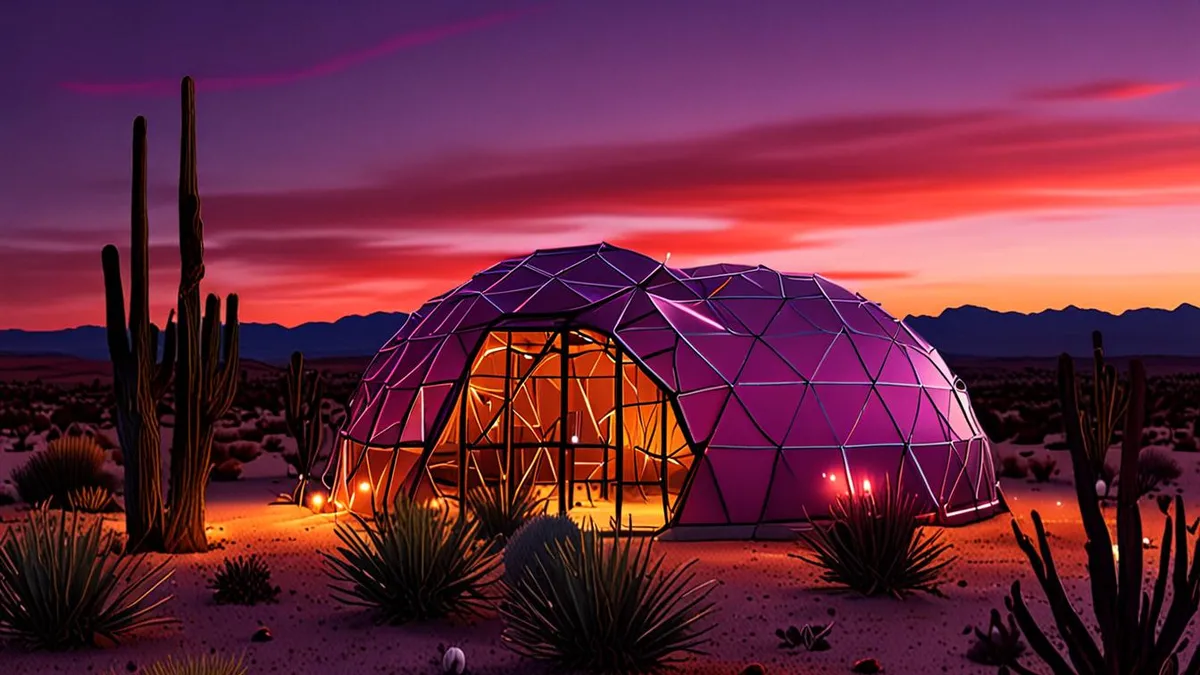
Spring is a season of transition for glamping, and the trick is knowing which regions have warmed up and which are still soggy. March belongs to the desert. In Arizona, highs typically reach the 70s–80s°F, making it one of the most comfortable times of year for a tent or dome stay, long before the brutal summer heat arrives.
By April and May, the map opens up considerably. The Southeast and Texas hit their stride in this window, offering warm, generally dry days before summer heat and humidity settle in. It’s a brief but excellent stretch for these regions, so if you’ve been eyeing a Texas ranch stay or a Southeastern treehouse, spring is your moment.
What to keep in mind for a spring trip
- Wildflower season is a genuine draw. April brings famous blooms across Texas hill country and California deserts and grasslands, so a glamping site with wide-open views can double as front-row seating for the display.
- Book desert stays early for March. Because the window of perfect desert weather is short, popular Arizona sites fill quickly for spring weekends, so reserving ahead pays off.
- Pack layers for April and May in the Southeast and Texas. Days are warm, but evenings can still cool off, and spring thunderstorms can pop up, so a site with solid covered outdoor space is a smart pick.
One region to be patient with: the Pacific Northwest. Spring rain lingers there well into the season, so a covered-dome stay in Washington or Oregon is usually better saved for the later summer months when conditions are more reliable.
Summer Glamping: June, July and August
Summer is peak season for glamping in the US, and it’s easy to see why. From June through August, nearly every type of stay is open and bookable, from treehouses and A-frame cabins to luxury safari tents and domes. If you have a specific style or bucket-list property in mind, summer gives you the best odds of finding it. This is also when the widest range of regions is in play, so a single summer trip can take you almost anywhere on the map.
The heat, however, pushes smart glampers toward higher ground. Mountain regions like Colorado and Montana offer the best escape from summer temperatures, with cool nights that make a wood-fired hot tub or campfire genuinely enjoyable. Low-elevation sites in the South and Southwest can be uncomfortably hot this time of year, so check what cooling a site offers before you commit. Coastal and lakeside properties are another smart pick, since water access turns a hot afternoon into part of the plan rather than a problem to endure.
Planning a summer glamping trip
- Book 3–6 months ahead. Summer brings the highest rates of the year, and the most sought-after properties release their calendars well in advance, so early planning protects both your dates and your budget.
- Holiday weekends are a different animal. Stays around Memorial Day and Labor Day often sell out 6+ months ahead, so mark those calendars and reserve the moment bookings open if a long weekend is your target.
- Look for heat-friendly features at lower elevations. If you do book somewhere warm, prioritize sites with air conditioning, shade structures, or swimming access rather than relying on canvas alone to stay comfortable.
- Consider midweek dates. Shifting a summer stay to Tuesday through Thursday can ease both the crowd levels and the nightly rate at popular properties.
Fall Glamping: September, October and November
Fall might be the most underrated stretch of the glamping calendar. The summer rush fades, kids are back in school, and many properties drop their rates while the weather is still genuinely pleasant. If you have flexibility in your schedule, September is often the month that delivers the best value of the entire year.
September: warm days, quiet campgrounds
Across most of the country, September still feels like summer. Days stay warm enough for kayaking, hiking and evenings on the deck of your tent or cabin, but nights start to carry a welcome crispness. Because schools are back in session, campgrounds thin out noticeably, and shoulder-season pricing kicks in at many properties. Labor Day weekend is the exception—book it far ahead, since holiday weekends sell out fastest.
October: foliage season in the East
October belongs to New England and the Appalachians. A safari tent or cabin surrounded by peak fall color is one of the most memorable glamping experiences you can book, and demand in leaf-peeping regions reflects that—reserve early for popular October weekends in Vermont, the Berkshires or the Blue Ridge Mountains. Elsewhere, October brings comfortable temperatures to the Midwest and mid-Atlantic, making it a strong month for campfires and cool-weather hiking.
By November, the map shifts. Many northern sites close for the season or scale back amenities as temperatures drop, so availability narrows in places like the Northeast and upper Midwest. Glampers chasing warmth start looking to the Southwest and Florida, where the cooler months are just beginning. If you want a late-fall getaway, confirm directly with the property that your chosen unit is still open and fully serviced before you book.
Winter Glamping: December, January and February
Winter doesn’t end glamping season, it just moves it. While most of the country quiets down after peak season winds down in September, desert destinations like Arizona and Southern California hit their stride from November through March, with daytime highs holding comfortably in the 60s–70s°F. This is the stretch of year when you can wake up in a tent under wide desert skies, hike in the morning without overheating, and actually enjoy being outside at midday. If you’ve been curious about the Southwest, winter is arguably its best window.
East of the Mississippi, Florida and the Gulf Coast offer the warmest options, making them the go-to for travelers who want green landscapes and mild days while the rest of the country shivers. And if you actually want the cold, snow-season domes and cabins with wood stoves in Colorado and the Northeast deliver a cozy, fireside version of the experience—think hot drinks, snowy views and a short walk back from the fire pit.
A bonus: winter is low season in most regions, so rates drop and availability widens compared with the busy May-to-September stretch. That said, a few things are worth weighing before you book:
- Daylight is short. Plan activities around roughly 9–10 hours of light, and ask whether your site lights common areas and paths after dark.
- Heating varies widely. Some units have propane heaters or wood stoves; others only provide extra blankets, so confirm what’s included.
- Water systems can be winterized. In truly cold regions, some sites shut off outdoor showers and plumbed sinks, which changes the comfort level.
- Desert nights drop fast. After warm 60s–70s°F afternoons, temperatures can fall sharply once the sun sets, so pack real layers.
How to Book the Best Months for Glamping in the US
Glamping rewards early planners, but the lead time you need depends heavily on when you want to travel. Peak summer demand is fierce, especially at popular sites where tent styles, domes and treehouses get snapped up quickly. Shoulder and winter dates are far more forgiving, and many operators release their best inventory on a rolling basis, so a little strategy goes a long way. Work through these steps in order:
- Match your lead time to the season. For June–August stays, book as far ahead as the site allows so you get your pick of accommodations and layouts. Shoulder-season trips usually need only about 1–2 months of lead time, and last-minute winter deals are common.
- Target midweek dates in peak months. Tuesday through Thursday nights often cost less than weekends and come with thinner crowds at shared amenities like fire pits, trails and pools. Some sites even run midweek promotions in summer, so ask before you book.
- Compare cancellation policies carefully for winter and shoulder trips. Weather is less predictable outside summer, so look for flexible rebooking terms or a reasonable refund window before you commit. Read the fine print on deposits, since some platforms treat glamping bookings like hotel rooms while others are stricter.
One last habit worth building: after booking, set a reminder a couple of weeks before arrival to reconfirm your reservation and check the forecast. Sites occasionally adjust availability or amenities between your booking date and your trip, and a quick check gives you time to sort out any changes without stress. If anything looks off, contact the operator directly rather than relying on automated emails, since smaller glamping properties often respond faster and can offer alternatives on the same property.
Wrapping Up the Glamping Calendar
So, when is the best time to go glamping in the US? For most travelers, May through September is the nationwide sweet spot, when nearly every region and stay style is open and reliable. If you’d rather chase warmth in the colder months, November through March favors the Southwest and Florida, where winter highs stay comfortable and crowds thin out.
The real value often sits in the shoulder seasons of April–May and September–October, when milder weather meets rates that typically run 20–40% below peak summer prices. Just remember the booking rhythm: reserve summer stays 3–6 months ahead, and give yourself 1–2 months for shoulder-season trips to secure the top sites. Have a favorite glamping month or region? Share it in the comments or pass this guide along to a friend.