Picking the best time to visit lodges is trickier than it looks, because the same month can mean perfect weather in one region and rain or even closed doors in another. A lakeside lodge in Canada is in full swing in July, while a remote wildlife lodge in the Amazon is just entering its best stretch. Get the season wrong and you can end up staring at swollen rivers, empty trails or a “closed for the season” sign.
This guide breaks it down by region and season. We’ll start with how the calendar changes the lodge experience itself, then look at the best windows for Canada and the United States, Brazil, and Argentina. From there, we’ll match trip styles to the right months, share booking and price strategies, and wrap up with a simple season plan you can apply to your next trip.
How Seasons Change the Lodge Experience
The same lodge can feel like two completely different trips depending on when you go. Picture a Canadian lake lodge: in July it’s all swimming, canoeing and long evenings on the dock, while in February the same property pivots to ice fishing, snowshoeing and cozy fireside nights. Neither version is better, but they suit very different travelers, so knowing which experience you want is the first step in planning.
Wildlife lodges follow the dry season
Wildlife-focused lodges work on a different rhythm. Animals move with water, and in dry months they concentrate around rivers and waterholes, making sightings far more reliable. In Brazil, the June to October dry months are exactly when wildlife lodges deliver their best game viewing, while the wet season scatters animals across flooded landscape and can limit boat and trail access.
Why shoulder seasons deserve a look
Shoulder seasons are the savvy traveler’s compromise. You trade some weather reliability for quieter trails, more attentive service and noticeably lower rates. A lodge that’s packed in peak season can feel almost private in the months just before or after, and many properties run their best prices then. If your schedule is flexible, it’s often the sweet spot between cost and experience.
Best Time to Visit Lodges in Canada and the United States
Canada and the United States split neatly into two lodge seasons: summer for lakes and wilderness, winter for snow. From June to September, lake lodges in Muskoka and wilderness lodges across both countries hit their stride, with warm water for swimming and long daylight hours that stretch well into the evening. It’s the classic cottage-country experience: docks, canoes and campfires.
Winter flips the script. December to March is the window for ski lodges, and Whistler’s snow season typically peaks between January and March, when the base is deepest and the skiing most reliable. If powder matters to you, aim for those core months rather than early December, when early-season conditions can be thinner.
There’s also a third, quieter option. September and early October bring fall colors and noticeably fewer crowds at lakefront lodges, with crisp mornings and calm water that’s ideal for paddling and photography.
- Summer bookings move early: popular wilderness lodges typically need reserving 3-6 months ahead, especially family-sized cabins with lake frontage.
- Holiday periods fill fastest: winter ski lodges see their heaviest demand around Christmas, New Year and school breaks, so lock in those dates first.
- Midweek stays stretch your budget: at ski lodges, Sunday-to-Thursday nights often cost less and mean quieter slopes and lift lines.
- Ask about seasonal activities: some lake lodges close or reduce services entirely outside summer, so confirm what’s open for your dates.
If a calm, water-focused getaway is the goal, our guide to Muskoka lake lodges for peaceful weekends covers the properties and timing in more detail.
Best Time to Visit Lodges in Brazil
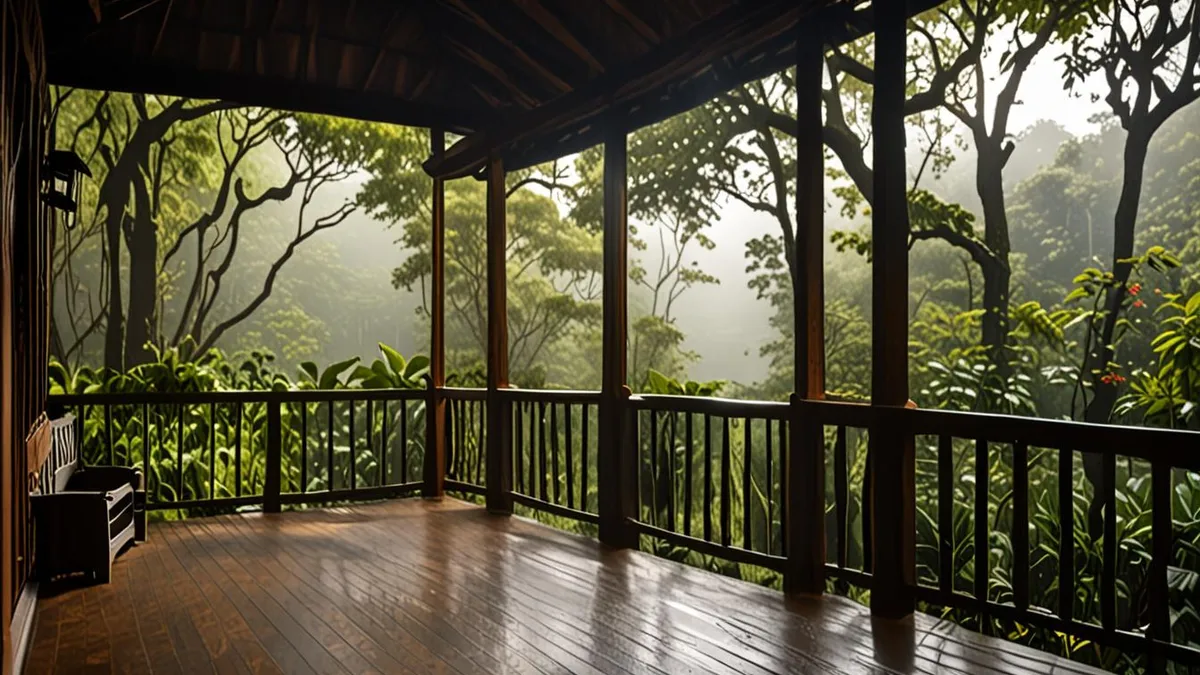
Brazil’s lodge calendar depends entirely on which lodge you mean. For wildlife, the June to October dry season in the Amazon and Pantanal is the clear winner: water levels drop, animals gather at rivers and waterholes, and trail and boat access improve dramatically. This is when wildlife watching lodges deliver their most memorable sightings.
Head to the coast and the logic reverses. December to March is hot and wet inland, but it’s prime beach lodge season along the Atlantic shore, with the driest, busiest weather of the year. If your idea of a lodge is a hammock and an ocean view, that’s your window.
Chapada Diamantina, Brazil’s hiking heartland, follows the inland pattern. The best trekking conditions run May to September, when trails are dry and waterfalls still flow, making multi-day hikes far more pleasant than in the rainy months.
- Transition months stretch your budget: April-May and November bring lower prices and thinner crowds, though expect some rain as seasons shift.
- Pantanal vs. Amazon timing differs: the Pantanal’s open wetlands are easiest to explore at the height of the dry season, while Amazon lodges can operate year-round with varying access.
- River levels affect itineraries: in high-water months, some Amazon lodges switch from trails to canoe-based excursions, which is a different but rewarding experience.
- Coastal shoulder weeks: early December and late March can offer good beach weather with fewer families than peak holiday weeks.
For a closer look at the wildlife side, see our guide to Amazon rainforest lodges for wildlife travel.
Best Time to Visit Lodges in Argentina
Argentina’s lodge calendar splits neatly between mountains and vineyards. Patagonia lodges operate from November to March, when days are long and trails are accessible. January and February sit at the center of that window, bringing the warmest weather and the biggest crowds, so expect fuller dining rooms and busier trailheads if you travel then.
Wine country runs on a different rhythm. Mendoza lodges are at their best during harvest, which falls between February and April, when the vineyards are buzzing with picking and crushing activity and daytime temperatures stay mild. If you want to see winemaking in action rather than just taste the results, that is the stretch to aim for. Our guide to Mendoza wine lodges for relaxed escapes goes deeper on choosing the right property.
Traveling outside the peak has real advantages. October and April are shoulder months in Patagonia, and lodges commonly cut rates and see far thinner crowds, though weather can be less predictable. Families should note that Argentine summer school holidays run from December to February, which makes that window the most practical one for lodge trips with kids.
- October in Patagonia: spring conditions mean wildflowers and fewer hikers on popular trails, plus a better chance of lodge upgrades when occupancy is low.
- April in Mendoza: late harvest brings bonfires and end-of-season celebrations at many wineries, adding atmosphere beyond the standard tasting circuit.
- December family bookings: reserve family rooms and connecting suites early, since lodges with kid-friendly facilities sell those configurations first during the holidays.
- Shoulder packing tip: Patagonia weather shifts quickly in October and April, so layered clothing matters more than in the stable summer months.
Matching Your Trip Style to the Right Month
The best month for a lodge stay depends less on the calendar and more on what you want from the trip. A hiking holiday needs dry, stable conditions above all else. September in Canada delivers crisp air, reliable trails and long enough days for full routes, while May in Brazil’s Chapada Diamantina works well because the trails have dried out after the rains but the landscape is still green.
Family and group trips usually have to work around school schedules. That pushes you toward July in the northern hemisphere or the December-January holidays, which are peak season almost everywhere. The trade-off is crowds and higher rates, so these trips reward early planning more than any other style of travel.
Relaxed stays are the opposite case. If your plan involves spa treatments, long lunches and scenic views rather than summit attempts, shoulder months like May, September and April offer quiet luxury at noticeably lower rates. Wildlife travel follows its own logic: in Brazil, dry-season months concentrate animals near shrinking water sources, which makes sightings far easier than in the wet months when animals disperse.
- Hikers: check trail-opening dates before booking, since some high-altitude routes in Canada stay snowbound into early June.
- Group travelers: lodges often cap group sizes, so confirm capacity for your full party at the same time you check rates.
- Slow-travel fans: shoulder-month guests frequently get more attention from staff, from flexible meal times to spontaneous local tips.
- Wildlife photographers: the June to October dry window in the Pantanal also means clearer light and lower water levels for boat-based shooting.
Booking Timing and Price Strategy
Lodge pricing follows a simple rule: the narrower the good-weather window, the earlier you should book. Popular wilderness lodges in Canada and the flagship properties in Patagonia are in high demand for the summer high season, and the best rooms tend to disappear first. Waiting until a few weeks before departure usually means choosing between leftover rooms, awkward dates or a completely different property, so treat your reservation as part of the trip planning rather than an afterthought.
How to Save Without Sacrificing the Experience
The most effective lever is timing your stay in a shoulder month. Shifting your trip to May, June, September or October can often cut lodge rates by 20-40% compared with peak season, and you get quieter trails and more attentive service as a bonus. If your dates are fixed around school holidays, book as early as the lodge opens its calendar instead, since those weeks sell out first and rarely get discounted.
Check the Lodge Is Actually Open
Before you fall in love with a property, confirm it operates during your travel window. Remote lodges, especially in Patagonia and the Canadian wilderness, sometimes shut entirely between seasons for maintenance or because access becomes difficult. A lodge that looks available online may simply have an outdated listing, so email the property directly to confirm opening dates and any seasonal restrictions on activities like boating or guided excursions. Ask about minimum stays too, since some remote properties require two or more nights, particularly around holidays. A few minutes of checking saves an unpleasant surprise at check-in.
Wrapping Up Your Lodge Season Plan
Finding the right month for a lodge trip comes down to matching the region to the season. Canada and the United States peak from June to September for lakes and from December to March for snow. Brazil favors June to October for wildlife in the Amazon and Pantanal, while December to March is prime for coastal beach lodges. In Argentina, Patagonia runs strongest from November to March, and Mendoza’s wine country shines from February to April during harvest.
Two levers control most of the cost and availability: shoulder months and early booking. Shifting your stay to May, June, September or October can often cut rates by 20-40% compared with peak season, and reserving popular wilderness lodges three to six months ahead keeps your options open. Match the season to the experience you want, and the same calendar that closes one lodge opens another. If this helped you plan, leave a comment or share the article with a fellow traveler.