Choosing between connecting rooms vs suites is one of the most common booking dilemmas families face. Both options promise extra space, but they solve very different problems. Connecting rooms split your family across two private rooms with a door in between, while a suite keeps everyone under one roof with a shared living area. The differences matter for privacy, safety and, perhaps most of all, price.
Get it wrong and you can end up paying more than you need to, or squeezing five people into a setup that leaves nobody well rested. This guide breaks down how the two options actually differ, when each one wins, how to secure connecting rooms that are rarely guaranteed at booking, where the real savings are, and the safety checks to run before you pay. By the end, you’ll be able to match the room setup to your kids’ ages and your travel style with confidence.
Connecting Rooms vs Suites: The Core Differences
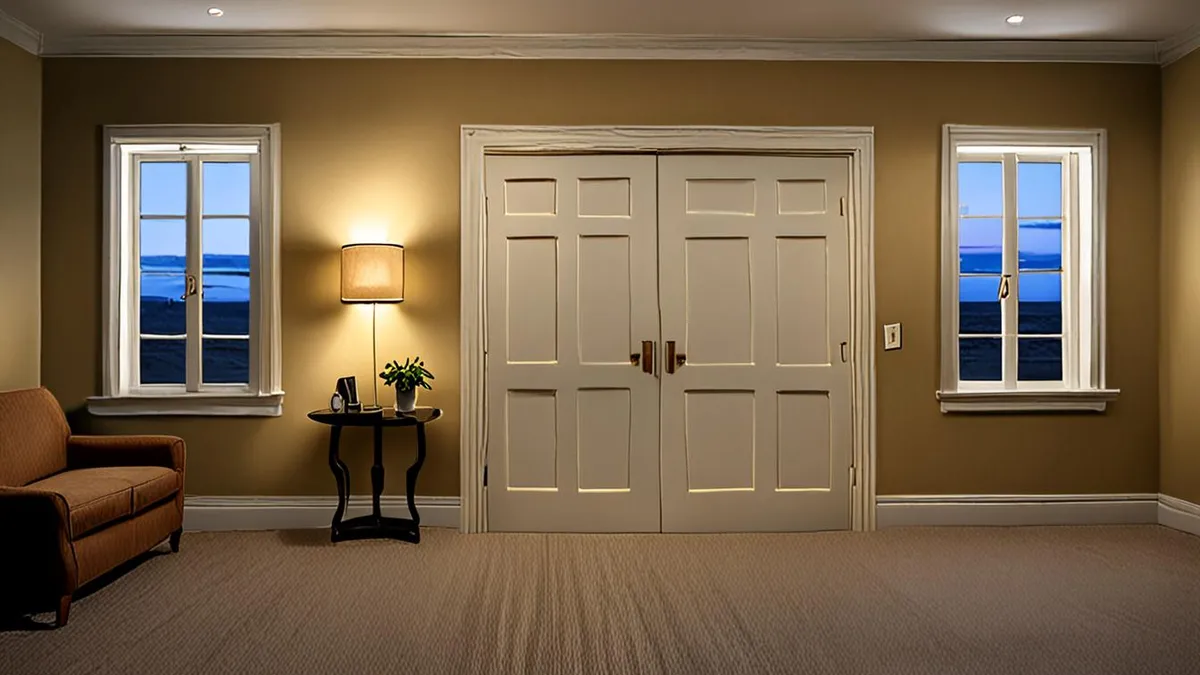
Connecting rooms are exactly what the name suggests: two separate standard rooms joined by an internal door. Each side functions as a complete room on its own, which usually means two bathrooms, two TVs and two distinct entry doors to the hallway. The internal door is the only thing linking them, and it can typically be opened or kept locked from either side.
A suite, by contrast, is one single unit. You get a sleeping area plus a separate living space, and many family suites add a kitchenette with a small fridge and microwave. There is no internal door because there is no second room, just one larger footprint divided into zones.
Privacy versus shared space
This structural difference drives everything else. Connecting rooms offer true privacy between adults and kids: teenagers get their own TV and bathroom, and parents get their own quiet zone. Suites keep everyone in one shared space, which makes supervision easier but means noise travels and there is nowhere to escape.
There is also a trade-off in capacity and square footage. Connecting rooms usually provide more total beds, since you effectively have two full rooms’ worth of sleeping arrangements. Suites provide more shared living space in one open layout, which suits families who spend evenings together in the room. Neither setup is universally better; the right choice depends on how your family actually uses a hotel room.
When Connecting Rooms Are the Better Choice
If your kids are teenagers, connecting rooms are usually the clear winner. Teens want their own room, their own TV and, above all, their own bathroom. Forcing a fourteen-year-old to share a sofa bed in the same open space as their parents is a recipe for grumpy mornings on every day of the trip. With two separate rooms joined by an internal door, everyone gets a genuine door to close, and the family still stays connected in seconds. That balance of togetherness and independence is exactly what makes this setup so appealing once your kids hit their teen years and start valuing personal space.
The two-bathroom setup is the other quiet benefit that parents only fully appreciate once they’ve had it. Morning routines get cut in half when two people can shower and get ready at the same time, which matters enormously on days with early tours, flights or checkouts. Nobody is knocking on the door, nobody is waiting with wet hair, and the whole family starts the day calmer. Combined with the extra sleeping space, it can make a long trip noticeably easier.
- Younger kids stay close at night. The internal door lets parents keep toddlers or young children in the adjoining room, so you can hear them and check on them easily, while the door stays closed for daytime privacy and naps.
- Real savings in high season. Two connecting rooms often cost 20-40% less than a comparable family suite when demand is high, so you may get more beds and a second bathroom for less money.
- More total sleeping capacity. Because you have two standard rooms, you typically get more actual beds than a single suite offers, which matters for families of five or six.
The main catch is availability. Connecting rooms are limited inventory at most properties, and only a fraction of rooms physically connect, so the setup you want may not exist on your dates unless you plan well ahead. Treat the request as something to chase, not something to assume, and your odds improve considerably.
When a Family Suite Wins
Families with toddlers tend to be happiest in a suite, and the reason is simple: everyone stays in one supervised space. When your two-year-old goes down for a nap in the bedroom area, you are steps away in the living area, with no internal door to worry about. You can move around, take a phone call or unpack while the little one sleeps, all without tiptoeing past a second room.
That separate living area is also what saves your evenings. Once the kids fall asleep, parents can talk, watch TV or have a drink without huddling silently in a bathroom or whispering in the dark, which is often the reality in a standard room. The extra square footage of an entry-level suite gives everyone room to spread out, and many suites include a small dining table where you can feed the kids without balancing plates on the bed.
- Kitchenettes handle the small stuff. A fridge and microwave make baby food, bottles and simple breakfasts easy, and they cut down on restaurant meals, which adds up over a multi-day stay.
- One key, one entry, one bill. For shorter stays of 1-3 nights, having a single door and a single folio simplifies logistics: nobody gets locked out, and checkout involves one room, not two.
- Family suites commonly sleep 4-6. Sofa beds or rollaways extend the capacity of one unit, which can be enough for larger families without booking anything extra.
Suites do cost more at most properties, so the convenience comes at a price. For short stays with young children, though, many parents find the shared layout and kitchenette well worth the premium.
How to Actually Secure Connecting Rooms
Connecting rooms sound perfect on paper, but there is a catch: only a small fraction of rooms in most hotels physically connect. Hotels simply do not build many internal doors between rooms, which makes this inventory limited by design. That scarcity makes connecting rooms some of the first to disappear, especially around school holidays and other peak travel windows, when families are competing for the same handful of configurations. The good news is that securing them is mostly about timing and follow-up, not luck. A little persistence before and after booking dramatically improves your odds, and it costs you nothing but a few phone calls. Here is how to do it right.
- Book 3-6 months ahead. For peak travel windows, this lead time gives you a real shot at the limited connecting inventory before other families claim it. Waiting until a few weeks out usually means choosing between a suite or rooms across the hall from each other.
- Call the hotel directly after booking. Online requests are rarely guaranteed, so pick up the phone once your reservation is confirmed. Ask the front desk or reservations team to link your two bookings and note the connecting request on both reservations. Get a confirmation name or reference if you can.
- Be specific about the connection type. “Adjoining” and “adjacent” are not the same thing. Adjoining rooms share an internal door; adjacent rooms are simply next to each other or across the hall. Say exactly which one you need, because staff can only honor what you actually request.
- Reconfirm twice. Call or email about 48 hours before arrival to verify the request is still attached to your booking, then ask again at check-in. If the connection fell through, this is your chance to negotiate an alternative, such as rooms as close together as possible, before you unpack.
If you are planning travel during the busiest weeks of the year, pairing this early-booking approach with a few pricing strategies can make a noticeable difference. Our guide on how to book hotels in high season without overpaying walks through the details.
Cost Comparison and How to Save
Price is where the connecting rooms versus suite decision gets interesting, because the gap is often bigger than families expect. At the same property, expect a suite to run 30-60% more than two standard rooms. That premium buys you a separate living area, but it does not necessarily buy you more beds or bathrooms.
Where connecting rooms win on price
Two connecting rooms frequently beat a comparable family suite on cost, and they throw in a second bathroom and a second TV as a bonus. In high season, when suites are the first room type to sell out, hotels sometimes price the remaining suites aggressively. Locking in connecting rooms early protects you from that last-minute suite-only pricing.
Do the per-person math
Before assuming two rooms are cheaper, compare the cost per person. A suite that sleeps five can undercut two connecting rooms that sleep four, especially if the suite’s sofa bed or rollaway is comfortable enough for your crew. Family suites commonly sleep 4-6, so a larger family may genuinely come out ahead with one big unit.
The practical approach is simple: price both configurations at the same hotel for the same dates, divide each total by the number of sleepers, and factor in the value of a second bathroom. The cheapest option on paper is not always the cheapest once morning routines are involved.
Safety and Comfort Checks Before You Book
Once you have settled on a room type, a few quick checks before you book can save you from uncomfortable surprises. Hotels vary widely in how they configure both connecting rooms and suites, and the details that matter most depend on your kids’ ages. Connecting rooms usually total 350-500 sq ft versus 400-700 sq ft for an entry-level suite, so it pays to ask about actual dimensions rather than assuming either option will fit your family comfortably. Ask these questions before you confirm, not after you arrive.
- Door locks on connecting rooms. If you have teenagers, confirm the internal door locks from both sides. Privacy matters more as kids get older, and some connections only lock from one room. Ask specifically whether the door is a true internal door or simply an adjoining wall.
- Room location. Ask for rooms away from elevators and ice machines. Foot traffic and mechanical noise are the two most common complaints on family floors, and they hit hardest at nap time and bedtime. A corner location or a room near the end of a hallway is often quieter.
- Sleeping configuration. Check exactly what the suite sleeps and on what. Family suites commonly sleep 4-6 with sofa beds or rollaways, but a sofa bed that works for one night may not suit adults sleeping two nights or more, so ask whether a real bed or a rollaway is available instead.
- Cribs and rollaways. Verify availability before booking, since connecting rooms and suites handle extras differently. Some suites count the rollaway toward maximum occupancy, while connecting rooms may have more flexibility for adding a crib.
It also helps to ask about layout specifics, such as whether the suite’s living area has a door or is an open alcove, and whether the bathroom setup suits a family getting ready at the same time. If you are comparing connecting rooms against a suite, remember that suites typically cost 30-60% more than two standard rooms at the same hotel, so the answers to these questions can also settle which option is worth the money. A five-minute phone call covering these points is the difference between a room setup that works and one you spend the week working around. Take notes during the call and ask for any special arrangements to be noted on your reservation.
The Bottom Line for Family Bookings
When both options promise more space, the choice really comes down to your kids’ ages and how you travel. Connecting rooms suit families with older kids who want privacy, a second bathroom and a lower price, often running 20-40% less than a comparable suite in high season. Suites suit families with young children who value one shared, supervised space and the convenience of a kitchenette.
Whichever way you lean, book early, call the hotel to confirm your setup, and match the room configuration to your kids’ ages rather than to the photos. Have you chosen connecting rooms or a suite for your last family trip? Share your experience in the comments or pass this article along to a fellow traveling family.