Many first-time winter guests book a ski resort hotel without knowing what amenities, costs and daily routines to expect once the snow season starts. The result is often surprise: boot rooms and drying cabinets you didn’t know to look for, shuttle schedules that shape your mornings, and a rhythm to the day that revolves around lift hours and early dinners.
This guide walks you through what actually happens at a ski resort hotel in winter. We’ll cover when the season runs and how far ahead to book, whether ski-in/ski-out access is worth the premium, the rooms and facilities you can expect, how dining and après-ski work, what a typical day looks like from breakfast to bedtime, and what the whole trip really costs. By the end, you’ll know exactly which questions to ask before you reserve your room.
When Winter Season Starts and How Far Ahead to Book
Most ski seasons run from late November to early April, though the exact dates vary by resort and altitude. The sweet spot for snow quality is mid-December to late February, when bases are deep and most lifts and runs are fully open. Early season weeks can have thin cover on lower slopes, while spring skiing often means slushy afternoons.
Booking peak dates
Christmas, New Year and February school-break weeks are the busiest and most expensive of the season. For these dates, reserve your room 3-6 months ahead. Popular family hotels near the lifts often sell out their best room types well before the snow falls, and last-minute deals during peak weeks are rare.
The shoulder-season advantage
If your schedule is flexible, aim for early December or late March. Rates typically drop to roughly $120-250 per night, and the slopes are noticeably quieter. You trade a bit of snow certainty for lower prices, shorter lift lines and easier restaurant reservations. Check the resort’s stated opening and closing dates before you lock in your week, since they can shift with conditions.
Location Matters: Ski-In/Ski-Out vs Shuttle Access
The single biggest comfort factor at a ski resort hotel isn’t the room—it’s how you get to the lifts. Ski-in/ski-out properties sit right on the slopes, so you clip into your skis at the door and glide to the lift. No carrying gear, no waiting for transport, and an easy lunch stop back at your room if you want one.
What that convenience costs
Direct slope access comes at a price. Ski-in/ski-out hotels usually cost 30-50% more per night than comparable shuttle-served properties. Over a week-long stay, that premium can add up to the cost of an extra night or two elsewhere, so it’s worth deciding how much you value those saved minutes each morning.
Shuttle-served and village-center hotels
Hotels a short distance from the slopes typically rely on free shuttle buses, which in winter usually run every 15-30 minutes. You’ll need to budget extra time in the morning and keep an eye on the last bus back. The trade-off is a lower nightly rate and often larger rooms for the same money.
Village-center locations are a middle path: restaurants, shops and après-ski bars are walkable from your door, which makes evenings easy. The downside is noise—bars and pedestrian streets stay lively late, so light sleepers should ask for a room away from the street side or the bar floor.
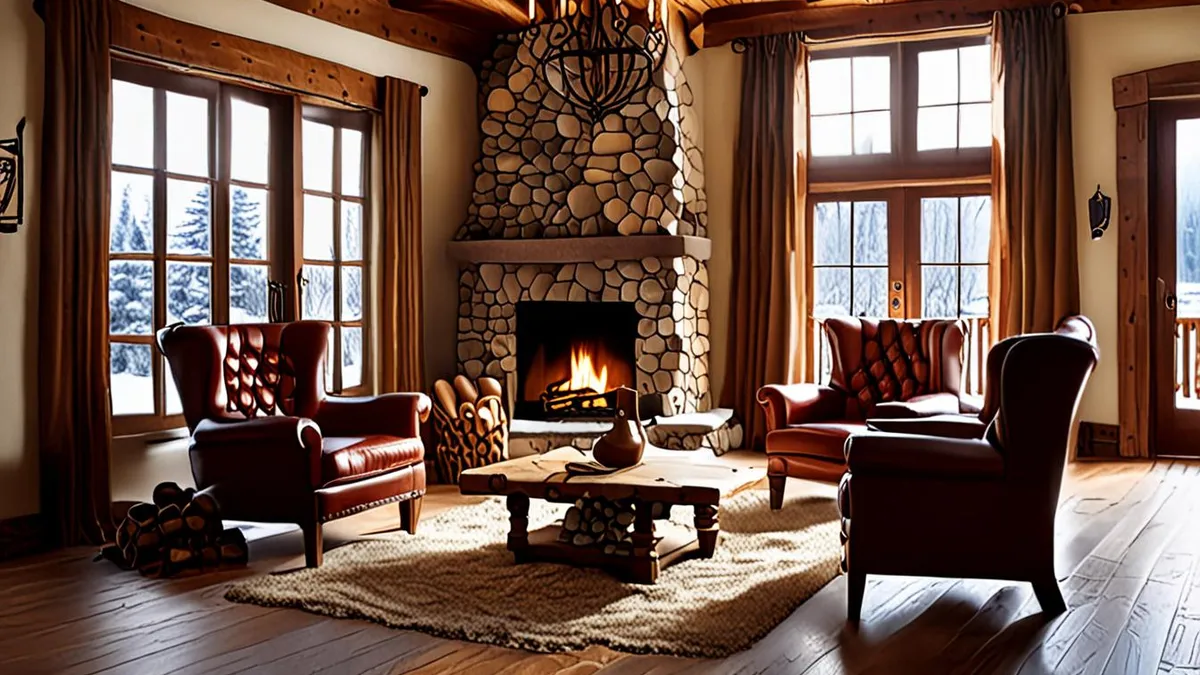
Rooms and Facilities You’ll Find at a Ski Resort Hotel
The moment you step into the lobby of a ski resort hotel, you’ll notice the gear zone. Heated boot rooms, individual ski lockers and drying cabinets sit near the entrance, so wet gloves and liners are warm and dry by morning. This setup is standard at most 4-star ski hotels, and it’s one of the things that separates a proper ski hotel from an ordinary one that happens to be near a mountain.
Most 4-star properties also include wellness facilities for post-slope recovery: heated pools, hot tubs and saunas. After a day in cold air, a soak before dinner becomes part of the routine rather than a luxury.
Family rooms deserve a close look before you book. Many resorts offer rooms with bunk alcoves or sofa beds, but the total floor space varies a lot between properties. Check the square meters listed for the room, not just the bed count—a room sleeping four can range from cozy to genuinely cramped.
- Boot room position matters: ask whether it’s at the slope-side entrance or in the basement, since this affects your morning routine and how far you carry gear.
- Drying cabinets vs. open racks: enclosed drying cabinets handle gloves and helmets overnight; open racks may leave damp items by morning.
- Bunk alcove layout: these are usually in the entry area of the room, which works well for kids but offers less privacy than a separate bedroom.
- Pool and sauna hours: wellness areas often have set closing times, so check them if you plan an evening soak after dinner.
Dining, Half-Board and Après-Ski
Food can make or break a ski trip, and the first decision most travelers face is whether to book half-board. These packages bundle breakfast and dinner into your room rate, typically adding $40-80 per person per day. That sounds like a lot until you consider where many resorts sit: high in remote valleys where the nearest supermarket or affordable restaurant may be a shuttle ride away. Having dinner waiting at the hotel saves time, energy and the hassle of driving on icy roads after a long day on the slopes.
There is also a simple math argument for eating at your hotel. Mountain restaurants on the slopes charge premium prices for the convenience of not having to ski down with a full stomach, and a single lunch of soup, a main dish and a drink can rival what you would pay for a full dinner in the valley. If you do buy lunch on the mountain, a hearty hotel dinner often pays off over the course of a week. If you are weighing meal plans more broadly, it helps to read about all-inclusive hotels versus standard hotels before you commit.
Après-ski hours
Après-ski is its own ritual, and timing matters. Bars in the hotel or village peak between 4 and 7 pm, right after the lifts close, when skiers arrive still in their boots with rosy cheeks. If you want the lively atmosphere, join early; if you prefer a quiet drink, wait until the crowds thin out after dinner. Either way, ask at reception which spots stay open late, since hours can vary a lot from village to village.
What a Winter Day at a Ski Resort Hotel Looks Like
A day at a ski resort hotel follows a rhythm that becomes second nature by day two. Everything is built around one goal: getting onto the slopes early, when the snow is still smooth and the lift lines are short. If you have never stayed at one before, the schedule can feel surprisingly strict, but most guests settle into it quickly. Here is how the day typically unfolds.
- Early breakfast: Most hotels open the dining room early enough for skiers, usually by 7-7:30 am. A solid breakfast matters more than on a city trip, since you will burn serious calories in the cold. Grab extra water and a snack from the buffet if the hotel offers one.
- Gear pickup: Stop at the heated boot room on your way out. Your boots will be warm and dry, your skis waiting in the individual locker, and your gloves dried overnight in the cabinets. This alone saves ten minutes of fumbling in a cold hallway.
- First lifts: Aim to be at the lifts around 8:30-9 am. The first hour often delivers the best snow conditions of the day and the emptiest pistes, especially on groomed runs that were freshly prepared overnight.
- Midday break: You have two options: eat lunch at a mountain restaurant to maximize ski time, or ski back to the hotel for a cheaper meal and a short dip in the heated pool before heading out again. Skiing back also lets you drop layers you no longer need.
- Afternoon session: A shorter afternoon ski round lets you finish as the lifts close, arriving back at the hotel tired but not wrecked. Watch the light in late afternoon, since flat light and icy patches make the last runs the trickiest of the day.
- Evening recovery: Dinner, a sauna or hot tub session, and an early night. Most guests are asleep well before midnight because the next morning comes quickly. Stretching before bed genuinely helps if you plan several ski days in a row.
The rhythm surprises some first-timers with how early it starts and ends, but that is exactly why skiers return year after year. Days on the mountain demand more energy than most people expect, so the early evenings are less a hotel rule than simple physics. The hotel structure supports it: warm boots, hot food and a spa within a few steps of your room. By day three, most guests stop setting multiple alarms and let the routine carry them. Non-skiing travel partners usually adapt too, since the quiet mornings suit slow breakfasts, spa time or a walk around the village before lunch.
Budgeting: What a Ski Resort Hotel Really Costs in Winter
Ski resort hotel prices swing more than almost any other type of accommodation, and the calendar is the main reason. During the busiest holiday stretches of winter, nightly rates typically run $250-600. Shift your trip to the quieter shoulder weeks at the start or end of the season and the same room often costs far less, with emptier lifts as a bonus.
The room rate, however, is only part of the bill. A ski trip carries daily extras that catch many travelers off guard, so budget for them from the start. These typically include:
- Ski passes: Lift tickets are priced per day and per resort, and large ski areas charge more than small local hills. Many resorts offer discounts if you buy passes online in advance rather than at the ticket window.
- Equipment rentals: Skis, boots and poles rented for a full week cost noticeably less per day than daily rentals, and packages that include helmets are often available for families.
- Parking: If you drive to the resort, expect paid parking at most hotels and lift stations, and underground garages generally cost more than open lots.
Together, ski passes, rentals and parking can add $60-120 per person per day on top of your room. And keep one factor in mind when comparing hotels: direct slope access is the biggest single price driver, so a property that lets you ski back to the door will usually cost noticeably more than one served by a shuttle bus. Whether that premium is worth it depends on your group, your ski level and how much you value stepping out of your boots right at the entrance instead of hauling your gear to a bus stop.
Wrapping Up Your Ski Resort Hotel Stay
A ski resort hotel in winter is more than a place to sleep. It combines slope access, gear storage, spa facilities and a set daily rhythm: early breakfasts, boot rooms before the lifts, hot tubs after the last run and quiet evenings to recover. Once you know that routine, the whole experience feels far less intimidating for a first-time winter guest.
The main decisions come down to timing and location. Booking 3-6 months ahead secures the rooms you want for peak weeks, and choosing between ski-in/ski-out access and a shuttle-served hotel shapes both price and convenience. Knowing the season window and typical nightly costs also helps you pick the week and room type that fit your trip and budget. If this guide helped you picture your first ski resort stay, leave a comment or share it with someone planning a winter trip.