Every couple dreams of a honeymoon that feels special, but many put off booking because they assume romance automatically means a four-figure hotel bill. The good news: a honeymoon on a budget is absolutely possible, and it has far more to do with smart planning than with how much you can spend. The right timing, the right room and a little honesty at check-in can transform an ordinary hotel stay into something memorable.
This guide walks you through the decisions that matter most. You’ll learn why travel dates can swing your price more than the hotel itself, how to book early without overpaying, and how to pick a room that suits two people rather than a tour group. We’ll also weigh all-inclusive resorts against standard hotels, suggest destinations that deliver romance at moderate prices, show you how to read star ratings without falling for hype, and pull everything together into a simple plan you can actually follow.
Why Timing Is Everything for a Honeymoon on a Budget
Nothing moves the price of a hotel room more than the calendar. The same beachfront property that charges peak-summer rates in July can cost dramatically less just a few weeks earlier or later, with the room itself unchanged. That’s why your first honeymoon decision shouldn’t be which hotel to book, but when to travel.
Travel in shoulder season
Aim for May-June or September-October, the sweet spot between high and low season. During these months, hotel rates often drop 20-40% compared to peak summer, while the weather in most destinations remains pleasant and the crowds thin out considerably. You get the same pool, the same beach and the same sunset, at a fraction of the price. Check your destination’s specific shoulder season before committing, since it varies by region.
Shorten the stay and shift the check-in
A shorter trip also stretches your budget further than you might expect. Plan a 4-5 night stay instead of a full week, and put the savings toward a better hotel or a nicer room category rather than extra nights at a place you can barely afford. Four well-chosen nights often feel more romantic than seven rushed ones.
Finally, think about which day you arrive. A midweek check-in between Tuesday and Thursday is typically cheaper than a weekend arrival, because hotels price their busiest nights highest. Arriving midweek also means you’ll enjoy the quietest, least crowded version of the property during your first, most exciting days together.
Booking Early Without Overpaying
Once your dates are set, how you book matters almost as much as where you book. A few deliberate steps can lock in a better rate and add free extras that many couples never think to ask for. The good news is that none of this takes special skills or insider contacts — just a bit of patience and a short checklist you can work through in an evening with a cup of coffee.
- Book 2-4 months ahead. This window usually secures the best honeymoon hotel rates: rooms are still widely available, so hotels compete on price, but you’re close enough to your trip that demand-based discounts haven’t vanished. Booking much earlier rarely saves more, and waiting until the last minute almost always costs you. If your heart is set on a specific property or a popular destination, aim for the earlier end of that window rather than pushing your luck.
- Compare direct rates with booking platforms. Check the hotel’s own website and call or email them directly, then check the major booking platforms for the same dates and room type. Platforms sometimes offer lower headline prices, while hotels often match those rates and throw in better flexibility or perks when you book direct. Take ten minutes to compare both before committing, and pay attention to cancellation terms — a slightly higher rate with free cancellation can be worth it in case plans shift.
- Mention it’s your honeymoon at booking time. This is the easiest win in the entire process. Many hotels offer free perks for honeymooners who mention the occasion when they reserve, such as a bottle of champagne, a room upgrade when available, breakfast or a late checkout. There’s no fee and no obligation on your side, so put it in the notes field or say it on the phone. Some properties may ask for simple proof, like a copy of your marriage certificate, so it’s smart to pack one just in case.
One practical tip: keep a simple note of the rates and perks you find at each step, so you can compare offers fairly and follow up with the hotel if something changes before arrival. A short email confirmation of any promised perks also helps avoid awkward conversations at the front desk.
Choosing the Right Room Type for Two
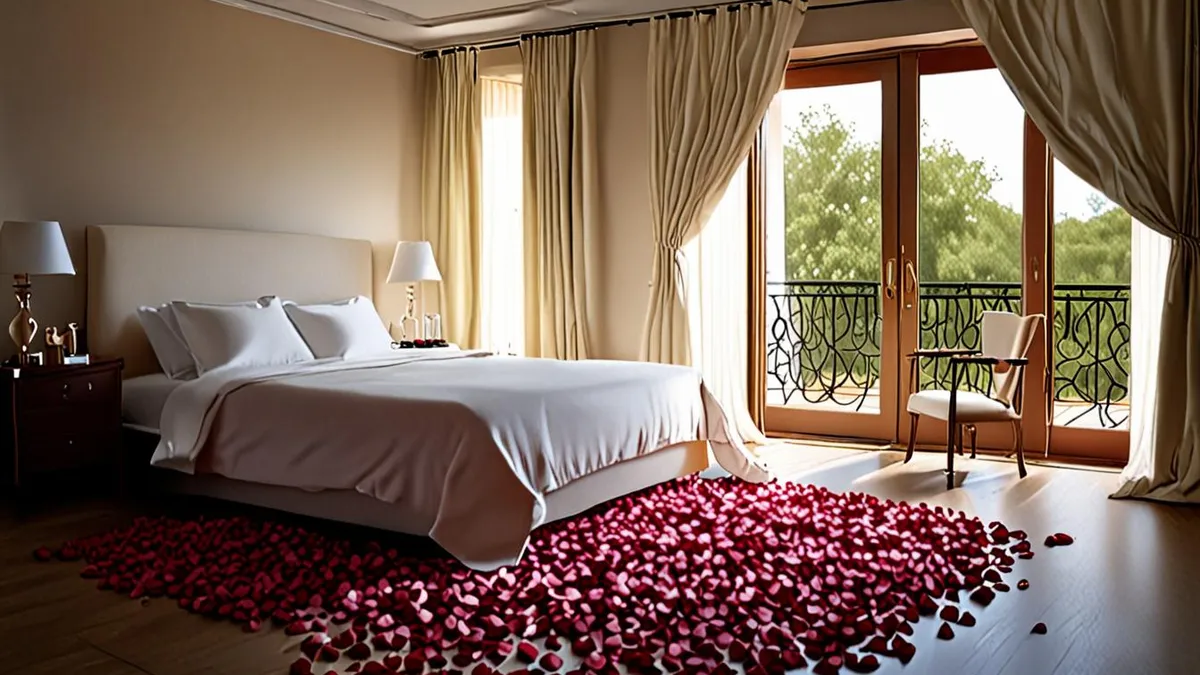
The room you choose shapes your honeymoon more than any other hotel decision, because it’s where you’ll actually spend your time together. This is also where a small upgrade can feel enormous, and where a wrong choice, like two separate beds, can deflate the whole mood.
Decide if the view is worth it
Upgrading from a standard room to a view room often adds 15-30% to the nightly rate, so treat it as a conscious choice rather than a default. If you plan to spend mornings on the balcony with coffee and evenings watching the sunset, that upgrade may be the best money you spend. If you’ll be out exploring from dawn to dusk, a standard room frees up budget for a nice dinner or an extra night. Be honest about how you’ll use the room before you pay for the view.
Ask about position and setup
Location within the hotel matters too. When you book, ask about corner rooms or end-of-corridor rooms, which offer extra privacy and quieter stays since fewer neighbors share your walls and no one walks past your door. Front-desk staff can usually note these requests in your reservation, especially if you’ve mentioned it’s your honeymoon.
Before confirming, check two details that matter most for couples. First, the bed configuration: confirm you’re getting one large bed, not two twins pushed together, which is common in some regions. Second, the bathroom setup: decide whether you want a tub for soaking, a walk-in shower, or both, and verify the room category you’re booking actually has it. A quick email to the hotel settles all of this in minutes and prevents disappointment on arrival.
All-Inclusive vs Standard Hotels for Honeymoons
One of the biggest decisions for a honeymoon on a budget is whether to book an all-inclusive resort or a standard hotel. All-inclusive resorts in popular honeymoon destinations typically run roughly $150-400 per night for two, but that price bundles your meals and drinks. You pay more upfront, yet you know exactly what the trip will cost before you leave home.
Standard hotels usually cost less per night, but the extras add up quickly. For two people, plan on an estimated $80-150 per day for dining and activities, sometimes more in resort towns or major cities. A cheap room can quietly become an expensive trip if every dinner, cocktail and excursion is billed separately.
Neither option is objectively better — it depends on how you like to travel. If you want a deeper comparison, this guide to all-inclusive hotels versus standard hotels breaks down what to expect from each style.
- Predictability: With an all-inclusive, there are no surprise dinner bills, so your budget stays fixed from day one — helpful if you are paying for the wedding and the honeymoon at the same time.
- Flexibility: A standard hotel lets you eat where locals eat, skip a mediocre resort buffet and splurge on one memorable dinner instead of paying for every meal whether you want it or not.
- Hidden value: All-inclusive rates often cover activities like kayaks, snorkeling gear or evening entertainment, which would cost extra at a standard hotel.
- Effort level: If you want a honeymoon where nobody plans anything, all-inclusive wins; if planning dinners and day trips together sounds fun, a standard hotel suits you better.
Romantic Destinations That Won’t Break the Bank
You do not need a Maldives budget to have a romantic honeymoon. Some of the best value destinations are closer to home than you might expect, and choosing the right place can save you hundreds of dollars per night without sacrificing atmosphere.
Canada: romance at moderate prices
Canada offers romantic hotels, cozy lodges and scenic stays at moderate prices compared to tropical resorts. Think fireplace suites in the mountains, lakeside inns and city hotels in Quebec City or Vancouver that feel special without the premium you would pay on a Caribbean island. Flights from the United States are often shorter and cheaper too, which leaves more budget for the room itself. For inspiration, browse these romantic hotels in Canada for couples.
Timing and property type matter as much as destination
Shoulder-season beach towns and mountain lodges deliver plenty of romance without peak-season pricing. A coastal town in late September or a ski area before the snow arrives means lower rates, thinner crowds and easier reservations at good restaurants.
Also look beyond big resort chains. Boutique properties and homestays often cost less than large resorts, and they frequently come with more character — a family-run inn with a garden breakfast can feel far more romantic than a generic tower with a lobby fountain. Read recent reviews, check what is included in the rate, and you may find that a smaller property gives you a better honeymoon experience for a fraction of the price.
How to Read Star Ratings and Avoid Paying for Hype
Star ratings are a rough measure of facilities and services, not of romance. A well-reviewed 3-star boutique hotel often delivers more charm and atmosphere than a tired 4-star chain with worn carpets and indifferent staff. What matters for a honeymoon is how the room feels, how quiet it is and how well you are treated — none of which a star count tells you.
Before booking, read recent guest reviews and look specifically for comments on noise levels, service and room condition. A hotel can have a shiny star rating but thin walls and a busy road outside. Reviews from the last few months are the most reliable, since ownership and management change more often than you might think.
Check what the stars actually measure
If you want to understand what each rating level really promises, this guide to what hotel star ratings really mean is a useful primer. Ratings typically reflect amenities like restaurants, pools and room service — things you may barely use on a shorter honeymoon stay.
Prioritize the amenities couples actually use
Instead of chasing stars, make a short list of features that matter to the two of you, and filter your search by them:
- A balcony or terrace: Morning coffee with a view often beats any hotel facility. Just remember that a view room usually comes at a premium, so weigh the splurge carefully.
- A tub: A soaking tub turns an ordinary evening into something special, and many mid-range hotels offer one if you look.
- Breakfast included: It saves real money over several mornings and starts each day without a decision to make.
- Adult-only policy: Where available, adult-only properties tend to be calmer, which suits a honeymoon far better than a family resort with a pool full of kids.
A modest hotel that ticks these boxes will almost always beat a higher-rated property that does not. Focus on how a place will feel to the two of you, not the number next to its name.
Putting It All Together
If your honeymoon budget feels tight, remember that smart planning beats a big budget every time. The three biggest savings levers are shoulder-season dates, booking a few months ahead and choosing the right room type. Get those right and you can often shave hundreds off the total without sacrificing an ounce of romance.
Then match the stay style to how you actually want to spend your days. An all-inclusive suits couples who want everything handled, while a boutique hotel or homestay works better if you’d rather wander local restaurants and streets together. In the end, a romantic honeymoon comes from thoughtful choices, not a luxury price tag. If this helped you plan, leave a comment or share the article with a couple who’s about to say “I do.”