Booking a beach hotel and confused by terms like oceanfront, ocean view and partial ocean view that sound similar but deliver very different rooms? You are not alone. Hotels use these labels loosely, and the difference between them can mean the gap between waking up to waves at your terrace and squinting at a distant strip of blue between two buildings.
This guide breaks down oceanfront vs ocean view rooms in plain language. We will explain the core difference and what each term actually guarantees, walk through the full ladder of beach room categories, and show you how to verify a view before you pay for it. You will also learn when the oceanfront premium is worth it, how timing affects prices, and which noise and privacy trade-offs come with each option. By the end, you will be able to match the right room category to your trip, your budget and how much time you actually plan to spend in the room.
Oceanfront vs Ocean View: The Core Difference
The difference between these two labels comes down to one thing: what stands between your room and the water. Once you understand it, hotel listings start making much more sense, and you can spot when a category name is doing some marketing heavy lifting.
What oceanfront actually means
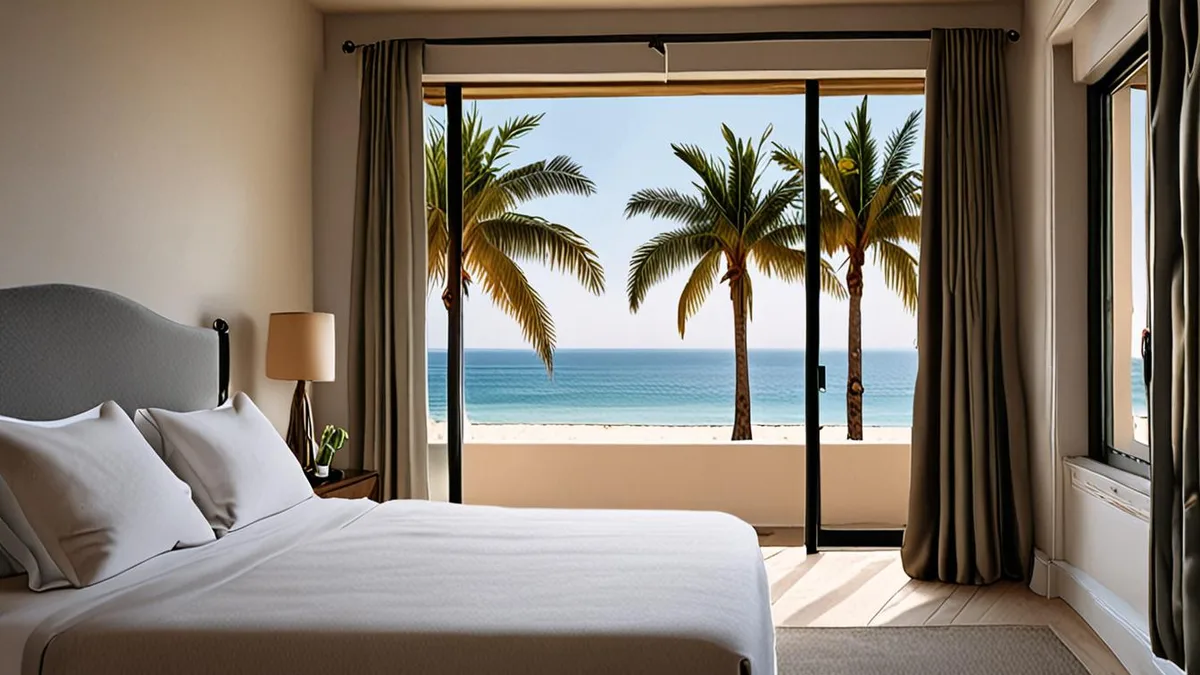
An oceanfront room directly faces the sea, with nothing built between it and the water. No pool deck, no restaurant, no garden wing blocking the line of sight. These rooms usually sit steps from the sand, commonly within 50-100 meters of the shoreline, often with direct beach access. Step onto the balcony and the ocean fills your view from edge to edge.
What ocean view actually means
An ocean view room lets you see the sea, but the hotel itself, a pool deck or the gardens may sit between you and the beach. The sightline can be clear but angled, or it can be distant, especially from a room block set back from the shore. You get a genuine sea glimpse, just not the full frontal panorama.
That difference shows up clearly in the price. Oceanfront rooms typically cost 20-40% more than ocean view rooms at the same property. Whether that premium is justified depends on how central the view is to your trip, which is exactly what the rest of this article helps you decide.
The Full Ladder of Beach Room Categories
Oceanfront and ocean view are just two rungs on a ladder of beach room categories. Hotels have invented plenty of labels in between, and each one signals a different relationship to the water. The cheapest “sea” category is usually partial ocean view, where you might spot a sliver of water from one corner of the balcony, often only if you lean the right way. True ocean view rooms usually sit on upper floors, often floor 4 and above, so the sightline clears palm trees and lower buildings. At the top, oceanfront and beachfront mean direct facing and the closest access, with beachfront sometimes implying private beach access on top of that.
Keep these distinctions in mind when you scan a resort’s room list:
- Partial ocean view: often angled sideways along the coast, so you see water but not the beach in front of the hotel, and the view can disappear entirely if neighboring vegetation grows in.
- Ocean view: the sightline may be over rooftops or across a pool area, and lower-floor rooms in the same category can have a noticeably worse angle than higher ones.
- Oceanfront: usually the widest, straight-on panorama, with the sound of waves as a bonus you do not get from angled categories.
- Beachfront: in some resorts this adds private or reserved beach access, such as dedicated loungers or a gated section of sand, so it can sit above oceanfront in both price and perks.
Some large resorts list 5-10 room categories between standard and oceanfront, each with its own price. Read the full room description rather than trusting the name alone, because “sea view” at one hotel can mean something completely different at the next.
How to Verify the View Before You Book
Room category names are written by marketing teams, but photos, maps and past guests tell the truth. A few minutes of checking before you book can save you from paying an oceanfront premium for a view of a palm tree. Some hotels list 5-10 room categories between standard and oceanfront, so the label alone rarely tells you enough. Here is how to verify what you are actually getting.
- Search guest photos tagged with the room category. Official renders show the best possible angle from the best possible room. Guest photos tagged with the exact category show what real sightlines look like, including the rooms near elevators or at the ends of wings.
- Study the property on a map or satellite view. Zoom in and trace the line between the room block you are considering and the shoreline. This quickly reveals whether a second building, a pool complex or a thick band of gardens stands in the way.
- Email or call the hotel directly. Ask which floor your room would be on and whether trees, rooftops or another wing could block the view. Since ocean view rooms usually need to sit high enough to clear palm trees and lower buildings, often from the fourth floor up, floor level matters more than most travelers expect.
- Read recent reviews mentioning your exact category. Search reviews for the category name you are considering. A review from last month about the “ocean view deluxe” room tells you far more than a generic five-star rating for the whole resort.
Doing this homework takes maybe fifteen minutes, and it is the single best defense against view disappointment. Hotels rarely mislead outright, but they are under no obligation to volunteer that your ocean view looks over the parking lot at a forty-five degree angle. Ask specific questions, and get the answers in writing when you can. If a reservation agent hesitates to confirm the floor, the sightline or the distance to the sand, treat that hesitation as useful information in itself. A genuine oceanfront room, sitting close to the shoreline with direct beach access, is easy for staff to describe in one sentence. Vague answers usually mean the view comes with conditions, and it is better to know them before you pay than after you unpack.
When the Oceanfront Premium Is Worth It
Book oceanfront when the view itself is the point of the trip. Think honeymoon-style getaways, anniversaries, or a milestone escape where you plan to spend real hours on the terrace: morning coffee facing the water, an afternoon nap to the sound of waves, sunset with a drink in hand. If the sea is the main event, the premium pays for itself every evening.
When ocean view is the smarter pick
Choose ocean view if your days follow a different rhythm. Many travelers spend most of their time at the pool, on excursions, or exploring the town, and only want a sea glimpse from bed or the balcony. For that, a clear sightline from an upper floor is usually enough, and the money you save can fund a nicer dinner or an extra activity.
Trip length matters more than most people expect. On a short stay of 2-3 nights, the upgrade has maximum impact because you are still savoring the novelty every time you pull back the curtains. On a two-week trip, that thrill tends to fade by day four or five, and you may find yourself barely glancing at the view you paid extra for. A practical compromise: book ocean view for longer stays and save the oceanfront splurge for quick, special occasions.
Timing and Price: When to Book Each Category
Oceanfront rooms are the smallest inventory category at most resorts, often just a handful of rooms per property. That scarcity is why booking 3-6 months ahead is common for high season beach trips. Wait too long and the category sells out entirely, leaving you with ocean view at prices that were meant for the front row.
Know the seasons before you search
High season beach rates run roughly December to April in the Caribbean and June to August in the Mediterranean. During these windows, the gap between categories widens, and oceanfront rooms can disappear months in advance. If you must travel in peak season, it helps to book high season stays without overpaying by locking rates early and comparing across dates.
Shoulder season is where savvy travelers win. In the weeks just before or after peak season, demand softens and rates drop across the board. This often lets you afford oceanfront for the price of a high-season ocean view, effectively giving you the upgrade for free. Check the resort’s own shoulder-season dates, since they vary by destination and can shift year to year.
Noise, Privacy and Practical Trade-Offs
Oceanfront rooms come with a soundtrack. You are closest to the waves, which many people love, but also closest to beach bars, volleyball courts and the general foot traffic along the sand. Ocean view rooms on upper floors are often quieter precisely because they sit farther back and higher up, away from the beachfront action. That extra distance can also mean less salt spray on your windows and furniture, a small detail that matters more than you might expect on longer stays.
Ground-floor oceanfront rooms are a special trade-off. You get direct beach access, sometimes steps from the sand, but guests walking to the water can look straight onto your terrace. If privacy matters to you, ask for an upper floor even within the oceanfront category. Upper-level rooms also tend to catch better breezes and clearer sightlines past palm trees and dune vegetation.
The most common noise source is not the ocean at all. Ask whether the oceanfront block sits above a pool deck or restaurant, since evening entertainment and early morning setup can carry straight up to your balcony. Sound travels easily over water and open sand, so a venue some distance away can still be audible at night. Before booking, run through this quick checklist:
- Pool deck below: swim-up bars and poolside music often run from morning until late afternoon, so a room above the pool is rarely the quiet choice.
- Ground-floor exposure: beach walkways frequently pass directly in front of ground-level terraces, so request an upper floor if you want to lounge privately.
- Evening venues: ask if a beach bar or event lawn sits near the oceanfront wing, since these tend to host nightly entertainment with sound that carries over water.
- Service areas: kitchens, laundry and staff entrances are sometimes tucked behind beach-facing wings, worth confirming if you are sensitive to early morning activity.
Choosing the Right Room for Your Beach Stay
If you opened this article confused by hotel listings that all seemed to promise the sea, here is the short version. An oceanfront room faces the water directly, with nothing built between you and the shore, and usually sits close to the sand. An ocean view room gives you a sightline to the sea, which may be angled, distant or partial depending on the category. The upgrade from ocean view to oceanfront typically costs 20-40% more at the same property.
Because terms vary so much between resorts, verify the view through guest photos, satellite maps and a direct question to the hotel before you pay. Then match the category to your trip: a short romantic stay justifies the premium, while a two-week trip spent mostly at the pool may not. If this guide helped you sort out the jargon, leave a comment or share it with a fellow traveler planning a beach escape.