Most travelers book an all-inclusive resort expecting exactly that: unlimited drinks from morning coffee to midnight cocktail. Then the surprise hits at the bar. You order a gin and tonic, mention your favorite brand, and the bartender asks for a surcharge. Or you ask for a glass of champagne to celebrate and learn it is not part of the package at all.
The truth is that all-inclusive drinks come with fine print, and it varies from one resort to the next. In this article, we walk through what is typically included in a base package, what usually costs extra, and how bar hours and venue rules can limit your options. We also look at when a premium drink upgrade makes sense, how to verify inclusions before you book, and how drink programs differ between Caribbean beach resorts, Mediterranean clubs and city hotels. By the end, you will know exactly which questions to ask so there are no surprises on your first night.
What All-Inclusive Drinks Are Typically Included
At most all-inclusive resorts, the base drink package covers the essentials generously. During bar opening hours, you can order as many drinks as you like without signing a bill or carrying cash to the pool. The key word is “local”: the included selection is usually made up of domestic beer brands, house wine and standard-tier spirits produced in or near the destination. That sounds limiting on paper, but in practice it covers most of what casual drinkers actually order on vacation. If you are unsure what counts as included at a specific resort, the drinks menu is usually posted at the bars or listed on the hotel’s website.
Cocktails are included too, but with a catch. Bars typically mix from their own house menu, using the local or mid-tier bottles stocked behind the counter. Ask for a specific imported brand by name and you may be told it carries an extra charge. A good habit is to try the house version first; many resorts stock surprisingly decent local rums and gins, and bartenders are often happy to adjust a recipe to your taste.
- Local beer: usually served on draft at pool and beach bars and in bottles at indoor venues, with one or two domestic brands included rather than imported labels.
- House wine: typically offered in red, white and sometimes rosé, poured by the glass at meals and bars, and often from a single regional winery the resort has contracted with.
- Standard spirits: common categories like rum, vodka, gin and whiskey are covered, but the bottles are usually generic or mid-tier rather than recognizable premium names.
- Soft drinks and mixers: sodas, tonic and sparkling water are generally unlimited, though some resorts serve brand-name colas only at certain bars.
- Water, juices, coffee and tea: available at buffet meals and at poolside bars, with bottled water sometimes replacing tap water at venues away from the main restaurants.
If you are happy with a cold local beer by the pool, a glass of house wine at dinner and the occasional rum cocktail in the evening, the standard package will likely serve you well. Heavy coffee drinkers and families with kids also tend to do fine here, since soft drinks, juices, tea and coffee are nearly always part of the base package. The main thing to remember is that “unlimited” applies to the included brands, not to every bottle behind the bar. Knowing that distinction before you arrive saves awkward conversations at checkout and helps you decide whether the base package matches how you actually drink on holiday.
What Is Usually Not Included in All-Inclusive Drinks
Now for the fine print. The drinks most likely to cost extra are the premium ones: imported spirits, top-shelf liquors, vintage wines and champagne. If a resort allows you to add them to your package, the upgrade often adds roughly 20-40% to the base room rate, which is a significant jump for guests who only wanted one nice bottle of wine. Many travelers only discover this when a bartender mentions the brand they requested is not covered, and by then they are already standing at the bar with a drink in hand.
Your hotel room is another common gap. Minibar restocks are often limited to water and soft drinks, with any alcoholic items billed separately to your folio. Room service drinks may be included at some resorts but restricted to certain hours at others, so a late-night beer can end up on your bill. A quick question at check-in about what the fridge includes can save you an unpleasant surprise at checkout.
- Premium and imported spirits: recognizable names in whiskey, gin and vodka are usually surcharged per drink, and the resort may not list those prices anywhere visible.
- Vintage wines and champagne: the house wine is included, but anything from a labeled bottle list, including sparkling wine for celebrations, is typically billed by the bottle or glass.
- Minibar alcohol: even at resorts with a free daily restock, beer and spirits in the room fridge are often excluded and charged at minibar rates.
- Off-resort excursions: drinks on catamaran trips, jungle tours or beach outings away from the property are almost never covered by your package.
- À la carte restaurant wine lists: some specialty restaurants serve only the house wine as part of the package, with anything else on the printed list added to your bill.
None of this makes all-inclusive a bad deal. The base package usually delivers exactly what it promises during bar opening hours, and the gaps only matter if you expected more. Knowing the exclusions ahead of time simply helps you budget honestly and order with confidence.
How Bar Hours and Venue Rules Affect Your Drinks
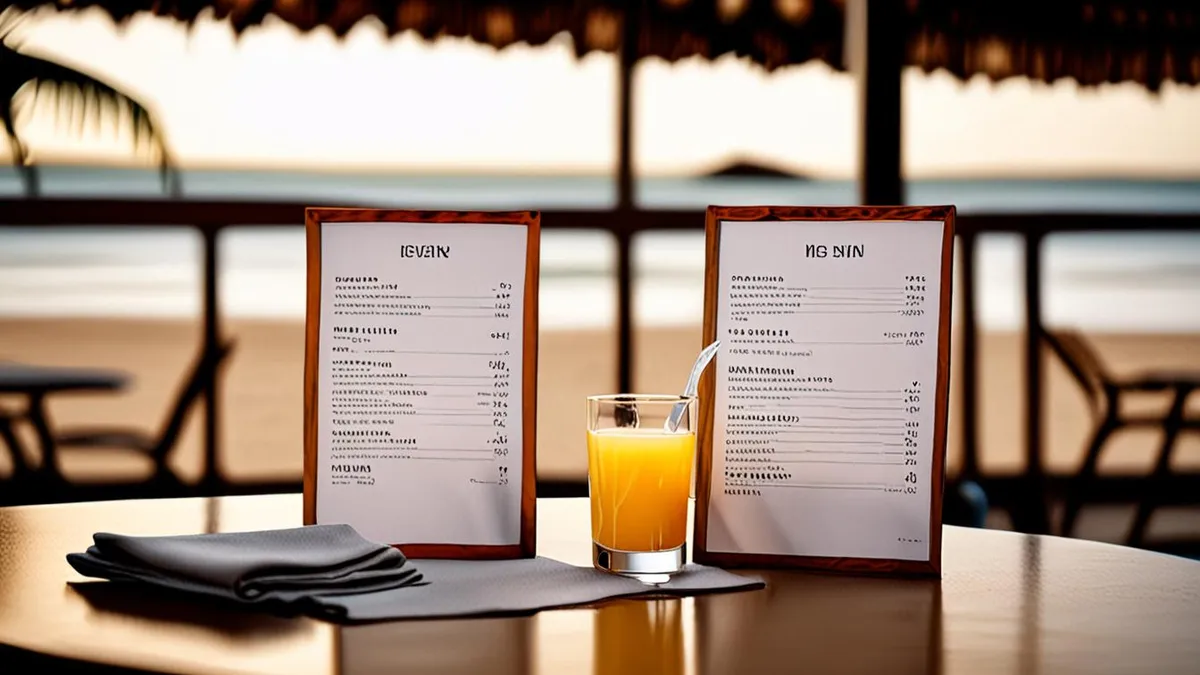
Even a generous drink package has limits built around time and place. The most common one is the bar schedule. Pool and beach bars usually close between 6 pm and midnight, after which only lobby bars serve drinks. If you like a sunset beer at the swim-up bar, check when that bar shuts down, because after it does your options narrow to the lobby, which can feel quieter and more formal than the poolside scene you booked the trip for.
Venue restrictions
Hours are not the only constraint. Some resorts restrict included drinks to specific venues, excluding swim-up bars or specialty restaurants from the base package. A swim-up bar surcharge is rare but real at certain properties, and specialty venues sometimes carry a separate drinks list where only a few items count as included. Ask at check-in which bars honor the package in full, then plan your evenings around them.
Where you can drink
Finally, remember that all-inclusive usually applies only to drinks consumed on resort property. That cocktail you order at the beach club down the road, or the drinks included in a boat excursion, come from a separate vendor and go on a separate bill. If your days involve leaving the resort often, treat the drink package as covering only part of your vacation, and budget accordingly for the rest.
Premium Upgrades: When a Drink Package Upgrade Makes Sense
Many resorts sell their base all-inclusive package with an optional premium drinks tier, and understanding what that upgrade actually buys you is the key to deciding whether it is worth the money. Upgraded tiers typically add top-shelf and imported spirits, better wines by the glass and sometimes minibar restocks that the base package does not cover. The catch is the price: these upgrades can add a meaningful percentage to your total bill, so it pays to treat the surcharge like any other purchase decision rather than a default yes.
So who benefits most? If you genuinely drink imported spirits or a decent glass of wine every day of your vacation, the upgrade can pay for itself quickly. A traveler who orders a gin and tonic with a known imported brand at lunch, wine with dinner and a couple of nightcaps can easily rack up the equivalent value of the surcharge. Casual drinkers, on the other hand, are usually perfectly happy with house brands, local beer and standard cocktails from the house menu, all of which the base package covers without limits during bar hours.
Do the math before you say yes
The smartest approach is to compare the upgrade price against the realistic number of premium drinks you would actually order. Count honestly, not aspirationally. If you would only order two or three top-shelf drinks on a few evenings, paying for the tier across your whole stay rarely makes sense. Ask the resort what a single premium drink would cost if billed separately, then estimate your likely consumption over the length of your trip. If the numbers are close, stick with the base package and pay for the occasional upgrade drink à la carte instead. Also check whether the upgrade covers every venue on the property, since some tiers apply only to certain bars, and confirm the policy in writing before you arrive so there are no surprises at check-in.
How to Check the Drink Inclusions Before You Book
All-inclusive drink policies vary more between resorts than most travelers expect, and the details are rarely obvious from a booking page alone. Two resorts advertising the same package can treat minibars, room service and specialty bars very differently, so a few minutes of checking before you pay can save you from surprise charges on your final bill. This matters even more when you are booking during busy travel periods and rates are already stretched.
- Read the resort’s drinks list on the hotel website or booking page. Look for the actual brands listed, not just the word “all-inclusive.” Note which tier of spirits is included, whether wines are house labels only, and whether any drinks carry surcharges. If the list is vague, that vagueness is itself useful information.
- Ask the hotel directly about minibar policy, room service hours and specialty bar exclusions. Email or call and ask three specific questions: what the minibar includes and what is billed, whether room service drinks are included and during which hours, and whether any bars on the property are excluded from the package. Get the answers in writing if you can.
- Check recent guest reviews for mentions of hidden drink charges or changed policies. Resorts sometimes quietly change what their packages include, and recent reviewers are usually quick to complain about it. Filter reviews from the past few months and search for words like “surcharge,” “minibar” or “not included.”
It also pays to book with timing in mind. Rates for popular resorts can swing significantly depending on demand, and a package that looks like good value in one week may be overpriced in another. If you are traveling during a peak period, it helps to book hotels in high season without overpaying so the money you save on the room can go toward a drinks upgrade if you decide you want one.
Finally, keep a copy of whatever the resort confirms in writing. If a bar staff member or front desk clerk tells you something different at check-in, a saved email is usually enough to sort out the discrepancy without an argument. Small habits like this turn a confusing drinks package into something you can actually relax and enjoy.
All-Inclusive Drinks at Different Resort Types
Not all all-inclusive drink programs are created equal, and where you travel has a bigger effect on what you get than the star rating of the hotel does. The same “all-inclusive” label can mean unlimited cocktails around the clock at one resort and a single glass of house wine at dinner at another.
Caribbean and Mexican beach resorts
These destinations offer the broadest all-inclusive drink programs in the world. All-inclusive is the dominant business model there, and competition between resorts pushes them to include generous drink packages: local beer, house wine, standard spirits, soft drinks, coffee and poolside cocktails are typically all covered during bar hours. Many large beach resorts in the Caribbean and Mexico operate multiple bars across the property, and the base package usually applies at most of them.
Mediterranean clubs and city hotels
Mediterranean beach clubs and family club resorts often take a narrower approach. Included drinks are frequently limited to what is served with meals, such as house wine, beer or soft drinks at lunch and dinner, while pool bars and evening venues charge separately. If you picture sipping included cocktails at the swim-up bar, confirm that this is actually covered before booking.
City and boutique hotels rarely offer true all-inclusive drinks at all, even when they bundle breakfast and dinner into the rate. In urban destinations, the all-inclusive model is uncommon, and drinks are almost always billed individually. If having drinks included matters to you, a beach resort in the Caribbean, Mexico or the Mediterranean is where the concept genuinely delivers, while city stays are better judged on the food and beverage offering itself rather than on any package label.
Quick Recap: Getting the Most From All-Inclusive Drinks
Most all-inclusive rates really do cover unlimited drinks, but the fine print matters. The base package typically includes local beer, house wine by the glass, standard spirits and soft drinks during bar opening hours. What catches travelers off guard at the bar is everything else: premium and imported spirits, vintage wines and champagne, minibar alcohol and drinks off resort property usually come with an extra charge, and pool or beach bars often close earlier than you might expect.
The fix is simple: check the resort’s drinks list and ask about minibar and venue policies before you book, then consider a premium upgrade only if you would genuinely order top-shelf drinks most days. For casual drinkers, house brands are usually more than enough. If this guide helped you sort out what your next all-inclusive stay actually includes, leave a comment with your own bar-surprise stories or share the article with a travel friend.