Choosing between Crete, Rhodes and Santorini is the hardest part of planning a Greek island trip. All three promise whitewashed villages, warm water and long resort seasons, but they suit very different budgets, dates and travel styles. A family that wants a big all-inclusive resort near a sandy beach has different needs from a couple chasing caldera views, and the price gap between those two trips can be substantial.
This guide compares Greek island resorts across the three most popular choices. We break down what resorts cost by island and season, then look at Crete’s big-island variety, Rhodes’ long sunny season and Santorini’s premium caldera stays. From there, we match stay types to each island, share a simple way to choose between the three, and wrap up with a quick comparison summary so you can book with confidence.
What Greek Island Resorts Cost by Island and Season
Season matters more than island when it comes to resort pricing. July and August are peak months across all three islands, and peak-season resort rates typically run 40-60% higher than in shoulder months. If your dates are flexible, shifting a trip to May, June, September or October often means milder weather and noticeably lower rates at the same property.
Which island costs the most?
Santorini is the priciest of the three, and caldera-view rooms often command a premium on top of already high baseline prices. A modest room facing the caldera can cost more than a spacious suite elsewhere. Crete and Rhodes offer far more mid-range and budget-friendly resort options, so travelers watching their money generally get more for the same spend on either of those islands.
Timing your booking helps as much as picking the island. Booking 3-6 months ahead usually secures better resort rates for summer travel, especially for popular caldera-view rooms in Santorini and large family resorts in Crete that sell out early. If you are set on peak July or August dates, treat that booking window as a deadline rather than a suggestion.
Crete: Big-Island Resorts for Space and Variety
Crete is the largest island, roughly 260 km long, and that size shapes everything about resort choice here. You cannot stay anywhere and see it all, so the first decision is which coast to base yourself on. Chania and Rethymno in the west offer charming old towns and some of the island’s best beaches, while Heraklion and Agios Nikolaos in the east put you closer to major sights and the resort-heavy northeast coastline.
Who Crete suits best
Crete is the best fit for families and travelers who want beaches, towns and excursions from a single base. You can spend a morning at a water park or beach resort pool, an afternoon in a Venetian harbor town, and still have day trips to gorges, archaeological sites or mountain villages within reach. Few Greek islands pack that much variety into one trip.
The season is another advantage. Crete’s resort season runs from April to October, with reliable summer beach weather through the core months. That long season makes it easier to find good weather outside the July and August peak, and it means resorts here are geared up for guests over a wider stretch of the year than on smaller islands. If you want space, variety and value in one booking, Crete delivers.
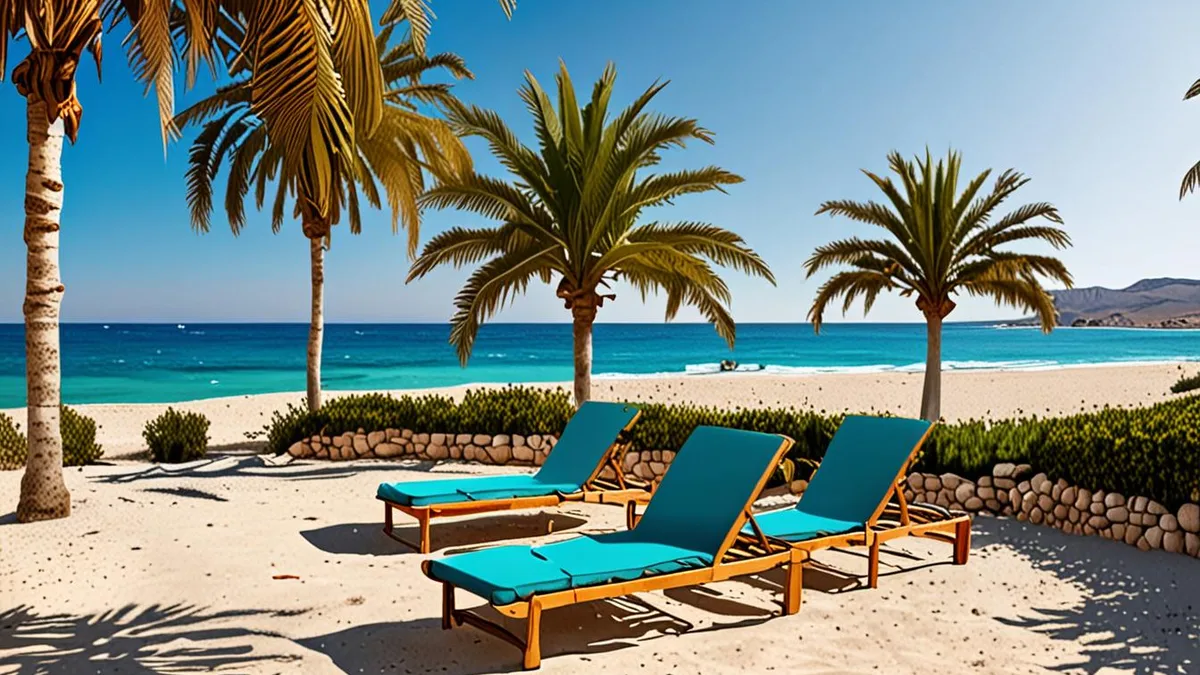
Rhodes: Sunny Resorts With a Long Season
Rhodes sits about 400 km from Athens and enjoys one of Greece’s longest sunshine seasons, extending comfortably into October. That makes it a strong pick if you want dependable beach weather without paying peak-season prices. Shoulder month trips here often feel like full summer, with warm sea temperatures and long daylight hours well beyond what many Mediterranean destinations offer.
Where to base yourself
The east coast around Lindos and Faliraki suits beach-focused resort stays, with sandy shores and calm water that work well for swimming and family days by the pool. Rhodes Town, on the other hand, suits sightseeing: the medieval old town is one of the largest and best preserved in Europe, and staying here puts history, restaurants and harbor walks at your doorstep.
On price, Rhodes hits a good middle ground between Crete and Santorini. You will find more resort options than Santorini’s limited boutique stock, generally at rates closer to Crete’s than to Santorini’s caldera premiums. For travelers who want a beach resort plus easy access to a genuinely interesting town, that balance of sunshine, sightseeing and moderate pricing makes Rhodes an easy recommendation.
Santorini: Caldera Views at a Premium
Santorini carries the steepest price tag of the three islands, and nowhere is that clearer than on the caldera rim. The villages of Oia, Fira and Imerovigli command the highest room rates, especially for rooms with a direct caldera view. You are paying for the cliff-edge setting and those famous sunset panoramas, not for beach access. In fact, the caldera side has few beaches at all, so manage expectations before booking.
Where the actual beach resorts are
If you want sand and swimming, head to the east coast. Perissa and Kamari sit on black-sand shores and host the island’s genuine beach resorts, usually at noticeably lower rates than the caldera villages. A common tactic is to split a stay: a few nights in a caldera-view room, then a few nights by the beach. That way you get the postcard views without paying the premium for your entire trip.
Santorini works best for couples and short luxury stays rather than family beach weeks. The island is compact, many properties are small and steep, and caldera paths involve plenty of steps. For a week of pool time and kids’ clubs, Crete or Rhodes will serve you better. For a romantic three or four nights, Santorini is hard to beat.
Matching Stay Type to Each Island
Once you have picked an island, the type of property you book matters just as much. The three islands have very different resort stock, and matching your stay type to the destination will save you both money and disappointment.
Crete suits large all-inclusive and family resorts, spread widely along the north coast. With an island roughly 260 km long, there is space for big pool complexes, kids’ clubs and long sandy beaches. Rhodes works well for mid-size beach resorts and self-catering complexes, especially on the east coast, where families can mix hotel meals with apartment-style flexibility. Santorini is the outlier: it favors small boutique cave-style properties over big resort compounds, so anyone expecting a sprawling all-inclusive will be searching in vain.
Before booking, it pays to weigh a resort against a villa or a standard hotel, because Santorini’s boutique stock differs sharply from Crete’s. If you are unsure how these options compare, this guide on resort vs hotel vs villa breaks down what each stay type actually offers.
- All-inclusive in Crete: large north-coast resorts often bundle meals, drinks and activities, which simplifies budgeting for a family week.
- Self-catering in Rhodes: apartment complexes with kitchenettes let you mix taverna dinners with easy breakfasts, a good fit for longer stays.
- Cave suites in Santorini: many boutique properties have private plunge pools or hot tubs, but room space is often compact, so check the square meters before booking.
How to Choose Between the Three Islands
Choosing between Crete, Rhodes and Santorini gets much easier once you match the island to your trip style rather than to a postcard image. Each island rewards a different kind of traveler, so the smartest move is to be honest about what you actually want from the trip before you fall in love with a photo of a pool or a sunset terrace. Here is a simple step-by-step way to work it out.
- Define your trip style. Families and road-trip style trips fit Crete best, thanks to its size and variety. A beach-plus-sightseeing balance points to Rhodes. Romance and views point squarely to Santorini.
- Set your budget honestly. Budget travelers get more space per euro on Crete and Rhodes, while Santorini’s caldera-view rooms carry a clear premium. Decide early whether the view or the spending money matters more to you.
- Check the season against your dates. If you are traveling in the shoulder months of May, June, September or October, you will find milder weather and lower rates on all three islands. In July and August, expect crowds and higher prices everywhere.
- Run each candidate property through a checklist. Look at location, season, board type and view premium. A room with a caldera sunset may mean a longer transfer to the beach, so weigh those trade-offs together rather than one at a time. If you want a fuller framework, this practical guide on how to choose a resort covers the details worth checking.
Work through these steps in order and one island usually separates itself from the other two within minutes. The trick is deciding what you cannot compromise on first, whether that is budget, beach time or a caldera sunset, and letting that lead the search rather than the other way around. Write down your top three priorities, score each island against them, and the right choice tends to make itself.
Wrapping Up the Island Comparison
So which island fits your budget, dates and travel style? If you want space, variety and the most value for your money, Crete is the safe bet. If you’re after sunshine, beach time and a good balance of price and sightseeing, Rhodes hits the middle ground. And if romance and caldera views top your list, Santorini delivers, at a premium.
Whatever you pick, the shoulder months of May, June, September and October bring milder weather and lower rates, and booking 3-6 months ahead softens summer prices on all three islands. In the end, the right resort comes down to how you like to travel, what you want to spend and when you can go. Have a favorite among the three, or a question before you book? Leave a comment or share this article with a fellow traveler.