You’ve found the perfect stretch of white sand, the resort photos look dreamy, and then a nagging thought creeps in: what if a hurricane wrecks the whole trip? It’s a fair worry. A storm can cancel flights, close beaches and turn a paid-for getaway into a stressful refund chase, and nobody wants to lose both the vacation and the money behind it.
The good news is that hurricane season at Caribbean resorts is far more predictable than most travelers assume, and it can be managed with a little planning. This guide walks through when the season actually runs and which weeks carry the most risk, which islands take the most direct hits and which rarely do, and how a storm can change your resort stay day to day. We’ll also cover practical booking tips on rates, cancellation policies and insurance, how to pick a resort that handles weather disruptions well, and smarter alternatives like low-risk islands and shoulder-season dates.
When Is Hurricane Season at Caribbean Resorts?
The official Atlantic hurricane season runs from June 1 to November 30. Those dates are when tropical systems are most likely to form, but the risk is not spread evenly across those six months. Treating the whole season as one block of danger is the mistake that costs travelers good trips.
In June and July, storms are relatively few. Ocean temperatures are still climbing, and the atmospheric patterns that fuel major hurricanes haven’t fully kicked in yet. That makes early summer a pleasant sweet spot: warm weather, quieter resorts and much lower odds of a storm interrupting your stay.
The peak weeks to know
Activity builds noticeably from mid-August onward. The statistical peak falls in early September, when sea surface temperatures are at their warmest and storm formation is at its most frequent. Elevated risk continues through late October, so if you’re booking a fall trip, this mid-August-to-late-October stretch is the window to plan around.
November is the underrated month. Risk drops off sharply after late October, which makes early and mid-November a safer shoulder window. You still get low-season pricing in many cases, but with storm odds that look much closer to winter travel. If your dates are flexible, aim for the edges of the season and check the current forecast before you lock in anything nonrefundable.
Which Caribbean Islands Face the Highest and Lowest Risk?
Not all Caribbean islands face the same odds. Storm systems most often track across the northern Leeward Islands, the Bahamas and the western Caribbean, so resorts in those areas see the most direct hits over the years. That doesn’t mean you should skip them entirely, but it does mean your planning there should be more careful.
The southern Caribbean is a different story. Aruba, Bonaire and Curacao sit south of the main hurricane belt, well below the latitude where most storms track, so they rarely take direct strikes. Trinidad and Tobago and the ABC islands are the go-to low-risk alternatives for travelers who want a Caribbean trip during peak storm months without constantly watching the weather map.
One caution before you book a “safe” island and stop thinking about weather altogether: even islands outside the main belt can feel indirect effects. A storm passing hundreds of miles away can still disrupt your trip.
- Rough surf and swimming restrictions: distant storms push large swells onto southern beaches, and lifeguards may flag the water red or close it for a day or two.
- Flight disruptions: if a hurricane hits a hub island your airline connects through, your connecting flight can be delayed or canceled even though your destination is clear.
- Shifting storm tracks: no island is completely immune, since occasional systems curve south of their usual path, so it pays to keep an eye on forecasts in the days before departure.
- Cruise itinerary changes: ships serving southern islands sometimes reroute around weather, which can change which ports you actually visit.
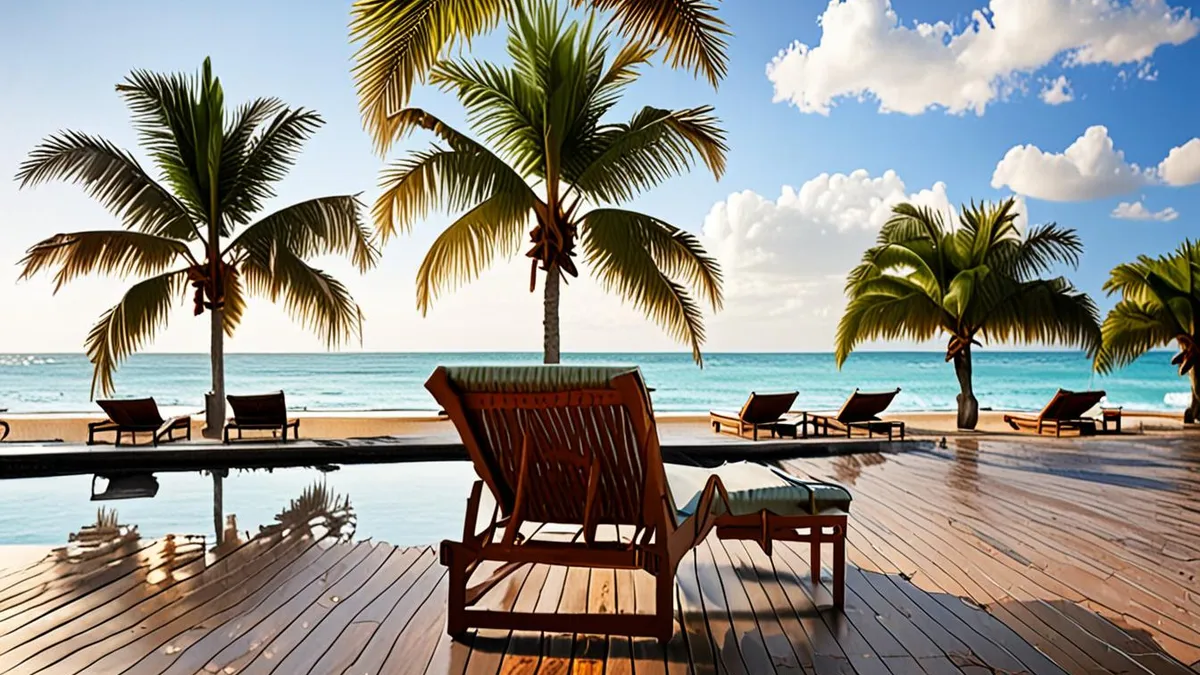
How Hurricane Season Changes Your Resort Stay
A hurricane doesn’t have to make landfall to change your resort experience. When a storm is anywhere near, properties typically close pools, water sports and beach activities until conditions clear. Expect the front desk to post updates, and plan some indoor alternatives, because a day or two by the pool may turn into a day in the lobby bar instead.
The low season also changes how resorts operate behind the scenes. Some properties reduce staffing when occupancy drops, which can mean slower service, limited restaurant hours or fewer daily activities. A number of hotels use the quiet months for deeper cuts, temporarily closing entire wings or even shutting down fully for renovation, so it’s worth confirming your chosen resort will actually be open during your dates.
Getting there and getting around
Flights are the most common casualty of the season. When a storm disrupts an airport or an air traffic hub, cancellations ripple through the system for 1-3 days after the weather itself has passed, so even a glancing blow can cost you a travel day at the start or end of your trip.
If a storm does score a direct hit, on-island impacts can last longer than the resort’s own disruption. Power outages, road closures and damaged infrastructure are all possible in the days that follow, and excursions or inter-island ferries may be suspended. Build a little buffer into your schedule rather than flying home the morning after a storm passes, and follow your resort’s guidance on when it’s safe to move around.
Booking Tips: Rates, Cancellation Policies and Insurance
The biggest argument for a hurricane-season Caribbean trip is the price. Off-peak summer and fall rates often run 20-40% below winter high-season prices, which can turn a splurge resort into a realistic one. You trade a bit of weather risk for serious savings, and the right booking strategy keeps that trade-off comfortable. The key is to treat flexibility as part of the price you are paying for, not an afterthought you add once the trip is booked.
Flexibility should be your first filter when comparing rates. A slightly higher nightly price on a refundable rate is usually worth more than a rock-bottom nonrefundable deal you might have to abandon. Before you commit, it also helps to understand how far in advance to book for the best rates, since timing affects both price and your ability to rebook. When you compare two rates side by side, do the math on the worst case: what a nonrefundable booking costs you if you cancel versus the small premium on the flexible option.
Here are the practical rules of thumb to follow:
- Pick refundable rates with free cancellation up to 3-7 days before arrival. That window lines up with reliable storm forecasts, so you can bail out before a system is even named.
- Book 2-3 months ahead. This balances availability at the resorts you want with enough lead time to rebook cheaply if your dates look risky.
- Price travel insurance with hurricane coverage. It typically costs 4-8% of the trip price, and policies differ on whether they cover cancellation, delay, or both, so read the storm-related clauses carefully.
- Ask about a hurricane guarantee. Some resorts let you reschedule free of charge if a storm disrupts your stay, which can be more valuable than a cash refund.
Choosing the Right Resort and Stay Type for Storm Season
Not all resorts weather a storm equally well, and the difference usually comes down to size and infrastructure. Larger all-inclusive properties handle disruptions best. They typically run on-site dining even when outside restaurants close, keep backup generators for power outages, and staff teams dedicated to rebooking flights and rearranging stays for stranded guests.
Smaller boutique hotels and private villas offer charm, privacy and often lower prices, but they usually have fewer backup services. A villa may leave you managing your own grocery runs, generator questions and flight changes, which is stressful if the island has just taken a hit.
What to check before you book
Look at the resort’s own website for signs of storm readiness. Modern construction, storm shutters, backup power and a clearly stated emergency plan all suggest the property takes the season seriously. If you can’t find any mention of hurricane procedures, that silence tells you something too.
Stay type matters for your wallet as well as your comfort. If a storm pins you on property for a day or two, an all-inclusive rate means meals, drinks and entertainment are already paid for. If you want to weigh that against per-meal pricing, our comparison of all-inclusive and a la carte resorts breaks down which style fits different trips.
Smart Alternatives: Low-Risk Islands and Shoulder-Season Dates
If you love the Caribbean but not the storm odds, geography is on your side. The southern Caribbean sits well outside the main hurricane belt, so islands like Aruba, Bonaire and Curacao enjoy near-normal vacation conditions even at the height of the season. You can book a summer or fall trip there with far less weather anxiety than in the northern islands, where direct hits are far more common.
Dates matter just as much as destination. The edges of the season are dramatically calmer than the peak, and prices stay low because most travelers still avoid the whole June-to-November window. That perception is your advantage: hotels compete for guests during these months, which is why off-peak rates can run 20-40% below winter high-season prices. A little calendar flexibility goes a long way, especially if you pair it with a refundable rate that lets you cancel up to 3-7 days before arrival.
A few smart plays to consider:
- Shift to June, early July or November. These windows offer lower prices with much lower storm risk, and November in particular feels like a shoulder season with warm, settled weather.
- Look at southern Caribbean cruise-and-stay combos. Cruise itineraries can reroute around bad weather, giving you a built-in plan B that a fixed resort stay can’t offer.
- Identify a backup week before you book. If you already know which alternate dates work for your schedule, a postponement stays a quick phone call instead of a canceled vacation.
- Add hurricane coverage to your insurance. A policy with hurricane protection typically costs 4-8% of the trip price, which is cheap peace of mind for a fall booking.
Wrapping Up Your Hurricane Season Resort Plan
Hurricane season doesn’t have to keep you away from a Caribbean resort trip. The official season runs June 1 to November 30, with peak activity from mid-August through late October, but the risk is far from uniform. Where you go matters just as much as when: the southern Caribbean, including Aruba, Bonaire and Curacao, sits outside the main hurricane belt and faces far lower odds than islands to the north.
The money side comes down to flexibility. Summer and fall discounts can run 20-40% below winter high-season prices, and booking 2-3 months ahead gives you both availability and room to rebook. Pair that with refundable rates and travel insurance with hurricane coverage, and the risk becomes a manageable trade-off rather than a gamble. If this helped you plan your trip, leave a comment or share the article with a fellow traveler.