You have probably noticed the words wellness resorts popping up in travel searches, on booking sites and in resort brochures. But what do you actually get for the higher nightly rate? Is it just a hotel with a spa attached, or something genuinely different? Many travelers book one without knowing whether the program includes fitness classes, nutrition support or structured treatments, and end up paying for amenities they never use.
This guide breaks down exactly what to expect. We cover what defines a true wellness resort, the spa and treatment programs on offer, fitness and movement amenities, healthy dining options, and how to choose and book the right property for your goals. We also walk through budgeting, so you know where your money goes before you commit. By the end, you will be able to compare properties confidently and pick one that matches what you actually want from your stay.
What Defines a Wellness Resort
A wellness resort is built around one central promise: helping you leave healthier than you arrived. The entire schedule, menu and activity calendar revolves around health, fitness and relaxation. You will not find a casino, a swim-up bar with late-night parties or a busy entertainment program here. Evenings tend to be quiet, and that is the point.
What sets these properties apart is the professional team behind the experience. On-site staff typically include nutritionists, licensed spa therapists and certified fitness instructors, often supported by wellness coaches or meditation guides. You are not just renting a room; you are working with people trained to guide your stay.
How They Differ From a Standard Resort With a Spa
Plenty of regular hotels run a spa as one amenity among many, sitting alongside a pool bar and a kids club. At a wellness resort, the spa, fitness programming and dining are the core product, and everything else supports them. Treatments, classes and meals are usually designed to work together as a coherent program rather than as separate add-ons.
That focus comes at a price. Typical nightly rates range from $250 to $800, while luxury retreats with medical staff, private villas or intensive programs can run above $1,000 per night. Knowing this range upfront helps you judge whether a property’s pricing reflects a genuine wellness focus or simply a spa bolted onto a conventional resort.
Spa and Treatment Programs to Expect
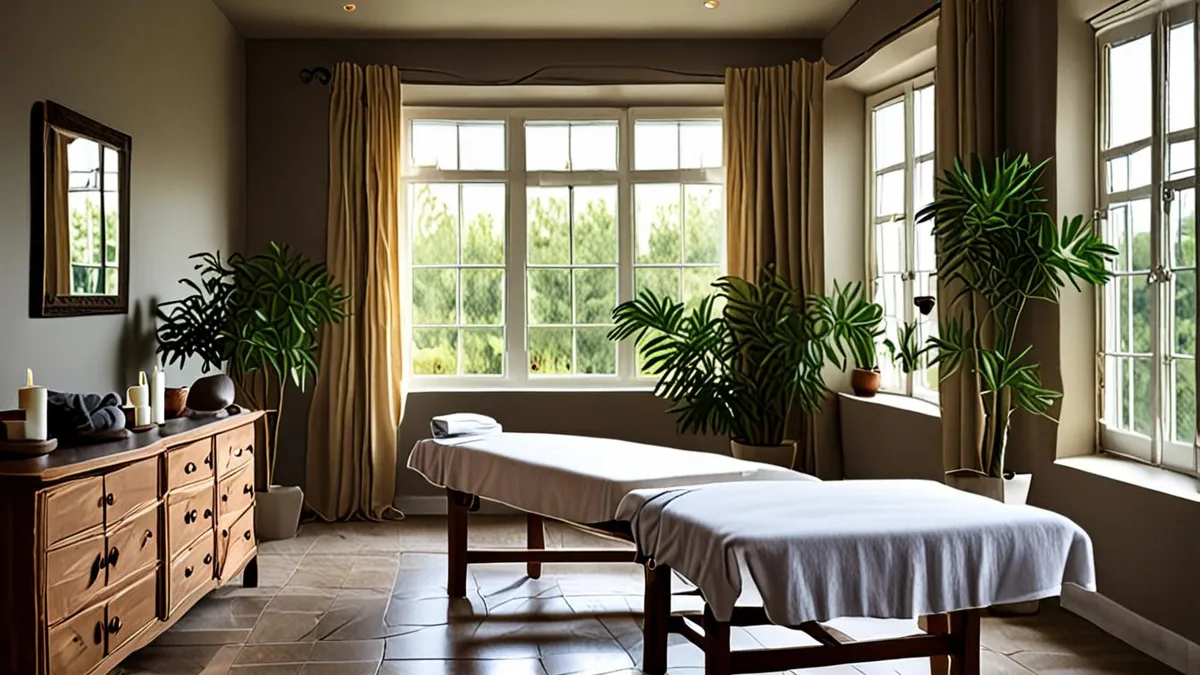
Spa treatments are the heart of most wellness resorts, and the menu usually goes well beyond a basic massage. Signature offerings commonly include massages, hydrotherapy circuits, saunas and steam rooms, often arranged so you can move between them in a set sequence. Many guests start their stay with a hydrotherapy circuit to loosen up before deeper bodywork later in the week.
If you want more than relaxation, look at the specialized programs. Detox and weight-loss retreats usually run 5-14 days and combine treatments with structured meals, fitness sessions and health assessments. These are immersive stays, so read the daily schedule carefully before committing.
One practical tip: most wellness resorts require booking spa treatments 2-4 weeks in advance. Prime slots, especially late-afternoon appointments, fill quickly, so reserve your preferred times as soon as your stay is confirmed.
- Acupuncture: offered at many properties by licensed practitioners, often used alongside massage programs for stress relief and recovery.
- Cryotherapy: a short cold-exposure session that some resorts offer as a recovery tool after intense fitness classes.
- IV therapy: available at a smaller number of properties, typically marketed for hydration and nutrient support, so ask about staff qualifications first.
Add-on services like these are usually priced separately from your room rate, so check the treatment menu before arrival and build them into your budget if they appeal to you.
Fitness and Movement Amenities
Fitness is where wellness resorts earn their keep. Daily group classes like yoga, Pilates and spin typically run from 7 a.m. to 6 p.m., so early risers and afternoon exercisers are both covered. Most resorts publish the weekly schedule on arrival, and popular classes, especially sunrise yoga, fill fast, so sign up early in your stay.
Class sizes are a genuine advantage here. Most retreats cap classes at 10-15 guests per instructor, which means real corrections on your form rather than shouting across a packed studio. It is one of the clearest differences from a hotel gym or a big-box fitness class.
Facilities usually go well beyond a treadmill corner. Expect a fully equipped gym, at least one pool, marked hiking trails and outdoor studios for classes in fresh air. Many packages also include personal training sessions or a movement assessment at the start of your stay, so the instructors can tailor recommendations to your level and any injuries.
- Guided hikes: some resorts lead instructor-paced trail walks that double as cardio sessions and a way to explore the surrounding area.
- Aquatic classes: pools often host low-impact options like water aerobics or lap-swim hours for guests who want joint-friendly training.
- Mind-body sessions: outdoor studios frequently host stretching, breathwork or meditation classes that complement the more physical offerings.
Before booking, ask which classes and sessions are included in your rate, since personal training and assessments are sometimes bundled into packages and sometimes charged separately.
Healthy Dining and Nutrition Support
Food is a central part of the experience at a wellness resort, not an afterthought. Most properties build their menus around organic, local or calorie-controlled ingredients, and many grow their own herbs and vegetables on site. Expect lighter portions, plenty of plant-based options and clear labeling, so you know roughly what you are eating at every meal.
Beyond the dining room, nutrition support is usually hands-on. A one-on-one consultation with an on-site nutritionist is a common inclusion, especially if you book a structured program. Many resorts also run cooking classes where a chef shows you how to prepare the same healthy dishes you have been eating, so you can recreate them at home. If you have allergies, intolerances or a specific eating style, mention it when you book rather than at check-in.
What about alcohol?
Alcohol is often limited or excluded entirely, particularly during structured detox or weight-loss programs. Some resorts serve wine with dinner, while others keep the entire property alcohol-free. If a glass of wine matters to your vacation, ask about the policy before you commit.
On pricing, all-inclusive wellness packages typically cost 20-40% more than room-only rates, but that premium usually covers your meals, classes and some treatments. To see whether the bundle actually saves you money, compare it against booking services individually, as we explain in our guide to all-inclusive versus a la carte resorts.
How to Choose and Book the Right Wellness Resort
Wellness resorts vary widely in focus, and picking the wrong one is the fastest way to waste a trip. A property built around intense fitness training will feel very different from one designed for stress relief and slow mornings. Some cater to solo travelers on a structured retreat, while others work better for couples who want flexibility and downtime. Work through the steps below before you book so the experience matches what you actually want from the trip.
- Match the program focus to your goals. If you want to reset your eating habits, look for resorts with detox or nutrition programs. If stress relief is the priority, prioritize spa-heavy properties with plenty of downtime built into the schedule. Read sample daily schedules if the resort publishes them, because they reveal how much of your day is planned versus free.
- Book early for peak season. Wellness high season runs from January through March and again from September through October. During these windows, book 2-3 months ahead to get your preferred room type and treatment times. Off-peak dates can mean quieter facilities and more negotiating room, though availability of some programs may be reduced.
- Compare what is actually included. Two resorts with similar rates can deliver very different value. Check whether meals, daily classes and treatments are bundled into the rate or charged as extras, and add up the difference before deciding. Gratuities, airport transfers and wellness consultations are common sources of surprise charges, so ask about those specifically.
- Check program length requirements. Some retreats enforce minimum stays, especially for structured detox or weight-loss programs, so confirm the required length before you lock in your dates. Ask whether shorter stays can access the same facilities and classes, just without the structured track.
Once you have shortlisted a few properties, email or call with your specific questions rather than relying on the website alone. A quick conversation about goals, dietary needs and schedule expectations will tell you a lot about how the resort treats its guests. Pay attention to response time and how thoroughly staff answer; that same attentiveness usually carries over once you arrive.
Budgeting for Your Wellness Stay
A wellness stay is an investment, so it helps to go in with realistic expectations. Nightly prices vary widely depending on the destination, the property’s reputation and how much is bundled into your stay, so check current rates directly with the resort before budgeting. On top of the room itself, set aside money for treatment add-ons such as extra massages or specialty therapies, which are usually priced separately from your accommodation.
Packages versus paying per service
All-inclusive wellness packages generally cost noticeably more than room-only rates, but they can still be the better deal if you plan to use the resort heavily. As a rough rule, if you expect to take daily classes, eat most meals on property and book several treatments, the package usually wins. If you only want a massage or two and plan to spend much of your time exploring the area, paying per service keeps costs down and gives you more flexibility.
Before you confirm anything, read the resort fee details carefully. Some properties add daily wellness or facility fees, mandatory gratuities or program charges that do not appear in the headline rate. Ask for a full breakdown of what your booking covers, and question anything that seems vague. A few minutes reviewing the fine print, and calling the resort directly about anything unclear, will help you avoid surprise charges on your final bill and let you compare properties on a true like-for-like basis.
Wrapping Up Your Wellness Resort Expectations
So what do you actually get for the higher price? A wellness resort bundles spa treatments, fitness classes and healthy dining under one roof, with trained staff supporting each part of your stay. Programs range from a short spa weekend to structured retreats running 5-14 days, so you can match the experience to your schedule and goals.
On price, nightly rates of $250-$800 are typical, and packages plus peak-season timing shape what you finally pay. Knowing these basics upfront means the “wellness resort” label no longer feels like a mystery, and you can judge whether a property’s offerings justify its rates. If this helped clarify things, leave a comment or share the article with someone planning a wellness escape.