Choosing between Santorini and Crete for a villa holiday is a common dilemma. Santorini promises those famous caldera views, while Crete offers sheer size and variety—but “Santorini vs Crete villas” is really a question about what kind of trip you want, and what you’re willing to pay for it. Many travelers find themselves torn, unsure which island actually fits their style and budget.
This guide breaks the decision down step by step. We’ll compare the core difference between the two islands, look at villa prices and what your money gets you, and cover the best time to visit each one. We’ll also touch on getting there and getting around, match each island to different trip styles, and share practical tips on how to book the right villa. By the end, you’ll know exactly which island suits you—and the bottom line makes the choice simple.
Santorini vs Crete Villas: The Core Difference
Santorini is a compact, view-driven island. Villas cluster along the caldera rim in Oia, Imerovigli and Fira, perched on the cliff edge with that famous sweep of blue water and volcanic rock below. Staying here is less about what you do and more about what you see: breakfast on a terrace, sunset from a plunge pool, whitewashed lanes a few steps from your door. The whole island is only about 76 square km, so your villa is rarely far from anything.
Crete works differently. At roughly 8,300 square km, it is about 100 times larger, and villas spread across beaches, olive groves and mountain foothills rather than gathering in one dramatic spot. A stay here is about space and variety: a private pool backed by hills one day, a beach town the next, an ancient site or gorge on the day after that. Regions like Chania, Rethymno, Heraklion and Elounda each offer a different base with its own character.
The one question that decides it
Ask yourself a simple question before comparing anything else: is your priority the postcard view, or room to explore? If you want to sit somewhere beautiful and barely leave, Santorini’s caldera villas deliver that in a way few places can. If you want a home base for day trips, bigger grounds and a changing scenery, Crete fits far better.
This single choice points you to the right island. Everything else, including price, season and villa style, flows naturally from it.
Villa Prices and What You Get for Your Money
The price gap between the two islands comes down to one thing: the view. In Santorini, a villa perched on the caldera rim typically costs 2-3 times more than an inland or beachside villa on the same island. You are paying for that cliff-edge panorama, and the premium applies almost everywhere along the rim, from Oia to Fira.
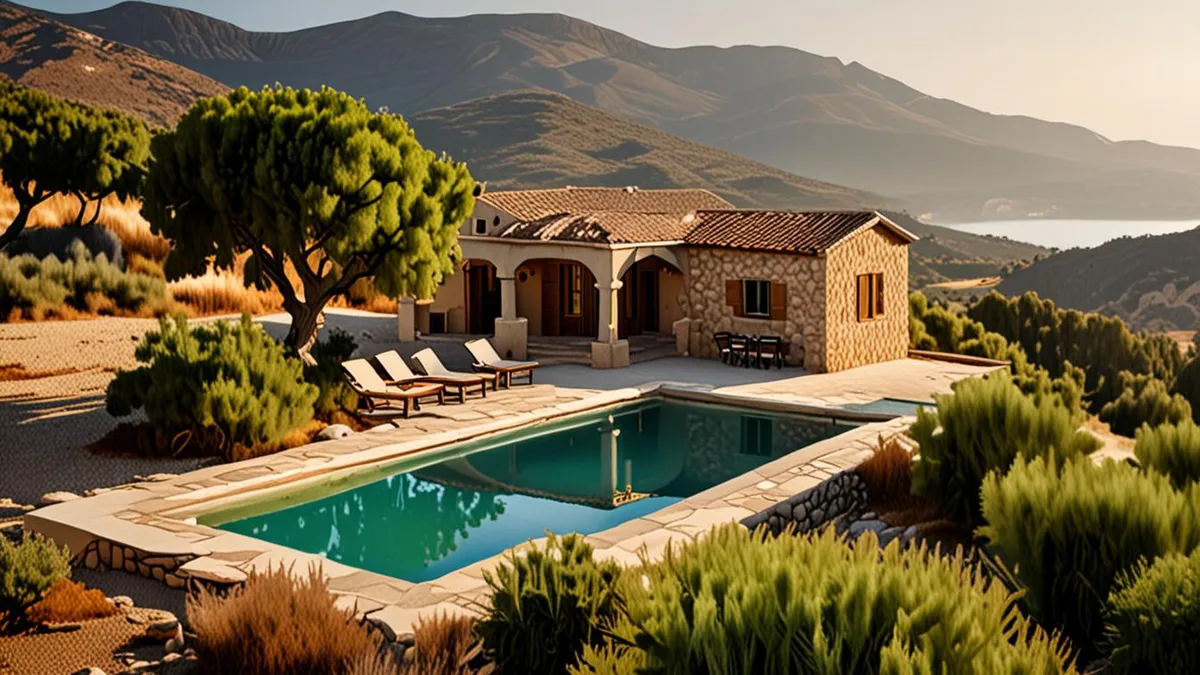
Crete flips the equation. The same budget that buys a modest Santorini studio often secures a larger villa on Crete, complete with a private pool and sea views. For families or groups, that difference in square footage and amenities can be dramatic: think multiple bedrooms, a proper kitchen and outdoor dining space instead of a compact romantic hideaway.
Where your money goes further on Crete
Crete is not uniformly cheap, though. Elounda and the Chania coastline sit at the island’s premium end, with luxury resorts and high-end villas commanding serious rates. Head to Rethymno or the inland villages and the value improves noticeably, often with more space, quieter surroundings and easy access to tavernas and beaches.
The practical approach is to set a nightly budget first, then let it point you to the island rather than the other way round. If your budget comfortably covers a caldera-view villa, Santorini is on the table. If it only stretches to a basic studio there, the same money may buy a genuinely spacious Crete villa, and that usually makes the decision for you.
Best Time to Visit Each Island
Santorini’s high season runs from June to early September, and you feel it everywhere. The caldera towns are at their busiest, sunset spots fill up early, and villa rates hit their peak. If you want that classic Santorini experience without the thickest crowds, timing matters more than you might expect.
The shoulder months soften everything. May, late September and October bring milder crowds, cooler evenings and noticeably gentler prices. You trade a bit of heat and swimming comfort for easier walks along the cliff paths and a calmer pace in Fira and Oia.
Crete works on a longer clock. Its villa season stretches roughly from April to October, which gives you a wider window to plan around. Sea temperatures are warmest from July to September, so beach-focused trips still have a clear sweet spot even outside the peakiest weeks.
For swimming-heavy holidays, Crete’s season edges out Santorini’s simply because it lasts longer. For sightseeing in comfort, the shoulder months suit both islands well, with pleasant walking weather and fewer tour groups.
A few timing details worth knowing before you lock in dates:
- On Santorini, October evenings can feel cool enough for a light jacket, especially on exposed caldera terraces, so pack layers even when daytime temperatures stay pleasant.
- Crete’s April and early May season openings suit travelers who want hiking weather in places like the island’s gorges, when midsummer heat would make long walks harder.
- September in Crete often combines warm sea with thinner crowds than July, making it a strong middle-ground month for mixed beach-and-exploring trips.
- On Santorini, late September can be a better value pick than May if your priority is warmer water alongside softer prices, since the sea holds summer heat into autumn.
Getting There and Getting Around
Reaching Santorini is straightforward: most travelers fly into Athens and connect with a short flight to the island, though ferries are also an option if you have time to spare. Once you land, distances shrink fast. Santorini covers only about 76 square km, so from the airport to almost any villa in Oia, Imerovigli or Fira, you are looking at a drive measured in minutes rather than hours. A rental car is useful for exploring beaches and vineyards, but many couples manage perfectly well with airport transfers and taxis.
Crete is a different proposition entirely. Its airports in Chania and Heraklion handle more direct international routes, which often means fewer connections from European cities. But the island spans about 8,300 square km, so getting there is only half the journey. Where you base your villa matters enormously, because you will be driving real distances every day.
Plan your base around the road, not the map
Crete may look compact on a map, but mountain roads slow everything down. The drive from Chania in the west to Elounda in the east is a full day’s drive, so treat that distance as a hard limit when choosing a villa. Pick a base close to the beaches, towns or ancient sites you actually plan to visit, rather than hoping to cover the whole island from one spot.
Trip length should follow the same logic. Santorini works beautifully for a short stay of 3-4 nights, since everything is close and the caldera view does the heavy lifting. Crete rewards a week or more, giving you time to settle into a villa and explore without spending your whole holiday behind the wheel.
Which Island Suits Your Trip Style
The right island often comes down to who is traveling and why. A honeymooning couple and a family of six are looking for completely different things from a villa, and each island happens to excel at one of them.
Santorini is built for two. Caldera villas offer privacy, plunge pools and that famous view, all within a walkable cliffside setting where dinner, sunset and your terrace are minutes apart. Crete flips the equation: villas here tend to be larger, with multiple bedrooms, generous pools and gardens, set on beaches, in olive groves or in mountain foothills. If you are weighing a villa against hotel rooms for a group, it helps to compare the pros and cons of villas versus hotels for group travel before committing.
Crete also wins when your trip is about variety. From a single villa base you can reach ancient sites, hike gorges, visit wineries and still be back for an evening swim. Santorini offers charm and scenery, but its compact size limits how much exploring you can do.
- Honeymoons and couples: Santorini’s caldera villas put sunset views and private terraces at your doorstep, with restaurants and bars reachable on foot rather than by car.
- Families and groups: Crete’s villas typically include several bedrooms, a shared pool and outdoor dining space, so children can nap and adults can relax without anyone sharing a studio.
- Food, history and variety: A Crete villa base can serve day trips to Minoan ruins, gorge hikes and winery tastings, letting you sample a different region each day.
- Short escape versus full holiday: Match trip length to island size before booking, since a 3-night stay suits Santorini while a Crete itinerary needs a week to feel complete.
How to Book the Right Villa
A little planning makes a big difference when booking a villa on either island, and the difference between a dream stay and a disappointing one often comes down to timing and a few well-placed questions. The best properties, especially those with the most sought-after locations, are booked well before summer arrives. Last-minute searches usually leave you choosing from whatever is left, rather than choosing the villa that actually fits your trip. The good news is that villa booking is not complicated: it rewards travelers who ask specific questions early and read between the lines of listings and reviews. Follow these steps to avoid the most common mistakes.
- Book 4-6 months ahead for July and August. Peak summer weeks on both Santorini and Crete see the best villas snapped up early, and reserving in this window secures both the top locations and better rates than last-minute searches. If your dates are flexible, shifting by even a week can widen your options considerably.
- In Santorini, check the steps and terraces. Many caldera villas sit below the cliffside path, and reaching them means climbing dozens of steps with your luggage. Ask the host exactly how many steps there are and whether help with bags is available before booking if stairs are an issue for anyone in your group.
- In Crete, confirm pool heating and air conditioning. If you are traveling in April-May or October, pools can be chilly without heating, and shoulder-season nights may not need cooling at all. Verify both with the owner so the villa matches the season you are actually visiting, not the one in the photos.
- Read recent reviews for noise. Santorini’s cliffside paths stay busy through the evening in high season, so a villa near the main walkway can be livelier than the photos suggest. Focus on reviews from the past year and look for comments about noise, access and maintenance, since older reviews may describe a property under previous management.
One final habit pays off on both islands: message the host directly with your specific questions before paying. Clear answers about access, equipment and surroundings usually signal a well-managed villa, and vague replies are worth taking seriously. A host who responds quickly and precisely before you book is far more likely to help quickly if something goes wrong during your stay. It takes ten minutes and can save a whole holiday.
The Bottom Line
If your heart is set on that famous caldera view and your trip is short, Santorini is the answer. It suits couples and quick escapes where scenery matters more than space, even though you will pay a premium for the setting. Crete is the better pick for longer holidays that mix beach time, exploring and roomier villas at a lower cost, with far more variety across the island.
For most travelers, the decision comes down to three things: your budget, your trip length and the season you are traveling in. Answer those honestly and the right island usually picks itself. If this helped you choose, leave a comment or share the article with a friend planning the same trip.