Croatia’s coastline has a way of stealing the show: limestone towns glowing at sunset, coves the color of bottled water, and hillsides stacked with stone houses. But when you start searching for Croatian coastal villas, the picture gets murky fast. What do these rentals actually include? Is a private pool standard or a luxury? And does it matter whether you book near Rovinj, Split, or Dubrovnik?
This guide walks through the practical side of villa renting on the Adriatic. You’ll learn what these properties are typically like, how Istria, Dalmatia, and the islands differ, when to book for the best mix of price and weather, and how a villa stacks up against a hotel for your group. We’ll also cover getting there and around, how to spot a genuinely great listing before you pay the deposit, and a few closing tips to tie the trip together. By the end, you should know exactly which stretch of coast fits your style and budget.
What Croatian Coastal Villas Are Like
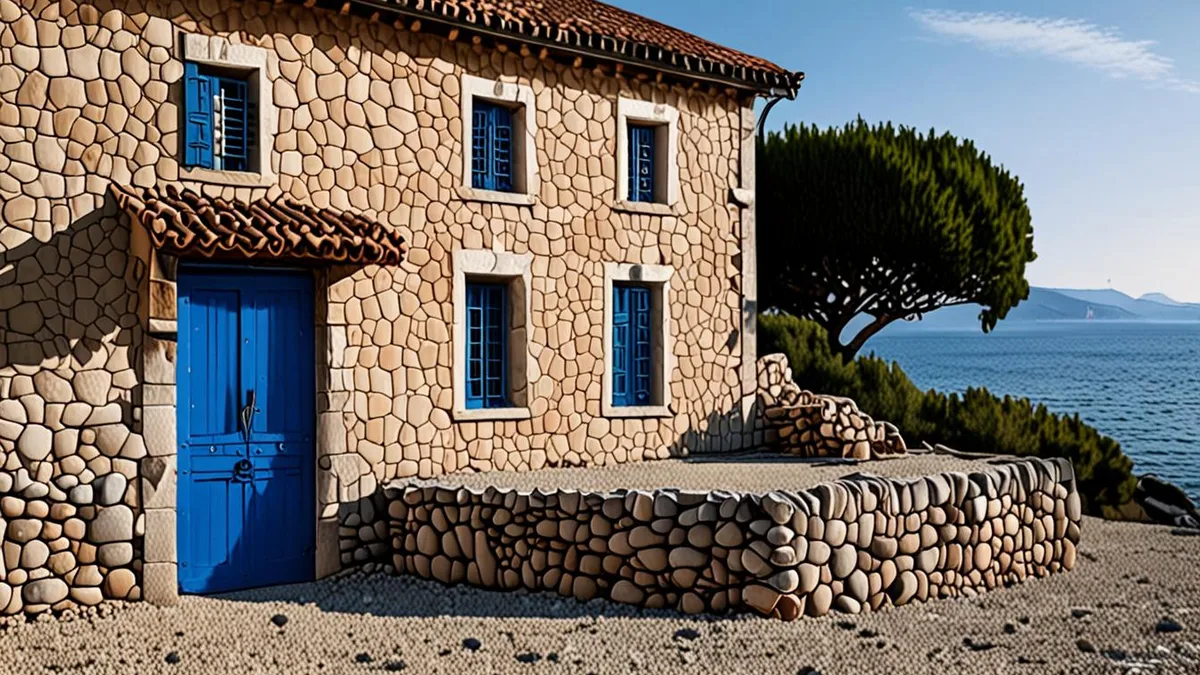
Most Croatian coastal villas fall into two camps. The first is the restored stone house in classic Dalmatian style: thick walls, wooden shutters, exposed beams, and a courtyard or terrace that stays cool even in August. The second is the contemporary build, all glass and clean lines, designed to frame the sea. Sizes are usually manageable, with most rentals offering 2 to 5 bedrooms, which makes them a natural fit for families or two couples traveling together.
Sea views and outdoor living are the real selling points. Expect a dining terrace where breakfast and long evening meals happen, and very often a BBQ area, since grilling outdoors is part of coastal life here. Interiors range from rustic and traditional to sleek and minimalist, so browse photos carefully to match your taste.
About that pool
Private pools are common but not universal. When a listing mentions one, dig into the details: confirm the pool’s size, whether heating is available (which matters outside peak summer), and whether it is truly private or shared with other guests or the owner’s neighboring property. A “pool” photo can hide a lot.
One more thing worth knowing before you book: many villas sit on hillsides above the coast, which is exactly why the views are so good. That elevation means stairs, steep paths, and driving or walking distances to the nearest beach that vary widely from property to property. A villa labeled “close to the sea” might mean a five-minute stroll or a winding ten-minute drive down to a cove, so check the specifics rather than assuming.
Where to Stay: Istria, Dalmatia, and the Islands
Croatia’s coast is not one uniform destination, and the villa scene changes noticeably as you move down the Adriatic. Each stretch has its own character, from the green, rolling hills of the north to the limestone cliffs and cypress-studded islands of the south. Picking the right region first, then the villa, saves a lot of regret, because a beautiful house in the wrong spot can shape your whole trip. Here’s how the main stretches compare.
- Istria (Rovinj, Poreč area): The peninsula closest to Italy and Central Europe, known for Venetian-style stone towns and inland truffle countryside. Villas here often sit among olive groves and vineyards rather than right above the sea, giving a slightly more rural, food-focused feel. Think farmers markets, family-run konobas, and wine roads you can explore on short drives.
- Split area and Makarska Riviera: A practical mainland base with ferry access to the islands, plus beaches set dramatically under the Biokovo mountains. Good choice if you want day trips, nightlife, and airport convenience alongside your pool time.
- Hvar and Brač islands: The upscale end of the villa market, with lavender fields on Hvar and the famous Zlatni Rat beach on Brač. The Split to Hvar ferry takes roughly 2 hours, so factor transfers into your arrival day, especially if your flight lands in the afternoon.
- Dubrovnik area: The most dramatic setting, with the old town’s walls and views toward the Elaphiti islands. It’s also generally the priciest stretch of coast, so expect to pay a premium for the scenery.
A simple way to decide: choose Istria for food, wine, and easy driving from Central Europe; choose the Split and Makarska stretch for a mix of city, mountains, and island hopping; choose Hvar or Brač for a polished island holiday; and choose Dubrovnik if the iconic walled city is the heart of your trip and the budget allows it. If you’re still torn, think about how much time you want to spend in the car or on ferries versus lounging by the pool, then match the region to that answer.
When to Go and How to Book Croatian Coastal Villas
Timing shapes both your experience and your invoice on the Croatian coast. Peak season runs mid-June through late August, and July and August are the busiest and most expensive months: beaches, marinas, and old-town restaurants fill up, and villa rates climb to their yearly high.
The shoulder season sweet spot
May, early June, and September are the smart traveler’s months. The sea is already warm, prices drop noticeably, and getting a table at a good konoba becomes far easier. You trade some guaranteed sunshine, but many visitors find the calmer atmosphere worth it. The same logic applies to villa destinations worldwide, as this guide to booking a villa in the shoulder season for lower prices explains.
Booking windows and what to expect on price
For July and August stays, book 6 to 9 months ahead, especially if you want a specific sea-view property or need several bedrooms. Shoulder season is more forgiving: 2 to 4 months in advance is usually enough, though the best villas still go early.
On price, high-season rates typically range from about €150 to €600+ per night depending on size and location, with hillside pool villas near Dubrovnik sitting at the top of that range. Also expect weekly minimum stays in summer; many owners simply won’t accept a 3-night booking in July or August, so plan your dates around a full week if you’re traveling at peak.
Villa vs Hotel on the Croatian Coast
The biggest advantage of a villa is cost-sharing. If you travel with a group of friends or an extended family, a four-bedroom villa with a private pool often works out cheaper than booking three or four hotel rooms in the same destination. You also get a living room, a garden, and a dining table that everyone can share, which hotels simply cannot offer.
Villas come with real practical perks too. You get a full kitchen for easy breakfasts and long dinners on the terrace, your own pool, and enough space that nobody feels cramped. The trade-off is service: by default, there is no daily housekeeping, no front desk, and no concierge to call when the Wi-Fi drops. Someone in your group becomes the point of contact with the owner or manager, so factor that in when choosing who books.
When a hotel makes more sense
Hotels still win for short stays of two to three nights. Check-in and check-out are effortless, breakfast is handled, and you can walk straight out into the old town for dinner. In places like Dubrovnik or Rovinj, where the charm is in the stone streets themselves, a hotel inside the walls beats a hillside villa that requires a drive to every meal.
A good rule of thumb: hotels for quick city-centered trips, villas for a week or more with a group. If you are weighing the two for a group trip, the detailed trade-offs are covered in this villa vs hotel comparison for group travel.
Getting There and Getting Around
Most travelers arrive through one of the main coastal airports: Dubrovnik, Split, or Zadar. If your villa is in Istria, Pula airport is the natural gateway and saves you a long drive down the peninsula. Check which airport your villa’s region is closest to before booking flights, since coastal drives take longer than the distances suggest.
Island villas add a transfer step. You will need a ferry or catamaran to reach Hvar, Brač, or the smaller islands, and car ferries from Split serve both Hvar and Brač. Foot passenger catamarans run more often in summer, but if you plan to bring a rental car, book the car ferry well in advance for peak dates.
The coastal roads themselves are scenic but slow. They wind through towns, traffic thickens around beaches, and fast driving is rarely possible, so build in extra time. The two most common stretches are worth knowing:
- Zadar to Split: about 160 km, typically a half-day drive with stops along the way.
- Split to Dubrovnik: about 230 km, and the road passes through a short stretch of Bosnia and Herzegovina, so keep passports handy.
- Island transfers: if your villa is on Hvar, expect a crossing of roughly 2 hours from Split, so time your arrival flight to the sailing schedule.
As for cars: rent one for mainland and Istria villas, where beaches, restaurants, and hilltop towns are spread out. On small islands, a car may be optional if your villa is within walking distance of a village and harbor, and some travelers prefer arriving by catamaran and skipping the car entirely. Either way, confirm the transfer logistics with your villa host before you fly, since late arrivals can mean waiting for the next sailing.
How to Spot a Great Croatian Coastal Villa
The single most common booking mistake is trusting the listing description instead of the map. “Near Dubrovnik” can mean a villa 30 km away in the Konavle valley, which is beautiful but a completely different trip: you will drive to the old town, to restaurants, and to the beach every day. Zoom in on the exact pin before you book, and check the drive time to the places you actually plan to visit.
Views, privacy, and beach access
Photos can be misleading, so verify three things with the owner. First, which direction the sea view faces — a west-facing terrace gets sunset views, while a north-facing one may show more rooftops than water. Second, whether the terrace and pool are genuinely private or overlooked by neighboring houses. Third, the real walking distance to the nearest beach or cove: many coastal villas sit on hillsides, and “five minutes to the sea” may mean a steep path down and a long climb back up.
Read the reviews like a local
Filter recent reviews for practical details that matter in summer: does the air conditioning cope in August heat, is the water pressure reliable, and is the pool properly maintained mid-season? Older reviews from spring visits will not answer those questions. Also confirm check-in logistics for island properties, especially if your ferry arrives late — some owners meet guests in person, others leave a key box, and a delayed catamaran can turn a simple arrival into a stressful one. A quick message to the host before booking usually settles all of it.
Wrapping Up Your Croatian Coast Villa Trip
Choosing between a restored stone house and a modern pool villa comes down to how you travel. If your group values character, thick walls that stay cool, and a village setting, the older Dalmatian properties deliver. If you want wide terraces, level access, and space for kids to spread out, a contemporary build usually fits better. Either way, read the full listing description carefully, not just the photos, and message the host with specific questions before you commit.
Budget realistically for the season you pick. High-season prices vary widely by size and location, so compare several properties in your target area rather than fixating on the first one that looks good. Ask what is included in the rate: linens, a mid-stay clean, final cleaning, and tourist tax are handled differently by each host.
Finally, plan your arrival logistics before you pay the deposit. Island stays depend on ferry and catamaran schedules, so check crossing times against your flight arrival, especially if you land in the evening. For mainland villas, confirm parking, since some old-town locations have restricted vehicle access. A short video call with the host can settle most of these questions in ten minutes.