Scroll through the rate details on almost any resort booking and you’ll hit a wall of abbreviations: AI, MAP, FAP, EP. Most travelers book the room, assume meals are included, and only discover at check-in that their “resort meal plans” cover breakfast only, or that drinks cost extra even though they paid a premium rate. It’s an easy way to blow a vacation budget.
This guide clears up the confusion. We’ll explain what resort meal plans actually mean and where the strange abbreviations come from, then break down the three main options: all-inclusive (AI), half board (MAP) and full board (FAP). You’ll also learn how to compare plan costs before booking, and how to match a plan to your trip style, whether you’re a poolside family or a couple planning day trips and dinners out. By the end, you’ll know exactly which meals you’re paying for before you click reserve.
What Resort Meal Plans Actually Mean
A resort meal plan is simply a prepaid food package bundled into your room rate. Instead of paying for each meal as you go, you pay a fixed amount up front that covers some or all of your dining. The range runs from the bare minimum to the fully loaded: EP, or European plan, covers room only with no meals at all, while AI, or all-inclusive, wraps meals, snacks and most drinks into one price. In between sit MAP and FAP, which cover two and three meals respectively.
Where the abbreviations come from
These labels are leftovers from old hotel industry terminology. The European plan meant you paid for the room and nothing else. The modified American plan added breakfast plus one main meal, the full American plan added all three meals, and all-inclusive took the concept further by folding in drinks and extras. The names stuck, even though most travelers today have no idea an “American plan” ever existed.
Per person, not per room
Here’s the detail that trips up families: meal plans are priced per person per night, not per room. A plan quoted at a certain nightly amount means each adult pays it, and children may pay a reduced rate or be included free depending on the resort. For a family of four, the plan cost multiplies quickly, so the math looks very different from a couple’s booking. Always multiply the per-person rate by the number of travelers before comparing plans, and check the fine print for how kids are counted.
AI: All-Inclusive Resorts Explained
AI stands for all-inclusive, and it’s the most complete meal plan you can book. A typical AI rate covers all three meals plus snacks between them, and most drinks as well, often including alcohol served at the standard bars. You can eat breakfast, graze at the pool bar at noon, grab an afternoon snack and sit down to dinner without ever reaching for your wallet or signing a tab.
What usually costs extra
All-inclusive does not always mean everything. Premium wines, top-shelf spirits and specialty restaurants frequently carry surcharges, and all-inclusive resorts often price drinks and premium dining as upgrades. Before booking, ask which restaurants are included and whether there are limits on how often you can visit them. A bottle from the reserve list or a tasting menu at the signature venue can quietly add a significant amount to your bill, so check the fine print rather than assuming every pour and plate is covered.
Who gets the best value
AI works best for travelers who stay on property most days and want predictable total trip costs. If you plan to spend your vacation between the pool, the beach and the buffet, the plan pays for itself quickly, because couples and families eating most meals on site often save the most with AI or FAP. On the other hand, travelers planning off-site excursions often lose value on full meal plans, since paid-for meals go uneaten while you’re out exploring. If you’re weighing AI against paying for meals individually, it helps to read a fuller comparison of all-inclusive versus a la carte resorts to see how the numbers play out for different travel styles. The short version: the more meals and drinks you consume on site, the more the flat rate works in your favor.
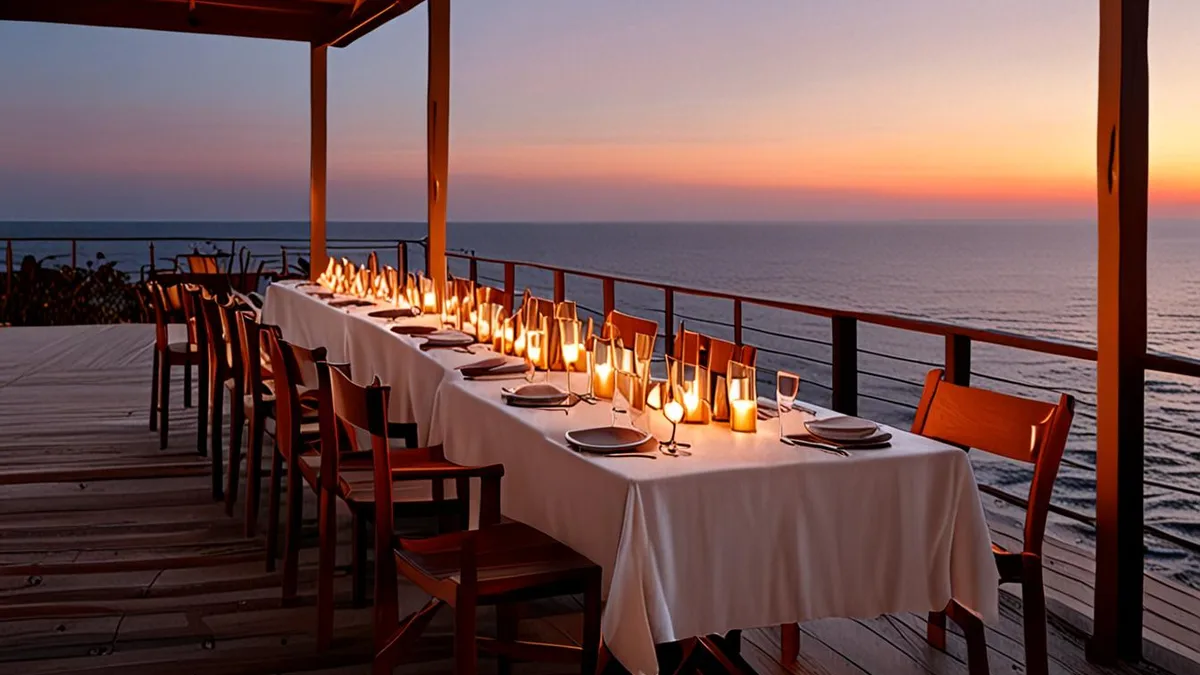
MAP: Half Board and Who It Suits
MAP, or modified American plan, is what most resorts today call half board. It includes breakfast plus one other main meal, usually dinner, and leaves lunch open. You start and end each day fed at the resort, but the middle of the day is yours to arrange however you like.
Why the open lunch matters
That free lunch is exactly what makes MAP work well for travelers who explore during the day and return for an evening meal. You can be out on a trail, a boat tour or a wine tasting when midday hunger hits, and eat wherever you happen to be instead of trekking back to the resort or paying for a meal you won’t touch. Travelers planning off-site excursions often lose value on full meal plans for precisely this reason, so half board keeps you from paying for meals you’ll skip.
Where MAP is most common
MAP is especially common at mountain and wine-region resorts, where guests head out for day trips to trails or vineyards and come back hungry for a proper dinner. Wine country is a natural fit: you might spend the morning touring cellar doors and sampling local pours, then return for a relaxed set-menu dinner at the resort. Resorts in Mendoza, Argentina’s famous wine region, often structure their rates this way for exactly that reason, pairing half board with easy access to nearby bodegas. For a closer look at how this works in practice, see our guide to wine country resorts with a slower pace. If your days fill up with activities away from the property but your evenings stay put, MAP usually hits the sweet spot between cost and coverage.
FAP: Full Board and When It Pays Off
Full board, or FAP (full American plan), is the middle ground between half board and all-inclusive. It covers breakfast, lunch and dinner every day of your stay. The catch is drinks: most FAP rates exclude everything beyond water or basic table service, so soft drinks, coffee at the bar, cocktails and wine typically land on your final bill.
FAP makes the most sense at remote resorts. Think island properties a boat ride from the nearest town, or mountain lodges where the next restaurant is a long drive down the valley. When off-site dining options are limited or simply too far away, paying for three meals upfront removes the daily guesswork and usually beats ordering everything à la carte.
FAP or AI: which one to pick?
If drinks matter to you, compare FAP against AI before booking. All-inclusive rates often cost only slightly more than full board, and they fold in most beverages along with the meals. If you would otherwise buy a few drinks with each meal, that small price gap can flip the math in favor of AI. If you drink mostly water and don’t care about bar service, FAP can be the smarter, leaner choice.
How to Compare Meal Plan Costs Before Booking
Meal plans look simple on a booking page, but the real question is whether the plan matches the way you actually eat. Resorts sell these packages because they work well for the property’s revenue, not necessarily for your schedule. A few minutes of rough math before you pay the deposit can save you from a bloated bill at checkout, or from paying for meals you never eat because you were out on a boat trip or wandered into town for dinner. Here is a practical way to run the numbers before you commit.
- Count your realistic meals on property. Be honest, not optimistic. If you plan two day trips and one off-site dinner during a week-long stay, you will not eat seven resort dinners, so a full plan loses value fast. Sketch out a typical day: breakfast at the resort, lunch by the pool, dinner where?
- Compare the plan price against local menu prices. Meal plans can add roughly 30-50% to a room-only nightly rate. Look up a few typical menus near your resort and estimate what your on-property meals would cost if you paid as you go, including coffee and snacks.
- Check the fine print on drinks and gratuities. Some plans include only water or basic service; others cover soft drinks or even alcohol. Gratuities may or may not be bundled in, and that difference changes the real cost significantly over a week.
- Ask how children are priced. Plans are usually set per person per night, but many resorts offer a reduced rate for kids. Confirm the child rate before you calculate a family total, since it can swing the comparison either way.
Once you have those numbers, the decision usually makes itself. If your estimated pay-as-you-go spending comes in well below the plan premium, book room-only and keep your flexibility for spontaneous dinners. If the plan covers your realistic eating pattern at a fair price, locking it in makes the total trip cost predictable and removes checkout surprises.
Choosing the Right Plan for Your Trip Style
The best meal plan depends less on the resort and more on your travel style. Two guests booking the exact same room can have completely different outcomes: one saves money on an all-inclusive rate while the other pays twice for meals they end up eating in town. Before you compare rates, start by picturing a typical day of your trip, from morning coffee to the last evening drink, then match the plan to that pattern rather than to the resort’s brochure.
Families who spend the day at the pool and eat most meals on site usually get the most from AI rates, since every snack and drink is already covered and there are no surprise charges at checkout. Couples who plan excursions and off-site dinners often do better with MAP or a room-only rate, because a full plan loses value every time you skip a included meal. Travelers heading out on day trips are the classic example: if lunch is always a sandwich bought in town, paying for it on the plan is money wasted. Location matters too, since remote beach and mountain resorts favor full plans while resorts near a town center reward flexibility.
It also helps to think about how the numbers stack up. Meal plans can add roughly 30-50% to a room-only nightly rate, so a plan that looks affordable per person can shift your total budget significantly, especially for a family of four. Run a quick estimate before booking and you will rarely be caught out.
- Travelers with kids who graze all day: constant snacking between meals is exactly what AI covers, and paying per snack adds up quickly otherwise.
- Couples who enjoy local restaurants: booking MAP keeps breakfast and dinner covered while leaving lunch free for wherever the day takes you.
- Guests at resorts far from any town: when there is nowhere else to eat, FAP or AI turns dining into a settled cost instead of a nightly surprise.
- Short stays near a city: room-only rates let you sample nearby restaurants, which is often the main reason you picked that destination.
Key Takeaways on Resort Meal Plans
Those confusing abbreviations are actually simple once you decode them. AI (all-inclusive) covers all meals plus snacks and most drinks, MAP covers two meals, and FAP covers three meals but usually without drinks. EP means room only, with nothing included.
The right choice comes down to how many meals you will realistically eat on property. Match the plan to your travel style, compare the plan price against a room-only rate and local dining options, and your total trip cost stays predictable instead of surprising. If this breakdown helped you decode your next booking, leave a comment or share the article with a fellow traveler.