Plenty of first-time divers book a resort that looks stunning online, then discover on arrival that there is no proper training on offer, no easy dive sites nearby and no real support for someone still learning the basics. The infinity pool photographs beautifully, but it will not teach you to clear your mask underwater.
This guide walks you through what actually matters when comparing diving resorts for beginners. We will look at why a pretty beach is not enough, which certification options and dive center setups to look for, how to judge whether the nearby sites suit first-timers, when to travel for the calmest conditions, what safety standards to confirm before paying, and how to budget and book a week-long beginner trip. By the end, you will have a practical checklist you can use on any booking page or email to a dive center.
Why Diving Resorts for Beginners Need More Than a Pretty Beach
The most common mistake first-timers make is choosing a resort for its rooms rather than its diving. A hotel can have gorgeous suites, three restaurants and a spa, yet no certified dive center on the property. In that case, you are handed off to a third-party operator the resort barely knows, with safety standards, equipment and instructor experience you cannot verify in advance.
Beginners also need very different diving than experienced travelers. Your first dives should happen on shallow, calm house reefs or nearby training sites, where you can stand up if something feels wrong and practice skills without fighting the water. What you do not need is a long boat ride to a deep wall with strong current, which is exactly where many resorts send their dive guests because that is what their repeat visitors request.
Why on-site instructors matter
Resorts with resident PADI or SSI instructors give you something no outside operator can match: flexibility. You can start a course the day you arrive, spread the theory and pool sessions across your stay, and ask questions between dives. Staff who live at the resort also know the local sites intimately, which means they can pick the calmest spot for your first open-water session instead of defaulting to whatever is on the schedule that morning.
On-Site Dive Center and Certification Options
The single most important feature of a beginner dive resort is a properly affiliated dive center on site. Look for one certified under PADI or SSI, the two largest training organizations, and check that they offer the full Open Water course. Expect it to take 3-4 days and cost roughly $350-550, including materials, pool sessions and open-water dives. If a resort cannot tell you the course length and structure clearly, keep looking.
If you are not ready to commit to certification, ask about discover scuba programs. These short introductions run 1-2 hours and usually cost $80-150, letting you breathe underwater in shallow, controlled conditions before you spend several days and a few hundred dollars on a full course. Many beginners use this as a first test, then sign up for the Open Water course on the spot.
Before booking, ask the dive center directly about their instructor-to-student ratios. This is one of the clearest signals of how seriously they take safety:
- 1 instructor per 2-4 beginners: a strong safety signal. Small groups mean personal attention, closer supervision underwater and more time for each student to practice skills at their own pace.
- 1 instructor per 8 or more: a red flag. Large groups make it hard for an instructor to watch every student, and beginners at the back of the group often get less help with mask skills, buoyancy and equalization.
- Ratios that change by season: ask what the ratio is during your travel dates, not just in general. Some centers run small groups in low season and stack students in high season.
Dive Sites and Conditions Suited to First-Timers
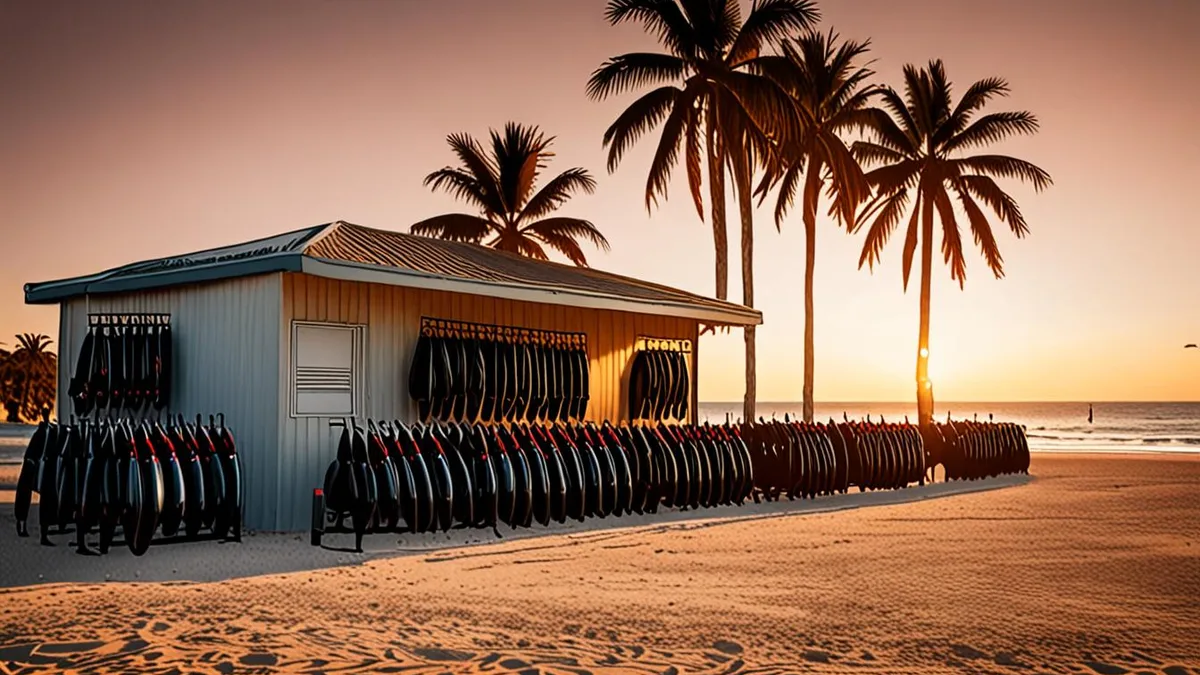
Where you take your first dives matters as much as who teaches you. The best setup for a beginner is a house reef reachable from shore, so your training sessions require no boat logistics at all. You can walk in from the beach, practice skills in shallow water, and finish your session whenever you are ready. Shore diving also removes the variables that stress new divers most: boat transfers, surface swells, entry from a moving vessel and the pressure of a whole boat waiting on you.
What beginner-appropriate conditions look like
Ideal first-dive sites stay under 18 meters deep, with little to no current and visibility of 15-30 meters. Those numbers matter because they let you focus on buoyancy and skills instead of fighting conditions. Deep sites with current demand experience you simply do not have yet, and poor visibility turns even a shallow dive into a stressful one. Any resort marketing itself to beginners should be able to name training sites that meet these criteria.
Before you book, ask the resort for a site map or depth chart of their training area. This is a simple request, and serious operators provide one without hesitation. If you get vague answers, excuses about maps not being available, or a sales pitch instead of specifics, treat it as a warning sign about how the whole operation is run.
Choosing the Right Season and Destination
Picking the right season matters just as much as picking the right resort. Even a beginner-friendly dive center can’t do much if the sea is rough, the wind is howling and the boats stay tied to the dock. Timing your trip around calm windows gives you the best chance of actually completing your course and enjoying every dive, rather than spending your first days watching the surf from the shore. Remember that an Open Water course takes 3-4 days, so a few stormy days can derail your entire schedule.
The Caribbean offers the calmest beginner conditions from November to April, which falls outside hurricane season. Seas are typically flat, visibility is generous and surface conditions are comfortable for someone still mastering mask clearing and buoyancy. Many islands also see their best underwater visibility during these months, which makes those first open-water dives far less intimidating for nervous newcomers.
The Red Sea is another excellent choice for first-timers, with prime windows from March to May and September to November. Water sits at 26-29°C during these periods, so you can dive comfortably in a thin wetsuit while you practice skills in shallow, sheltered bays. The combination of warm water, easy entries and reliable conditions is hard to beat.
One last tip: once you’ve picked your window, book 2-3 months ahead in high season. Calm-season weeks fill up quickly, and the best resorts with on-site dive centers are usually the first to run out of course slots.
- Shoulder-season perks: Traveling just before or after peak weeks in the Caribbean or Red Sea often means smaller classes at the dive center, so you get more instructor attention during your Open Water course.
- Check local microclimates: Some coasts have short rainy spells or wind patterns unique to their region, so read recent traveler reviews or ask the dive center what conditions are like in your exact travel weeks.
- Water temperature and exposure: In cooler months you may need a 3mm or thicker wetsuit; ask the resort what thickness they rent so you’re not guessing on day one.
- Holiday crowding: School breaks and major holidays can fill beginner courses fast, which sometimes means waiting days for a pool session if you book late.
Gear, Safety Standards and What to Ask Before Booking
Rental gear is where beginner resorts quietly reveal their standards. Regulators and BCDs wear out with heavy use, so don’t be shy about asking how old the rental sets are and when they were last serviced. Well-run dive centers service their regulators annually and keep detailed maintenance logs they’re happy to show you. Also ask whether tanks receive a visual inspection every year — it’s a basic requirement at any professional operation, and a quick question that separates serious operators from careless ones.
Try on the gear early in your stay. A BCD that fits poorly or a mask that leaks constantly can make your first dives far more stressful than they need to be. Good resorts carry multiple sizes and swap out anything that doesn’t fit without fuss.
Emergency Preparedness
Before booking, confirm the resort keeps oxygen on site and has a written emergency plan that includes the location of the nearest hyperbaric chamber. Accidents are rare at beginner depth, but you want to know the response plan exists and that staff are trained to use it. Reputable centers answer this question without hesitation.
Test Their Communication
Email the dive center directly with a few specific questions before you commit. How quickly and clearly they respond before booking is usually a good predictor of the service you’ll receive on site. Vague answers about safety or gear are a signal to keep looking.
Budgeting and Booking Your Beginner Dive Trip
Dive trips can be surprisingly affordable if you plan them well. A week-long beginner dive package typically runs $600-1,200 per person, usually including accommodation and a set number of dives or your full Open Water course. What’s included varies a lot between resorts, so read the fine print before comparing prices — a cheap rate that excludes course materials and gear rental can end up costing more overall. Ask the resort to spell out exactly what the package covers, and get it in writing before you pay a deposit.
Timing your booking matters too. For high-season trips, aim to book 2-3 months ahead to secure both your room and a course slot at the dive center. Beginner classes fill quickly in popular destinations, and arriving without a reserved spot can mean waiting several days to start. If you’re flexible on dates, knowing when to book a resort can make a real difference to what you pay. Shifting your trip by even a week or two, away from peak demand, often lowers both the room rate and the dive package price.
- Package vs. pay-per-dive: If you plan fewer than 8-10 dives during the week, compare the all-inclusive package against individual dive rates — occasional divers often save money paying per dive.
- Hidden extras to budget for: Ask whether certification fees, manual and logbook, marine park fees, and gear rental are included, since these can add a noticeable amount to the final bill.
- Room categories affect the total: Package prices often start from the simplest rooms, so factor in the cost of an upgrade if you want an ocean view.
- Deposit and cancellation terms: Check how far in advance you can cancel or reschedule, especially for trips during hurricane or monsoon seasons when weather disruptions are more likely.
Wrapping Up Your Beginner Dive Resort Checklist
A beautiful beach and a stylish pool mean little if the resort can’t actually teach you to dive. The best diving resorts for beginners combine an on-site certified dive center, shallow house-reef training sites and modern gear, so you never have to gamble on unknown third-party operators or fight currents beyond your skill level.
Timing matters just as much as location: aim for the Caribbean from November to April or the Red Sea in spring and autumn, and book 2-3 months ahead to lock in both a room and a course slot. With a $600-1,200 weekly budget and the right questions asked before booking, your first dive trip can be safe and stress-free. If this helped you plan your first dive trip, leave a comment or share this article with a fellow beginner.