The same Swiss Alpine lodge can feel like two completely different holidays depending on the season, and most travelers don’t know which one suits them. Arrive in July and you’ll find sun-washed terraces, hikers swapping trail tips over breakfast and bikes leaning against the wall. Come back in February and the same building hums with ski boots, mulled wine and evenings spent around a crackling fire. Both versions are wonderful, but they come with very different prices, minimum stays and daily rhythms.
This guide compares the two seasons side by side so you can pick with confidence. We’ll look at what a summer lodge stay actually involves, how winter stays differ, and how rates stack up between the two. Then we’ll cover booking timing and minimum stays, which season fits different types of groups, and which amenities change with the calendar. By the end, you’ll know whether summer or winter is the right call for your Swiss alpine lodges trip.
Summer in the Swiss Alps: What a Lodge Stay Looks Like
From June to September, the Swiss Alps trade white slopes for green meadows, and lodge life shifts outdoors. At mid-altitude villages, many of which sit between 1,200 and 1,800 meters, summer days stay mild at around 15-25°C. Daylight stretches late into the evening, so you can finish a hike and still have hours of sunshine left for a drink on the terrace. July and August are the busiest months, while June and September feel noticeably calmer.
What you’ll actually do all day
Hiking dominates the calendar, from gentle valley walks to full-day ridge routes with mountain huts along the way. Mountain biking is a close second, with lift-served downhill trails and quiet forest paths depending on your style. If you want something with a bit of adrenaline, via ferrata routes let you clip into fixed cables and climb exposed rock safely. On rest days, alpine lakes warm up enough for swimming, which is a genuinely refreshing experience at altitude.
The practical side of a summer stay is refreshingly flexible. Lodges run quieter midweek, so a Tuesday-to-Thursday visit often feels relaxed and personal. Minimum stays are commonly just 2 nights, which makes short summer breaks easy to plan around a long weekend. Pack layers, a rain shell and sturdy shoes, and check lift operating dates before you build your itinerary.
Winter Stays: Snow, Ski and Cozy Lodge Evenings
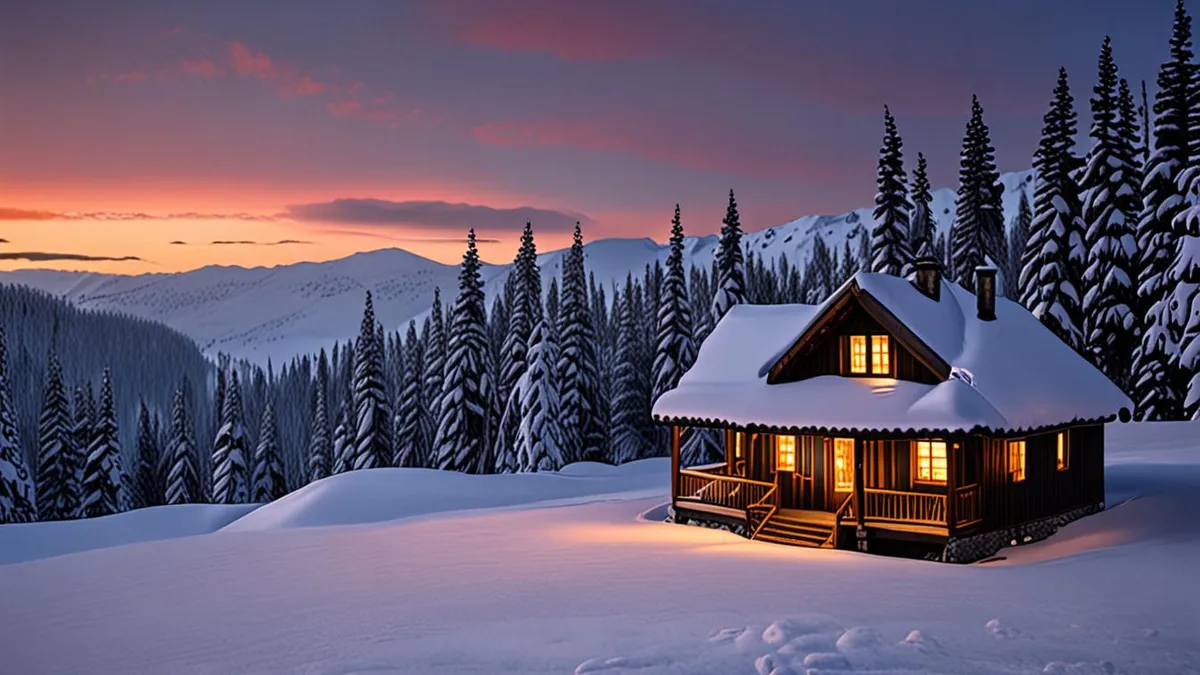
From December to April, the same lodges transform into snow-sports bases. Many properties offer ski-in access, meaning you can click into your bindings steps from the door and be on the slopes within minutes. Demand peaks over the holidays, when families and ski clubs fill the houses and the atmosphere turns properly festive. If you’ve ever considered a snow-focused lodge trip elsewhere, such as the winter lodges profiled in our guide to Whistler ski lodges for winter holidays, the Swiss version follows a similar rhythm with its own alpine character.
Winter days and even better evenings
Skiing and snowboarding take center stage, but they’re far from the only options. Snowshoeing opens up quiet forest trails for non-skiers, sledging runs give families an easy afternoon of laughs, and frozen lakes and groomed winter walking paths keep everyone busy. When the lifts close, attention shifts indoors: spa evenings, saunas, hot drinks by the fire and long dinners are as much a part of a winter stay as the slopes themselves.
One thing to plan around is the length of your stay. Expect minimum stays of 4-7 nights over holidays, which is a bigger commitment than summer’s short breaks. Houses run full and lively over Christmas, New Year and February half-term, so book early if you want those dates. If you prefer a livelier, sociable lodge atmosphere, winter delivers it in spades.
Price Comparison: Summer vs Winter Rates at Swiss Alpine Lodges
The price gap between seasons is one of the biggest factors in deciding when to go. At the same property, summer nights typically cost 20-40% less than peak winter rates, so a lodge that feels out of reach in February can be surprisingly affordable in June. Winter prices climb even higher during the busiest holiday weeks, when surcharges can push rates well above the seasonal average. If your dates are flexible, shifting a winter trip by even a week can change the total significantly.
Meal plans matter too. Half-board is common at Swiss alpine lodges and typically adds CHF 40-80 per person per day in both seasons. Over a week-long winter stay for a family, that’s a meaningful line in the budget, though it often works out cheaper than eating out in resort restaurants every night. For a fuller breakdown of how lodge pricing works, see our guide on how to book a lodge stay, including costs, seasons and booking tips.
A few other pricing details are easy to overlook when comparing quotes:
- Room categories and views are often priced differently by season, so a terrace-facing room may carry a smaller premium in summer than a slope-facing room does in winter.
- Group and family discounts tend to be easier to negotiate in summer, when lodges have more spare capacity midweek.
- Local tourist taxes and resort fees are usually charged separately from the room rate, so factor them in when comparing quotes between seasons.
How to Book: Timing and Minimum Stays by Season
Booking a Swiss alpine lodge is less about luck and more about lead time. The two seasons behave very differently: winter weeks around the holidays sell out fast, while summer dates usually stay open much longer. Lodges in the Alps are often small, family-run properties with a limited number of rooms, so even a few late bookings can wipe out your options for a specific week. Here is a simple timeline to work with.
- Reserve peak winter stays 4-6 months ahead. The busiest holiday weeks of the ski season are the first dates to disappear, and lodges with ski-in access fill their rooms early. Booking within this window gives you real choice over room types and dates instead of leftovers.
- Book summer stays 2-3 months ahead. Outside the busiest stretch, most lodges still have good availability a couple of months out. Short 2-night breaks are common in summer, so planning a spontaneous midweek trip is often realistic.
- Add extra lead time for mid-July to mid-August. This is the height of the summer season, when European families travel and trailhead villages are at their liveliest. Treat these dates more like winter and book early.
- Skip late May, October and November. Many alpine lodges close between seasons for maintenance and staff breaks, so availability can be misleading even when websites look open.
If your dates are flexible, it helps to understand how lodge seasons shift across regions before you commit. A good overview of the best time to visit lodges by season and region can save you from booking a week when half the property is shut. Once you have your window, email the lodge directly to confirm minimum stays and any holiday-week rules before paying a deposit. Ask specifically about room categories too, since the best views and family rooms tend to go first in every season.
Choosing the Right Season for Your Group
The best season for a lodge stay depends less on the calendar and more on who is coming with you. A group of grandparents, parents and small children has very different needs from a crew of strong skiers, and the Swiss Alps cater to both if you pick the right window. Think about mobility, energy levels and how many hours a day everyone realistically wants to be active before you commit to a season.
Multi-generational groups
Summer usually works best here. Gentler walking trails, lake spots and sunny lodge terraces give every generation something to do at their own pace, and nobody is tied to lift schedules. Shorter minimum stays in summer also make it easier to plan a gathering that fits around school holidays and work calendars alike, and grandparents can enjoy the sauna or a terrace lunch while the younger ones head out on longer routes.
Ski-focused groups
If the whole point of the trip is time on the slopes, winter is the obvious pick. Just go in with realistic expectations: holiday weeks carry premium rates and longer minimum stays, so the trip costs more and needs earlier planning than a summer booking would.
Mixed-interest groups are the trickiest, since skiers and hikers rarely want the same week. Early July or late September can split the difference nicely, with mild days at mid-altitude villages, some remaining or early snow higher up, and quieter lodges in between the peak rushes. Whichever group you belong to, agree on the priority activity first, then choose the season around it rather than the other way round.
What Amenities Change Between Seasons
The same lodge can feel like two different properties depending on when you visit. In winter, life moves indoors: wellness areas, saunas and fire lounges become the heart of the house after a day on the slopes. Come summer, the focus flips outdoors, with terraces, gardens and bike storage taking over as the most-used spaces. Shuttle services and lift access also run on very different schedules in each season, so a service you relied on in February may not exist in July, and vice versa. Even the rhythm of the day changes, from early breakfasts before the lifts open to long summer evenings spent outside.
Before booking either season, ask the lodge directly what is open at your travel dates. A few specific points worth confirming:
- Wellness area hours. Some saunas and pools reduce hours or close entirely for maintenance during quieter weeks, especially outside peak periods.
- Lift and cable car operation. Summer hiking lifts often run on limited timetables or specific days only, while winter lift access depends on snow conditions and the ski season calendar.
- Shuttle routes and frequency. Village shuttles may follow a winter ski-bus route in one season and a different, less frequent summer circuit in the other.
- Outdoor facilities. Pools, terraces and garden areas are seasonal by nature, and heated versus unheated pools can make a real difference at 1,200-1,800 meters.
- Meal plan availability. Half-board, which typically adds CHF 40-80 per person daily, may only be offered on certain nights in quieter seasons.
Five minutes of email back-and-forth here prevents the most common disappointment: arriving to find the one facility your trip was built around is closed. Lodges are generally happy to send current schedules if you ask when reserving. Check current details with the lodge itself, since timetables and facility openings change year to year, and what was true last season may already be different for your dates.
Summer or Winter: Which Swiss Alpine Lodge Stay Wins?
So which season wins? If your perfect day means hiking trails, mountain biking or swimming in an alpine lake, summer is the clear pick. Stays from June to September usually cost 20-40% less than peak winter rates, and shorter minimums make a quick break easy to arrange.
Winter, on the other hand, trades lower prices for atmosphere: snow sports, fireside evenings and a fuller, livelier lodge from December to April, especially over the holidays. In the end, the right choice comes down to three things: the activities you want, the budget you have and how far ahead you can book. Whichever side you land on, we’d love to hear your pick in the comments, or share this article with someone planning their own alpine escape.