A noisy street, thin walls or a room right next to the elevator can ruin an otherwise perfect hotel stay. You arrive tired, looking forward to a good night’s sleep, and instead you spend hours listening to traffic, slamming doors or a wedding party two floors down. The frustrating part is that most of this is avoidable, if you know what to ask for before you arrive.
This guide walks you through how to get a quiet hotel room, step by step. We start with why a quiet hotel room starts with the booking, not the check-in, then cover how to choose the right floor and position, and whether a street-facing or courtyard-facing view is the smarter pick. You’ll also learn which zones inside a hotel to avoid, the questions worth asking before you pay, and some backup tactics if your room still turns out noisy. A short checklist at the end ties it all together so you can book with confidence next time.
Why a Quiet Hotel Room Starts With the Booking, Not the Check-In
Here’s the thing most travelers learn the hard way: by the time you’re standing at the front desk, the battle for a quiet room is mostly over. On arrival day, the front desk has limited flexibility. The hotel is often close to full, housekeeping is mid-turnover, and the staff simply can’t reshuffle guests to accommodate your preference. The guests who end up in calm, well-positioned rooms are usually the ones who asked weeks earlier.
So treat your noise preference as part of the reservation itself. When you book online, add a written note such as “quiet room requested” in the comments or special requests field. A written request creates a record the hotel can see and act on. A verbal wish at check-in, by contrast, is easily forgotten the moment you walk away from the desk.
Reconfirm before you travel
The best approach is to request a quiet room 1-2 weeks before arrival, then confirm again 48 hours before check-in by phone or email. That second contact matters more than you might think. Requests get lost between booking systems, staff shifts change, and a friendly reminder puts your note back at the top of the pile. When you call, mention your booking reference and repeat the request exactly as written, so the person you speak with can verify it’s attached to your reservation.
Choose the Right Floor and Position for a Quiet Hotel Room
Once your written request is in, the next step is telling the hotel what “quiet” actually means in terms of location. A room number means nothing to you before arrival, but floor level and position within the building make a huge difference. Start by aiming above the 4th floor, where street-level traffic and sidewalk noise fade noticeably. Buses, delivery trucks and late-night conversations below simply don’t carry as high.
Ground floors are the ones to avoid. They sit closest to the lobby, the main entrance and the steady stream of guests dragging suitcases past your door at all hours. When you request a room, be specific: ask for one at least 3 doors away from elevators, ice machines and vending areas, since those hum and clatter around the clock.
- Corner rooms: they share walls with only one neighbor instead of two, which effectively cuts your potential noise sources in half. If a loud group checks in next door, you have one wall between you instead of two.
- End-of-corridor rooms: fewer guests walk past your door on the way to somewhere else, so you hear less hallway chatter and fewer rolling suitcases.
- Rooms facing away from the parking lot: car doors, alarms and headlights sweeping past curtains are a common complaint, so ask which side of the building the lot sits on.
Put these details in your booking note as well, not just in a conversation. The more precisely you describe what you want, the easier it is for the hotel to match you with the right room.
Street-Facing vs Courtyard-Facing: Which View Is Quieter
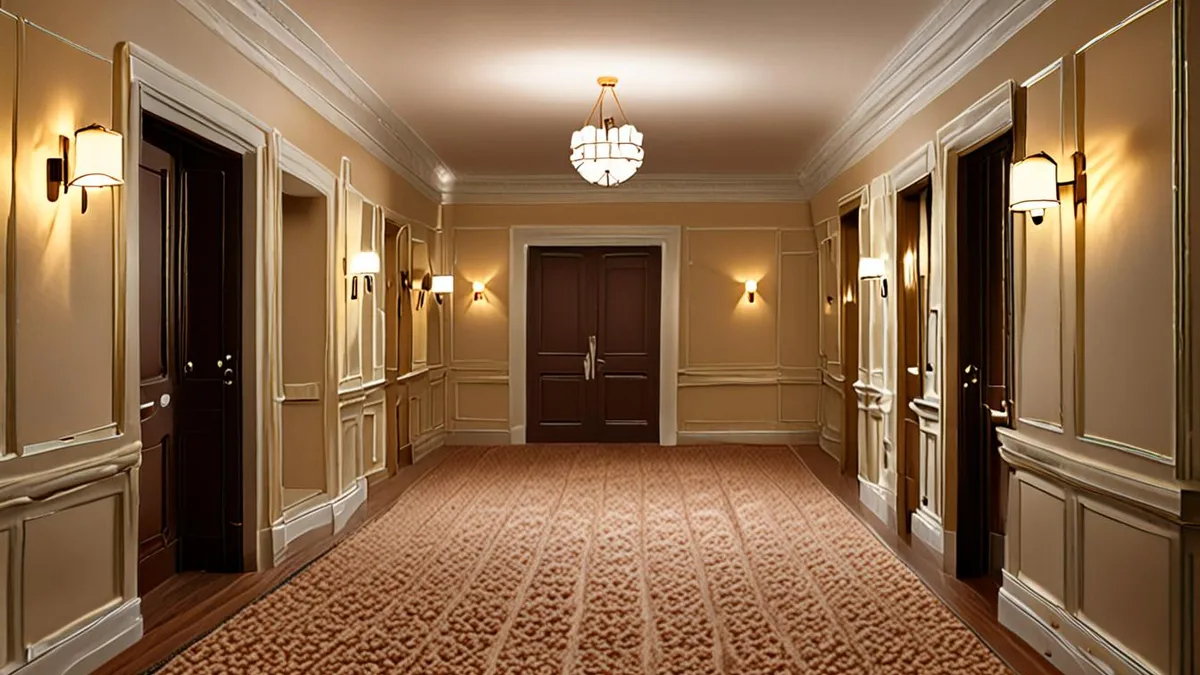
The view you choose has a direct impact on how well you sleep. Courtyard-facing rooms are typically 5-10 decibels quieter than street-facing ones, which is a noticeable difference, roughly the gap between a busy road and a calm side street. The building itself acts as a buffer, blocking traffic, sirens and sidewalk noise before it reaches your window.
That said, street-facing rooms have real advantages. They usually offer better views, more natural light and sometimes a balcony worth sitting on. If you’re staying in a city with a skyline you actually came to see, the trade-off may be worth it. Decide which matters more for your trip: if you’re there to sleep and recover, choose the courtyard side. If you’re there to soak up the city, you can accept some noise, provided you know what you’re signing up for.
Watch what’s underneath your room
The street isn’t the only noise source to think about. Rooms above restaurants, bars or nightlife zones stay noisy until late, often past midnight. Music, laughter and delivery trucks for the venues below can carry straight up through the building, even on higher floors. Before booking, check the hotel’s immediate surroundings on a map and ask directly whether any bars or clubs sit on the same block. A stunning rooftop bar downstairs is great for an evening out and terrible for a 10 pm bedtime.
Avoid the Noisiest Zones Inside the Hotel
Even a well-positioned room can turn out noisy if it sits next to the wrong part of the hotel. Amenities like pools, gyms and breakfast areas generate steady foot traffic and chatter, and the noise from these zones typically starts from about 7 am onward. If you are a light sleeper, a room two doors from the breakfast room can be worse than one facing the street.
Service areas are just as disruptive, but for different reasons. Housekeeping closets and service corridors see carts rolling out early in the morning, and doors along these routes open and close all day. The rumble of a loaded cart on tile carries surprisingly far through thin walls.
Event traffic is the third factor many travelers forget to check. Large groups, weddings and conferences tend to be placed on specific floors, and guests returning from an event can keep a corridor lively well into the night. A quick question to the front desk about which floors host groups during your dates can save you from exactly this situation.
- Pool-adjacent rooms: chlorine pumps and filtration equipment often run on timers, so some rooms near a pool hear a mechanical hum even after swimmers have left for the day.
- Gym neighbors: dropped weights and treadmill impacts travel through floors, so a room directly above or below a fitness center can thump with every workout session.
- Laundry and kitchen zones: industrial washers and kitchen exhaust fans create vibration that you may feel in the floor or headboard, not just hear.
- Function floors: if a wedding or tour group is booked on your floor, ask whether the hotel can place you at the opposite end of the corridor, or on a different level entirely.
Questions to Ask Before You Book a Quiet Room
A few well-chosen questions before you book can reveal noise risks that no photo or room description will show. Hotels rarely volunteer this information, so it is up to you to ask. Frame your questions politely and specifically, and most reservations teams will answer honestly.
Ask about the surroundings first
Start with the big picture: is the hotel near a highway, a railway line, an airport flight path or a nightlife street? Any one of these can dominate the sound profile of a room, no matter how good the insulation is. A hotel can be beautifully built and still sit under a flight path, so get this confirmed before you commit to a booking.
Then ask about the construction
Next, ask whether the windows are double-glazed and whether the guest room doors are solid or hollow-core. Double glazing noticeably reduces traffic noise, while a solid door does a far better job of blocking hallway conversation than a hollow one. These two details tell you a lot about how seriously the property takes sound insulation.
Finally, ask which side of the building faces away from the main road or the parking lot. Parking lots bring early-morning door beeps and engine starts, and the quiet side of a hotel is often the side nobody thinks to request. Once you know which orientation is calmest, put that request in writing with your reservation so it travels with your booking rather than depending on a conversation at the desk.
Backup Tactics if Your Room Still Turns Out Noisy
Even careful planning does not always deliver a silent room, so it pays to have a fallback plan. The single most effective move is speed: request a room change immediately, ideally within the first 15 minutes of checking in. Front desks have far more flexibility before the evening rush, and the earlier you flag the problem, the more alternative rooms will still be free.
Be specific when you ask. Saying “this room is too loud” gives the desk little to work with, but saying “I hear the ice machine every time the door closes” or “there is a wedding on this floor tonight” helps them find a genuinely quieter option. If the hotel is full, a polite follow-up the next morning often works, since cancellations free up rooms overnight.
When a change is impossible, shift to masking noise instead of eliminating it. Foam earplugs block roughly 25-33 decibels, which is enough to soften most hallway and street sounds, and a white-noise app on your phone provides steady cover for the frequencies earplugs miss. Used together, they turn a marginal room into a sleepable one.
- Run the bathroom fan: it produces a constant low hum that smooths out sudden noises like doors slamming or guests talking in the corridor.
- Use the HVAC fan setting: switching the thermostat from auto to fan keeps air moving continuously, creating steady background sound rather than bursts that wake you.
- Reposition the bed: if possible, move away from the wall shared with the elevator shaft or the neighboring room, and keep your head away from the door side.
- Seal the door gap: rolling a towel and placing it at the base of the door dampens hallway noise and light leaking in under the door.
Wrap-Up: Your Checklist for a Quiet Hotel Room
So, how do you avoid a ruined stay? You fix it before you arrive. Put your quiet-room request in writing when you book, then touch base with the hotel again a couple of days before you travel. When you describe the room you want, stack the odds in your favor: high up, tucked into a corner, facing away from the street, and well clear of the elevator bank and ice machine. Each choice removes one potential noise source, and together they cover most of what can go wrong.
Even with careful planning, hotels are busy places, so keep a safety net handy. Pack foam earplugs and a white-noise option on your phone, and remember that a polite room change request on arrival can solve a lot. A little preparation turns the luck of the draw into a choice you control. If these tips helped you, leave a comment or share this article with a fellow traveler.