Planning one trip that suits grandparents, parents and kids at once is genuinely hard, because most lodges are designed for couples. Rooms come in pairs, dinners run on a single seating, and activities assume everyone can handle the same trail. That is why choosing a lodge for a multi-generational group trip takes a different approach from booking a family vacation or a couples’ getaway.
This guide walks you through what actually matters: the room mix and shared spaces a lodge needs, how to match the location to every age, ways to budget without arguments, activities that work from ages 8 to 80, the booking timeline for large groups, and the questions to ask before you commit. Follow these steps and you can pick a lodge where nobody feels like an afterthought.
What a Lodge for a Multi-Generational Group Trip Really Needs
When you are booking for ten or more people across three generations, the variety of rooms matters far more than the total number a lodge has. A lodge with forty identical doubles is harder to work with than one offering a handful of suites, several connecting rooms and a couple of accessible ground-floor options. Grandparents may need a step-free room close to the dining area, parents want space to spread out with young kids, and teens appreciate a bit of separation from everyone else.
Shared space keeps the group together
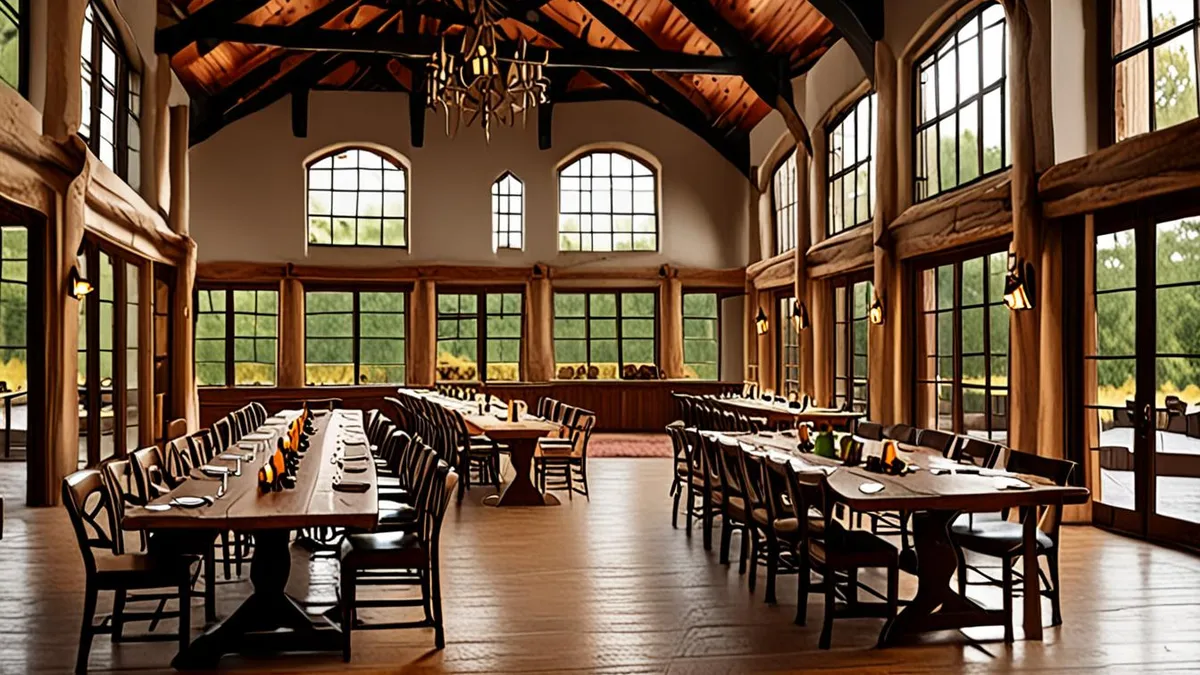
Ask specifically about common indoor space. A large lounge with comfortable seating, a games room, or even a big covered veranda gives the group somewhere to gather on rainy evenings without crowding into someone’s bedroom. This single feature often decides whether evenings feel relaxed or chaotic.
Meals deserve the same attention. Grandparents often prefer an early dinner, while teens would rather eat late after an afternoon of activities. Flexible meal times or the option of private dining for your group solve this neatly, so ask the lodge how it handles both before you book.
Matching the Location to Every Age in Your Group
Location can make or break a trip with seniors and toddlers in the group. The single most useful rule is to keep transfers short: aim for a lodge within a 2-hour drive of the nearest major airport. Long, winding transfers exhaust older travelers before the trip even starts, and they test the patience of young children who have already sat through a flight. When you compare properties, map the actual route from the airport, not just the distance, because a short stretch on a rough gravel road can feel far longer than a smooth highway drive of the same length. If a transfer involves a boat, small plane or unpaved mountain road, ask the lodge how long it really takes in typical conditions.
Lakefront settings tend to suit mixed ages particularly well. Swimming, boating and shoreline walks require no hiking skill or fitness level, so a 70-year-old and an 8-year-old can enjoy the same afternoon together. Water views also give the group something pleasant to do between organized activities, and gentle lakeside paths make early-morning strolls easy for grandparents. If that appeals to you, browsing lakefront lodges for peaceful trips is a good way to see what this style of property offers.
Climate and elevation deserve a closer look than most groups give them. Before you commit, check the following:
- Elevation: lodges at high altitude can leave older travelers short of breath and give anyone a rough first night, so ask how high the property sits and whether activities there are strenuous.
- Humidity: humid jungle settings combine heat, insects and uneven terrain, which can be draining for seniors, so consider whether air conditioning and screened rooms are available.
- Seasonal weather: the same lodge can feel completely different in rainy versus dry months, so check typical conditions for your travel dates rather than relying on photos taken in peak season.
Budgeting Across Generations Without Arguments
Money is where multi-generational trips most often go wrong, so set expectations early. Family suites or connecting rooms typically run 20-40% more per person than standard doubles, and that premium is usually worth paying for the extra space and privacy. Build it into the budget from the start rather than discovering it at checkout.
Know what a night really costs
As a planning figure, budget $150-400 per person per night for a full-service lodge, depending on the region and the season. That range covers meals and basics at many properties, but inclusions vary widely, so confirm exactly what each rate covers before comparing lodges on price alone.
Before you commit to anything, ask about group discounts. Discounts of 10-15% are common for bookings of 8 or more guests, but lodges rarely volunteer them, so you have to ask. Even a modest discount across ten people adds up to a meaningful saving, often enough to cover an extra activity day.
Finally, agree on how costs will be split before any deposits are paid. A shared spreadsheet listing who owes what, updated as bookings are confirmed, prevents the awkward conversations that follow when one family quietly pays more than another. Agree on the method, name one person as the money contact, and keep every figure visible to the whole group.
Activities That Work for Ages 8 to 80
The best lodges for a mixed-age group don’t offer one type of outing — they offer a menu. Before you book, look for properties that clearly organize their activities into at least three tiers: gentle options like short nature walks around the grounds, moderate excursions such as longer guided hikes or village visits, and adventurous choices like kayaking, zip-lining or challenging treks. This structure means your eight-year-old, your parents and your thrill-seeking cousin can each find something that fits, then swap stories over dinner.
Shared experiences matter just as much as variety. Guided wildlife viewing from boats or safari-style vehicles is the great equalizer: grandparents with limited mobility and restless kids sit in the same seat and see the same animals. If you’re considering a rainforest destination, some lodges built around river systems make this especially easy, and reading up on Amazon rainforest lodges for wildlife travel can help you compare how different properties handle boat-based excursions.
One detail that trips up many groups: scheduling. A lodge may advertise a kids’ club and gentle birding walks, but both might only run during peak weeks. Always confirm the calendar before you commit.
- Ask whether the kids’ program is staffed by dedicated lodge employees or by outside guides who may only be available seasonally, since this affects reliability.
- Request sample daily schedules for each activity tier so you can see how many departures happen per day and whether times overlap awkwardly with meals.
- Check minimum age and fitness requirements for the adventurous tier, as some lodges set age limits on activities like canopy tours or whitewater trips.
- Ask if private or customized outings can be arranged for your group alone, which is often the easiest way to keep three generations together on the same excursion.
Booking Timeline and Rooms Strategy for Large Groups
Large groups don’t stumble into good lodge bookings — they plan them. The difference between a smooth trip and a stressful one usually comes down to how early you start and how clearly the terms are written down. Here’s a practical sequence to follow.
- Count your confirmed travelers first. Once you know you have 10 or more people, treat the booking as a group reservation from day one, because lodges often handle large parties differently from individual guests.
- If you’re traveling in high season, June to August, start contacting lodges 9-12 months ahead. Popular family-friendly properties with connecting rooms sell out their flexible configurations first, and those are exactly the rooms your group needs.
- Consider shoulder season instead. May and September to October typically offer better room availability and softer rates, which can free up budget for an extra night or a special excursion.
- Ask about group discounts early. Most lodges offer reduced rates for large parties of 8 or more rooms or guests, but you usually need to request them rather than expect them automatically.
- Get everything in writing. Request a group contract that spells out deposit amounts, cancellation windows and any minimum room count the lodge requires you to fill.
- Assign one family member as the single point of contact with the lodge. Multiple voices making changes is how room assignments and special requests get lost.
Finally, circulate the signed contract terms to everyone in the group before money changes hands. When each household knows the deposit deadline and the cancellation window in advance, you avoid the awkward conversations that come from assumptions. It also helps to set one internal payment deadline a week or two ahead of the lodge’s real deadline, so a late payer doesn’t put the whole reservation at risk. A group trip runs on shared expectations as much as shared space, and a little administrative discipline up front is what keeps both the booking and the family harmony intact.
Questions to Ask Before You Commit
Lodge websites are marketing documents, and phrases like “sleeps 6” or “family-friendly” can mean very different things in person. Before you send any deposit, get specific answers in writing to the questions below. A lodge that answers clearly and quickly is telling you something about how it will treat your group for the rest of the trip.
Start with the rooms themselves. Ask for exact bed configurations in writing for every room you plan to book, because “sleeps 6” can mean two real beds and two sofa beds — a dealbreaker for grandparents with bad backs or teens who want privacy. Follow up on accessibility too: a lodge can be genuinely welcoming to less mobile guests, or it can have a single ramp at the main entrance and stairs everywhere else.
Then dig into what your rate actually covers. Per-person pricing structures vary widely between lodges, and surprises at checkout are the fastest way to sour a group.
- Ask whether housekeeping can convert rooms or add rollaway beds, and whether there’s a fee or advance notice required for those changes.
- Request photos or floor plans showing grab bars in bathrooms, step-free entrances to dining areas and elevator access to every floor where your group has booked rooms, not just the lobby level.
- Clarify if Wi-Fi is free throughout the property or only in the main lodge, since families with remote-working adults or teens will care a lot about this.
- Ask whether activities are billed per person, per excursion or bundled into a daily rate, and whether children pay reduced rates on those extras.
- Confirm how meals are charged — all-inclusive, à la carte or per-person packages — and whether dietary needs like gluten-free or diabetic-friendly menus can be accommodated with advance notice.
Put the answers in an email rather than a phone call whenever possible. A written reply gives you something to refer back to if a detail gets lost between booking and arrival, and it protects every household in the group, not just the one doing the planning.
Wrapping Up Your Lodge Choice
Finding a single lodge that suits three generations under one roof is a genuine challenge, because most properties are built with couples in mind rather than mixed-age families. The right lodge for a multi-generational group trip balances varied rooms, tiered activities and short transfers, so nobody is left out of the fun or worn down by the journey.
Booking 9-12 months out and locking group terms in writing protects both your budget and the family harmony. Before you pay any deposit, use the checklist of questions above and get every detail confirmed in writing, from bed configurations to cancellation windows.
If this guide helped you plan your trip, leave a comment or share it with someone else organizing a big family getaway. A little extra preparation now usually saves a lot of stress once everyone arrives.