The Okavango Delta looks overwhelming to plan for. Dozens of camps, seasons that seem to contradict each other, and price gaps that run from hundreds to thousands of dollars a night can leave even seasoned travelers stuck at the research stage. Where do you start, and how do you know which camp actually fits the trip you have in mind?
This guide breaks the decision down into manageable pieces. We start with why Botswana Delta lodges work differently from other safari stays, then walk through choosing your season, picking between water camps, land camps and private concessions, and what a typical stay includes. From there we cover what Delta lodges really cost, the booking timeline and logistics that make a fly-in trip run smoothly, and a short summary to pull it all together. By the end, you should be able to match a camp, a month and a budget without the guesswork.
Why Botswana Delta Lodges Work Differently From Other Safari Stays
Most safari destinations let you drive to your lodge. The Delta does not. The vast majority of camps here are fly-in only, reached by light aircraft from Maun or Kasane in hops of roughly 25 to 60 minutes. That changes how you plan everything: luggage limits, transfer costs and how long you should stay in one place all flow from the fact that there is no road to your tent.
The second difference is water, or more precisely, water that moves. The Delta’s seasonal floodwaters reshape access and activities throughout the year. The same camp can offer mokoro rides gliding through channels one month, then switch to game drives as the water recedes a few months later. Camps adapt their activity menus to what the landscape allows, so it pays to ask what a specific camp offers in your travel month rather than relying on a generic brochure description.
Small camps, tight availability
Delta camps are deliberately small, often just 8 to 12 tents. That keeps the experience intimate: you share vehicles and boats with a handful of other guests, and staff learn your name by the first evening. The trade-off is availability. A twelve-tent camp fills quickly, especially in the busiest months, so the camp you want may be gone long before your travel dates arrive. This is why Delta trips reward early planning more than most safari destinations do.
Choosing Your Season: Floods, Dry Months and Green Season
The Delta runs on two overlapping calendars: the rains and the flood. Rain falls from November to March, and the flood that those rains create arrives later, with the peak usually running from May to August. Understanding how these two cycles interact is the key to choosing your month.
The dry season: May to October
May to October is the dry season, and it delivers the strongest game viewing, especially from July to October when animals concentrate around remaining water and vegetation thins out. This is also the busiest and most expensive window, so expect higher rates and fuller camps. If your priority is big game and classic sightings, this is the period to aim for, and for a deeper month-by-month breakdown you can read our guide to the best time to visit lodges by season and region.
The green season: November to March
November to March is the green season, when the landscape turns lush, birding hits its peak and rates drop noticeably. The trade-offs are real: some camps close entirely or run a reduced activity schedule, and rain can affect game viewing. Water activities follow their own rhythm, since mokoro excursions and boating are most reliable when flood levels are high, roughly June to September. A green season trip built around water activities may disappoint, while the same months can be superb for birds, newborn animals and quieter camps at lower prices.
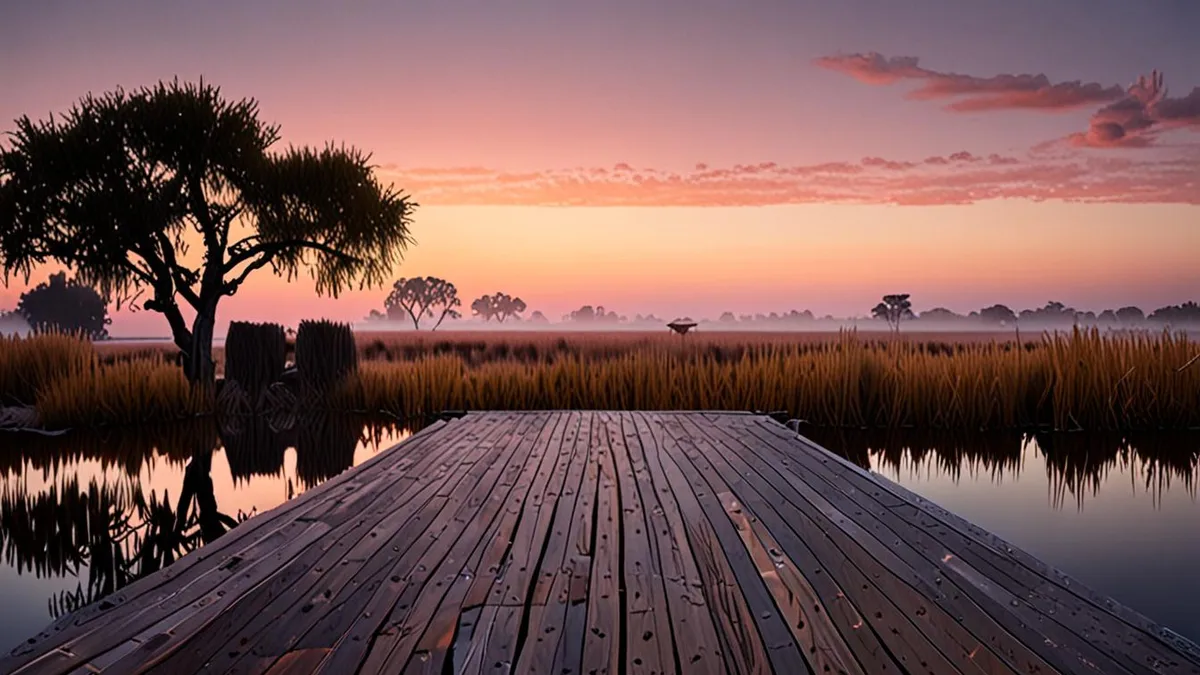
Picking Your Base: Water Camps, Land Camps and Private Concessions
Once you know your month, the next decision is what kind of camp to build your stay around. Delta camps generally fall into two camps of their own: those oriented toward water and those oriented toward land. Neither is better; they simply offer different experiences, and many travelers combine them.
Water-focused camps put mokoro excursions and boating at the center of your days. You glide through channels and open lagoons, getting close to reed frogs, kingfishers and elephants drinking at the water’s edge. Land-based camps flip the emphasis to game drives, and because they operate in private concessions, they often enjoy flexibility that national park areas cannot offer.
A useful rule of thumb: rather than booking one long stay, many itineraries split your nights across two contrasting areas, typically 3 to 4 nights per camp. That way you get both the water experience and the game-drive experience without overpaying for transfers.
- Private concession access: land camps in concessions can usually drive off-road to follow predators and run night drives, neither of which is permitted in the national park sections of the Delta.
- Seasonal activity checks: before booking a water camp, confirm which activities run in your travel month, since low flood years can reduce or suspend mokoro and boating.
- Camp pairing strategy: pairing one water camp with one land camp in a single trip covers the Delta’s two signature experiences and spreads your flight transfers across just two hops.
What a Delta Lodge Stay Includes: Rooms, Meals and Daily Activities
One of the pleasant surprises of a Delta safari is how much is bundled into the nightly rate. Most camps quote a fully inclusive price that covers your accommodation, all meals, house drinks, and two scheduled activities per day — typically one early morning outing and one in the late afternoon. Park and conservation fees, premium imported drinks, and laundry services vary by camp, so check the inclusions list before you book.
Accommodation is usually a tented suite or a thatched chalet, and “tent” here is far from basic. Expect proper beds, en-suite bathrooms with hot showers, and canvas walls that let you hear hippos grunting and birds calling at night. Many rooms open onto decks facing a floodplain or lagoon, and some camps use few fences, so staff will often walk you to your room after dark.
The daily rhythm
Days follow daylight rather than the clock. You’ll wake before sunrise for coffee and a light snack, head out on your morning activity, and return mid-morning for a hearty brunch. The hot middle hours are for siestas, reading on your deck, or watching wildlife from camp. Afternoon tea precedes the evening outing, which often ends with a sundowner drink before dinner. If you want a fuller picture of how lodge routines like these work, this guide to lodge amenities, meals and activities breaks it down nicely.
Budgeting Your Stay: What Botswana Delta Lodges Really Cost
Botswana has a reputation as one of Africa’s priciest safari destinations, and in the Delta that reputation is largely deserved. Mid-range camps typically run USD 400-800 per person per night, while luxury camps charge USD 1,000-2,000 or more. The upside is that these rates are usually all-inclusive, covering your accommodation, meals, drinks and scheduled activities, so your daily spending once you arrive is minimal. That makes budgeting straightforward: the biggest decisions are which camps you choose, how long you stay and when you travel, rather than how much you spend on the ground.
Timing makes a big difference to the bill. Green season rates from November to March can be 30-50% below peak pricing, which puts some otherwise out-of-reach camps within budget. If your dates are flexible, shifting your trip a few weeks can save the cost of an extra night or two. For a broader walkthrough of comparing rates and timing your deposit, see this guide on how to book a lodge stay.
The nightly rate, however, is not the whole story. Several extras sit outside it, and they add up quickly, so it pays to list them before you compare quotes:
- Light-aircraft transfers between camps are priced separately, and a multi-camp itinerary with several hops can add a meaningful amount to your total.
- Park and conservation fees are often billed per person per day and change regularly, so confirm the current amount with your operator.
- International flights into Maun or Kasane are a separate cost from the safari package and can be surprisingly expensive in peak months.
- Visas, travel insurance and gratuities for guides and camp staff are rarely included and should be budgeted from the start.
When you request quotes, ask operators to break costs down line by line. Seeing transfers, fees and the camp rate separately makes it much easier to compare offers fairly and spot where you can trim without sacrificing the experience.
Booking Timeline and Logistics for a Smooth Delta Trip
A Delta trip rewards early planning more than almost any other safari destination on the continent. Camps are small, flights are fixed, and the best months sell out first, which means a last-minute approach rarely works here. Working through the logistics in the right order saves both money and stress, and it also means you end up in a camp that genuinely suits the experience you want rather than one that simply happened to have space left.
- Choose your travel window first. Your month determines which camps are open, which activities run, and what you’ll pay, so lock in dates before you fall in love with a specific camp.
- Reserve your camps early. For peak-season travel, book 9-12 months ahead; green season trips can usually be booked 3-6 months out with far more availability.
- Plan your international arrival. Fly into Maun or Kasane, the two gateways to the Delta, and allow a buffer day in case of delays before your first light-aircraft connection.
- Sort out your luggage. Charter flights have strict limits, usually soft bags around 20 kg, so leave hard-shell suitcases behind and pack duffel-style bags.
- Build in enough nights per camp. A 3-4 night minimum per camp justifies the transfer cost and gives you time to settle into the rhythm rather than constantly repacking.
It also helps to decide your priorities before you speak to an operator. If water-based activities matter most to you, say so upfront, because not every camp offers them year-round and water levels vary with the flood cycle. The same goes for photography, walking safaris or family-friendly setups: being clear about your non-negotiables makes the booking conversation far more productive and helps your operator match you to the right concession.
Once bookings are confirmed, reconfirm your flight times and luggage allowances with your operator a few weeks before departure, since light-aircraft schedules can shift. Keep copies of your confirmations on your phone as well as printed, as some remote camps have limited connectivity. Travel insurance covering charter flights and activity cancellations is also worth arranging early, when trip costs are already committed and cancellations would be expensive.
Planning Your Delta Safari, Summed Up
The Okavango Delta can look overwhelming at first: dozens of camps, shifting floodwaters and prices that swing wildly between months. The simplest way through it is to start with your dates. If you want mokoro rides and boating, aim for flood season; if your priority is game viewing, the dry months from May to October are your window, with July to October the busiest and most expensive stretch.
From there, the plan almost builds itself. Combine a water camp and a land camp so you get both sides of the Delta, budget separately for light-aircraft transfers, and book early for peak season. Plan on 3-4 nights per camp, which balances cost, access and wildlife time. If you have questions or your own Delta tips, leave a comment or share this article.