Many couples book a beautiful lodge only to find shared walls, group tours and zero privacy ruin their romantic escape. The photos looked dreamy, but the reality was a room sandwiched between a family with toddlers and a wedding party, with breakfast served at a long communal table. Choosing the right lodge for a honeymoon takes more than picking the prettiest property you can find.
This guide walks you through the decisions that actually matter: why privacy should be your first filter, how to choose between lakefront, wilderness and mountain settings, and which seasons bring both romance and quiet. We also cover the perks worth requesting when you book, what privacy and upgrades really cost, and the specific questions to ask before you confirm a reservation. Follow these steps and your lodge becomes the honeymoon you imagined, not a compromise you regret.
Why Privacy Should Be Your First Filter When Choosing a Lodge for a Honeymoon
Privacy is the single biggest difference between a honeymoon lodge and an ordinary hotel stay. When you share a wall with neighbors, every conversation, door slam and early alarm becomes part of your trip. That is why stand-alone cabins or detached suites should sit at the top of your wish list. These units give you your own entrance, your own outdoor space and the freedom to relax without wondering who can hear you.
Size and policies matter more than star ratings
Small lodges with fewer than 20 rooms naturally feel calmer, and adults-only policies remove the noise and energy that families and groups bring. Many lodges offer honeymoon perks like champagne, spa credits or room upgrades when mentioned at booking, but those perks mean little if the property itself is crowded. A quiet, small lodge sets the tone for the entire trip.
Before you commit, ask specific questions rather than trusting marketing photos. Can you dine privately instead of joining a communal table? Does your unit have its own terrace or deck? Is there a separate entrance so you never walk through a lobby or shared hallway? Properties that answer these questions confidently are usually the ones built with couples in mind. Properties that hedge are telling you something too.
Picking the Right Setting: Lakefront, Wilderness or Mountain Lodges
The setting shapes everything about a honeymoon lodge, from how you spend your mornings to how much time you spend simply sitting together. There is no universally right answer, but there is a right answer for the two of you.
Lakefront for calm and quiet mornings
Lakefront lodges offer calm water views and quiet mornings ideal for couples. Waking up to still water, drinking coffee on a private dock and ending the day with a sunset over the lake creates a naturally slow, romantic rhythm. If your ideal honeymoon involves less driving and more lingering, water is hard to beat. Our guide to peaceful lakefront lodges across America shows what this style of stay looks like in practice.
Wilderness and mountain alternatives
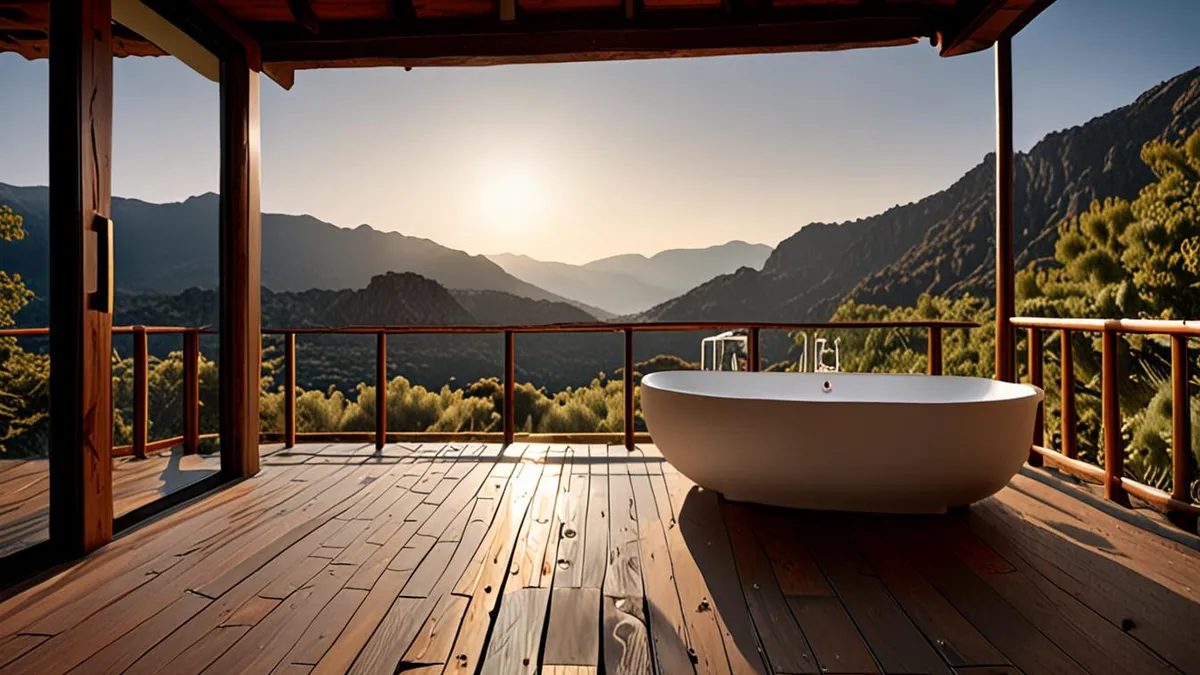
Wilderness lodges suit couples who want seclusion and guided nature experiences together. Think private safaris, guided hikes or wildlife viewing shared only with your partner and a guide. These lodges are often remote, which keeps guest numbers low and intimacy high. Mountain lodges, meanwhile, work best for honeymoons centered on scenic drives and relaxed hiking. You get dramatic views, crisp air and the flexibility to explore at your own pace, then return to a fireplace and a quiet terrace.
Match the setting to how you actually want to spend your days. A couple who loves long mornings by the water will feel restless on a wilderness itinerary, and vice versa.
Timing Your Stay: Seasons That Maximize Romance and Quiet
When you go matters almost as much as where. The same lodge can feel intimate in one month and crowded in another, and your budget will feel the difference too.
Why shoulder season wins for couples
Shoulder season months of May-June and September-October bring fewer guests and lower rates in most regions. You get shorter waits, quieter dining rooms, more attentive staff and the sense that the lodge belongs to just a handful of couples. Weather is often pleasant during these windows as well, though this varies by destination.
Peak season is a different story. Rates typically run 30-50% higher than shoulder season, and lodges are at full occupancy. That means shared viewpoints, booked-out dining slots and far less privacy, even in a well-designed property. If romance and quiet are priorities, peak season works against you on both counts.
Match the season to the region
Price should not be your only guide. Match the season to the region using climate and wildlife patterns rather than price alone. A shoulder season deal means little if it coincides with heavy rain or if the wildlife you hoped to see is absent. Our article on the best time of year to visit lodges by season and region breaks down how climate and wildlife cycles vary across destinations. Check those patterns first, then book the quietest window that also delivers the experience you want.
Romantic Perks Worth Requesting When You Book
Tell the lodge it is your honeymoon the moment you book, not at check-in. Many properties quietly hold a set of honeymoon extras — champagne, spa credits, a room upgrade — and release them only to couples who mention the occasion when reserving. Front desk staff often have no authority to add these once you arrive, so timing matters.
Beyond the automatic extras, ask specifically about the romantic touches that make a stay feel private. Some lodges can arrange a candlelit dinner on your terrace, while others only offer dining in a shared restaurant. Couples spa treatments, in-room flowers and evening turndown with a small treat are all common requests, but availability varies widely between properties.
Once you have agreed on perks, get them confirmed in writing. A short email listing your honeymoon package details protects you if staff change, systems reset or a busy check-in day causes things to slip. Bring the confirmation with you and reference it politely if anything is missing from your room.
- Private dinners: ask where they are served — a terrace table, an in-cabin meal or a separate dining pavilion — and whether there is an extra charge beyond your meal plan.
- Couples spa treatments: confirm whether treatments happen in a shared spa or in your suite, and book your preferred time slots well before arrival since spa calendars fill quickly.
- Sunset turndown service: ask what it includes, such as lighting, a dessert plate or a drawn bath, and request the approximate time so it does not interrupt your evening plans.
- Room upgrades: ask whether the upgrade is guaranteed or subject to availability, because “if available” upgrades frequently never materialize in busy periods.
Budgeting: What Privacy and Upgrades Actually Cost
Privacy has a price, and it helps to know the ballpark before you fall in love with a cabin photo. Stand-alone cabins and detached suites typically cost 20-40% more than standard lodge rooms in the same property. That premium buys you no shared walls, your own entrance and often a private terrace or plunge pool — the features that turn a nice honeymoon into a memorable one.
Timing is the biggest lever on that premium. For peak season dates, book 6-12 months ahead to lock in the best room categories before they sell out. Popular lodges often have only a handful of true honeymoon suites, and late bookers are usually left choosing between standard rooms or paying for whatever remains.
Let the season do the discounting
Shoulder season works in your favor twice over. Rates drop, the lodge is quieter, and the gap between room categories often shrinks — meaning a premium cabin can cost close to what a standard room would in high season. If your dates are flexible, this is the easiest way to afford the top tier of privacy.
Before you commit, compare total costs rather than the nightly rate. Some lodges quote rates that exclude meals, transfers or activity fees, and those add up quickly on a honeymoon. It helps to read a guide on how to book a lodge stay, including costs, seasons and booking tips so you know which questions to ask about what is actually included.
Questions to Ask Before You Confirm a Honeymoon Lodge
Photos and reviews can only tell you so much. A well-shot website can make a busy property look intimate, and glowing reviews often come from families or groups whose priorities differ from yours. Before you put down a deposit, a few direct questions to the lodge will reveal whether the property is genuinely built for couples or simply markets itself that way. Ask them by email so you have written answers to refer back to later, and pay attention to how quickly and thoroughly the staff respond — vague replies before booking often signal vague service after arrival.
The layout of the property matters most. A lodge can look secluded on its website while the “cabins” are actually rows of units joined to a main building. Distance between units, sight lines from terraces and sound carry-over all shape how private your stay feels in practice. Ask for a simple description of the grounds, or even a rough map if they have one, so you can picture exactly where your room sits relative to the lobby, parking area and shared facilities.
Dining and activities deserve the same scrutiny. Communal dinners can be lovely, but on a honeymoon many couples want at least a few evenings alone. Similarly, group game drives or group hikes are rarely the romantic experience couples imagine, so know what you are signing up for before you commit to a package.
- Room layout: ask exactly how many rooms share the main building and how far apart the detached units are — a specific answer like “a two-minute walk” tells you far more than “secluded.”
- Private dining: find out whether every meal is communal or whether couples can dine privately, and whether private dinners cost extra or are included in the rate.
- Excursions: ask which activities are shared group outings versus private experiences, and whether a private guide or vehicle can be arranged for an added fee.
- Shared spaces: ask about the pool, lounge and fire pit — who uses them, and whether any area is reserved for suite guests only.
Wrapping Up Your Honeymoon Lodge Choice
The most common honeymoon disappointment isn’t a bad view or a mediocre meal—it’s discovering that the gorgeous lodge you booked online actually means shared walls, group dinners and a tour bus of strangers at breakfast. A little planning prevents that. Put privacy first: choose small lodges with under 20 rooms or adults-only policies, and favor stand-alone suites or detached cabins over standard rooms.
Timing matters just as much. A shoulder season stay, typically in May-June or September-October, keeps the lodge quiet and often saves enough to afford a premium room type. Finally, don’t leave romance to chance: mention your honeymoon when you book so perks like champagne, spa credits or upgrades get added, and confirm your room layout and private dining options in writing before arrival. If this helped you plan your trip, share the article or leave a comment with your own lodge tips.