Hokkaido ski lodges have a reputation that draws skiers from every corner of the world, yet many travelers arrive with only a vague idea of what a lodge stay actually involves. Does the rate include meals? How far in advance do you need to book for the deepest powder months? And how does a Japanese ski lodge differ from the Alpine chalets you may already know? These are the questions that trip up first-time visitors, and getting the answers right can make or break a winter trip.
This guide walks you through what to expect, starting with what makes Hokkaido lodges genuinely different from stays in the Alps. We’ll compare the main resort areas, from Niseko to quieter options like Rusutsu and Furano, then break down the season calendar, typical costs and the booking window you should plan around. You’ll also get a practical look at amenities, meals and onsen culture, plus advice on matching a lodge to your group, whether that’s a family with young skiers or a couple chasing a quiet soak in the snow.
Why Hokkaido Ski Lodges Are Different From Alpine Stays
The first thing that sets Hokkaido apart is the snow itself. Cold air from Siberia picks up moisture over the Sea of Japan and dumps it on the island as dry, feather-light powder, the kind of snow skiers chase across the globe. Niseko averages around 15 meters of snowfall per winter season, a figure that dwarfs most Alpine resorts and explains why the region has become a fixture on international ski itineraries.
A blend of Japanese tradition and ski convenience
Lodges here rarely feel like Alpine hotels transplanted to Asia. Many blend Japanese traditions with Western-style ski amenities: you might sleep in a Western bed one night and a tatami room the next, then finish the day with an onsen bath while snow falls around you. At the same time, expect the practical comforts skiers rely on, such as ski storage, drying rooms and shuttle access to the lifts.
Half-board changes how you plan your evenings
The biggest practical difference from the Alps is the dining model. Half-board is the norm in Hokkaido lodges, meaning dinner and breakfast are built into your rate rather than added on. In much of the Alps, room-only pricing is standard and you arrange meals yourself. In Hokkaido, the included meals are often a highlight, and the structure matters in another way too: with heavy snowfall and limited nearby dining options, having dinner waiting at your lodge each evening removes a layer of planning from your trip. Check whether drinks are included or billed separately when you compare rates.
Where to Stay: Niseko, Rusutsu, Furano and Beyond
Niseko is the most international base in Hokkaido, and it shows in everything from English-speaking staff to Western-style restaurants and ski schools. Lodges here are typically 5 to 30 minutes by shuttle from the lifts, so when you compare options, factor in how that shuttle time fits your morning routine. The upside of Niseko’s popularity is convenience and choice; the downside is crowds on peak powder days and prices to match.
Quieter slopes at Rusutsu and Furano
If Niseko feels too busy, Rusutsu and Furano offer quieter slopes and lower prices while keeping the reliable powder that makes Hokkaido famous. Rusutsu sits close enough to Niseko that some travelers day-trip between the two, while Furano sits further inland with a drier climate and a more local atmosphere. Both areas have enough lift-served terrain for a full week, and lodges there often deliver a more traditionally Japanese experience at a friendlier price.
Smaller areas for fewer crowds
Beyond the big names, smaller areas like Kiroro and Tomamu suit travelers who want fewer crowds and family-friendly terrain. Kiroro gets some of the heaviest snowfall on the island and sees a fraction of Niseko’s visitor numbers, while Tomamu’s groomed, gentle runs and resort facilities make it an easy pick for families with newer skiers. These areas trade some nightlife and dining variety for space on the slopes, a trade many visitors are happy to make. Wherever you choose, confirm shuttle distances before booking, since lodge locations within each area vary widely.
When to Go and What It Costs
Hokkaido’s ski season runs from late November to early May, which gives travelers a long window to plan around. Not all of that window is equal, though. January and February deliver the deepest, most consistent powder, and they’re also the months when lodges fill up fastest and charge their highest rates. If your priority is legendary snow, aim for those two months; if you’d rather balance good conditions with a calmer budget, the shoulder months deserve a close look. For a broader comparison of how seasons play out across different lodge destinations, see when to visit lodges by season and region.
What peak-season rates look like
During peak season, lodge rates typically range from about ¥30,000 to ¥80,000+ per person per night, and that figure generally includes dinner and breakfast. The wide range reflects real differences in lodge style: a simple pension-style property sits at the lower end, while a boutique lodge with private onsen and premium dining sits well above it. Because meals are usually built in, compare rates on a like-for-like basis rather than against room-only prices elsewhere.
Why shoulder months are worth considering
December and March offer good snow at noticeably lower prices, along with thinner crowds on the lifts and easier restaurant bookings. Early December can bring lighter early-season cover, and late March days run longer and milder, but both months still deliver plenty of the powder Hokkaido is known for. Snowfall varies year to year, so check recent conditions reports before locking in a shoulder-month trip. Whichever month you pick, remember that rates and availability shift with demand, so treat any figure you see as a starting point and confirm current pricing directly with lodges.
How and When to Book
Booking a ski lodge in Hokkaido is less like reserving a hotel room and more like securing a seat at a popular restaurant. The best lodges are small, the demand is global, and the prime weeks fill up fast. A little planning goes a long way, and the steps below will help you lock in the stay you actually want rather than settling for what is left. Think of this as your pre-booking checklist: a handful of questions to ask, and a few details that are easy to overlook until you are already on the ground.
- Start early for peak-season dates. For January and February stays, aim to book 6 to 12 months ahead. The most sought-after lodges, especially those with onsen baths and half-board dining, sell out first, sometimes before the previous season has even ended.
- Check the transfer situation before you commit. New Chitose Airport, the main gateway, sits roughly 2 to 3 hours from Niseko by bus or private transfer. Some lodges include shuttle service in the rate, others charge separately, and a few leave you to arrange your own. Ask directly what is covered so you are not comparing prices on unequal terms.
- Read the cancellation policy line by line. Winter bookings often carry stricter terms than summer stays, with shorter free-cancellation windows and steeper penalties close to arrival. If a heavy snowfall season or a flight change could shift your dates, this detail matters more than any other.
- Confirm what “with meals” actually means. Since dinner and breakfast are usually built into the rate, ask whether the price is per person or per room, and whether dietary requests can be accommodated.
One more practical tip: email the lodge directly before paying through a booking platform. Small, family-run properties often respond faster than you expect, and a short exchange can clarify room configurations, shuttle times and deposit rules in a single reply. It also gives you a feel for the hospitality style before you arrive, which matters when you will be sharing dinners and bathhouse routines with the same hosts for a week.
If you want a broader framework for comparing rates, seasons and payment terms, this guide on how to book a lodge stay, with tips on costs, seasons and timing walks through the process step by step. Once your dates and deposit are settled, the only thing left to do is watch the snow forecast.
Amenities, Meals and Onsen Culture
Life at a Hokkaido ski lodge follows a comfortable rhythm: ski through the morning, soak in the afternoon, eat well in the evening, and repeat. Meals are a highlight rather than an afterthought. Most stays include dinner and breakfast, and the kitchens lean heavily on local Hokkaido produce, from fresh seafood and rich dairy to hardy winter vegetables grown in the island’s cold, clean air.
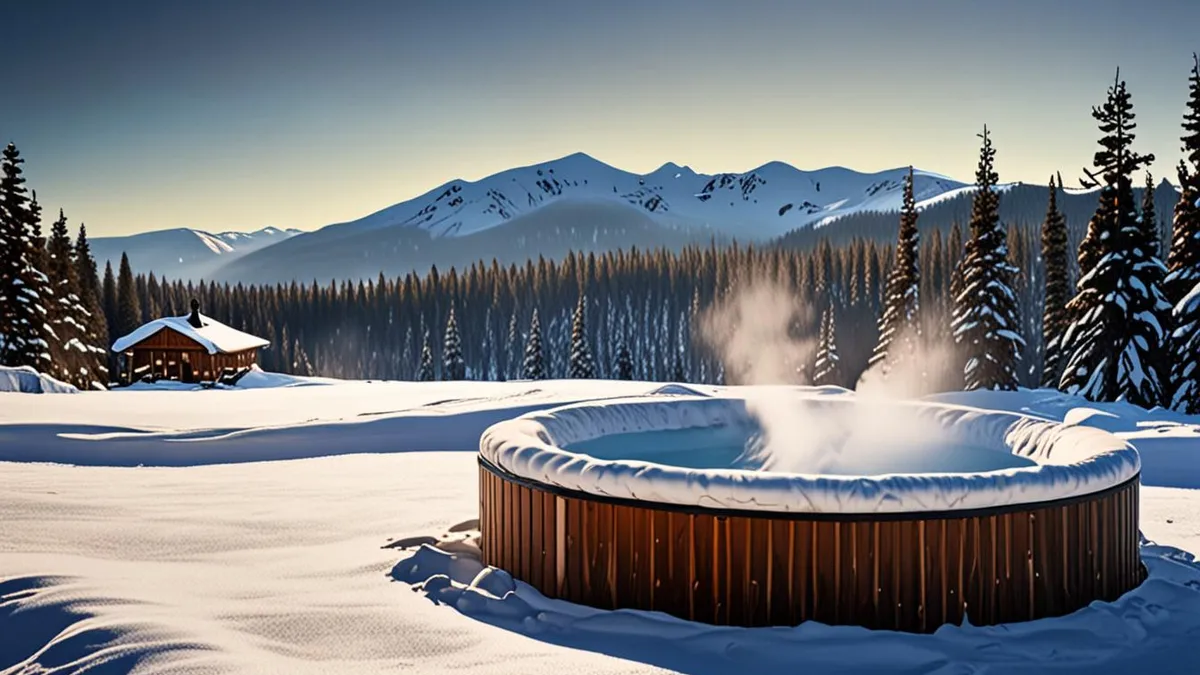
Then there is the onsen. Bathing is a daily ritual at most lodges, and the outdoor rotenburo baths, with steam rising off hot water while snow settles around you, are the single most memorable part of many trips. Bathing is typically communal and separated by gender, so check ahead if privacy matters to your group; some lodges offer private bath slots you can reserve.
Beyond the baths and dining room, a handful of practical features separate a smooth winter stay from a soggy, disorganized one. When comparing lodges, look for:
- A heated boot room at the entrance, so wet boots and skis never travel through your room or the dining area.
- Drying rooms for gloves, goggles and base layers, which otherwise take days to dry in humid winter air.
- Shuttle service to the lifts, saving you a cold walk with gear in the morning and after the last run.
- Laundry facilities or service, useful on longer trips when skiwear rotates faster than you expect.
For a fuller picture of what a well-run lodge provides day to day, this overview of lodge amenities, meals and activities covers the details worth checking before you book.
Choosing the Right Lodge for Your Group
The right lodge depends less on the mountain and more on who is traveling with you. A property that delights a couple on a quiet anniversary trip can feel cramped for a group of eight, and a lively chalet full of friends can overwhelm parents trying to get toddlers to sleep. Matching the lodge style to your group is the single best decision you can make before booking.
For families
Prioritize lodges with connecting rooms or family suites, since separate sleeping space keeps everyone rested and ready for early lifts. Kids’ ski programs and gentle beginner slopes nearby make a huge difference too, because short, easy transitions between lessons and downtime beat long shuttle rides with tired children. Ask whether the lodge rents children’s gear or arranges lessons directly; either saves you a morning of logistics.
For friends and couples
Groups of friends usually get the most value from self-catering chalet-style lodges with a shared living room and kitchen. Cooking together after a day on the slopes, splitting the cost across the group, and having space to spread out beats squeezing into separate hotel rooms. Couples, on the other hand, often prefer small boutique lodges with private onsen baths and quiet locations set back from the resort crowds. Fewer rooms means more personal service, and a private rotenburo under falling snow is about as romantic as a ski trip gets. Whichever camp you fall into, confirm the room configuration in writing before you pay the deposit, as layouts vary widely between lodges.
Wrapping Up Your Hokkaido Lodge Trip
A Hokkaido ski lodge stay is easier to plan once you know what it actually involves: world-class powder paired with half-board dining and a daily onsen ritual, all built into the rhythm of your stay. The snow is the headline, but the way lodges blend Japanese tradition with ski convenience is what makes the trip memorable.
Timing shapes both your experience and your budget. January and February deliver the deepest, driest snow, while the shoulder months offer good conditions at noticeably lower prices. Whichever you choose, booking 6 to 12 months ahead gives you the best chance of securing the lodge and area that suit your group. If you have stayed at a lodge in Hokkaido or have questions about planning your trip, leave a comment or share this article.