Do villas include utilities, or will you face a surprise bill at checkout? It’s one of the most common misunderstandings in vacation rental bookings. Many travelers assume the nightly rate covers everything, then get hit with an electricity charge for all that air conditioning, or a service fee they never saw coming. The truth is that utility policies vary widely, and the difference can add a meaningful amount to your final cost.
This guide breaks down exactly how utilities work in villa rentals: what’s typically bundled into the rate, why electricity is the utility most likely to cost extra, and when owners bill usage separately. We’ll also cover deposits and other extras that may be added on top, the exact questions to ask a host before you pay a deposit, and how to budget for utilities depending on your destination. Read on and you’ll know precisely what to confirm before booking.
Do Villas Include Utilities in the Rental Rate?
For most short-term villa rentals, the answer is yes: water, Wi-Fi and basic electricity are bundled into the nightly rate. This is the standard setup on major booking platforms, and it’s what most travelers expect. You arrive, you turn on the lights, you stream a movie, and nobody asks you to pay extra for it.
When caps come into play
However, some owners place a cap on included electricity, especially in hot destinations where air conditioning runs constantly. If your usage stays under the cap, you pay nothing extra. Go over it, and the excess is billed separately at checkout, usually based on the meter reading or a flat per-day surcharge for excessive AC use.
Why the listing is your best source
Policies are not uniform across the industry. They differ by booking platform, by individual owner and by destination, so there’s no single rule you can rely on everywhere. One villa in the same town may include everything, while a neighboring property meters every kilowatt-hour.
The deciding source is always the listing description itself. Read it carefully before booking, and look for any mention of utility caps, fair-use policies or extra charges. If the listing is silent on utilities, that’s your cue to message the host and get the policy confirmed in writing.
Electricity: The Utility Most Likely to Cost Extra
Among all the utilities in a villa, electricity is the one most likely to cost you extra, and there’s a simple reason: air conditioning. In hot climates, AC units work hard for hours at a time, and heavy use can push a villa’s consumption to 20-40 kWh per day. That’s far more than a typical household uses for lighting, cooking and electronics combined.
What separate billing looks like
When owners do charge for electricity on top of the rent, the rate commonly runs $0.20-$0.50 per kWh in popular villa destinations. On a heavy-AC week, that can translate into a noticeable checkout bill, which is why it pays to know the policy before you arrive rather than after.
Why villas use more than apartments
Villas are simply bigger consumers than apartments. A private pool needs pumps and filtration running daily. Outdoor lighting around terraces, gardens and pathways adds hours of usage every evening. Add a drinks fridge in the kitchen, a second one by the pool bar, and ceiling fans in every bedroom, and consumption climbs quickly.
None of this means you should avoid villas with pools and extensive grounds. It just means electricity usage is structurally higher, so the difference between an all-inclusive rate and a metered one matters more. If your villa is billed per kWh, simple habits like turning off AC when you leave a room and switching off outdoor lights overnight can keep the final bill reasonable.
When Utilities Are Billed Separately
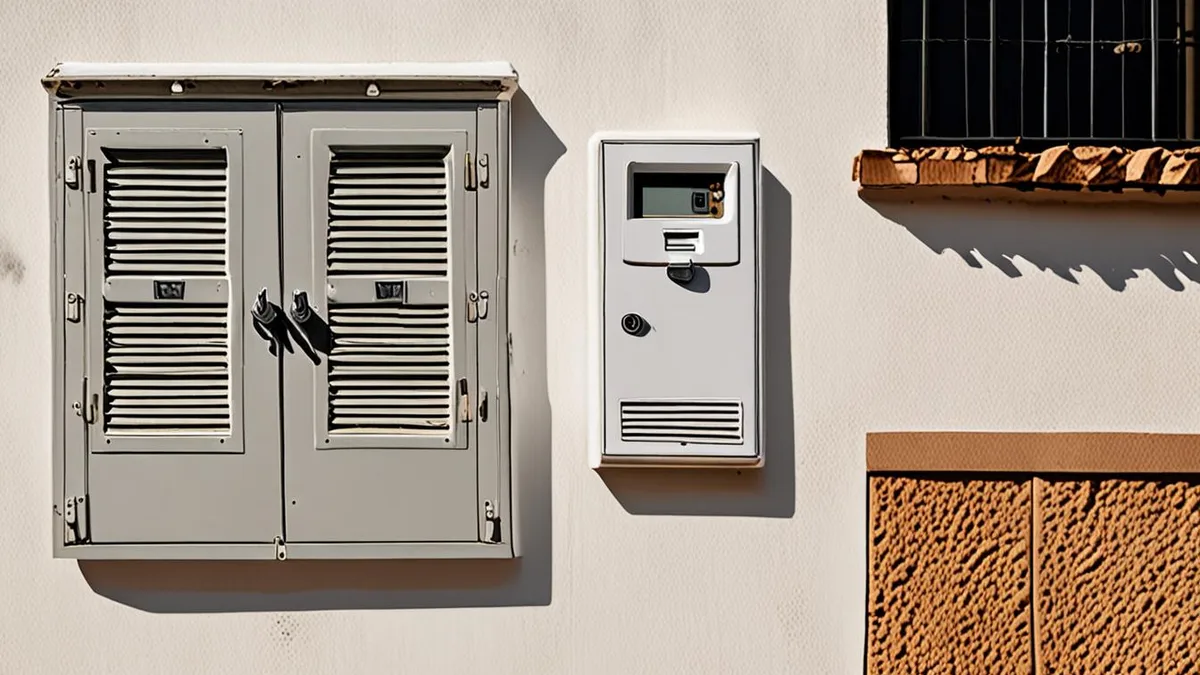
Length of stay is the biggest factor in whether utilities get billed separately. Short vacation rentals almost always bundle everything into the rate, but long stays work differently. Stays of 30+ nights are the most likely to have metered electricity and water charged on top of the rent, since a month of AC use represents real money for an owner.
On the other end of the scale, utility-inclusive pricing is most common for nightly stays under 7 nights. For a quick getaway, owners find it simpler to price everything in than to schedule meter readings for a four-night booking.
When utilities are metered, the process is usually straightforward, but it helps to know what to expect:
- Meter readings are typically taken at check-in and check-out, and many hosts photograph both readings as proof, which protects you as much as them.
- Ask which meter serves your villa specifically, since some properties share a meter between the main house and a guest cottage, and the split should be agreed in advance.
- Water may be billed at a flat monthly rate rather than by the meter, so clarify whether it’s calculated by usage or simply folded into a fixed long-stay surcharge.
- Request the final utility calculation in writing at checkout, with the start and end readings shown, before you settle the balance or release a deposit.
If you’re planning an extended stay, treat the utility policy as part of the rent negotiation. A clear, metered arrangement with documented readings is fair to both sides and prevents any dispute when you leave.
Extras Beyond Utilities: What Else May Be Added
Utilities are only one piece of the final bill. Villa rentals often come with separate charges that have nothing to do with electricity or water, and knowing about them in advance helps you compare listings fairly. A villa that looks cheaper per night can quickly lose its advantage once cleaning fees, service charges and deposits are added.
Cleaning fees are the most common extra, and they usually apply to every booking regardless of length of stay. Pool heating is another frequent add-on in destinations where evenings get cool, and it can be priced as a flat daily or weekly charge. Chef services, private housekeeping and grocery stocking are almost always arranged and paid separately from both the rent and the utilities.
Deposits deserve special attention. Many owners ask for a refundable security or utility deposit to cover damages or excess consumption, and it is returned after a final inspection at check-out. Beyond that, some destinations have a strong culture of tipping on-site staff, which is entirely separate from anything you pay the owner or platform.
- Cleaning fees: often a flat amount per stay rather than per night, so they weigh more heavily on short bookings than on week-long ones.
- Pool heating: sometimes optional, so ask whether the pool can be used unheated if you are traveling in a warm season.
- Chef and housekeeping services: frequently billed per meal or per day, and may need to be booked several weeks ahead in high season.
- Deposits: commonly range from $200-$500 and should be refunded after inspection, so photograph the villa’s condition at arrival and departure.
- Gratuities: customary for gardeners, pool attendants and housekeepers in some destinations, and always paid directly by guests rather than through the rate.
How to Confirm Utility Terms Before You Book
The best time to sort out utility questions is before you pay anything, not when you arrive with your bags. A few short messages sent during the booking stage can save you an unpleasant surprise on your final bill, particularly in warm climates where guests tend to run the air conditioning all day.
- Message the host or manager first. Ask in plain terms which utilities are included in the rate, whether the air conditioning is metered separately, and if there is a daily or weekly allowance. Doing this through the platform’s messaging system also creates a written record you can refer to later if a dispute arises.
- Request numbers, not vague answers. Ask for the rate per kilowatt-hour and any usage cap in writing before you pay the deposit. If the host quotes a figure, screenshot it so you can point back to it at checkout if the numbers on your final bill don’t match.
- Read the fine print carefully. Scan the listing for phrases like “electricity fair use” or “usage deposit.” These usually signal that consumption above a certain level will be deducted from your deposit or billed separately at the end of your stay.
- Confirm the meter process. If utilities are billed separately, ask when readings are taken. They are typically recorded at check-in and check-out, and it is perfectly reasonable to ask to see the meter yourself so you can verify the numbers.
If a host is evasive about any of these questions, treat that as useful information rather than a minor annoyance. Owners who run their rentals professionally answer utility questions quickly and precisely, because they know guests compare listings on total cost, not just the nightly rate. A clear written agreement protects both sides and makes checkout a formality rather than a negotiation. Taking ten minutes to clarify these details before booking is one of the simplest ways to keep your villa budget on track.
Budgeting for Villa Utilities by Destination
Where you travel shapes your utility costs just as much as how the villa is priced. Climate determines how hard the air conditioning has to work, and in most villa rentals the AC is the single biggest driver of electricity use.
Hot destinations
In places like Mexico and Brazil, air conditioning often runs around the clock, and a villa where every room is cooled can easily draw 20-40 kWh in a single day. If electricity is billed separately, budget extra for summer stays, when midday heat makes it tempting to keep every unit running. If you are flexible on dates, it helps to read up on when villa prices in Mexico tend to drop, since shoulder seasons can mean milder temperatures and lower bills at the same time.
Cooler destinations and group trips
In cooler destinations like Canada, electricity surcharges rarely come up outside of the heating season, so most guests pay nothing beyond the rent. The main exception is winter, when electric heating can push usage up just as air conditioning does in the tropics.
Group travel changes the math in your favor. A surcharge that feels steep for a couple becomes minor when split across eight people, and shared villas also spread fixed costs like cleaning fees. If you are traveling with a group, agree in advance on how any utility bill will be divided so nobody is arguing over the meter at checkout. Whatever your destination, the habit is the same: estimate your likely usage, add a buffer, and confirm the terms before booking.
The Bottom Line on Villa Utilities
So, do villas include utilities? The honest answer is that it depends on how long you stay. Short villa stays usually include utilities in the nightly rate, while long stays often bill electricity separately, especially once you cross into monthly territory.
The two biggest cost factors to clarify before booking are air conditioning usage and any deposit, which commonly ranges from $200-$500. AC can quietly add real money to your bill in hot climates, and deposits affect your cash flow until they are refunded after inspection. The simplest way to avoid checkout surprises is to confirm all utility terms in writing before you pay a deposit. If you have a question or a villa utility story of your own, leave a comment or share this article with a fellow traveler.