You booked what you thought was a fully covered lodge stay, only to find a bill at checkout for cocktails, a chef’s-table dinner and a spa treatment you assumed were part of the deal. It’s one of the most common complaints about all-inclusive lodges, and it usually comes down to one thing: nobody read the fine print on what the rate actually includes.
This guide breaks down what all-inclusive lodges typically cover, from daily meals and house drinks to afternoon snacks, and where the extra charges tend to hide. We’ll look at how drinks are tiered, which dining venues carry supplements, how activities and gratuities are handled, and how to compare plans before you book. We’ll also cover the situations where an all-inclusive lodge stay genuinely makes sense, so you can decide whether the fixed rate is worth it for your trip.
What All-Inclusive Lodges Typically Cover
At most lodges, the core of an all-inclusive rate is simple: three meals a day in the main dining room, from breakfast through dinner, plus drinks and snacks in between. That covers the vast majority of what you’ll eat and drink during a typical stay, and it’s why many travelers find they barely touch their credit card until checkout.
That said, the exact package varies from lodge to lodge, and even between plan tiers at the same property. Some include alcohol generously, others limit it to meals, and a few are meals-only. Before assuming anything, ask the lodge for a written list of inclusions. In the meantime, here’s what most plans have in common:
- Three daily meals in the main dining room. Breakfast, lunch and dinner are served at set times, and dinner is often a set-menu or buffet affair rather than à la carte.
- Non-alcoholic drinks all day. Filtered coffee, tea, juices and soft drinks are typically available with meals and at a self-serve station or bar during the day, not just at meal times.
- House-tier beer and wine with lunch and dinner. Most lodge plans pour a house red, white or local beer at lunch and dinner, while premium labels and spirits sit on a separate paid list.
- Snacks and afternoon tea or happy-hour bites. Expect cookies, fruit, pastries or simple canapés between meals, often served in the lounge or around the fire pit in the late afternoon.
If you’re a heavy coffee drinker or like a nightcap after dinner, check whether espresso drinks and after-dinner spirits fall inside the plan or on the pay-as-you-go menu. Those small line items are where surprise charges usually start.
Drinks: What Is Included and What Costs Extra
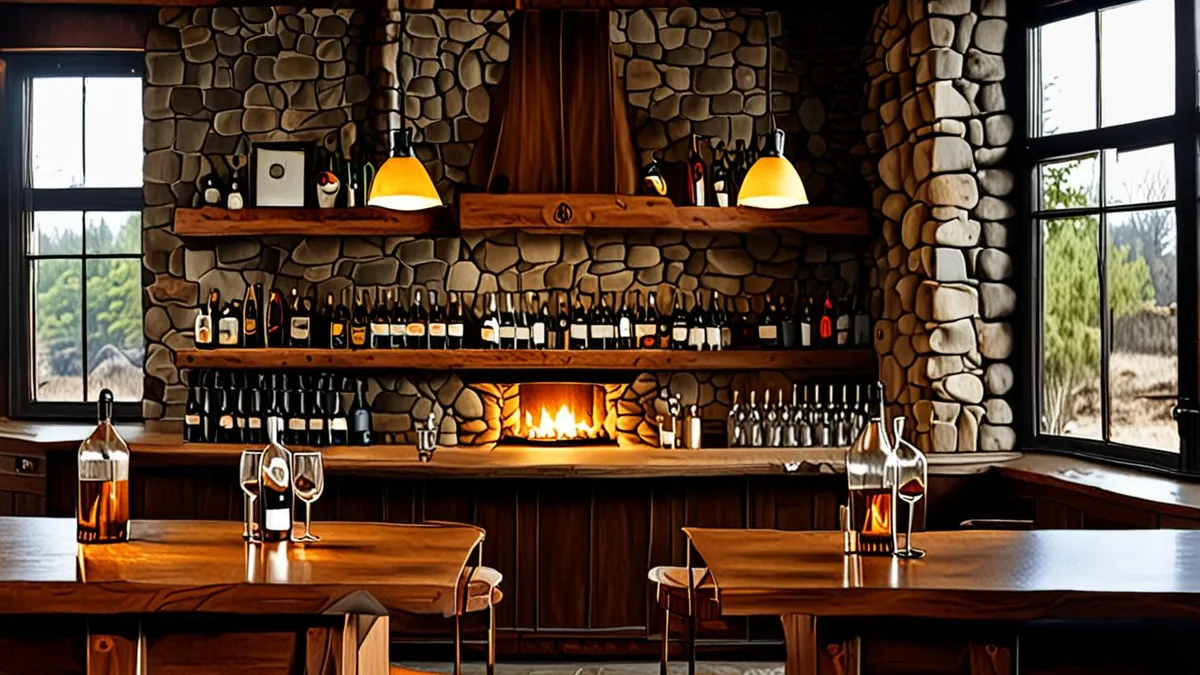
Drinks are where most all-inclusive lodge confusion happens, because lodges rarely include everything behind the bar. The standard setup covers house wine and draft beer, usually with lunch and dinner, while premium wine labels and top-shelf spirits carry a surcharge. If the wine list names a specific vineyard or the spirits menu includes recognized premium brands, assume those are billed separately unless the lodge says otherwise.
What the alcohol upgrade actually costs
If you want full bar access, many lodges offer an alcohol-inclusive tier on top of a meals-only plan. This upgrade typically adds 15-30% to the base nightly rate, so on a longer stay the difference adds up quickly. A useful rule of thumb: if you’d order more than two or three cocktails or glasses of wine per day anyway, the upgrade often pays for itself. If you drink mostly water and coffee, skip it.
Common items billed separately
Even on generous plans, a few categories almost always land on your folio. Minibar items are typically charged to your room, so check whether the fridge is stocked as a courtesy or as a paid amenity. Bottled specialty drinks, such as imported sodas, cold-pressed juices or branded sparkling water, are also commonly billed separately from the standard soft drinks. And espresso-bar drinks like lattes and cappuccinos often sit outside the plan even when drip coffee and tea are free. Ask at check-in which bar menu applies to your rate, and you’ll avoid most checkout surprises.
Meals: Dining Formats and Supplement Charges
Most lodge dinners follow one of two formats: a buffet or a set menu with a couple of choices per course. These are included in your rate, and at smaller lodges the set-menu dinner is often the highlight of the day, with the kitchen working through local and seasonal ingredients. Where costs creep in is at the specialty venues.
When specialty dining costs extra
À la carte restaurants and chef’s-table experiences, such as a private tasting menu or a dinner at the chef’s counter, often add a per-person supplement of roughly $30-80. That fee is usually charged at booking or at the table, not folded into your package, so confirm the amount before you reserve a seat. If the lodge has several restaurants, check which ones fall under your plan and which are on the pay-as-you-go list.
Picnic lunches and dietary needs
If your day involves a hike or a boat outing, many lodges will pack a picnic lunch at no extra charge. The catch is timing: these lunches generally must be ordered the night before, so tell the front desk or kitchen at dinner the previous evening rather than asking at breakfast.
Dietary requirements are usually handled well, and most lodges accommodate vegetarian, gluten-free or kids’ menus at no charge. The key is requesting them at booking, not on arrival. Kitchens at remote lodges order supplies in advance, so a last-minute request may limit your options. Send your needs when you reserve, and follow up a week before arrival to confirm the kitchen has them on file.
Activities and Extras That May or May Not Be Covered
Meals and drinks are only half the story at an all-inclusive lodge. Many properties build one guided activity into the daily rate, so a morning group hike or an afternoon boat outing might cost you nothing beyond what you have already paid. The catch is that “one activity per day” rarely means unlimited access to everything on the property’s calendar.
Before you assume an excursion is covered, ask the lodge exactly which outings fall under the plan and how far in advance you need to sign up. Popular options like sunrise kayaking or a guided wildlife walk can fill up days ahead, and a private version of the same outing almost always carries its own price tag.
- Equipment rentals: Bikes, kayaks, snowshoes and fishing gear are usually billed by the hour or the day, even when a guided outing using that gear is included.
- Spa treatments: Massages, facials and sauna sessions sit outside the plan at nearly every lodge, so budget for them separately if a spa day is part of your plan.
- Off-site excursions: Trips that leave the property, such as a full-day visit to a nearby park or a local town, typically require an outside operator and are almost always extra.
- Private guides: A guide just for your family, whether for a hike or a photography outing, is a premium service with its own fee, unlike the shared group outings included in the rate.
Gratuities are the last surprise many travelers run into at checkout. Some lodges bundle tips into the rate and ask you not to tip staff directly, while others add a service charge of roughly 10-15% to your final bill. Ask about the policy when you book so you can budget the right amount and know whether to carry cash for staff who have helped you during your stay.
How to Compare All-Inclusive Lodge Plans Before Booking
All-inclusive lodge plans look similar in brochures but can differ sharply in what they actually cover. Some plans bundle every meal, drink and guided outing into one rate, while others only include a narrow slice of your stay and bill the rest as extras. The best way to avoid a surprise bill at checkout is to do a little homework before you pay a deposit. A few pointed questions to the lodge or your booking agent will tell you whether the plan is a genuine deal or just an expensive convenience.
- Get the inclusions in writing. Ask for a complete written list of what the plan covers, from meals and drinks to activities and taxes. A verbal promise from a reservations agent will not help you at checkout if a charge appears on your bill.
- Compare against the room-only rate. Room-only rates at the same property typically run 30-50% lower than all-inclusive rates. Work out how many meals, drinks and activities you would realistically buy on your own and see whether the gap makes sense for your travel style.
- Check the dates the plan applies to. Some lodges only offer their full all-inclusive plan during certain seasons or on specific nights of your stay. Confirm that every night you are booking falls under the plan, not just the dates shown in the promotional rate.
- Confirm which venues and activities are covered. Ask which restaurants, bars and outings fall under the plan and which ones are billed separately. A plan that excludes the lodge’s best dining venue or its signature excursion may be worth less than it appears.
Once you have written answers to these questions, you can compare plans between lodges on equal footing. Put the lists side by side and look at the details rather than the headline price: one plan that includes premium drinks and daily guided activities may beat a cheaper plan that covers far less. For a fuller walkthrough of timing, deposits and rate types, see this guide on how to book a lodge stay and understand the costs involved. Ten minutes of comparing now is far cheaper than disputing charges after you have checked out.
When an All-Inclusive Lodge Stay Makes Sense
An all-inclusive lodge is not automatically the best value for every trip. In some situations, though, the fixed rate saves real money and a lot of logistical headaches. Knowing which type of traveler benefits most helps you decide whether to pay for the plan or book room-only and order meals as you go.
Remote lodges with no dining alternatives
If a lodge sits hours from the nearest town, the plan is less of an upsell and more of a necessity. When the property’s dining room is the only place to eat for a hundred kilometers, three covered meals a day plus drinks throughout the day remove the risk of paying inflated à la carte prices for every bite. Remote lodges also tend to price their individual meals steeply, because guests have no alternative, so the bundled rate often works out close to what you would pay anyway.
Activity-heavy and group trips
Multi-day trips built around guided outings are another strong case for the plan. A daily hike or boat trip plus packed lunches for the trail can add up quickly when purchased separately, and lodges know it. If your itinerary already matches what the plan includes, you are essentially prepaying for things you would have bought regardless.
Group trips benefit for a simpler reason: one fixed rate ends the bill-splitting debate. Instead of tracking who ordered which drink at dinner for a week, everyone pays the same amount up front. For families traveling with grandparents, teens and young children, this kind of simplicity matters, and our guide to choosing a lodge for a multi-generational group trip covers how to match a property to mixed ages and budgets. If your trip is a short city-adjacent stay with plenty of outside restaurants nearby, room-only is usually the smarter pick.
The Bottom Line on Lodge Inclusions
Most travelers book an all-inclusive lodge expecting everything to be covered, only to find surprise charges on the final bill for premium drinks, specialty meals or a spa treatment they assumed came with the rate. The reality is simpler: these rates generally cover three meals a day, non-alcoholic drinks, and house beer and wine with meals. That is the core of what you are paying for.
The usual extras are premium spirits and labels, specialty dining venues, spa services, and equipment rentals, so it pays to know where the line falls before you arrive. Comparing the written inclusion list against the room-only rate, which typically runs 30-50% lower, is the easiest way to avoid checkout surprises and decide if the plan fits your trip. If this helped you sort out what is really included, leave a comment or share this article with a fellow traveler.