You’ve found a Maldives resort stay that looks perfect, then the listing mentions “two islands, one resort” and the questions start. Does one booking cover both islands? How do you get between them? Which island has the restaurant you’ll actually eat at, and does staying on the quieter side cost more once transfers and meals are counted?
This guide walks through exactly how the two-island model works, from the shuttle boats that link the islands to the way resorts use the extra space to offer two different vibes in one property. We’ll cover transfers from Malé, how to choose between the main island and its quieter sibling, what meal plans realistically cost per day, and the best timing for booking. By the end, you’ll know whether a two-island Maldives resort stay fits your budget and travel style.
What the Two-Island-One-Resort Model Actually Means
The two-island-one-resort model is simpler than it sounds: a single resort operates across two separate private islands, tied together by one booking, one front desk and one staff team. You check in once, sign one bill and deal with the same management throughout your stay, even if your villa sits on the quieter of the two islands.
How the islands divide their roles
In most cases, the main island holds the busy infrastructure: reception, the main restaurants, the pool and the largest share of villas. The second island is usually pitched as the escape hatch, with quieter villas or a more rustic, nature-focused stay for guests who want fewer people around.
Moving between the two
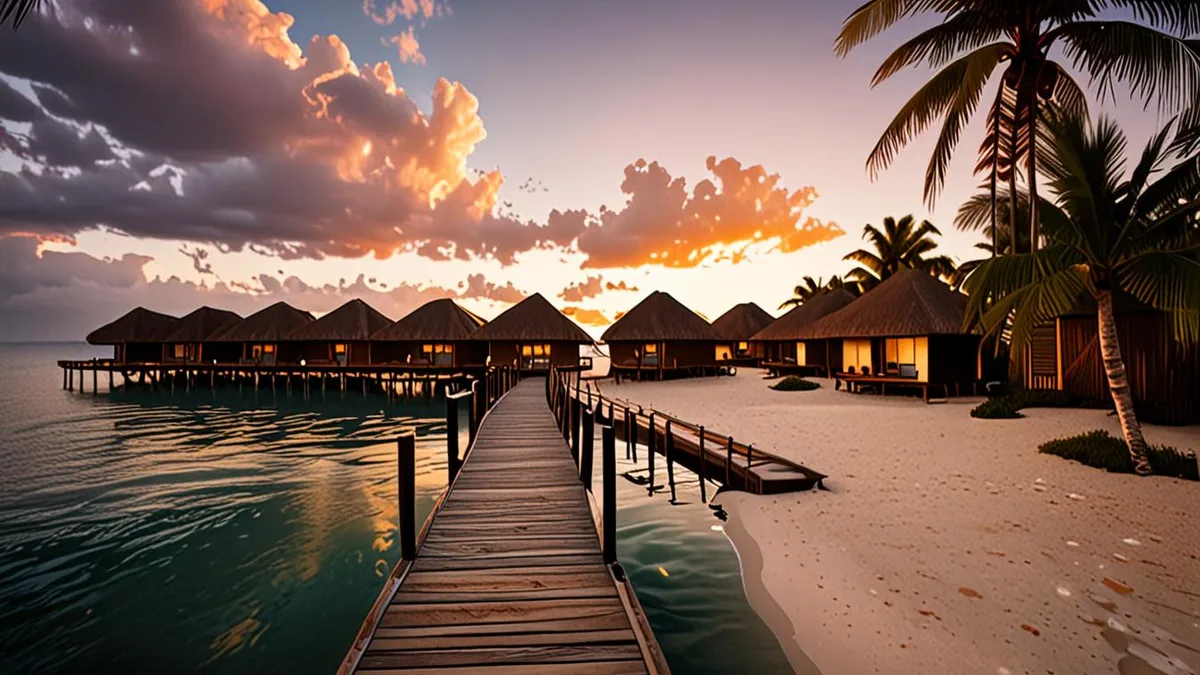
The islands are typically connected by a free shuttle boat or a walkable jetty, with a crossing of around 5-15 minutes. Shuttles run on a published schedule rather than on demand, so it pays to grab a copy of the timetable at check-in. If you book a spa treatment or dinner on the other island, build in a little buffer for the crossing. Practically speaking, you can treat both islands as one big resort: eat breakfast on one, spend the afternoon on the other’s beach, and let the shuttle do the work.
Why Resorts Split Across Two Islands
The most obvious reason resorts split across two islands is space. Doubling the footprint lets one property offer two distinct vibes under a single brand, such as a lively family zone with kids’ activities on the main island and adults-only calm on the second. Couples get the quiet they came for without the resort turning families away, and families get the energy and facilities they need.
More villas, less crowding
A second island also allows more overwater villas and longer shorelines without cramming everything onto one lagoon. Overwater villas need the right water depth and orientation, and a neighboring island often provides better conditions than the original site. The result is more villa inventory and beaches where you can walk a stretch of sand without passing ten sun loungers.
A renovation safety valve
There’s a practical benefit for the resort, too. When refurbishment work is needed, one island can partially close while the other keeps operating, so the property never goes dark entirely. For guests, this means it’s smart to ask at booking whether any renovation is planned during your dates, since a closed island can shift which restaurants and facilities are open. Done well, though, you may not notice anything beyond a quieter corner of the resort.
Getting There: Transfers and Arrival Timing
Nearly all two-island resorts start the same way: you land at Malé’s Velana International Airport, then continue by speedboat or seaplane to the resort. Speedboat transfers typically take 15-45 minutes and work for resorts closer to the capital. Seaplanes cover 20-60 minutes and reach more distant atolls, often with a stop at another property along the way.
The daylight rule
Seaplanes fly in daylight only, and they often stop running around 4 pm. If your international flight lands after mid-afternoon, you’ll usually need an overnight stay near Malé or the airport before transferring the next morning. Factor this into your planning: it can add a hotel night and means your first full resort day starts later than you might expect. On the flip side, a seaplane arrival in morning light is one of the great travel experiences, with turquoise atolls spread out below.
Check what transfers cost
Before you book, confirm whether transfers are included in your rate or billed per person per round trip. They can add several hundred dollars per couple, which materially changes the price comparison between resorts. Also send the resort your international flight details when booking, so they can schedule your transfer and flag any timing conflicts early. A little coordination here saves a stressful airport scramble later.
Choosing Your Island and Villa Type
The first big decision on a two-island resort is your villa type. Beach villas sit right on the sand, usually with a deck, a stretch of private shoreline and direct access to the lagoon for swimming and snorkeling straight from your doorstep. Overwater villas stand on stilts above the sea, with steps or a ladder leading down into the water. They deliver that iconic Maldives photo and often better snorkeling below, but expect to pay noticeably more per night for the privilege.
Next, decide which island suits your travel style. The main island typically carries the energy: more restaurants, more activities, more people around the pool. The second island trades convenience for calm, with fewer villas, longer quiet stretches of beach and a more nature-focused feel. Neither is better; they simply serve different trips.
Before you book, map out where everything actually sits. On a split property, your favorite restaurant, the spa or the kids’ club may live on the other island, meaning a shuttle ride whenever you want it. A few minutes of checking the resort map can save you daily frustration.
- Check villa orientation: some beach villas face sunrise, others sunset, and sunset-side villas often carry a premium for the evening views.
- Ask about villa density: even on the quiet island, some sections cluster villas closer together, so request an end-of-island or standalone location if seclusion matters to you.
- Confirm shuttle hours: if you plan to dine on the main island most evenings, verify how late the boat runs so you are not stranded or forced into early dinners.
- Consider a split stay: some two-island resorts let you spend part of your trip on each island, which works well if your group can’t agree on one vibe.
Meal Plans and Realistic Daily Costs
Maldives resort pricing swings widely. Nightly rates commonly start around $400 for simpler beach villas in quieter periods and climb well past $2,000 for top-tier overwater suites in peak season. The villa type you choose and the dates you travel matter more than almost anything else when comparing properties.
Meal plans shape your real budget just as much. Most resorts offer half board, which covers breakfast and dinner, leaving lunches and drinks to pay as you go. A couple should plan on roughly $100-200 per day beyond half board for lunches, cocktails, soft drinks and small extras. Water and wine at dinner alone can add up quickly when everything is imported.
When all-inclusive makes sense
All-inclusive can genuinely pay off if you drink cocktails by the pool every afternoon and dine heavily, especially at resorts where drinks and minibar items are expensive. If you eat light and skip alcohol, you may be better off with half board. The honest method is to estimate your realistic à la carte spend, then compare it against the plan’s price difference. Our guide to all-inclusive versus à la carte resort stays walks through that comparison in more detail.
One more tip: check exactly what each plan includes at the specific resort. Some all-inclusive packages exclude premium wines, certain restaurants or motorized water sports, so the fine print matters before you commit.
When to Book and When to Go
The Maldives has a clear seasonal rhythm. High season runs from November to April, bringing dry weather, calm seas and the year’s peak prices. May to October is the low season, with lower rates and passing rain showers that usually come and go rather than lasting all day. If your dates are flexible, the shoulder months can offer a good balance between weather and cost.
How far ahead to book
For high season stays, aim to reserve 4-8 months ahead, since the best villas and flight combinations go first. For low season trips, booking 2-3 months ahead is typically enough, and you may even find last-minute deals. For a deeper look at pricing patterns, our article on when to book resorts for lower rates covers the timing details.
Pay close attention to transfer scheduling when you book flights. Seaplanes generally fly in daylight only and often stop running around 4 pm, so an international arrival into Malé after mid-afternoon can mean an unplanned overnight near the airport and a lost resort night. Whenever possible, pick flights that land in the morning or early afternoon, and confirm your transfer times with the resort before ticketing.
Finally, remember that late departures can create the same problem on the way home, since check-out times rarely align with evening flights. Some resorts offer day-use rooms or late check-out, but ask in advance rather than assuming.
Wrapping Up Your Two-Island Maldives Plan
What looks like two separate resorts in a listing is often one property spread across two islands. In practice, that means a single booking covers both sides, and a short shuttle hop of typically 5-15 minutes connects them. Once you grasp that the main island handles most of the dining and activity while the second island keeps things quiet, reading Maldives resort descriptions becomes far less confusing, and you know exactly what you are paying for.
Before you compare rates, line up the practical details with your budget: settle on a villa type, decide which island’s atmosphere suits you, and choose a meal plan that matches how you actually eat and drink. Then plan your dates around the November-April dry season if good weather matters most, and reserve well in advance, ideally 4-8 months ahead for high season, to secure better value. If this guide helped you plan your stay, leave a comment or share it with a fellow traveler.