Coordinating a dozen or more relatives with different budgets, ages and travel dates can make choosing and booking a family reunion lodge feel overwhelming. One cousin wants a pool, the grandparents need ground-floor rooms, and your sister insists on a weekend that clashes with school holidays. Meanwhile, the quotes come in, opinions multiply, and the whole thing stalls.
The good news: a lodge is actually one of the easiest venues for a multi-generational gathering, if you plan it in the right order. This guide walks you through the key steps, from picking a lodge that suits everyone from toddlers to grandparents, to choosing the right season, securing a group booking, splitting costs fairly, and planning meals and activities for all ages. You’ll also learn how far ahead to book, what deposits to expect, and how to keep communication simple so the reunion actually happens. Let’s get started.
Choose a Lodge That Fits a Multi-Generational Group
The first thing to look for in a family reunion lodge is room variety, not room count. A lodge that only offers standard king rooms will force awkward arrangements, so prioritize properties with family suites, connecting rooms and accessible ground-floor options. Grandparents often appreciate a ground-floor room close to parking, while parents with young kids need space for cribs and gear. Ask the lodge directly how many of each room type they have, because a property might list suites on its website but only have two of them.
Shared spaces matter just as much as bedrooms. Look for a large dining hall where the whole group can eat together, a game room that keeps teenagers entertained on rainy afternoons, and a fire pit where conversations naturally happen after dinner. These common areas are where a reunion actually lives, since most of your time won’t be spent in individual rooms.
Dining and event space for the big night
Finally, check whether the lodge offers group dining or a private event space you can reserve for a reunion dinner. Some lodges will set a long table in their restaurant, while others have a separate hall or covered pavilion you can book for an evening. Ask about minimum headcounts for private dining and whether the kitchen can handle special diets, since a reunion dinner usually means at least a few dietary restrictions. Confirming this before you sign anything prevents the awkward scenario of twenty relatives squeezed around scattered restaurant tables.
Pick the Right Season and Location for Your Reunion
Timing has a bigger impact on your budget than almost any other decision. Aim for the shoulder seasons of May-June or September-October, when many lodges cut rates 20-30% versus peak summer. You’ll often get better weather for hiking and campfires, thinner crowds, and more flexible staff attention for your group. For a deeper breakdown of how seasons differ by region, see our guide to the best time of year to visit lodges.
Match the setting to your family
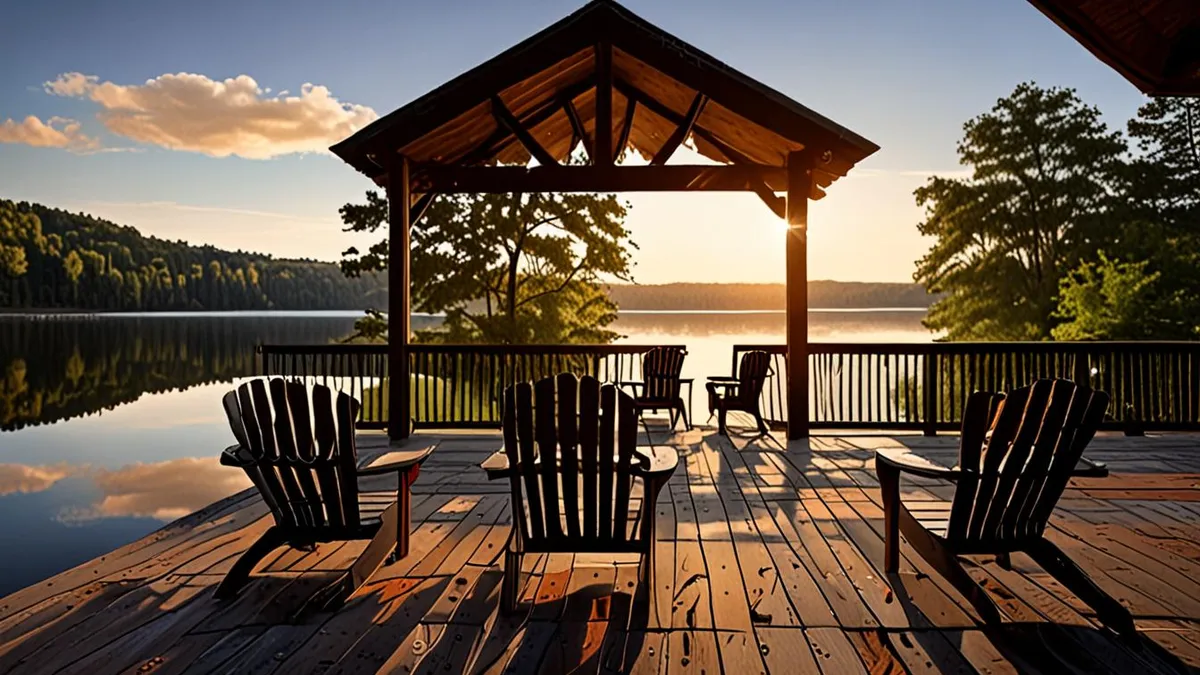
Think honestly about what your group enjoys. Lakefront lodges suit relaxed gatherings where swimming, fishing and porch-sitting fill the days, which works well when grandparents and small children make up much of the group. Mountain lodges fit active families who want guided hikes, biking and cooler evenings. There’s no wrong answer, but a mismatch creates friction: avid hikers stuck at a quiet lake get restless, while seniors at a rugged mountain property may feel left out.
Keep travel realistic for everyone
Location can make or break attendance. Try to keep drive times under 6 hours for most attendees, since longer hauls mean some relatives will simply decline. If your family is scattered across the country, choose a lodge near a regional airport so flying in stays practical. Ask the lodge which airport most guests use and whether shuttles or car rentals are typically arranged, then share that information early so everyone can book travel with confidence.
How to Book a Family Reunion Lodge: Group Booking Tips
Booking a lodge for a large family group works differently from reserving a single room, and the terms you negotiate matter as much as the rate. Lodges treat group bookings as events, not simple reservations, which means different pricing, deposits and cancellation rules. For a broader primer on the process, our guide to how to book a lodge stay covers costs, seasons and general booking tips. Here are the group-specific steps to follow.
- Book 9-12 months ahead for large groups. If you have 15 or more people traveling in peak summer, start contacting lodges at least 9-12 months out. Popular lodges have limited inventory, and large blocks sell first. Call the reservations desk directly rather than booking online, since group rates are usually quoted by a person, not a website.
- Ask about group discounts. Many lodges offer group discounts of roughly 10-15% for bookings of 10 or more rooms. Ask directly, then confirm the group rate in writing before anyone pays a deposit.
- Understand the deposit and release date. Typical lodge group deposits range from 25-50% of the total, due at booking. Also note the room block release date, usually 30-60 days before arrival, when unclaimed rooms go back to general inventory. Mark that date on your calendar and remind each family to confirm their room well before it.
- Request a group contract. Get cancellation terms in writing that distinguish between individual rooms canceling and the whole block canceling. These are very different scenarios, and vague verbal promises won’t protect you.
Keep every agreement in email rather than phone calls, and forward the contract to a second family member as a backup. A paper trail is your best protection if plans shift as the date approaches. If a lodge resists putting terms in writing, treat that as a warning sign and compare other properties before committing your deposit.
Split Costs and Set a Fair Group Budget
Money is where family reunions get tense, so set the budget before anyone packs a bag. For a full-service lodge with meals included, plan on roughly $150-400 per person per night. The exact number depends on room type, whether kids count as full-price guests, and how many meals the lodge bundles in. Ask the lodge for a per-person and per-family quote so every household sees the same math.
Once you have the total, divide it by family, not by individual rooms. A couple in a suite and a family of five in connecting rooms will pay very different amounts, and assigning each household its own share keeps the split transparent. Share the breakdown in writing so there are no surprises when the final balance comes due.
Collect deposits early
Collect deposits from each family as soon as they confirm, so no single person is carrying the entire lodge bill on a credit card. Many organizers collect a first payment when the room block is reserved and a second payment ahead of the lodge’s balance deadline. Keep a simple running record of who has paid and how much, and send a short reminder before each due date.
For everything beyond the lodge itself, use a shared expense app to track group meals, activities and the final lodge balance. Apps like Splitwise let one person log a grocery run or a fuel stop and automatically tally who owes whom. Settle up once at the end of the trip instead of chasing small payments all weekend.
Plan Meals, Activities and Downtime for All Ages
Food and activities make or break a reunion, and the biggest mistake organizers make is over-scheduling. The lodge setting already does a lot of the work, so your job is to add just enough structure to bring everyone together without turning a vacation into a camp schedule.
Start with meals. Book a private group dinner for one or two nights, ideally the first evening so everyone reconnects right away. A private dining room or reserved section of the lodge’s dining hall gives grandparents, toddlers and teenagers a chance to share one long table. Leave the other meals flexible: families can eat together in smaller groups, grab lunch at the lodge café, or cook if your lodge has kitchen access. If you want a preview of what most lodges serve and how meal plans typically work, this guide to lodge amenities, meals and activities is a helpful read before you commit to a package.
For activities, schedule one optional group activity per day, such as a guided hike or a boat outing, and keep the rest unstructured. Mark it as optional on the itinerary so nobody feels guilty about skipping. A few ideas that work well across generations:
- Morning nature walks under an hour, paced for grandparents and strollers, so the day starts gently and everyone can join.
- An afternoon boat or canoe outing split into two shifts, one calm loop for seniors and young kids and one longer trip for teens and adults.
- A self-run evening at the fire pit with s’mores supplies and a simple trivia or storytelling game, which costs little and includes every age.
- A photo hour where one relative takes family portraits in small groupings, so nobody leaves without a decent group shot.
Before you book, confirm two things with the lodge: whether kids’ programs exist and what they cover, and which options are senior-friendly, such as short nature walks or seated activities. Some lodges run supervised children’s activities only in high season or only for certain age ranges, so get the details in writing. If your group includes anyone with limited mobility, ask which trails and activity venues are accessible.
Coordinate Communication and Assign Roles
Even a well-planned reunion falls apart when ten people are texting ten different versions of the plan. Clear roles and one source of truth fix most of that, and both take less than an hour to set up.
Name one lead organizer to handle the lodge contract, the room block and any group meal bookings. This person is the lodge’s single point of contact, which prevents conflicting requests and keeps the group rate intact. Then name one coordinator per family to manage payments and headcounts for their own household. That way the lead organizer deals with five or six people instead of twenty, and each family answers for its own room selections and balances.
Set deadlines for RSVPs, room selections and deposits well before arrival, keeping in mind that lodges typically release unclaimed rooms in a block a month or two out. Late RSVPs can leave a family scrambling for a room type that no longer exists. Send each deadline in writing, with a reminder a week before it hits.
Finally, create a shared group chat or document that becomes the single itinerary. A few things worth including from day one:
- Arrival and departure times per family, so carpooling and key pickups can be arranged before the first check-in.
- A packing note for the specific lodge, such as swimwear for the lake, layers for cool evenings or bug spray for evening fire pit time.
- Dietary needs and allergies for every attendee, collected once and forwarded to the lodge kitchen in a single list.
- Contact details for the lead organizer and each family coordinator, so a delayed flight or a lost car key never strands anyone without a number to call.
Pin the shared document in the chat and update it as plans firm up. When everyone checks the same file instead of scrolling for old messages, you spend far less time answering the same questions.
Wrapping Up Your Family Reunion Lodge Plan
Coordinating a dozen or more relatives with different budgets, ages and travel dates can make booking one lodge feel overwhelming, but it comes down to three things: early booking, the right season and clear roles. Lock in room types, group rates and meal plans 9-12 months out if you’re targeting peak dates, and shoulder-season travel can stretch the budget further. With one lead organizer, per-family contacts and shared cost tracking, no single person carries the whole load.
Just as important, balance structured group time with free time so every generation enjoys the stay. Plan a private dinner or two, offer one optional activity per day, and let the fire pit, game room and lazy afternoons do the rest. If this helped you plan your reunion, leave a comment or share this article with your family group chat.