Choosing between Fiji resorts often comes down to one question most guides skip: how far do you actually want to travel once you land in Nadi? The Mamanuca Islands sit close to the mainland, making them an easy pick for short trips, while the Yasawa chain demands a longer journey but rewards you with quieter beaches and lower nightly rates. The trade-offs are real, and they shape everything from your transfer schedule to your total budget.
This guide breaks the decision down by region. We compare the two island groups on transfer times, crowd levels and price, then look at how ferries and seaplanes work, which season suits each chain best, and how to match your choice to your trip style and budget. By the end, you should know exactly which region fits the trip you have in mind.
Why Region Matters When Choosing Fiji Resorts
Most travelers start their search by comparing star ratings and photos, but in Fiji the region you pick matters more than the resort brochure. The island group you choose determines how long it takes to reach your resort, how many other guests you will share the water with, and how much you pay per night. A three-star bure in the Yasawas can feel more remote and more affordable than a five-star resort in the Mamanucas, and neither is objectively better.
Short stays versus slow travel
The Mamanucas suit travelers with limited time. Because the islands sit so close to Nadi, you can land, transfer and be on the beach the same day, which makes three or four night stays practical. The Yasawas reward the opposite approach: the journey north takes commitment, so these islands work best when you have a week or more to settle in and slow down.
Two chains, two sets of logistics
The groups also differ in practical ways that brochures rarely mention. Ferry schedules, weather exposure and on-island infrastructure all vary between the two chains, and those differences affect how flexible your itinerary can be. Before you fall in love with a specific resort, it pays to understand what each region asks of you in travel time, planning and money. The sections below break down both chains in detail.
Mamanuca Islands: Close, Convenient and Calm
The Mamanuca Islands are the ones you see in most Fiji postcards: calm, sheltered water, palm-fringed sand and resorts close enough to reach without a long transfer. The chain holds around 20 islands, and most sit roughly 15-50 minutes from Nadi by boat or catamaran. That short ride changes everything about how you plan your trip, because you can land at the airport and be checked into your resort the same afternoon.
The water here is generally protected by the surrounding islands and reefs, which makes the region a strong choice for swimming and snorkeling. Several islands also pick up consistent surf breaks, so the chain draws a mix of honeymooners, families and surfers rather than one single crowd.
Prices vary widely across the chain. Midrange resorts typically run around FJD 300-800 per night, while luxury properties start around FJD 800 and climb past FJD 2000. With that range in mind, here is who the Mamanucas fit best:
- Honeymooners: the chain has a deep bench of adults-oriented and luxury properties, so couples can pair a short transfer with overwater-style romance without adding travel days.
- Families with young kids: short boat rides mean no long transfers with tired children, and sheltered lagoons give younger swimmers calm, shallow water close to shore.
- Short itineraries: with 3-5 nights available, the quick access lets you spend nearly every day on the beach instead of in transit.
- Surfers and day-trippers: the proximity to the mainland makes the chain workable even for travelers who want to combine island time with activities based around Nadi and Denarau.
Yasawa Islands: Remote, Rugged and Budget-Friendly
The Yasawa Islands sit 40-250 km northwest of Viti Levu, and getting there takes commitment: a 4-7 hour ferry ride or a short seaplane flight. That journey is exactly why the region feels so different from the Mamanucas. Once you arrive, you are genuinely remote, and you should plan at least a 5-7 night stay to justify the travel time.
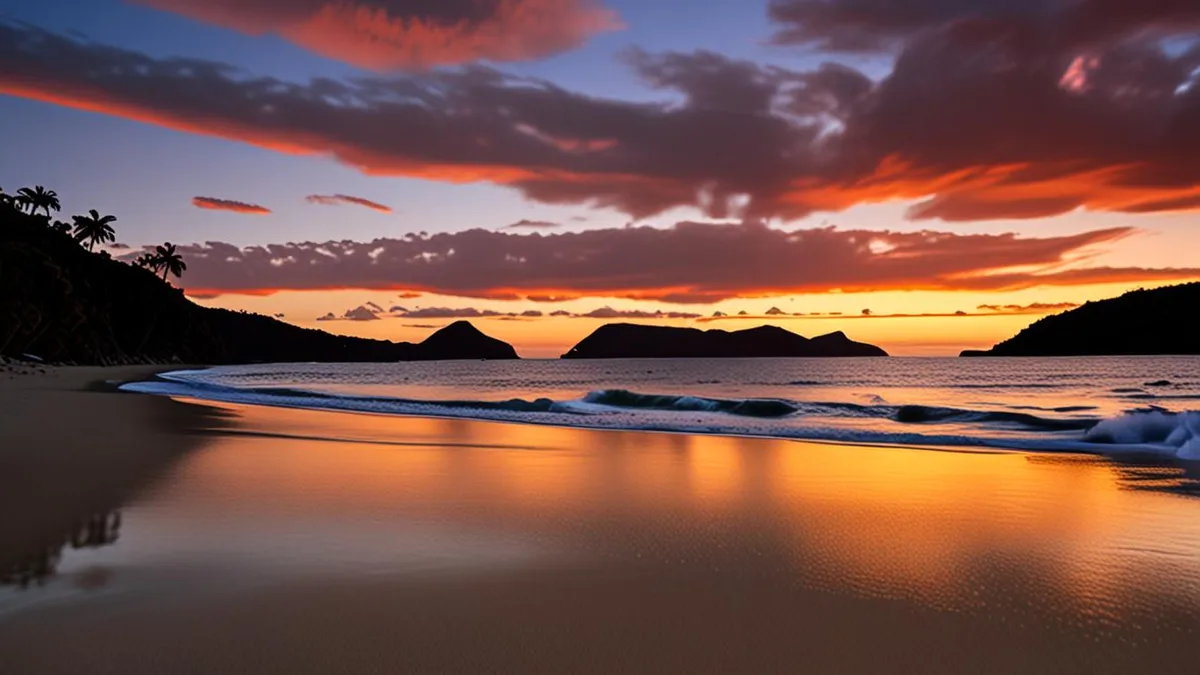
The chain has about 20 main islands, known for dramatic volcanic scenery with steep green ridges dropping toward white sand beaches. Resorts here are mostly small, often under 20 bures per property, which keeps crowd levels low and gives stays an intimate, village-adjacent feel. Many properties work closely with nearby communities, so cultural experiences tend to be a genuine part of the trip rather than a scheduled show.
Budget travelers do especially well here. Island stays commonly run about FJD 100-300 per night, which stretches a Fiji trip far longer than the same budget would allow closer to Nadi. Here is who the Yasawas suit best:
- Backpackers: the low nightly rates and small, social properties make multi-island hopping on a modest budget realistic.
- Divers and snorkelers: the reefs and clear water away from the mainland draw fewer people, so sites feel less pressured.
- Couples seeking seclusion: tiny resorts under 20 bures mean quiet beaches and no crowds competing for sunset spots.
- Culture-focused travelers: village visits and community-run activities are woven into daily life here in a way larger resort regions rarely match.
Transfers, Access and Getting Between Islands
Getting to your resort is the first real decision of any Fiji trip, and the two island groups handle it very differently. The Mamanuca catamarans run daily from Denarau Marina near Nadi, which makes same-day arrivals easy: land at the airport, hop on a boat, and be sipping something cold on your deck within the hour.
The Yasawas work on a different rhythm. Ferries run on fixed schedules with limited departures, so a missed connection can cost you a full day. The crossing typically takes 4-7 hours depending on how far up the chain your island sits, and some stops only happen a few times a week.
Seaplanes: fast, but at a price
A seaplane or helicopter transfer cuts Yasawa travel to under an hour, with spectacular aerial views of the reef along the way. The trade-off is cost: expect to pay significantly more than the ferry fare, often per person rather than per booking. It makes sense for honeymoons or short trips; budget travelers usually stick to the boat.
One more thing to plan around: island hopping within the Yasawas depends on scheduled boats, not on-demand water taxis. If you want to visit two or three islands in one trip, check the boat timetable before booking anything and build buffer days into your itinerary. Treat the schedule as the backbone of your trip, not an afterthought.
When to Book Fiji Resorts and Which Season to Pick
Fiji has two clear seasons, and both affect your resort choice. The dry season runs May through October, bringing calmer seas, less rain and peak demand, especially from June to September. That’s when the Mamanuca waters are flattest for swimming and snorkeling, and when everyone else has the same idea.
The wet season, November through April, brings rain, humidity and the odd tropical downpour that can interrupt a beach day. The upside is money: rates can drop 20-40%, and resorts feel noticeably quieter. If your dates are flexible and you don’t mind a shower in the afternoon, the savings can be substantial.
Timing your booking matters as much as timing your trip. Our guide to when to book a resort for the best rates covers the basics, but Fiji adds its own twist: reserve 3-6 months ahead for peak-season stays, and know that small Yasawa properties sell out first. With often fewer than 20 bures per property, a 16-bure island hideaway has nowhere to hide extra guests.
- June-September is school-holiday and honeymoon high season in the Northern Hemisphere; expect full boats and top rates, so book the moment your dates are fixed.
- May and October are the sweet spot shoulder months: you still get mostly dry, calm weather but with softer pricing and easier availability.
- Wet-season bookings are often flexible on cancellation; ask about flexible or discounted advance rates if you’re traveling November-April and can shift dates if a storm rolls through.
Matching the Region to Your Trip Style and Budget
The right region depends less on brochures and more on honest answers about your trip. Who’s traveling, for how long, and on what budget? Here’s how the two chains line up for different types of travelers.
Couples on a honeymoon usually face a pleasant dilemma: a luxury Mamanuca bure with plunge pool and butler service sits at the top of the price ladder, while a quiet Yasawa hideaway offers seclusion and dramatic volcanic scenery for a gentler nightly rate. If your trip is short, the Mamanucas win on logistics; if you have a week or more, the Yasawas deliver more romance per dollar.
Families with young kids should lean Mamanuca. A quick boat hop from the mainland beats a long ferry crossing with tired children, and the larger resorts there have kids’ clubs, multiple pools and family rooms that small island properties simply can’t match.
Budget travelers, meanwhile, get far more trip for their money in the Yasawas, where even a week up north can cost less than three nights at a midrange Mamanuca resort. Entry-level island stays there are among the cheapest beachfront accommodation you’ll find anywhere in Fiji.
- Meal plans matter more up north: remote Yasawa islands often have no shops or restaurants, so food is bundled into the rate; a cheap-looking nightly price may balloon once meals are added.
- Ask what’s included: some Mamanuca resorts charge separately for non-motorized watersports and airport transfers, which can erase an apparent price gap between two quotes.
- Count transfers in your total: a seaplane to a Yasawa resort can cost more than a night’s accommodation, so compare the full door-to-door cost, not just the room rate.
Mamanuca or Yasawa: The Bottom Line
So, Mamanucas or Yasawas? If your trip is short, your transfer tolerance is low and you want calm water with easy access from Nadi, the Mamanucas are the practical pick. If you have a week or more, crave remoteness and village culture, and want your budget to stretch further, the Yasawas reward the longer journey.
The real answer is that your transfer tolerance, trip length and budget decide the region, not the resort brochures. A glossy photo tells you nothing about a four-hour ferry or a 20-minute catamaran ride, and that difference shapes your whole trip. Work out those three factors first, then choose your resort. If this helped you decide, leave a comment or share the article with your travel crew.