The photos look irresistible: a timber lodge on a glassy lake, not a road or power line in sight. But that solitude raises two immediate questions. How do guests actually get to a place with no road access, and what does that final flight do to the total cost? If you have ever wondered how your luggage, your schedule and your budget survive a trip like that, you are not alone.
This guide walks through fly-in lodges from the ground up: what they are and where they cluster, how the transfer from a regional departure town actually works, what an all-inclusive stay covers, what you can expect to pay per night plus the charter on top, how to choose the right season, and how to pick and book the right property. By the end, the logistics that seem mysterious will feel like a simple checklist.
What a Fly-In Lodge Is and Where They Operate
A fly-in lodge is a property with no road access for guests. The only practical way in is by aircraft, typically a floatplane, a bush plane with tundra tires or skis, or a helicopter. There is no parking lot, no shuttle van and no rental car counter at the end of the driveway. If you want to arrive, you fly.
Where these lodges operate
The classic regions are places where roads simply stop: northern Canada, Alaska, remote corners of Patagonia, parts of the Amazon basin, and isolated island or coastal destinations that ferries rarely serve. In these areas, towns thin out fast and the landscape takes over, which is exactly what draws travelers willing to book a seat on a small plane.
Most properties cluster around lakes, rivers or short gravel airstrips built for light aircraft. A lake calm enough for floatplanes in the morning, or a strip of gravel long enough for a Cessna-class plane, is often the deciding factor in where a lodge gets built. The aircraft serving these spots usually carry just 3 to 10 passengers, which is why group sizes stay small.
A handful of lodges offer alternatives, such as boat access up a river or a multi-day trek in on foot. Those options exist, but flights remain the standard route for the overwhelming majority of guests, and they are what most rates and itineraries are built around.
How Fly-In Lodge Access Works Step by Step
Getting to a fly-in lodge follows a fairly predictable sequence, even if the scenery along the way feels anything but routine. The process starts with a commercial flight and ends on a dock or gravel strip, and knowing each step ahead of time makes the whole transfer far less stressful. Here is how the journey typically unfolds, step by step.
- Fly commercially to a regional departure town. This is usually a small city or village hub with scheduled airline service. It is the last place you will see a paved runway, an ATM or a luggage cart, so handle errands, cash and phone charging here before you continue.
- Overnight in the departure town. Guests usually need to arrive at the departure town the day before the scheduled flight and spend the night locally. That way the lodge flight leaves the next morning in daylight and calmer conditions, with no risk of a missed connection derailing the whole trip.
- Board the final leg. Lodge staff or a partner air operator handles this flight, typically a charter or scheduled bush flight in an aircraft carrying 3 to 10 passengers. Flight times vary with distance, so ask your operator what to expect and when to be at the dock or airstrip.
- Manage your luggage to the aircraft’s rules. Bags must be in soft duffels, and most air services enforce a limit of 20 to 40 pounds per guest. Hard-sided suitcases simply do not fit in a small plane’s baggage compartment, so pack layers and repack before you leave home.
- Build in a weather buffer. Weather is the main variable in the whole trip. Flights can shift by a few hours or even a full day, so standard advice is to keep buffer days in your itinerary, especially before an international connection home.
None of these steps is complicated on its own, but together they reward travelers who pack light, arrive early and stay flexible. Confirm the departure details, luggage rules and meeting point with your operator well before travel day, since procedures differ between lodges and air services. Treat the departure town as part of the trip rather than an inconvenience, and the transfer becomes one of the highlights of the journey.
What a Fly-In Lodge Stay Includes
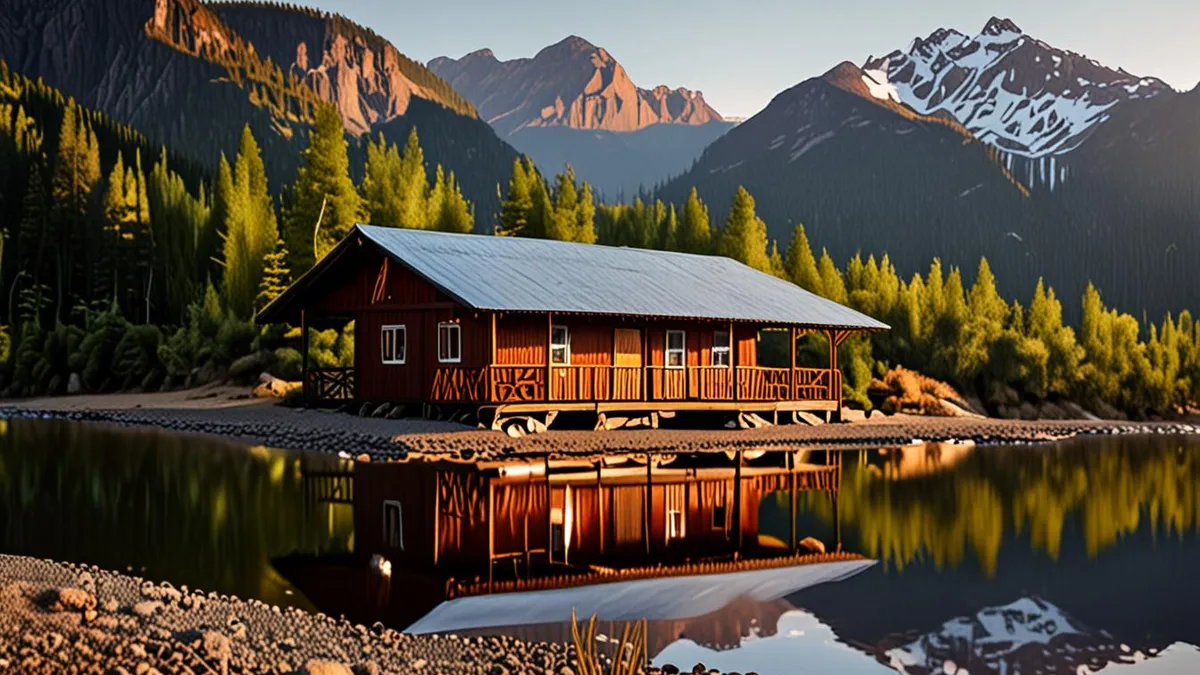
The simplest way to describe a fly-in lodge stay is that nearly everything is handled once you land. Rates are typically all-inclusive, covering your lodging, all meals and snacks, and guided activities such as fishing, hiking or wildlife outings. Your guides, your boat or trail access and your daily schedule are all part of the package, which is a big part of the appeal when the nearest store is a plane ride away.
What to confirm before you book
One detail varies from lodge to lodge: the aircraft transfer. Some properties bundle the charter flight into the nightly rate, while others bill it separately, and the difference can add hundreds of dollars per person to your total. Always confirm exactly how the flight is charged before you put down a deposit. For a broader primer on what lodges generally provide, see what to expect at a lodge, from amenities to meals and activities.
Accommodation is intimate by nature. Most fly-in lodges house somewhere between 8 and 30 guests at a time, in shared or private cabins, with communal dining where everyone eats together and compares notes on the day. That scale shapes the atmosphere: quiet, personal and far from anything resembling a resort lobby.
Budget for a few extras on site. The most common additional charges are alcohol, premium gear rentals such as specialized fishing tackle or equipment, and tips for guides and staff. Ask the lodge in advance how gratuities are typically handled so you can bring enough cash, since card payments are not always an option in the backcountry.
What Fly-In Lodges Cost
Fly-in lodges are priced very differently from road-access hotels, and the sticker shock usually comes from what is bundled in. All-inclusive rates commonly run from about $400 per person per night at simpler lodges to over $1,500 at remote luxury properties. That rate typically covers your cabin, all meals, and guided activities, which is why comparing it to a nightly hotel room alone can be misleading.
On top of the lodge rate, budget for the flight itself. Round-trip charter transfers add roughly $200 to $800 per person depending on distance and aircraft type. A short hop on a floatplane from a nearby lake costs far less than a long bush plane flight deep into the backcountry, so ask the lodge to quote the transfer when you request rates.
How stays are packaged
Stays are usually packaged in blocks of 3 to 7 nights with fixed weekly departure days. You generally cannot arrive on any random date; the lodge flies guests in and out on set days that match its aircraft schedule. This makes flexibility with your calendar one of the best money-saving tools you have.
Timing also drives price. Peak-season weeks, especially June through September in northern regions, price 20 to 40 percent above shoulder-season dates. If your target species or activity allows it, booking the edges of the season can cut a meaningful amount off the total. For a broader breakdown of how lodge pricing works across different property types, see this guide to lodge costs, seasons and booking tips.
Choosing the Right Season for a Fly-In Lodge
Season is everything at a fly-in lodge, because the aircraft can only reach the property when conditions allow. Northern fly-in lodges operate mainly June through September, when lakes are ice-free and daylight is long. Outside that window, the planes stay parked and the lodges close.
Within that core season, the months feel quite different. June and September bring lower rates and fewer guests, while July and August offer the warmest weather. Anglers often chase specific hatches or fish runs, and wildlife viewers may care more about animal movement than air temperature, so it pays to match the month to your goal. There is a helpful resource on the best time of year to visit lodges by season and region if you want to compare regions side by side.
Winter is not off the table. Winter-access lodges in ski or snow country run December to March and reach guests by ski plane or helicopter. These properties trade fishing for powder, guided snowshoeing and quiet alpine scenery, and they book up fast around holiday weeks.
- Early-season June trips often coincide with post-spawn fishing and long evening light, but expect chilly mornings on the water and pack a warm layer even on sunny forecasts.
- Late-September departures can deliver fall colors and aggressive fish feeding before winter, though cold fronts may ground flights more often, so build in an extra buffer day.
- Shoulder-month risk runs both directions: cold snaps or early ice can shorten activities or delay the charter, which is why lodges recommend flexible return travel.
- Winter lodge travelers should confirm whether the ski plane or helicopter transfer has a lower weight limit than summer aircraft, since cold-weather gear adds bulk fast.
How to Pick and Book a Fly-In Lodge
Picking the right fly-in lodge starts with an honest look at what you want from the trip. Each property specializes: some are built around trophy fishing on a single lake system, others focus on wildlife viewing, hiking or pure remoteness. A fishing-focused lodge may have superb guides but limited trail infrastructure, while a backcountry hiking lodge might not stock the tackle you expect, so match the lodge to the goal before you compare prices.
Timing matters just as much. Book 6 to 12 months ahead for peak-season weeks, as small lodges have limited beds and flights fill early. Many properties hold fewer than twenty guests at a time, so a single group booking can take a large share of a season’s capacity.
Before you pay anything, get the fine print in writing. Ask exactly what the rate includes, especially whether the charter flight, gear and gratuities are covered. A rate that looks expensive may actually be all-inclusive, while a cheaper competitor may add hundreds in transfer and equipment fees at the end.
- Luggage logistics: confirm the allowance in soft bags only, since hard-sided suitcases will not fit in a floatplane pod, and plan clothing layers around the 20 to 40 pound limit.
- Weather policy: check the cancellation and weather-delay policy before paying a deposit, including whether the lodge rebooks missed nights or refunds unused days.
- Group fit: ask how many guests share the lodge during your week, since small, communal properties suit sociable travelers better than those wanting privacy.
- Dietary needs: flag allergies or restrictions early, because remote kitchens order provisions weeks in advance and cannot restock mid-week.
- Deposit structure: many lodges require a deposit to hold the week with the balance due months before arrival, so note the payment schedule in your calendar.
Wrapping Up Remote Lodge Travel
Fly-in lodges trade road access for solitude, and that trade is exactly what you are paying for. Guests reach these properties by floatplane, bush plane or helicopter from a regional departure town, which keeps the crowds out but adds a layer of planning most hotel stays never require. The bill reflects it too: all-inclusive rates generally run from roughly $400 per person per night to over $1,500 at remote luxury properties, with charter transfers adding about $200 to $800 per person on top.
The travelers who get the most out of these trips are the ones who match the season to the activity they want, book well ahead for peak weeks, and build their plans around weight limits and weather buffers. Treat the flight as part of the experience rather than an obstacle, and the remoteness becomes the reward. If you have stayed at a fly-in lodge or are planning your first trip, leave a comment or share this article with someone who dreams of that kind of solitude.