Many travelers over 50 love the idea of fresh air and starry skies, but not the reality of sleeping bags, shared bathhouses or uneven ground. If you have wondered whether glamping is still too rustic, or whether the paths and tents will work with your knees and back, you are not alone. That is exactly what this guide to glamping for beginners over 50 is here to sort out.
We will walk through why glamping suits travelers who want comfort first, how to choose between cabins, yurts and safari tents, and the specific accessibility questions to ask before you pay. You will also find advice on picking the right season and region, booking smart within a realistic budget, packing light, and planning a short first trip to test the waters. By the end, you will know exactly how to get the outdoors with none of the roughing it.
Why Glamping for Beginners Over 50 Works
The biggest difference between glamping and traditional camping comes down to what is waiting for you when you arrive: a real bed, a source of heat and, at many properties, a private bathroom. Those three things remove most of the physical strain that makes conventional camping hard on the body. You are not sleeping on a thin pad over hard ground, shivering through the night or walking across a dark campground to a shared shower block.
Your knees and back get a break too
There is also everything you do not have to do. No hauling coolers, tents and sleeping bags from the car, no hammering stakes into hard soil and no wrestling with poles in the wind. Arriving at a glamping site feels closer to checking into a small hotel than setting up camp, which means your knees and back stay fresh for the actual fun: hiking, stargazing or simply sitting outside with coffee.
Structured glamping resorts add another layer of ease. Many have staff on site who can help with questions or problems, on-site dining or meal options, and organized activities ranging from guided walks to evening programs. If something goes wrong, you are not handling it alone in the woods. For a first trip, that built-in support makes the whole experience far more relaxing, and it is a big part of why glamping for beginners over 50 works so well as an entry point into the outdoors.
Choosing the Right Stay Type for Comfort
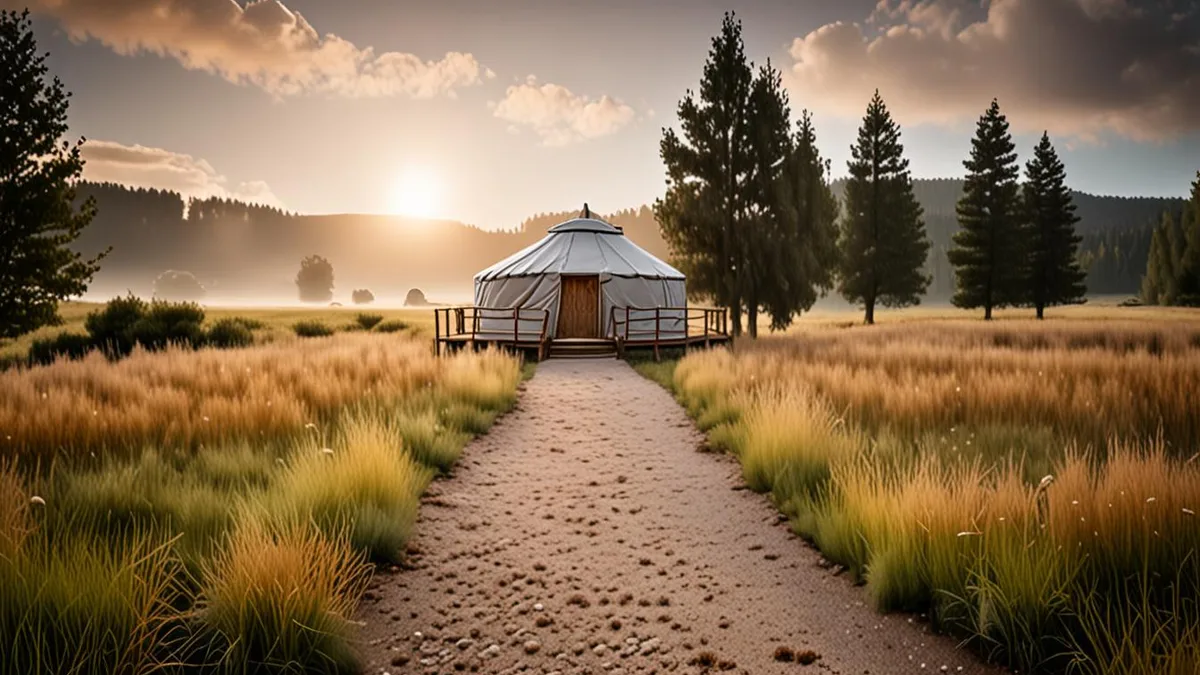
Not all glamping units offer the same level of comfort, and the differences matter more when cold mornings or sore joints are a concern. Cabins and yurts are the safest choices for first-timers: both have solid walls and real insulation, so they hold warmth at night and stay quiet in wind and rain. If weather protection is your top priority, start there.
Safari tents sit at the other end of the spectrum. They feel wonderfully close to nature, with canvas walls and big openings to the outdoors, but canvas is thin. Once temperatures drop below 50°F, an unheated safari tent can get genuinely chilly, especially overnight. If you love the tent look, look specifically for units that advertise heating, and consider a guide to the best months for glamping in the US before picking your dates.
One more rule of thumb: prioritize units with en-suite bathrooms over shared bathhouses. A private bathroom a few steps from your bed changes the experience, particularly at night and in cold or rainy weather.
- Bed height: Ask how high the mattress sits off the floor. A bed at roughly chair height is far easier to get in and out of than a low futon or floor mattress.
- Step-free entry: Confirm whether the unit has a ramp, a ground-level door or just one or two shallow steps, and mention any mobility needs when you book.
- Weight limits: Some canvas structures and elevated platforms have posted load limits for beds and furniture; if this matters for you, ask the operator directly rather than guessing.
How to Vet Accessibility Before You Book
Photos and listings rarely tell you what you most need to know about access. A unit can look beautiful online and still sit at the top of a gravel slope with three steps at the door, or share a bathhouse a long walk away. For travelers over 50, those details matter more than any view from the deck. The fix is simple: pick up the phone. A short call with the site directly, plus a look at a practical guide to choosing the right glamping site for a first trip, will answer most questions before you commit.
- Ask about parking and paths. Find out how far the unit is from the parking area, whether the path is paved, gravel or grass, and whether there are stairs or slopes along the way. If mobility is a concern, ask for a site within 100-200 feet of parking and restrooms.
- Request a specific unit type. Ask for ground-floor or ramp-access accommodation, and note the request on your booking so it is not left to chance at check-in. If a resort has several unit styles, ask which ones are flattest and closest to the main facilities.
- Check lighting and bathroom fittings. Confirm that walkways are lit after dark, and ask whether bathrooms have grab bars or a shower seat, or whether one can be provided. En-suite bathrooms are usually easier to manage than shared bathhouses, especially at night.
- Ask about staff hours. Find out when staff are on site and how you can reach someone at night in case you need help.
Write the answers down as you go, including the name of who you spoke with and the date of the call. That way there is no confusion at check-in, and you have something to refer back to if anything does not match what was promised. It also helps to repeat the key requests back to the person on the phone, so both of you leave the call with the same expectations. If the answers feel vague or rushed, treat that as useful information too and consider another site. A ten-minute call is the single best investment you can make in a comfortable first stay, and it costs nothing but a little of your time.
Picking the Right Season and Region
Timing makes a bigger difference to comfort than almost any other choice you will make. For most first-timers over 50, the sweet spots are May through June and September through October. Temperatures tend to be mild, sites are less crowded, and you can enjoy outdoor activities without dealing with midday heat or chilly nights.
Region matters just as much as the calendar. Deep summer in the Southwest can push temperatures well past comfortable levels, especially in canvas or tent-style units that heat up quickly during the day. Early spring in mountain regions works the other way: snowmelt, muddy paths and cold nights are still common, and some sites may not be fully operational yet.
Why shoulder seasons work in your favor
Shoulder season trips often come with lower nightly rates, which stretches a glamping budget considerably. Just as useful, staff have more time to accommodate special requests. Asking for a unit close to parking, a ground-floor cabin or extra heating is much easier in late September than on a packed July weekend.
One note on desert destinations: sites in places like Arizona often flip the usual calendar and operate October through April, avoiding the extreme heat entirely. If the Southwest is on your list, check the operating season with your chosen site before locking in dates.
Booking Smart: Timing, Budget and Questions to Ask
Good glamping trips start with good timing on the booking itself. For peak summer weekends, plan to reserve 2-6 months ahead, and give fall foliage trips the same treatment—3-6 months of lead time is typical, since leaf-peeping weeks fill fast. Popular regions during peak color can book out even earlier, so it pays to have flexible dates before you start searching. If your schedule allows a midweek arrival instead of a Friday check-in, you will usually find more open units and a calmer pace at the resort itself.
Budget-wise, expect to pay roughly $100-$300 per night depending on the unit type, region and season. That is a real step up from a basic campsite, so it is fair to ask what you are getting for the money. If you are weighing whether the upgrade justifies the cost, this comparison of glamping and camping costs and comfort breaks down what changes at each price point. Keep in mind that the sticker rate rarely tells the whole story: a slightly higher nightly price that includes meals or activities can work out cheaper than a bare-bones rate plus add-ons.
Before you pay, get clear answers on a few specifics:
- Inclusions: Ask whether linens, towels, meals and on-site activities are part of the rate or billed separately, since these can shift the real nightly cost noticeably.
- Minimum stays: Many resorts require 2-3 night minimums on weekends, so build your travel days around that rather than assuming you can arrive and leave freely.
- Cancellation terms: Confirm how far in advance you can cancel and whether you get a refund or only a credit, especially for weather-dependent seasons.
- Travel insurance: Ask whether the operator offers or recommends coverage, which can protect a nonrefundable booking if health or weather issues force a change of plans.
Packing Light but Right for a Glamping Trip
One of the best parts of glamping is how little you need to bring, but a few smart choices still matter. Pack in layers rather than relying on one heavy coat. Tent and yurt temperatures can swing sharply overnight, so a t-shirt, a fleece and a warm jacket let you adjust from a warm afternoon to a cold 2 a.m. without leaving your bed unzipped more than necessary.
Footwear and lighting deserve real thought. Paths between your unit and the bathhouse or dining area are often gravel, grass or boardwalk, and they can be damp or dim after dark. Bring medications in their original containers with clear labels, both for your own routine and in case a staff member or medical professional needs to identify them quickly.
Before you pack a single blanket, contact the site: most glamping operations provide bedding and towels as standard, so hauling your own linens is usually unnecessary. A quick confirmation call saves car space and hassle.
A few extras worth adding to the bag:
- Slip-resistant shoes: Choose pair with grippy soles for wet boardwalks, gravel paths and wooden steps, which can be slick in morning dew or after rain.
- A reliable flashlight or headlamp: Lighting on walkways varies widely between sites, and a hands-free headlamp makes nighttime bathroom trips far easier.
- A small daypack: Handy for carrying water, snacks, sunscreen and medications on walks or excursions away from your unit.
- Motion-sickness remedies or personal comfort items: If winding mountain roads or bumpy transfers are part of your route, pack what keeps you comfortable before you need it.
Your First Trip, Made Simple
If you want the outdoors without sleeping bags, shared bathhouses or rough terrain, glamping over 50 really can deliver. The key is comfort: pick insulated units with real beds and heating, verify accessibility directly with the site before you book, and aim for shoulder seasons when temperatures are mild and requests for ground-floor or ramp-access units are easier to accommodate. Do those three things, and most of the worries that keep people from trying glamping simply disappear.
The easiest way to find out whether this style of travel suits you is to keep the first trip short. A 2-3 night stay lets you test the bed, the bathroom and the pace of a glamping resort without committing a full week. If it works, you will already know exactly what to look for on the next trip. If you have tried glamping or are planning your first stay, leave a comment or share this article with someone who might want to come along.