You’ve seen the photos: a canvas tent on a lavender hillside, a real bed inside, breakfast waiting outside. But when you start planning glamping in France, the choices pile up fast. Provence or the Dordogne? July or June? A safari tent, a yurt or a treehouse? Each option changes what your trip looks like, what it costs and how far ahead you need to book.
This guide walks through the decisions step by step. We’ll cover what French glamping actually looks like on the ground, which regions suit which kind of traveler, when to go for the weather you want, what a night typically costs, how far in advance to reserve, and what to expect once you arrive. By the end, you’ll be able to match a region, a season and a unit type to the trip you have in mind instead of guessing.
What Glamping in France Actually Looks Like
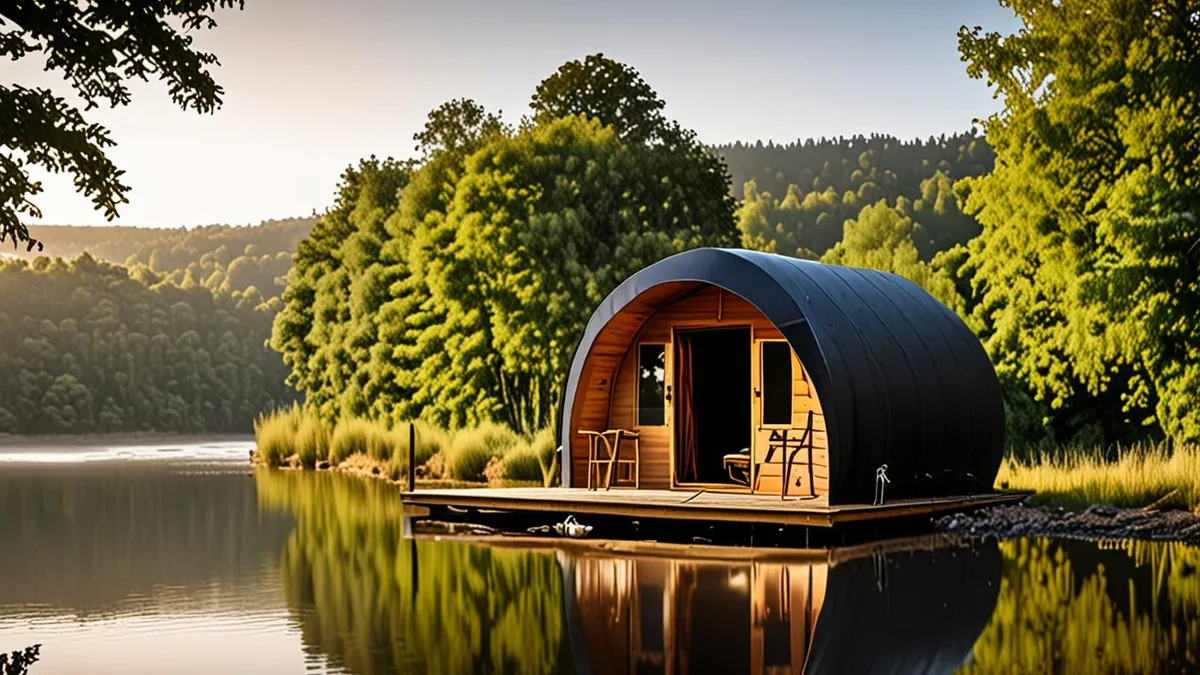
Glamping in France covers a surprisingly wide range of accommodations, and knowing the differences helps you pick the right one. The most common unit types are safari tents, yurts, treehouses and pods, along with small wooden cabins on some sites. Safari tents are the classic choice: large canvas structures on wooden decks, often with a covered terrace. Yurts bring a round, cozy feel, while treehouses and pods suit travelers who want something more unusual.
What’s actually inside
Forget sleeping bags and thin mats. A typical French glamping unit comes with real beds, and many setups include a private bathroom or access to well-maintained shared facilities. Kitchens or kitchenettes are common too, so you can cook simple meals rather than eating out every night. The level of comfort varies by site, so read the unit description carefully before booking.
Another thing that sets France apart is the setting. Many glamping sites sit on working farms or vineyards, and they’re often family-run rather than resort-style. That usually means a quieter atmosphere, a friendly host on site, and sometimes fresh produce or wine from the property itself. If you want a personal touch instead of a large holiday village, look for these smaller operations.
Best Regions for Glamping in France
France is a big country with very different landscapes, and the right region depends on what you want from your trip. Provence draws travelers with lavender fields, vineyard settings and reliably warm summers, while the Dordogne is the classic family choice, with canoeing on the river, hilltop castles and plenty of sites that welcome children. The Loire Valley puts you in château country, close enough to Paris for an easy arrival by car or train, which makes it a practical first glamping trip if you’d rather not drive long distances on arrival.
Coastal lovers have options too. The Côte d’Azur and Corsica offer Mediterranean stays where you can combine a glamping base with beach days, while Brittany and Normandy suit travelers who prefer cooler seaside air, dramatic tides and coastal walks. If you’re comparing seasons across destinations, this month-by-month guide to glamping seasons shows how timing shapes a trip, even outside Europe. It’s a useful reminder that the same region can feel completely different from one month to the next.
Think about how much driving you want to do as well. A site in the Dordogne or the Loire works best if you have a car for market days and castle visits, while some Provence sites are walkable to villages with bakeries and cafés. Corsica takes more planning, since ferries or a short flight are part of the journey.
- Provence: time your stay for late June or July if you want lavender in bloom, and expect vineyard terraces rather than shade-heavy forest sites.
- Dordogne: many sites sit near river beaches and prehistoric cave sites, making day trips easy with kids.
- Loire Valley: a practical pick if you’re flying into Paris, with several châteaux reachable within an hour’s drive of sites.
- Corsica: factor ferry or flight time into a one-week stay so you’re not rushing to and from your unit.
- Brittany and Normandy: pack a windbreaker even in summer; the weather is changeable but the crowds are thinner.
When to Go: Seasons and Weather
Timing matters more for glamping than for a hotel trip, since canvas and cabins are built for certain conditions. The main season in France runs roughly May to September, and within that window, July and August are the hottest and busiest months. Sites are at full capacity, pools are busy, and you’ll want to book well ahead.
The shoulder-month advantage
May, June and September are the sweet spot for many travelers. The weather is mild, prices drop below peak rates, and the crowds thin out noticeably. In the Dordogne and the Loire Valley, these months are ideal for cycling, canoeing and sightseeing without the summer heat. In Provence, June brings lavender starting to bloom with far fewer tour buses than midsummer.
Winter: manage your expectations
Winter glamping in France is limited. Many sites, especially those with canvas units, close from October to April, and the ones that stay open tend to offer solid cabins rather than tents. If you’re set on a winter escape, search specifically for year-round sites and confirm what facilities remain open, such as pools or restaurants. For most travelers, a May-to-September trip delivers the experience glamping is known for.
What Glamping in France Costs
Glamping in France is generally cheaper than a countryside hotel but noticeably more expensive than bringing your own tent. Most travelers should budget roughly €80-250 per night, with the price depending mainly on the unit type and the region. A simple pod or safari tent on a small farm will sit at the lower end, while a large treehouse with a private bathroom or a stylish cabin on a vineyard can reach the top of the range.
When prices climb
Peak July-August dates sit at the top of that range, especially in Provence, the Dordogne and along the coast. The same unit can cost noticeably more in early August than in late June, and weekend rates are often higher than midweek ones. If your dates are flexible, shifting your stay into May, June or September is usually the easiest way to pay less for the same tent or cabin.
What’s actually included
Before you compare prices, check what the rate covers. Some sites include linens and towels as standard; others charge a per-bed linen fee or ask you to bring your own. Cleaning fees, tourist taxes and breakfast are also handled differently from site to site, so read the booking summary carefully rather than assuming. If you’re weighing glamping against a traditional camping holiday, our guide to glamping versus camping costs and comfort breaks down how the two compare in practice.
How to Book and When to Reserve
Good glamping sites in France are usually small, often family-run operations with just a handful of safari tents, yurts or pods on the property. That limited inventory means they fill up far faster than a chain hotel with dozens of identical rooms, and the most sought-after units — think a treehouse overlooking a valley or a safari tent with a private deck — can disappear months in advance. Booking at the right time matters more here than it would for almost any other type of accommodation. Here’s how to time your reservation.
- Identify your region and dates first. Decide between Provence, the Dordogne, the Loire Valley or the coast before you start searching, since availability and booking windows differ from one area to the next.
- Reserve 3-6 months ahead for July and August. This applies especially to popular regions like Provence, the Dordogne and coastal areas, where the best units are often fully booked well before summer starts.
- Book shoulder-season stays 1-2 months out. In May, June and September, you can often wait a little longer and still find good availability, sometimes at lower rates.
- Confirm minimum-stay rules before committing. Some sites require 2-3 nights in high season, which can affect whether a short weekend trip works for your dates.
- Read the cancellation policy carefully. Smaller family-run sites may have stricter terms than large booking platforms, so know your options if plans change.
A little flexibility goes a long way, too. If your preferred site is full, ask whether they keep a waitlist for cancellations — small owners often do, and a spot can open up a week or two before arrival. Midweek nights are also easier to secure than weekends during the peak season. And once you’ve locked in your dates, confirm the details directly with the site: what’s included in the rate, whether bedding is provided, and how to find the property if it sits down a country lane with no street signs.
If this is your first glamping trip, it also helps to think about unit type, facilities and location before you click reserve. Our guide on how to choose the right glamping site for your first trip walks through those decisions step by step.
What to Expect On Site
Facilities on French glamping sites vary more than many first-timers expect. At the simpler end, you’ll have a comfortable bed and real furniture but share washrooms and showers with other guests. At the higher end, your tent, treehouse or cabin comes with a private en-suite bathroom, and sometimes a small kitchenette as well. Always read the unit description carefully rather than assuming, because two safari tents on the same site can have very different setups. If a private bathroom matters to you, confirm it’s attached to your unit and not a shared block a short walk away.
Many sites go beyond the basics. It’s common to find a shared swimming pool, a breakfast service with fresh bread and pastries delivered to your tent, or farm produce like eggs, honey and wine sold on site. A good number of French glamping operators are farmers or winemakers first, and they rent out units as a sideline, so asking what they make themselves often leads to excellent local tips, tastings or a discount on produce. Families should also ask about playgrounds, animals to feed and whether the pool is fenced, as these details rarely appear in the main listing.
- Layers for evenings: Even in midsummer, countryside nights can drop noticeably, especially in the Dordogne and Loire Valley, so bring a fleece or light jacket for sitting outside after dark.
- A torch or headlamp: Many sites are deliberately dark and low-lit, and the walk from your unit to the washrooms can be genuinely pitch black.
- Mosquito repellent: Units near rivers, vineyards and standing water can attract mosquitoes on warm evenings, particularly in July and August.
- Slip-on shoes or sandals: Grass, gravel paths and wooden decking mean you’ll want something easy to step into at night, especially if your bathroom is in a separate building.
Planning Your French Glamping Trip
Glamping in France works best when you match three things: the region, the season and the unit. Provence shines in high summer, while the Dordogne and Loire Valley are ideal for the shoulder months of May, June and September, when the weather stays mild and the crowds thin out. Set a budget of roughly €80-250 per night, and remember that July and August dates in popular regions need booking 3-6 months ahead.
Before you reserve, decide what kind of stay you want — a safari tent, yurt, treehouse or pod — and check exactly what’s included in the rate, from linens to breakfast. Get those three decisions right and your French glamping trip practically plans itself. If this helped you plan, leave a comment or share the article with a fellow traveler.