You love the idea of falling asleep under the stars, but you also want a real mattress, hot water in the morning and a roof that won’t leak if the weather turns. The problem is that glamping covers everything from a barebones tent with a shared outhouse to a cabin-style suite with a private hot tub, and glamping sites amenities can differ wildly even between units on the same property. Without knowing what counts as standard and what counts as a luxury, it’s hard to tell whether a price is fair or inflated.
This guide breaks it down by price tier. You’ll see which amenities come standard at every level, what the budget, mid-range and luxury bands actually deliver, how the season changes what you pay, and how to match the amenity list to your trip before you book. By the end, you’ll know exactly what to expect for your money.
What Amenities Glamping Sites Include at Every Price Level
The good news about glamping is that a few comforts are almost universal. A real bed with linens, pillows and blankets is standard at virtually every glamping site, so you can leave your sleeping bag at home no matter which price tier you book. That single feature is what separates glamping from traditional tent camping.
What comes standard even at budget sites
Even the most affordable units usually include lighting, whether that means battery-powered lanterns or electric lights, along with some form of seating and either a private deck or a fire pit outside. These basics turn a tent into a livable space rather than just a place to sleep. If a listing doesn’t mention lighting or a fire pit, that’s a question worth asking before you reserve.
Towels and basic toiletries are another pleasant surprise. Unlike campgrounds, where you pack your own soap and shower shoes, established glamping sites typically include linens, towels and basic toiletries in the rate. You still might want your favorite shampoo, but you won’t need to bring a full toiletry kit.
Cooking facilities are where tiers diverge
Cooking basics vary widely between price levels. Budget sites usually offer a shared camp kitchen or outdoor cooking area rather than anything inside your unit. Mid-range units add a kitchenette with a small fridge and a way to heat food. Knowing where your unit sits on that spectrum helps you decide how much food gear to pack and whether you’ll be eating out instead.
Budget Glamping: What $80-$150 per Night Gets You
At the budget end of the market, basic glamping tents with shared facilities typically run $80-$150 per night. For that price you get a furnished tent or yurt with a real bed, usually a small table and some storage, but bathrooms and showers are shared with other guests, often in a central bathhouse a short walk away. It’s a big step up from sleeping on the ground, though, and a world apart from a traditional campground pitch, as we explain in our guide to glamping versus camping.
Heating is the biggest variable in this price band. Some budget units include a wood stove, which keeps things cozy but means you’re lighting a fire on cold mornings. Others provide no heat at all, so check the season and the climate before booking a shoulder-season or winter stay.
- Wi-Fi, when it exists at budget sites, is usually limited to the main lodge or common area rather than your unit, so download maps and entertainment before you arrive.
- Shared bathrooms may be a walk from your tent, so pack a headlamp or lantern for nighttime trips, especially on properties without path lighting.
- Wood stoves typically require you to light and tend the fire yourself, and some sites charge separately for firewood bundles.
Food is generally self-catered at this level. Guests typically bring their own groceries and cook at a shared outdoor kitchen or fire ring, so plan meals that work on a grill or camp stove and bring your own cooler if the site doesn’t offer shared refrigeration.
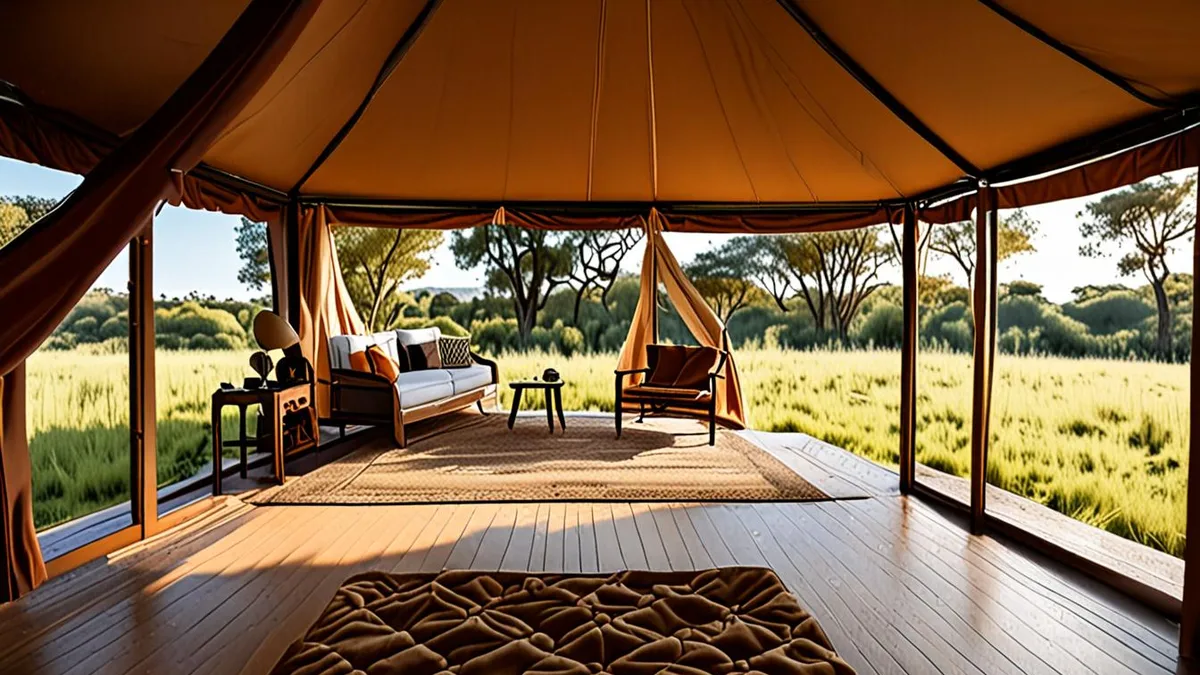
Mid-Range Comforts: Private Bathrooms, Kitchenettes and Climate Control
Mid-range glamping is where the experience starts to feel a lot like a small cabin stay rather than a step up from camping. The defining feature of this tier is the private bathroom: an en-suite toilet and shower attached to your own unit. No more walking to a bathhouse in the dark, and no more waiting for a shower in the morning. For many travelers, this alone justifies moving up from the budget tier.
Reliable heating is another hallmark here. Instead of depending on a wood stove you have to feed all night, mid-range units typically offer proper heating you can set and forget. That makes them a safer choice for cooler months, and it’s worth reviewing the best seasons for glamping in the US when deciding when to book.
Climate control is the one thing to verify
Heating and air conditioning appear in roughly half of mid-range units, so don’t assume cooling is included. If you’re traveling in summer, especially in humid regions, confirm the unit has air conditioning before you book rather than discovering it on arrival. A quick email to the site saves an uncomfortable night.
Outdoor living and in-unit conveniences
Private decks with outdoor furniture are common at this level, and many units add a small grill for cooking outside. Wi-Fi in the unit itself and coffee-making equipment are standard rather than optional extras, so you can make your morning cup without trekking to a lodge. The kitchenette usually includes a small fridge, a microwave or two-burner cooktop and basic cookware, enough for simple meals if not elaborate cooking. Together, these touches make a mid-range unit work well for longer stays when you want comfort without giving up the outdoors.
Luxury Glamping: Hot Tubs, Housekeeping and Full Kitchens
Luxury glamping operates in a different category entirely. At the top end of the price spectrum, you should expect a private hot tub or sauna, a full kitchen, and daily housekeeping as part of the base rate, not as paid upgrades. These are the amenities that separate true luxury sites from well-appointed mid-range units.
Climate control, high-speed Wi-Fi, and quality furnishings come standard in luxury units. Think proper mattresses on real bed frames, solid furniture, layered lighting, and interiors designed with genuine care rather than a tent with a bed pushed into the corner. You are essentially getting a boutique hotel room with a canvas or timber shell.
Services Beyond the Unit
Some luxury sites go further with concierge services, catered meals, or on-site spa treatments. You might arrange a private dinner at your tent, book a massage, or have staff stock your kitchen before arrival. Availability varies widely by property, so ask about these services when you book rather than assuming they exist.
The design details are what truly distinguish the top tier from mid-range. Standalone bathtubs with a view, wood-burning or gas fireplaces, and panoramic windows facing the landscape are common markers of the luxury bracket. If a listing shows a soaking tub beside a floor-to-ceiling window, you are looking at the upper end of the market, and the rate will reflect it.
How Season and Timing Change What You Pay
The same unit can cost noticeably different amounts depending on when you book. Peak season from June through August pushes prices 30-50% above shoulder-season rates, even though the amenities in your unit stay exactly the same. Timing is one of the few levers you control that directly changes what you pay, and unlike haggling over add-on fees, it takes no extra effort beyond choosing your dates wisely.
Popular sites often fill their summer weekends early. Most glamping sites require booking 2-3 months ahead for summer weekends, and the most sought-after properties may fill even sooner. If you have your heart set on a specific site in July or August, book as soon as dates open. Waiting until spring to plan a midsummer getaway usually means choosing from the leftover units, which are often the smallest or least private ones on the property.
- Shoulder-season stays in May, September, and October often include the same amenities for less, and sites may throw in perks like free firewood or late checkout to fill units.
- Weeknight stays in peak season are typically cheaper than Friday and Saturday nights at the same property, so a Sunday-to-Wednesday trip can soften the summer markup considerably.
- In snowy regions, winter stays often cost more than you might expect, because cold-weather units with proper heating command a premium for guests seeking snow views from a warm tent.
Before you book, compare the same unit across two or three different months. Seeing the prices side by side makes the seasonal difference obvious and helps you decide whether the summer experience is worth the premium or whether a September stay suits you just as well. Flexibility of even a week or two can translate into real savings.
Matching Amenities to Your Trip Before You Book
Glamping covers everything from a basic tent to a heated suite with a hot tub, so the most important booking step happens before you even open a listings page. Prices and setups vary enormously between sites, sometimes even between two units at the same property. Knowing what you actually need prevents both overpaying and unpleasant surprises when you arrive. Work through these steps in order.
- Decide first which amenities are non-negotiable. Pick one or two dealbreakers, such as a private bathroom, climate control, or a kitchen, and filter your search on those. Everything else can flex, and letting it flex often saves money.
- Read unit descriptions carefully. Phrases like “bathroom nearby” can mean a shared bathhouse a short walk away, not an en-suite. If the listing is vague on sleeping arrangements, heating, or cooking facilities, message the site and ask directly before you book.
- Check what is included in the rate. Linens, towels, and basic toiletries are included at nearly all established glamping sites, but firewood and cooking gear are sometimes listed as add-on fees. Confirm before you pack so you are not caught short at check-in.
- Match the amenity level to your trip style. A first glamping trip usually goes better with a private bathroom and reliable heat, while a remote retreat may call for a simpler, off-grid unit with fewer distractions and a more rustic feel.
If this is your first time booking a canvas or cabin stay, it helps to read up on how to pick a property before committing. A good starting point is this guide to choosing the right glamping site for your first trip, which walks through location, site type, and what to verify before paying. Ten minutes of prep usually saves a disappointing stay, and it makes comparing listings far easier once you know your own priorities.
The Bottom Line on Glamping Amenities and Costs
Glamping gives you that hotel-room comfort in the outdoors, and the good news is that the basics are never in question. A real bed, lighting, seating and linens come standard at every level, so even the cheapest stay feels a step above a traditional campground. What separates the price tiers is everything else: bathrooms, kitchens and climate control. Expect to pay $80-$150 per night for a simple tent with shared facilities, $150-$300 for a unit with its own bathroom and kitchenette, and $300-$600+ for a luxury setup with a hot tub, full kitchen and housekeeping.
Once you know which amenities you truly need, picking the right tier becomes simple. To get the most for your money, book 2-3 months ahead for summer weekends and consider traveling in shoulder season, when the same amenities often cost noticeably less. If this helped you plan your trip, leave a comment or share the article with a fellow traveler.