Sleeping in a tent, dome or yurt sounds dreamy until you start thinking about what else lives outdoors: mosquitoes, raccoons rifling through your snacks, and thunderstorms rolling in at 2 a.m. It’s the number one hesitation we hear from first-time glampers, and honestly, it’s a fair concern. The good news is that how well glamping sites handle bugs, wildlife and weather is usually the difference between a professional operation and a glorified backyard campout.
In this guide, we’ll walk through exactly what good operators do behind the scenes. You’ll learn why bug control is the first thing quality sites tackle, how food storage and campsite design keep wildlife at a distance, and why raised platforms and hard-sided structures matter when the weather turns. We’ll also cover the emergency procedures worth asking about before you book, what you can personally pack to stay comfortable, and how to pick a site that manages these risks well. By the end, you’ll know which questions to ask and what red flags to watch for.
Why Bugs Are the First Thing Good Glamping Sites Handle
Bugs are the first complaint guests file at poorly run sites, which is why serious operators treat insect control as infrastructure rather than an afterthought. The best structures are built with insects in mind from day one: screened windows on all sides, mesh door panels with tight seals, and canvas walls that close completely instead of leaving gaps at the corners. In a well-designed safari tent, dome or yurt, you can sleep with airflow running and still wake up bite-free.
Keeping the grounds clear
In tick-heavy regions, vegetation management matters as much as the structure itself. Good sites mow the grass and clear brush a generous distance around each unit, so you’re not walking through waist-high growth to reach your front door. Trails near accommodations are either treated, rerouted or avoided entirely, keeping you out of the tall grass where ticks wait.
During peak insect season, which in most US regions runs May through September, many operators go a step further. You’ll often find repellent spray in the unit, citronella candles on the deck, or a small fan that keeps air moving and mosquitoes grounded. It’s a small detail, but it tells you the operator has actually spent a night in their own tents.
Wildlife Protocols: Food Storage and Campsite Design
Wildlife problems at glamping sites almost always trace back to one thing: food. A granola bar left in a duffel bag can attract raccoons, mice or, in bear country, something far more serious. That’s why well-run sites seal food in hard-sided containers or bear-proof lockers overnight, and they make the rule non-negotiable. Guests who push back are usually the reason a site develops a problem animal in the first place.
Campsite layout matters just as much as storage rules. Cooking areas are positioned well away from sleeping structures, so food smells don’t drift toward the tents where guests are dozing off. Clear signage about not feeding animals is posted for a simple reason: a fed animal becomes a bold animal, and bold animals get euthanized. The timing of your visit plays a role here too, since animal activity changes with the seasons, and our month-by-month guide to glamping seasons in the US can help you plan around it.
Even lighting is designed with wildlife in mind. Lights are placed and angled so they don’t pull insects and nocturnal animals toward guest units after dark.
- Locker placement: Bear-proof lockers are typically set a short walk from the tents, so any curious animal investigating food smells ends up at the locker, not at your zipper door.
- Cooking gear rules: Many sites ask you to leave cookware, coolers and even scented toiletries in the designated storage area, since lingering odors can attract wildlife just as effectively as open food.
- Trash handling: Secure, animal-resistant trash bins near the cooking area mean guests aren’t tempted to leave garbage bags outside a tent overnight.
How Structures Themselves Reduce Weather Risk
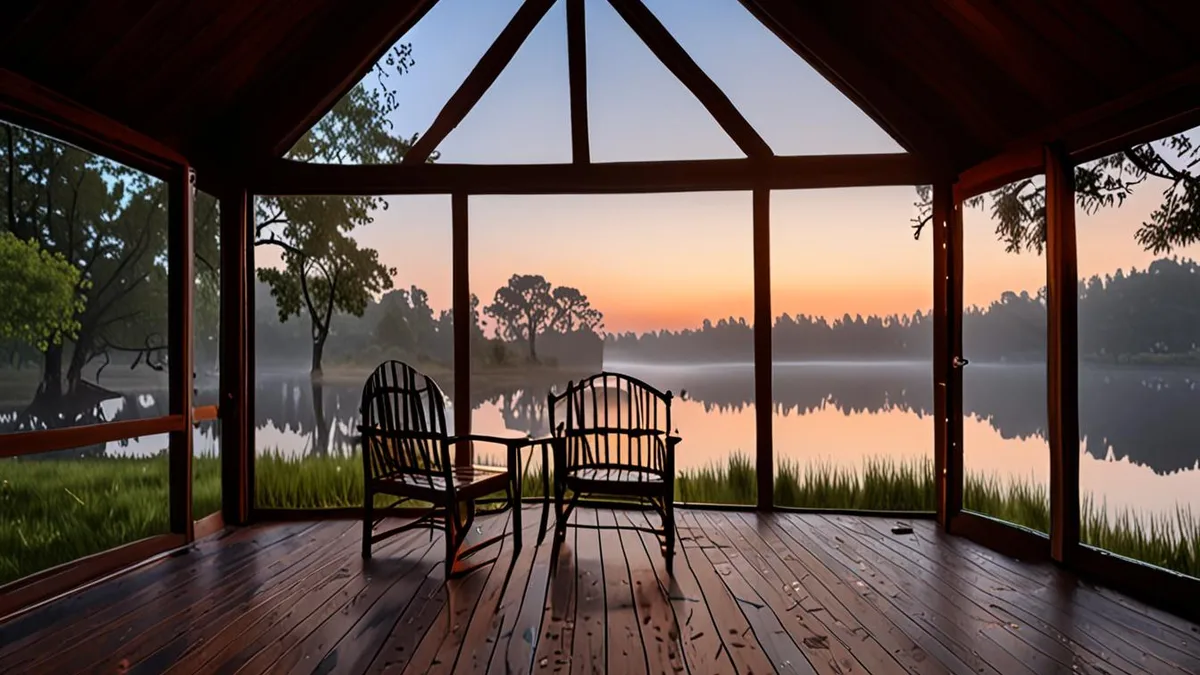
The structure you sleep in does more for weather protection than most guests realize. Safari tents and geodesic domes are typically built on raised wooden platforms, which serve a practical purpose beyond looking tidy: they keep the floor above rain runoff and ground moisture. After a heavy overnight rain, a platform tent stays dry underfoot while a tent pitched directly on grass can wick water straight through the floor.
When hard sides make more sense
In regions known for lightning or exposure to severe storms, hard-sided cabins and A-frames are simply the safer choice. They offer solid walls, a proper roof and a structure that stands up to wind in a way canvas never will. If storm safety is your top priority, it’s worth comparing unit types before you book, and our guide to choosing the right glamping site for a first trip walks through that decision in detail.
Good operators also know when to say no to the weather. Tented structures are typically taken out of service or winterized when sustained high winds or severe storms are in the forecast, rather than leaving guests to ride it out in a swaying canvas room. Ask any site you’re considering how they handle a stormy forecast, because their answer tells you a lot about how they run everything else.
Storm and Emergency Procedures Guests Should Ask About
Weather is the part of glamping that catches most first-timers off guard, so it pays to ask a few direct questions before you book. A quality site should have a clear answer for what happens when a thunderstorm or wind warning rolls in. Many operators issue lightning or high-wind warnings and ask guests to leave tented units and shelter in a main lodge or vehicle. If a site can’t tell you where guests go during severe weather, that’s a red flag worth taking seriously.
The best operators treat emergency planning as part of the guest experience, not an afterthought. At check-in, staff should walk you through the basics: where to go, how you’ll be notified, and who to contact if something happens after hours. If no one mentions any of this, ask. A confident answer tells you the site takes safety seriously; a vague one tells you to keep your own plan ready.
- Ask whether the designated shelter is staffed during storms, since a locked lodge with no one on site is far less useful than one with an employee who can account for every guest.
- Find out how warnings are communicated, whether that’s a text alert, a knock on your door, or a siren, so you know you’ll actually hear the notice if you’re asleep or in the shower.
- Confirm what happens to your booking if weather closes tented units mid-stay, because a site that offers rebooking or partial refunds handles storms far better than one that simply calls it bad luck.
- Check whether the site has a plan for guests with limited mobility or families with small children, since evacuation routes that work for a fit couple may not work for everyone.
What You Can Personally Do to Stay Comfortable
Even the best-run site can’t control everything, so a little personal preparation goes a long way. The good news is that staying comfortable at a glamping site mostly comes down to a few smart habits you can build before you even leave home. None of them take much time, and together they cover most of the situations that catch first-time glampers off guard.
- Protect yourself from ticks and mosquitoes properly. In tick country during summer months, the standard recommendations are permethrin-treated gear and 20-30% DEET repellent. Spray your exposed skin each morning and evening, and do a quick tick check at night, especially around ankles, waistbands and behind the knees. Tuck pants into socks if you plan to walk through grassy areas.
- Pack for temperature swings, not the forecast. Tented units cool quickly at night, even after a warm afternoon, so bring layers you can add and shed easily. A rain jacket should go in the bag regardless of what the weather app says, and a warm hat makes chilly mornings far more pleasant.
- Respect the food rules completely. Operators ask guests to store anything scented in the lockers or containers they provide overnight, and those rules exist for good reason. Never keep snacks, toiletries with strong scents, or drinks in your sleeping tent, even for one night.
If you want a head start on all of this, a complete glamping packing checklist covers the essentials in one place, from repellent to rain layers. A few minutes of preparation usually makes the difference between a trip you remember fondly and one you remember for the wrong reasons.
Choosing a Glamping Site That Manages Risks Well
Not all glamping sites handle nature’s risks equally well, and the differences show up long before you arrive. The trick is knowing where to look, starting with the most honest source of information available: reviews from guests who stayed before you.
When you scan reviews, pay attention to any that mention bugs, wildlife or storms. A site whose guests occasionally note mosquitoes but praise the screened windows is telling you something useful. So is a review that describes a storm during the stay and how calmly staff handled it. What you want to avoid are patterns, not one-off complaints. Multiple reviews mentioning bugs getting inside units, raccoons getting into coolers, or guests left in the dark during high winds suggest a site that hasn’t invested in the basics. Honest, specific responses from the operator are just as revealing as the reviews themselves.
Timing and unit type matter more than most people realize
Shoulder-season stays in April-May or September-October generally mean fewer insects and milder weather risks. You’ll often find the same sites quieter and more relaxed during these windows, and the reduced bug pressure makes evenings outside noticeably more pleasant. If your schedule allows any flexibility, shifting your dates by a few weeks is one of the easiest upgrades you can make.
Unit type matters just as much. Hard-sided units, like cabins and A-frames, generally offer more weather protection than canvas tents at a similar price point. Canvas structures have plenty of charm, and well-built ones on raised platforms handle rain and moisture well, but if storms or cool nights worry you, a solid roof wins every time. Weigh what you want from the trip: the sensory experience of canvas, or the peace of mind of walls. There’s no wrong answer, just the one that lets you relax.
The Bottom Line on Bugs, Wildlife and Weather
The short answer to the worry that opened this article: yes, nature comes with mosquitoes, curious raccoons and the occasional storm, but well-run glamping sites plan for all three. Screened windows, mesh doors and sealed canvas keep insects out, food gets locked in hard-sided containers or bear-proof lockers overnight, and operators close tented units when sustained winds or severe weather are forecast. The risks don’t disappear, but they’re managed.
Guests play their part too. Pack repellent, layers and rain gear, follow the site’s food rules, and ask about emergency procedures before you book, and most of the uncertainty is gone. Read recent reviews, choose a unit that suits the season, and you can stay comfortable in any weather. If this helped you plan your trip, leave a comment below or share the article with a fellow traveler.