Many travelers assume glamping is strictly a fair-weather activity: the tents fold up in October, the domes go quiet until spring, and luxury camping becomes impossible until the thaw. The reality is more encouraging. Glamping year-round is possible in many parts of the country, but it depends heavily on where you go, what kind of unit you book, and how the operator handles heating and cooling. A canvas tent in a snowy valley is a different experience than an insulated dome in Southern California in January.
This guide walks through the questions that matter before you book. We cover whether glamping is genuinely possible in every season, how climate shapes the experience in deserts, mountains and humid regions, and what each season actually feels like on site. You’ll also find advice on choosing a winter-ready or heat-proof unit, packing for off-season conditions, and timing your reservation to get the best rate. By the end, you’ll know which months and regions offer a comfortable trip and which ones to approach with caution.
Is Glamping Year-Round Actually Possible?
The short answer is yes, glamping year-round is possible, but it hinges on three things working together: the type of unit you book, the climate of the region, and whether the site has proper heating or cooling. Get all three right, and a January night under canvas or glass can be just as comfortable as a July one.
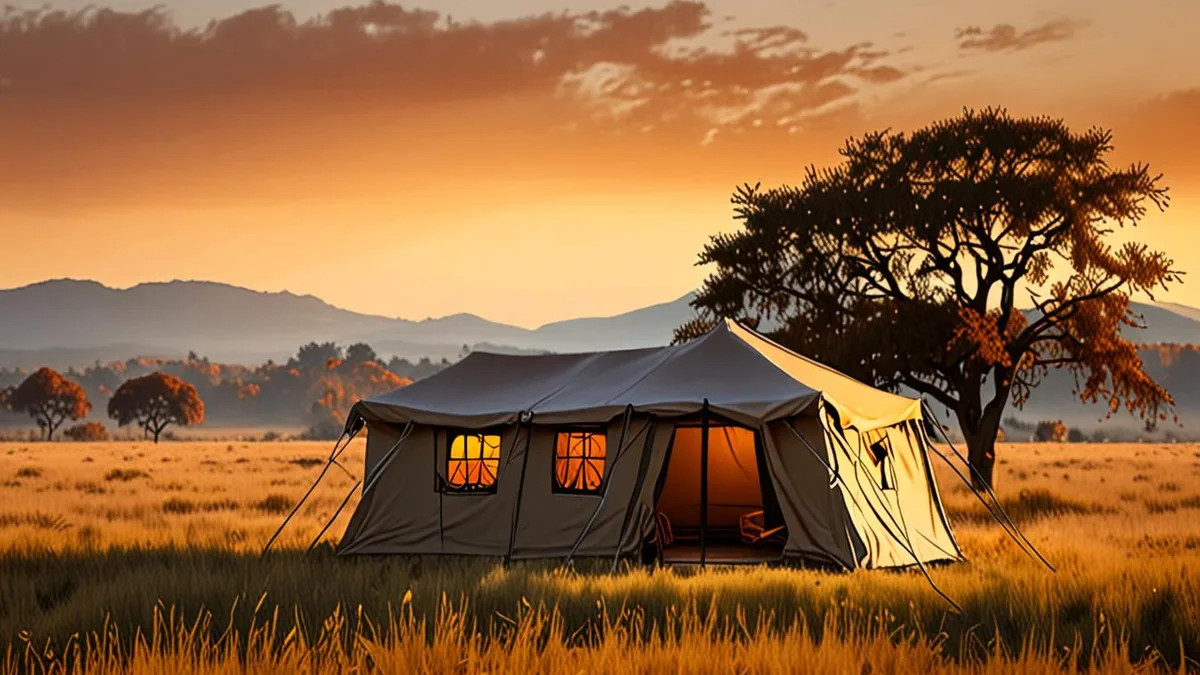
Unit type matters most. Standard canvas tents, including bell tents and safari-style setups, usually operate only in the May-October window. Canvas breathes beautifully in mild weather but struggles against snow loads, freezing nights and sustained rain. Insulated geodesic domes and cabins, on the other hand, are built to run all year, often with wood stoves, HVAC or heated floors keeping the interior comfortable.
Location matters more than the calendar
Climate is the second piece of the puzzle. Operators in mild-winter states like Southern California, Arizona and Florida routinely keep sites open November through March, precisely because winter weather there is gentle enough for guests to enjoy. In northern states and mountain regions, the same calendar months bring snow and sub-freezing temperatures, so many tent-based sites simply close for the season.
The practical takeaway: don’t rule out a month before checking the region. A February booking can be excellent in the desert Southwest and disappointing in the Rockies, even at the same brand or price point. Always ask an operator directly whether their units are winterized and what heating they provide before committing to cold-month dates.
How Climate Shapes Your Glamping Trip
Climate is the single biggest factor in whether a glamping trip feels luxurious or miserable. The same tent that’s delightful in one region can be unbearable in another, even in the same month. Understanding how different climates behave helps you match your destination to the season instead of fighting it.
Desert regions: perfect springs and falls, brutal summers
Desert sites near Joshua Tree or Sedona offer some of the most reliable glamping weather in the country. In spring (March-May) and fall (October-November), daytime highs typically sit near 70-85°F, ideal for stargazing decks, fire pits and outdoor soaking tubs. But summer is a different story: once temperatures climb above 100°F, many desert operators close or pause bookings entirely, since canvas and even domes become hard to keep comfortable. If you’re planning a month-by-month itinerary, our guide to the best seasons for glamping in the US breaks down how each month plays out across regions.
Mountains and the humid Southeast
Mountain and northern sites face snow and sub-freezing nights from roughly November through April. Tent-based sites in these areas usually shut down for the winter, and even heated units require proper insulation to stay pleasant. Pack accordingly and confirm what the operator provides.
The humid Southeast takes the opposite approach: winters stay warm enough for comfortable camping, which is why Florida sites run through the colder months. The tradeoff comes in summer, when June through September brings afternoon thunderstorms and heavy mosquito activity. Spring and late fall tend to offer the best balance of warmth and dry air in these regions.
Season-by-Season Comfort: What to Expect
Each season brings a distinct glamping experience, and knowing what to expect helps you pick the window that fits your priorities. Here’s how the year typically plays out at sites across the country.
Spring (March-May) is a favorite for many travelers. Temperatures are mild, landscapes are blooming, and sites feel fresh after the winter lull. The catch is demand: in popular regions you’ll want to book 4-8 weeks ahead, especially for spring-break dates and wildflower season in the desert.
Summer (June-August) is peak season. Operators run at full capacity, all amenities are open, and nightly rates commonly run $150-400 in popular regions. The tradeoffs are crowds, booked-out calendars and the hottest afternoons of the year.
Fall (September-November) may be the sweet spot. Weather is stable, foliage draws travelers to mountain and northern sites, and the value-to-comfort ratio is often the best of the year.
Winter (December-February) narrows your options: only heated units stay open in most regions. Expect 20-40% lower rates and noticeably shorter daylight hours for outdoor activities.
- Spring: Muddy trails and lingering puddles are common at early-season sites, so waterproof footwear earns its place in your bag even on mild weekends.
- Summer: Many operators add seasonal extras like outdoor movie nights, guided hikes and on-site food service that disappear once peak season ends.
- Fall: Foliage timing varies widely by elevation and latitude, so check peak-color forecasts for your specific region rather than booking blind.
- Winter: Snow access can be a factor at mountain sites; ask whether roads are plowed and whether you need all-wheel drive to reach the property.
Choosing a Winter-Ready or Heat-Proof Unit
Not every glamping unit is built for the same weather, and knowing what to look for before you book can save you a cold, uncomfortable night. If you want to sleep well when temperatures drop, focus on four-season features. The most reliable units advertise wood stoves, HVAC systems, heated floors or insulation rated to around 0-20°F. If a listing doesn’t mention any of these, assume the unit is a fair-weather structure best saved for the core May-October season.
Structure type matters just as much as heating equipment. Yurts, geodesic domes and cabins handle cold far better than bell tents or safari tents, which rely on thin canvas and open airflow. A dome with a wood stove can feel genuinely cozy in a snowstorm, while a safari tent in the same conditions will be miserable no matter how many blankets you bring.
Heat is the opposite problem. In desert and southern locations, prioritize shaded structures, air conditioning and covered decks so you can enjoy the outdoors during the hottest hours. A covered deck turns a blazing afternoon into usable space, and AC is often the difference between sleeping and sweating through the night.
If you’re new to glamping, comparing unit types side by side helps a lot. Our guide on how to choose the right glamping site for your first trip walks through these decisions in more detail.
- Wood stoves: Ask whether firewood is included or sold on-site, since a stove without a steady supply of dry wood loses its value quickly in freezing weather.
- Heated floors: These are most common in insulated domes and cabins and keep mornings comfortable even when the air temperature inside dips overnight.
- Insulation rating: A unit rated to around 0-20°F gives you a margin of safety; booking one rated to milder lows in a colder region is a common mistake.
- Covered decks and shade: In hot climates, check whether the deck faces the afternoon sun, because west-facing structures heat up faster than east-facing ones.
Packing and Preparation for Off-Season Glamping
Off-season glamping rewards good packing. Even inside heated units, nights get cold and floors get colder, so thermal base layers, insulated footwear and extra blankets earn their spot in your bag. Heated air doesn’t always reach the floor of a dome or yurt, and stepping out of bed onto a cold surface at 2 a.m. is a quick way to regret underpacking.
Shoulder-season trips bring their own challenge: rain. Spring and fall storms show up more often, so pack rain shells and waterproof bags. A soaked sleeping bag can end a trip early, which is why spare clothes belong sealed in a dry bag rather than tossed loose in a duffel.
Before you pack anything twice, confirm what the site provides. Heating, hot water and linens vary widely between operators. Some winterized units supply firewood and bedding, while others expect you to bring your own. A two-minute message to the host saves you from hauling duplicates or, worse, arriving without something essential.
For a full rundown, start with this complete glamping packing checklist, then adjust it for the season you’re visiting.
- Thermal base layers: Bring a dedicated sleep set rather than wearing your hiking layers to bed, since moisture from the day makes them cold once you stop moving.
- Insulated footwear: Waterproof boots with good tread matter more than warm sneakers, because paths between the parking area and your unit turn muddy or icy.
- Rain shells and waterproof bags: A dry bag or trash liner for electronics and spare clothing is cheap insurance during shoulder-season downpours.
- Headlamp or lantern: Shorter daylight hours mean you’ll often walk to a shared bathhouse or fire ring in the dark, and many sites have minimal path lighting.
Booking Strategy: When to Reserve and What You’ll Pay
How far ahead should you book?
Lead time depends almost entirely on demand. Summer weekends in popular regions need 3-6 months of lead time, especially for the most photogenic units that get snapped up first. If you’re targeting a July Saturday in a well-known destination, book as soon as your dates are firm.
Shoulder seasons are far more forgiving. Spring and fall dates often need only 2-4 weeks of lead time, which makes them ideal for spontaneous trips. Even so, holiday weekends and foliage peaks can fill faster than normal, so treat those as exceptions.
What you’ll actually pay
Price follows the same pattern as availability. Off-season rates commonly drop to $100-250 per night, which means a winter weekend in a heated dome can cost noticeably less than a peak-summer booking for the same site, sometimes for a more comfortable unit.
Cold-month bookings come with two questions you should always ask directly. First, confirm the site actually stays open through winter, since some operators pause service rather than advertise closures. Second, ask about minimum-stay requirements, which are more common in the off-season when operators try to make shorter weeks worthwhile. A quick email before you book cold-month dates avoids surprises at checkout, and it’s also the moment to confirm which amenities remain available year-round.
The Bottom Line on Glamping Year-Round
So, can you go glamping year-round? Yes, as long as you match the season to the climate and the unit. Standard canvas tents generally stick to the core season from May through October, while heated domes and cabins keep running through winter. In mild-winter states like Southern California, Arizona and Florida, sites stay open from November through March, so where you go matters as much as when.
For the best mix of comfort and savings, aim for shoulder-season dates: desert trips shine in spring and fall when highs sit near 70-85°F, and off-peak rates typically run 20-40% lower than summer. If you want peak summer weekends in popular regions, book earlier rather than later. Wherever you land, a little planning turns luxury camping into a four-season pursuit. Have you glamped in the off-season? Share your experience in the comments or pass this article along to a fellow traveler.