Many travelers book a lodge without realizing how much meal arrangements can vary. Some lodges expect you to cook everything yourself, others serve a fixed set-menu dinner at a set hour, and some simply include every meal in the rate. If you don’t check before you go, you can end up hungry in the middle of nowhere or paying far more for food than you planned.
This guide to lodge dining breaks down the options clearly. We explain what the different meal plans actually mean, how fixed dinner menus work in practice, and what to expect from self-catering kitchens. We also compare half-board and full-board, show which plan suits ski trips, hiking treks or relaxed weekend stays, and share budgeting tips for booking your meals. By the end, you’ll know exactly which dining setup fits your trip and how to avoid the surprises that catch so many lodge guests off guard.
What Lodge Dining Actually Means
Lodge dining isn’t one single thing. It covers a range of arrangements, from room-only rates where you handle every meal yourself, to breakfast-only plans, half-board with breakfast and dinner included, and full-board where lunch is covered too. The key detail is that your meal plan is set at the moment you book, not when you arrive. If you show up expecting a kitchen and the lodge only offers a set dinner menu, there’s usually no way to switch on the spot.
At nature and wilderness lodges, half-board is by far the most common arrangement. You get breakfast before the day’s activities and dinner when you return, which matches how most guests actually spend their time at these properties.
Why the meal plan matters more at a lodge than a hotel
Unlike a city hotel, where you can walk out the door and find a dozen restaurants, lodges in remote areas often have no alternative dining options nearby. The nearest town might be hours away, and the lodge kitchen may be the only food source for miles. That means the plan you choose effectively shapes your entire stay: what you eat, when you eat it, and how much of your budget goes toward food. It’s worth reading the meal details carefully before confirming a reservation, and asking the lodge directly if anything is unclear.
Set Menus: How Fixed Dinner Works
At lodges with set menus, dinner follows a fairly predictable pattern. The menu changes daily, and instead of choosing from a long list of dishes, you’re usually served one main course accompanied by a starter and a dessert. When the meal isn’t already included in your room rate, these fixed dinners typically cost around $25-60 per person, depending on the lodge and the region.
Fixed seating times and why they matter
Most lodges serve dinner at a single communal seating, typically between 6:30 and 8:00 pm. Everyone eats at the same time, often at shared tables, which is part of the social charm of lodge stays. But it also means timing matters: if your flight lands late, your transfer runs long or you arrive at the lodge after the seating window, you can miss dinner entirely. Always tell the lodge your expected arrival time when you book, and plan a buffer into your travel day so a delay doesn’t leave you going to bed hungry.
Dietary needs and advance notice
The good news is that vegetarian, vegan and allergy-friendly options are usually possible at most lodges. The catch is notice: remote kitchens work with limited supplies and small staff, so most lodges require dietary requests 2-4 weeks before arrival. Mentioning a gluten intolerance at check-in rarely works. If you or anyone in your group has specific needs, state them clearly at booking and confirm again a couple of weeks before you travel.
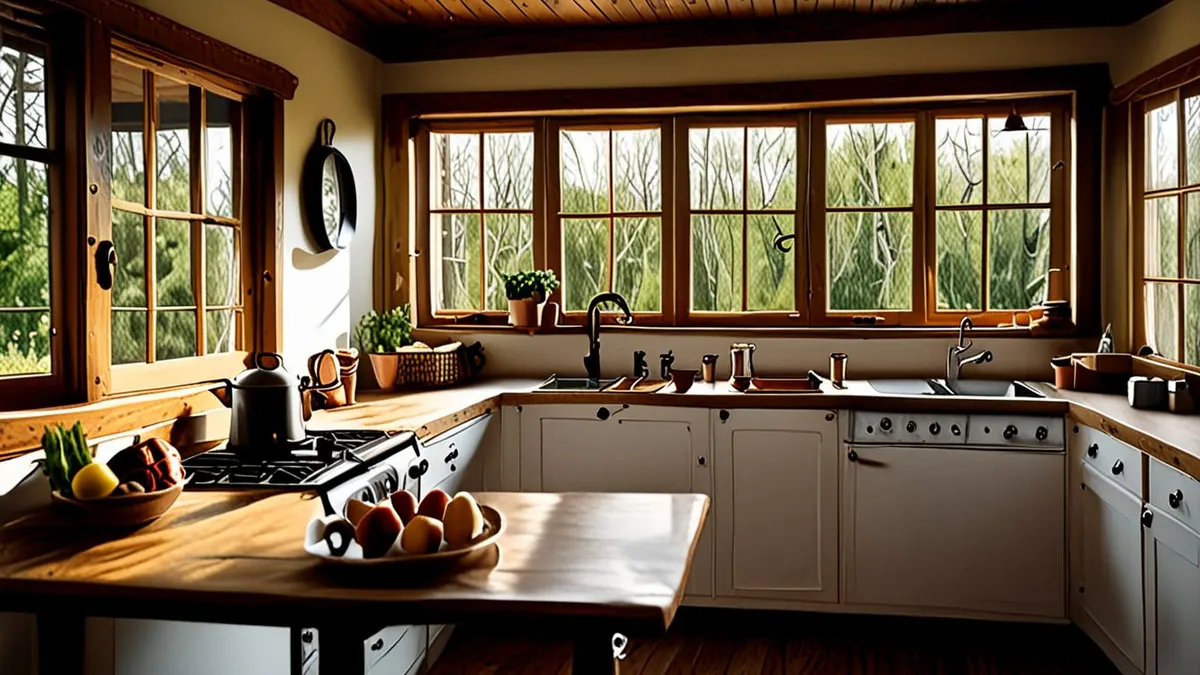
Self-Catering Lodges: Cooking Your Own Meals
Self-catering lodges give you the freedom to cook your own meals, which appeals to travelers who want flexibility over what and when they eat. A proper self-catering unit includes a full kitchen with a stove, oven and fridge, so you can prepare everything from a quick pasta dinner to a full roast. Cheaper units, however, may only offer a kitchenette without an oven, which limits you to stovetop and microwave cooking. Check the exact kitchen setup before booking if your plans involve baking or roasting.
The biggest practical challenge is groceries. Plan your shopping before you leave home, because the nearest store to a remote lodge can be 30-90 minutes away by car. Arriving with an empty pantry and no transport means a long round trip just to buy bread and eggs.
What to think through before choosing self-catering
- Shop on the way in: Stop at a larger supermarket in the last town before the lodge, since small village stores often stock limited basics at higher prices.
- Bring your own staples: Spices, cooking oil, coffee and condiments are frequently missing from lodge kitchens, and buying full bottles for a two-night stay gets expensive.
- Check cookware and equipment: Ask whether the kitchen provides pots, pans, sharp knives and enough plates for your group, as standards vary widely between lodges.
- Factor in cleanup time: With no restaurant staff, every meal means cooking and washing up, which adds up over a week-long stay.
Self-catering works especially well for families and longer stays, where the savings really accumulate. Full-board rates typically run 30-50% above room-only prices, so cooking even half your meals can make a noticeable difference to the total cost of your trip.
Half-Board and Full-Board: Which Meal Plan Fits
Meal plans at lodges are not one-size-fits-all, and the difference between half-board and full-board usually comes down to how your days actually look. Half-board covers breakfast and dinner, leaving lunch to your own arrangements. Full-board covers all three meals, which matters most when there is nowhere else to eat.
When half-board is the better choice
Half-board works best for hikers and sightseers who spend the middle of the day out on the trail or exploring a nearby town, then return in the late afternoon ready for dinner. You grab breakfast before heading out, pack or buy a simple lunch along the way, and come back to a proper hot meal without having to arrange anything. It keeps your days flexible while removing the evening decision-making, which matters more than it sounds after a long hike.
When full-board makes sense
Full-board suits two situations in particular. The first is remote lodges with no food options nearby, where leaving the property for a meal simply is not realistic and the drive to the nearest town may take an hour or more. The second is all-day activity programs, such as guided safaris or multi-hour excursions, where guests return late and tired and would rather not think about finding dinner. In these cases, having every meal handled at the lodge is usually worth it.
Before upgrading, though, think about your actual schedule rather than defaulting to the biggest plan. Count how many meals you will realistically eat at the lodge, then check whether affordable restaurants or cafés sit within easy reach. If they do, half-board plus a couple of lunches out often covers your needs comfortably, while full-board can leave you paying for midday meals you rarely sit down to eat. Families with young children and travelers staying a week or longer should weigh this especially carefully, since the difference compounds over a longer stay.
Choosing Lodge Dining by Trip Type and Destination
The right meal plan depends heavily on what you are doing at the lodge and where it sits. A plan that works brilliantly for a ski week can be wasteful for a lakeside weekend, so it pays to match the dining setup to your destination.
Ski and winter lodges
Ski and winter lodges favor half-board for a simple reason: guests come off the slopes by late afternoon, want a hot dinner, and rarely have the energy to drive into town. Breakfast before a day on the mountain and a filling evening meal afterward covers nearly everything. If you are weighing options for a snow trip, our guide to Whistler ski lodges for winter holidays shows how this works in practice.
Hiking and trekking lodges
Hiking lodges in regions like Patagonia often bundle full-board with guided treks because trailheads start early. There is no time to shop or cook at dawn, lunch happens on the trail, and dinner is the moment everyone refuels together. In these setups the meal plan is part of the trip itself rather than an add-on, and the premium over a room-only rate can be significant, so check what you actually get for the money.
Lake and weekend lodges
Lake and weekend lodges near towns suit breakfast-only plans. You eat at the lodge in the morning, then explore local restaurants for lunch and dinner, which is often half the fun of the trip. Paying for dinners you will not eat makes little sense when good options sit a short drive away. Before booking, ask yourself one question: how many meals will you realistically eat at the lodge? Your honest answer points straight to the right plan.
Budgeting and Booking Your Lodge Meals
Lodge meals can quietly become one of the biggest line items in your budget, especially at remote properties where alternatives are limited. A few checks made at booking time prevent most surprises, and they take less than an hour of your life. Here is how to approach it step by step.
- Ask exactly what the meal plan includes. Confirm at booking whether drinks, packed lunches and snacks are covered, as these often cost extra on half-board plans. A glass of wine with dinner or a coffee on the terrace can be billed separately, so get the details in writing before you pay. If you plan day trips, also ask whether the kitchen can prepare a lunch box, since some lodges offer this on request and others do not.
- Request dietary accommodations early. Vegetarian, vegan and allergy-friendly meals are usually possible, but remote lodges typically need advance notice. Last-minute requests are often refused because kitchens order supplies well in advance and may have no store nearby to buy substitutes. Put your needs in the booking notes and confirm by email, not just a phone call.
- Compare the true cost of board plans. Run the numbers against the upgrade before deciding, rather than assuming the room-only rate is cheaper overall. For a family eating every meal on site, a board plan can work out favorably, while a lodge near a town with restaurants may not.
Once these checks are done, you can relax about food for the rest of the trip. Knowing what is included, that your dietary needs will be met, and how the plan compares to eating out turns lodge dining from a guess into a settled part of your budget. Ten minutes of emails before you book is all it usually takes.
Finding the Right Lodge Dining Setup
Lodge dining comes down to three setups: fixed set menus, self-catering kitchens or board plans like half-board and full-board, and each one fits a different trip style. If you book without checking, you may arrive expecting a kitchen and find a fixed 6:30 to 8:00 pm dinner instead, or vice versa. Half-board remains the most common plan at lodges, while full-board typically adds roughly 30-50% to the room rate.
The fix is simple: confirm the meal plan when you book, not when you check in. Matching your dining arrangement to your destination and daily routine is what makes a lodge stay comfortable, whether you are hiking all day or cooking for the family. If this helped you plan your next lodge stay, leave a comment or share this article with a fellow traveler.