Room service sounds simple: pick up the phone, order a club sandwich, and eat in your bathrobe. Yet many travelers hesitate to use hotel room service because they aren’t sure what it will really cost, whether the kitchen is still open, or how much to tip the person carrying the tray. That uncertainty leads to skipped meals, surprise charges on checkout bills, and awkward moments at the door.
This guide clears it all up. We explain what hotel room service actually is and how ordering works, break down the menu markups and fees that inflate your bill, and map out typical service hours from breakfast through late night. You’ll also learn how much to tip, how to cut your wait time during busy periods, and the etiquette details that keep housekeeping happy. By the end, you’ll know exactly when to order, what to expect on the bill, and how to handle gratuity with confidence.
What Is Hotel Room Service and How It Works
Hotel room service is the delivery of food and drinks straight to your guest room. You place an order by phone, through the hotel’s app, or sometimes with a door hanger card left outside your door in the evening. The meal then arrives from the hotel’s own kitchen or, at some properties, from a partner restaurant nearby. Someone brings it to your door, often on a tray or in a covered bag, and either hands it over or leaves it there.
Most hotels still rely on a printed menu left in the room, usually tucked into a binder or hanging on the door handle. Larger properties have moved further: many now offer app or QR-code ordering, where you scan a code in your room, browse the menu on your phone, and sometimes even follow live delivery tracking as your order makes its way through the halls. These digital options also make it easier to see the full price, including fees, before you confirm.
Who Actually Runs the Kitchen
The level of service depends heavily on the hotel. Full-service hotels run their own kitchen around their operating hours, which means a wide menu and consistent availability. Many mid-range and budget hotels, on the other hand, offer room service only during limited hours, or skip it entirely and point you toward the restaurant downstairs or nearby takeout instead. Before you count on a late-night meal, it’s worth checking whether your hotel actually offers the service and during which hours.
How Much Does Hotel Room Service Cost?
Room service is convenient, and that convenience is priced in. Menu prices typically run 20-60% above the same dishes in the hotel’s own restaurant, so the pasta you could order downstairs for a set price costs noticeably more when it arrives on a tray. On top of that, most hotels add fees to every order, and these are where bills really start to grow.
Expect a delivery or tray fee of $3-$10 per order. Some hotels skip that fee and instead add a 15-20% service charge to the bill automatically. The catch is that these charges stack up fast, and the final total often surprises guests who only glanced at the menu price.
What Can Be Added to Your Bill
- Delivery or tray fee: a flat charge per order, not per dish, so ordering one dessert and one main together costs less in fees than two separate orders.
- Automatic service charge: when a 15-20% service charge appears on the bill, it typically goes to the hotel rather than directly to the person delivering your tray.
- Gratuity line: some charge slips include a suggested tip line on top of the service charge, which can quietly double the tip if you don’t check first.
- Minimum order requirements: a few hotels require a minimum spend per order, which pushes you to add items you wouldn’t otherwise order.
Watch for bundled charges in particular. A $12 club sandwich can reach $20-$25 once the tray fee, service charge and gratuity are added. Before signing the room charge slip, read the itemized total so you know exactly what you’re approving.
Room Service Hours: When You Can Order
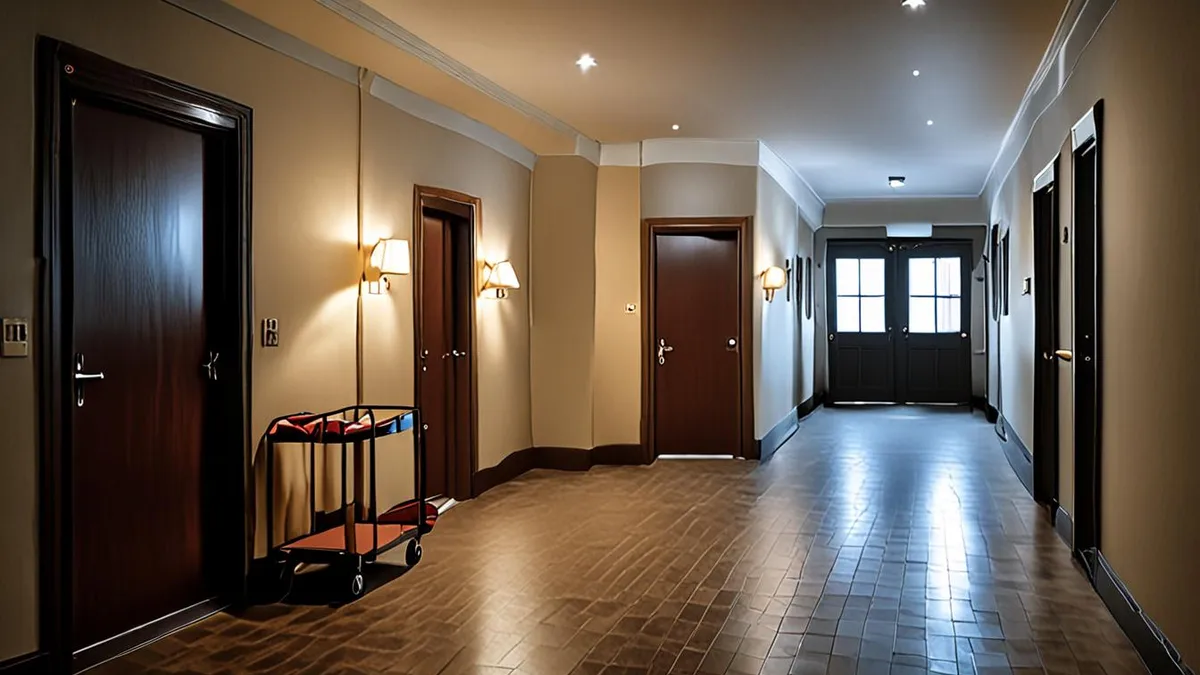
Room service hours vary widely by property, but the pattern is fairly predictable. The typical service window runs from 6:00-7:00 am breakfast service until 10:00 pm-midnight for dinner service. Outside those hours, your options narrow considerably, and at many hotels they close entirely.
After midnight, limited overnight menus are common. These usually shrink to a short list of snacks, sandwiches, and drinks rather than the full dinner menu, so don’t expect the steak or the full dessert selection at 2:00 am. The type of hotel matters too: 24-hour room service is mostly found in 4-5 star and resort properties, while budget and airport hotels often stop service by 9-10 pm. Airport hotels in particular tend to wind down early, since most guests check out before dawn.
Timing Your Order Right
One detail catches many guests off guard: kitchens cut off orders earlier than the posted end time. If service officially ends at 11:00 pm, the kitchen may take its last order at 10:30 pm to allow prep and delivery. Ordering 30-60 minutes before closing time protects you from calling just as the line goes quiet.
- Check the menu card for two times: some hotels list separate cutoffs for food orders and drink orders, with drinks available later than the kitchen.
- Ask about the overnight menu at check-in: the front desk can tell you whether anything at all is available after midnight, even if it’s just beverages and packaged snacks.
- Plan arrival-day orders carefully: if you land late, confirm hours before you rely on room service for dinner, since a 9:00 pm cutoff can easily be missed after a delayed flight.
How Much to Tip for Room Service
Tipping room service follows the same logic as tipping a waiter, with one twist: the person who brings your tray may not be the person who prepared the food. A percentage-based gratuity is the usual approach, and for small orders like a coffee and a pastry, a modest minimum works better than a strict percentage, since the math would otherwise come out surprisingly low.
Before you decide on an amount, check the bill carefully. Some hotels add an automatic service charge to room service orders. If that charge is already on the bill, you don’t need to tip the full amount again — a small extra amount for the deliverer is a friendly gesture that covers the person who carried everything to your door. If no service charge appears, treat the gratuity as you would in a restaurant and base it on the order total.
Cash or room charge?
You have two easy options. Tipping in cash is the most direct route, since the money goes straight to the person who brings the tray rather than being pooled or processed later. Keep a few small bills on hand for this purpose, especially on arrival day when you haven’t visited the front desk yet.
If you don’t have cash, you can add the gratuity on the room charge slip when you sign it. Just make sure you write in the tip line yourself before signing, because once the slip is returned to the front desk, adding a tip afterward becomes complicated. Either method is perfectly acceptable, so use whichever is more convenient at the moment.
One last detail worth remembering: if your order was late or something was missing, it’s fair to adjust the tip downward. The kitchen and the delivery staff are usually separate roles, so many guests choose to tip the deliverer normally even when the food itself wasn’t perfect. Use your judgment — a tip should reflect the service you actually received at your door.
Ordering Smart: Timing, Wait Times and Alternatives
Room service is convenient, but it isn’t instant. At busy hotels, expect delivery to take 20-45 minutes from the moment you order. The slowest windows are the breakfast rush between 7:00 and 9:00 am and the dinner peak between 7:00 and 9:00 pm, when the kitchen is juggling restaurant guests and room orders at the same time.
The good news is that timing is easy to work around. Ordering slightly before or after peak meal times usually cuts the wait considerably. A late breakfast at 9:30 am or an early dinner at 6:15 pm often arrives noticeably faster than an order placed at the height of the rush. If you’re hungry outside those windows, you’ll typically get your food quicker and hotter.
Ways to make room service work better for you
- Order well before the kitchen winds down. Late-night orders are the most likely to be refused or cut short, so if you want food close to closing time, place it earlier in the evening rather than minutes before the menu ends.
- Track your order when the hotel offers it. Some larger properties let you follow your delivery on your phone, which is handy if you’re getting ready for an early night or a meeting.
- Compare delivery apps for longer stays. Since room service premiums add up over multiple nights, checking delivery apps and nearby restaurants for a few meals can noticeably reduce your food costs.
One more thing to clarify early: if you’re staying at an all-inclusive property, room service is sometimes included in your rate and sometimes billed separately, often with restrictions on hours or menu items. It’s worth asking at check-in, and our article on what all-inclusive hotels include versus standard hotels explains how these rates typically work so you don’t get an unexpected charge on your final bill.
Room Service Etiquette and Practical Tips
Room service etiquette is mostly about small courtesies that make life easier for staff and keep your bill accurate. The most common question is what to do with the tray when you’re finished. The best habit is to place it outside your door when you’re done, or call housekeeping for pickup if you’d rather not leave it in the corridor. Dishes left sitting in the hallway overnight look untidy and can block other guests or housekeeping carts.
Check the total before you sign
When your food arrives, take a moment to review the charge slip before signing it. Confirm the food total, the tray or delivery fee, any service charge and the gratuity line if you’re adding one. Mistakes are rare, but catching an error at your door is far easier than disputing a charge at checkout. If something on the bill looks wrong, ask the deliverer to explain it or request a corrected slip.
Special requests work best when they’re made at the moment you order. If you have an allergy, need a meal at a very late hour, or want something prepared a certain way, mention it on the phone or in the app notes rather than waiting until the tray arrives. The kitchen has a much better chance of accommodating you in advance than after the food is already prepared.
Pet owners should take one extra precaution: keep food off the floor and store trays out of your pet’s reach. Spilled sauces, crumbs and chewed packaging can trigger extra cleaning charges, and some hotels bill for deep cleaning if food waste attracts pests. A tray on the table or counter solves the problem in seconds and keeps your checkout bill free of surprises.
Key Takeaways on Cost, Hours and Tipping
Room service doesn’t have to feel like a gamble. The real cost is usually the menu price plus 20-60% over the restaurant, along with a $3-$10 delivery or tray fee, or sometimes a 15-20% service charge instead. Check the bill before signing so nothing surprises you.
As for timing and tipping, most hotels serve from early breakfast until around 10:00 pm-midnight, with 24-hour menus mostly limited to upscale properties. A tip of 15-20% of the bill, or $2-$5 on small orders, is standard—less if a service charge is already included. If this guide helped you order with confidence, leave a comment or share it with a fellow traveler.