You love the idea of waking up inside a national park, trading a desk job for a season surrounded by mountains or lakes. But you’ve probably assumed that living and working at a lodge is something reserved for guides and hospitality veterans, and that you’d never know which jobs exist or how to even start applying.
The good news is that working holidays at lodges are far more accessible than most travelers realize, and many roles require zero experience. This guide walks you through what the job actually looks like day to day, which entry-level positions hire the most people, the perks that go beyond your paycheck, when and where to apply, how to write an application lodges actually read, and what to check before you sign anything. By the end, you’ll know whether a season at a lodge fits your plans, and exactly how to go after it.
What Working Holidays at Lodges Actually Look Like
Most lodge jobs are seasonal contracts lasting 3 to 6 months, built around the high seasons. Summer seasons cover the hiking and lake months, while winter seasons line up with ski and snowmobile traffic. You’re hired for the whole season, not a few weeks, because training new staff costs lodges time and money.
Almost everything happens on site. Staff usually live in shared dorms or small staff cabins behind the main lodge, and lodges typically deduct roughly USD 100 to 250 per week from your paycheck for housing and meals. That deduction stings at first glance, but remember you’re paying nothing in rent back home for the season, and the nearest town may be an hour away anyway.
A small village with a schedule
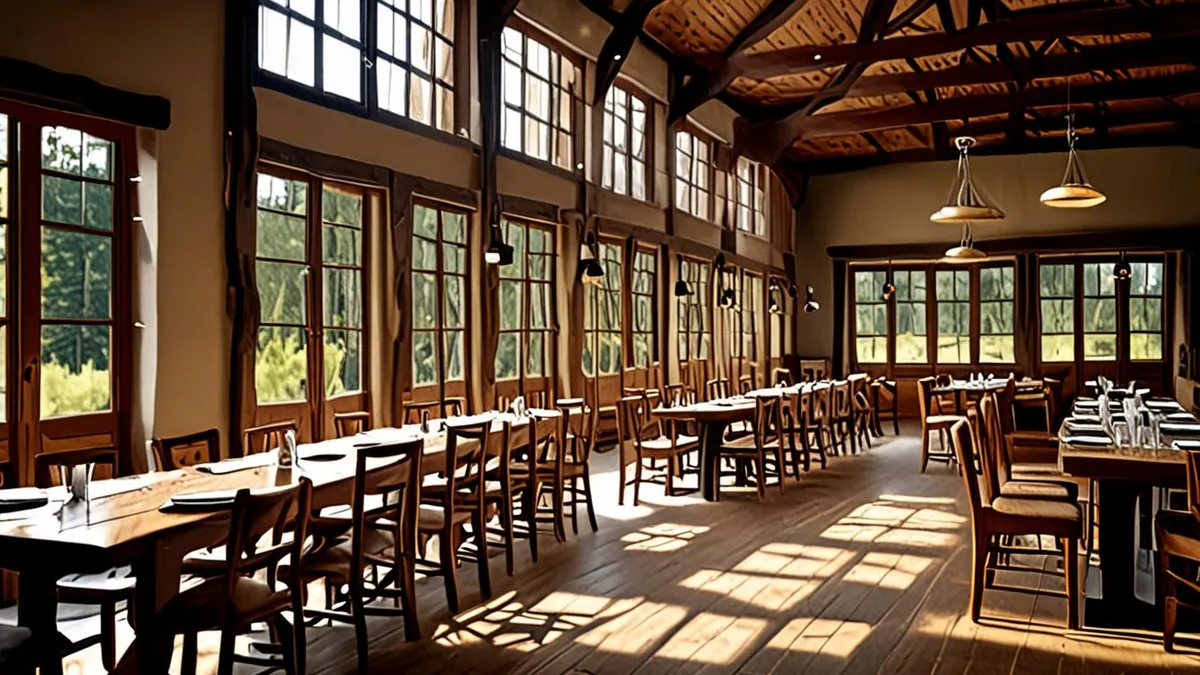
Remote lodges function like tiny villages. There’s a kitchen that feeds staff, shared common rooms where everyone hangs out after shift, and a rhythm shaped by guest arrivals and departures. Expect a 5-to-6-day work week during peak periods, with your days off rotating so the lodge stays covered. The trade-off for long shifts is total immersion: you live where you work, and the trailhead or ski run is often minutes from your cabin door.
Lodge Jobs You Can Get Without Experience
The biggest misconception about lodge work is that you need years of hospitality behind you. In reality, housekeeping is the largest entry-level hiring category every season, and lodges hire for it with no prior experience required. If you can work steadily, follow a room checklist and show up on time, you’re already qualified for the role that keeps the whole operation running.
Kitchen roles are the second big entry point. Dish pit and prep positions get you inside the kitchen with full on-the-job training, and many cooks and chefs started exactly there. If you’re more comfortable outdoors than indoors, maintenance and grounds crews also take handy applicants who can paint, shovel, mow and fix things without much supervision.
One caveat: not every door is open to first-timers. Front desk and serving roles typically ask for 1 to 2 seasons of prior experience, because they involve constant guest contact and handling payments or complaints. Guiding roles are similar. If you’re set on those positions, plan to start in housekeeping or the kitchen and move up in your second season. It also helps to understand the rhythm of the year before you commit, so read up on the best time of year to visit lodges by season and region to see how summer and winter seasons differ.
- Housekeeping often includes laundry and public-area duties, so expect to rotate between guest rooms, corridors and the lobby rather than cleaning rooms all day.
- Dish pit roles usually come with staff meals on shift, which is one reason they’re popular with travelers watching their budget.
- Maintenance work can mean anything from splitting firewood to snow shoveling at 6 a.m., so ask what a typical day looks like before you accept.
Perks Beyond the Paycheck
Let’s talk numbers first. Typical seasonal lodge pay runs about USD 12 to 20 per hour depending on the role and the region. In service positions like serving or bar work, tips can sometimes add another 10 to 20 percent on top, which makes guest-facing roles noticeably more lucrative at busy lodges. Housekeeping and kitchen roles usually sit at the lower end of the hourly range but come with steadier hours.
Why room and board changes the math
The real financial advantage isn’t the hourly rate, it’s the cost of living. Remote lodges provide free or heavily subsidised room and board, with weekly deductions typically around USD 100 to 250. Compare that to paying market rent anywhere near a national park or ski resort, and a season at a lodge can leave you with serious savings, especially if you arrive with almost no expenses back home.
Then there are the perks that never show up on a pay stub. Staff commonly get discounted or free activities, access to lodge gear like kayaks, skis or bikes, and days off you can spend hiking or skiing right on site. When your workplace is also the destination, a day off feels like a vacation day.
Ask anyone who has done multiple seasons what they remember most, and the answer is rarely the money. It’s the friendships formed over shared staff meals and late shifts, and the network that gets you rehired years later. Return staff often skip the interview line entirely, because a lodge would rather rehire someone it already trusts than train a stranger.
When and Where to Apply
Lodge hiring follows the seasons, and the calendar matters more than most travelers expect. Because most seasonal contracts run 3 to 6 months tied to either the summer or winter high season, managers recruit in concentrated bursts rather than year-round. Miss the window and you’ll often wait months for the next one, or watch the best roles fill while you’re still polishing your resume. The good news is that the timing is predictable, so with a little planning you can position yourself ahead of the crowd instead of scrambling behind it. Here’s how to time your application right.
- Know the hiring windows. Summer season recruiting typically runs from January to March, while winter season hiring happens between August and September. Mark these months and have your resume ready before they arrive.
- Apply as early as possible. Applications often open 4 to 6 months before the season starts. For remote lodges, early applications matter even more, since managers fill key roles quickly and review later applications only if spots remain.
- Target large lodges for better odds. Big remote lodges commonly take on 20 to 100 seasonal staff per season. Openings are real, but competition is stiff, so apply to several properties at once rather than pinning hopes on one.
- Pick regions with strong lodge seasons. National park gateways, lake districts and ski areas all support reliable seasonal workforces. If you want inspiration for where lodges cluster, browse America lodges near national parks to see which destinations hire heavily.
Once you’ve shortlisted regions and properties, set reminders for the application dates and prepare your documents in advance. Keep a simple spreadsheet of where you applied, when the window opens and who you’ve followed up with, because juggling multiple lodge applications gets confusing fast. A well-timed application, sent in the first weeks of the hiring window, gives you a real edge over the January-to-March or August-to-September rush. Early applicants also tend to have more choice in roles and start dates, which makes it easier to lock in the full season and plan the rest of your trip around it.
How to Write an Application Lodges Actually Read
Lodge managers read dozens of applications a week, and most get skimmed for ten seconds. Yours needs to answer their biggest question immediately: can this person show up and commit to a full season in a remote location? That’s why your availability should be the first thing they see. Put it at the top of your application or in the first line of your email, before anything about your background or motivation. A manager skimming applications wants to match you to a shift gap on their staffing chart, and if they can’t find your dates quickly, your file often gets set aside.
State the exact start and end dates you can commit to, covering the full 3-to-6-month season. A vague “available from spring” tells a hiring manager nothing. A clear range that matches their season tells them you’re serious, and it saves everyone a round of emails just to confirm when you could actually arrive and start work.
It also helps to know what managers actually screen for. Beyond availability, these details make an application stand out:
- Reliability over job titles. If you’ve held any job requiring punctuality and consistency, say so in plain terms. Lodges hire attitude and dependability, not fancy resumes.
- Customer-facing warmth. Mention any moment you’ve helped a guest, calmed an upset customer or worked front of house, even informally. Remote lodges live and die by guest experience.
- Hands-on skills. List cooking, cleaning, driving, first aid certification or a second language. These are the practical abilities a small lodge team swaps between roles daily.
- Direct applications. Use the lodge’s own career page rather than generic job boards, then follow up by email within a week. A short, polite follow-up often moves your file to the top of the pile.
Keep the whole thing short and specific. A one-page application that proves you’ll stay the whole season beats a polished resume that doesn’t. If you can only work part of the season, say that honestly rather than promising dates you can’t keep, because leaving mid-season burns a bridge at lodges where managers talk to each other and remember returning applicants.
What to Check Before You Accept an Offer
An offer from a remote lodge is exciting, but it deserves a careful read before you say yes. Once you’re at a property hours from the nearest town, changing your mind is expensive and stressful for everyone involved. Lodges put real effort into hiring, so backing out late can burn a bridge you might want next season. Ask a few pointed questions first, and treat vague or evasive replies as useful information in themselves.
The biggest question is money. Compare your total weekly deductions for staff housing and meals against your hourly rate to work out what you’ll actually take home. A good hourly wage can shrink fast if deductions are high, so do the math before accepting. Ask whether overtime is possible, whether tips are pooled or kept individually, and when paychecks actually arrive. It also helps to ask returning staff, if you can find them, what a typical week earned in practice rather than on paper.
Also think about life off shift. Remote lodges vary widely in what staff life looks like, and reading up on what to expect at a lodge, from amenities to meals and activities helps you picture the reality before you commit. Before signing, check these specifics:
- Days off per week. Ask exactly how many you get and whether they’re guaranteed or shift-dependent. Also confirm whether you can reach town or trails without a car, since some properties are genuinely isolated.
- Bonuses and return incentives. Some lodges offer end-of-season bonuses or discounted return contracts for staff who complete the season. These can meaningfully boost your total earnings, but only if you ask.
- Contract dates in detail. Read the start and end dates closely. Early-season and late-season shoulder weeks can be slow, with fewer shifts and less income than peak weeks, so budget accordingly.
A lodge that answers these questions clearly is usually a lodge worth working for. Evasive answers are their own kind of answer.
Is a Lodge Working Holiday Right for You?
If spending a whole season in a wild, beautiful place appeals to you, but you assumed lodge work was only for people with hospitality degrees, here is the good news: it is not. A working holiday at a lodge suits travelers who want to stay months in one stunning location rather than rushing through it on a short trip. You live where you work, share meals with a small crew, and get to know a place far better than any vacation allows.
It is also more realistic than most people think. Entry-level housekeeping and kitchen roles hire the most workers each season and require no prior experience, so attitude and reliability matter more than your resume. The key is timing: apply 4 to 6 months ahead during the January-to-March or August-to-September hiring windows, and you have a genuine shot. Have you worked a lodge season, or are you planning one? Leave a comment or share this article.